

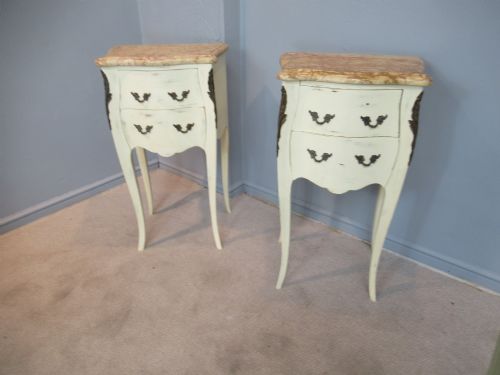
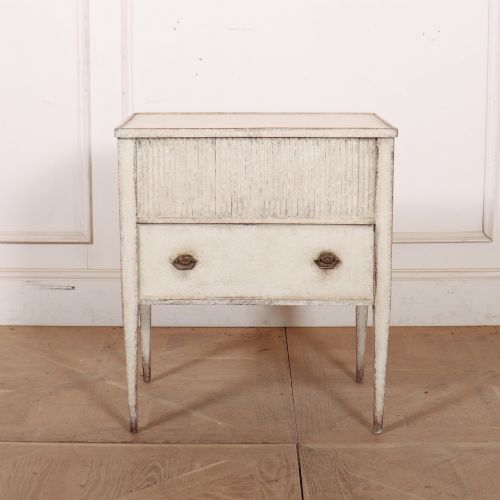


Cream Painted Side Cabinet
A cream painted side cabinet brings light, character and storage to a room through painted wood, decorative motifs and practical proportions.
Cream Painted Side Cabinet
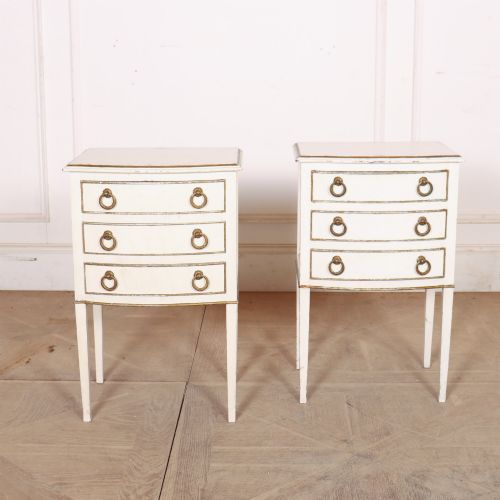
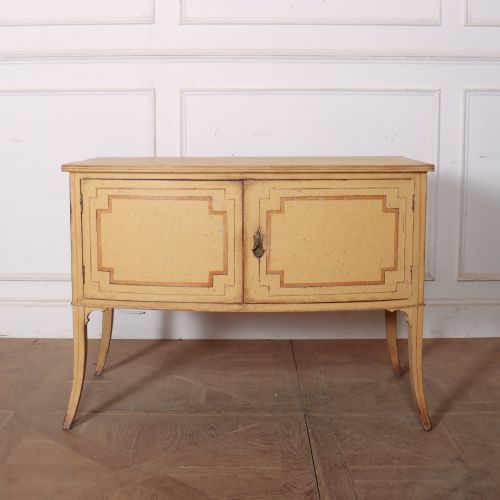
A cream painted side cabinet serves as both a functional storage piece and a decorative anchor in a room, drawing on periods from the nineteenth century into the twentieth century. These pieces appear in forms such as side cabinets, bedside tables, display cabinets, and banks of drawers, originating from workshops across England, France, Italy, Sweden, Holland, and Hungary.
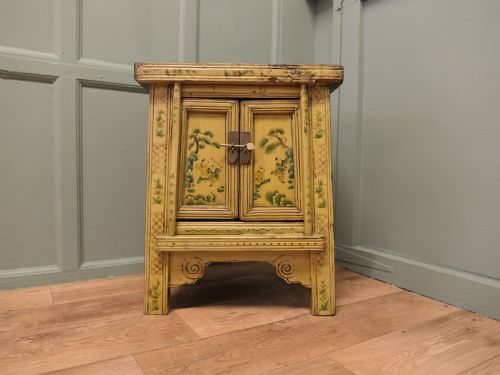
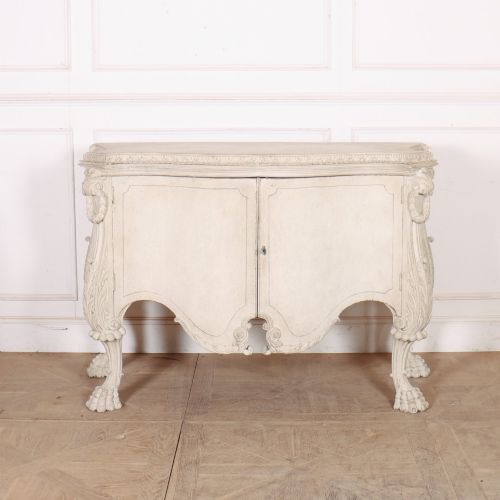
The version most likely to be met on this page is a nineteenth-century or early twentieth-century painted bedside table, cabinet, or cupboard. Styles range from French style and Louis XVI to Italian Rococo, Neoclassical, Gustavian, Chinoiserie, and English Country House, reflecting diverse regional tastes in painted furniture.
How they were made
Makers constructed these cabinets primarily using wood, incorporating pine and other timbers as the structural base before applying paint. Surface decoration frequently involved cream paint finishes, sometimes complemented by giltwood, decorative motifs, or majolica panels.
Fittings and surfaces often integrated additional materials to enhance utility and visual appeal, including brass hardware, metal details, glass panels, and marble tops. These combined techniques resulted in durable furniture designed for domestic storage and display.
Cream Painted Side Cabinet Retail Price Guide 2026
Typical asking prices for cream painted side cabinet among the pieces listed under this phrase on Sellingantiques today, from the lower quarter to the upper quarter. They describe what is for sale here now, not the wider market.
Object types span bedside tables, side cabinets, display cabinets, and a twenty-five drawer shop fitting.
What varies in quality
Quality in a cream painted side cabinet rests upon the finesse of the underlying joinery and the execution of the painted surface. Pieces showing considered proportions, harmonious decorative details, and well-preserved paintwork stand apart from simpler utilitarian boxes.
The integration of specialist elements such as marble tops, giltwood accents, majolica panels, or hand-painted Chinoiserie decoration elevates a piece above standard domestic joinery. The coherence of the regional style, whether Gustavian, French, or Italian Rococo, dictates the sophistication of the final design.
The Cream Painted Side Cabinet Glossary
- Demi-lune
- A half-moon shape used for the footprint or top of a cabinet, allowing it to sit flush against a wall while saving floor space.
- Giltwood
- Wood that has been treated with gold leaf or gold paint to highlight carved details and architectural mouldings.
- Chinoiserie
- European decorative style that imitates Chinese artistic traditions, often featuring painted motifs of figures, landscapes, and flora.
- Gustavian
- The Swedish interpretation of French neoclassical design, characterised by restrained carving, pale paint finishes, and elegant proportions.
Cream Painted Side Cabinet: Frequently Asked Questions
Where do these painted cabinets fit best?
These cabinets suit bedrooms as bedside tables, or living spaces and hallways where a compact storage unit is required. Their painted finishes help brighten corners and complement various interior schemes.
Because they appear in forms ranging from narrow bedside cupboards to breakfront side cabinets and shop fittings, measuring the available wall space and clearance ensures the chosen piece fits comfortably.
How do I identify different regional styles?
Regional styles reveal themselves through distinct decorative vocabularies, such as the restrained pale palette of Swedish Gustavian pieces or the more ornate curves of Italian Rococo and French chateau designs.
Examining the specific motifs, the treatment of the painted wood, and any accompanying elements like marble tops or majolica panels helps pinpoint the geographic origin and stylistic period.
What materials were used in their construction?
Wood forms the primary body of these cabinets, frequently pine or other domestic timbers, which then received layers of paint to create the characteristic cream finish.
Additional materials include brass or metal hardware, glass for display doors, marble for tabletops, and giltwood highlights that accentuate the carved details.
Are these pieces from the nineteenth or twentieth century?
The pieces span from the mid-nineteenth century through the Victorian era and into the early twentieth century, specifically appearing across dates like eighteen-eighty, eighteen-ninety, nineteen-twenty, and nineteen-thirty.
Construction methods, hardware, and stylistic details such as Neoclassical or Chinoiserie ornament offer clues to the era in which each cabinet was built and painted.