
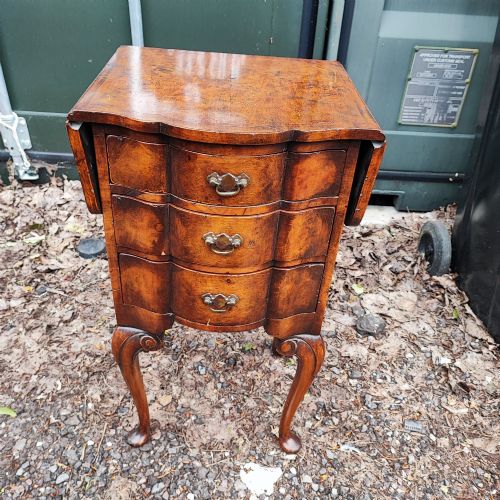


Serpentine Front Side Cabinet
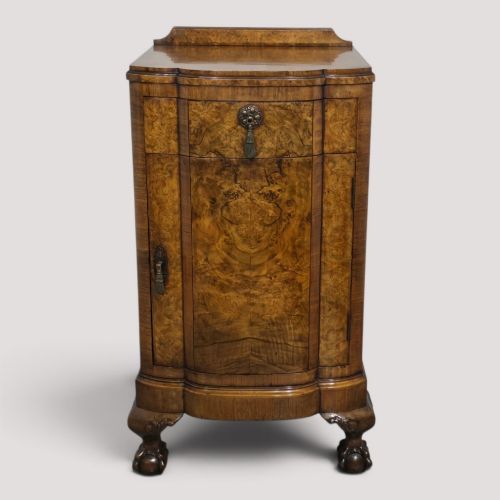
These serpentine front side cabinets curve with grace, bringing walnut, mahogany, and marble into interiors with genuine presence.
Serpentine Front Side Cabinet
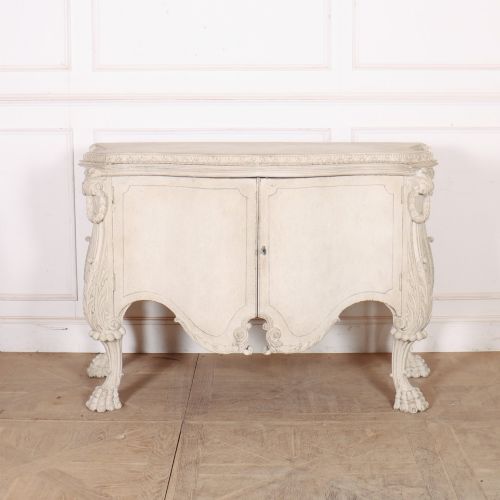
A serpentine front side cabinet offers a distinctive undulating silhouette that shifts outwards at the centre and inwards at the sides. When searching for a serpentine front side cabinet, collectors encounter a rich variety of forms spanning bedside tables, commodes, and larger credenzas.
The evidence shows these pieces appearing across multiple eras, stretching from the eighteenth century through Victorian interpretations into the nineteen thirties. Walnut, mahogany, and rosewood form the main body of these pieces, often paired with marble tops.
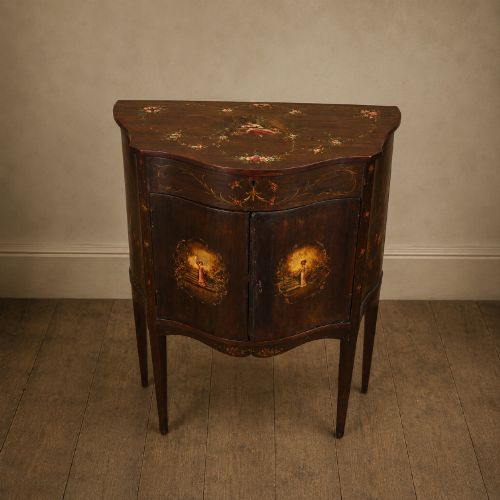
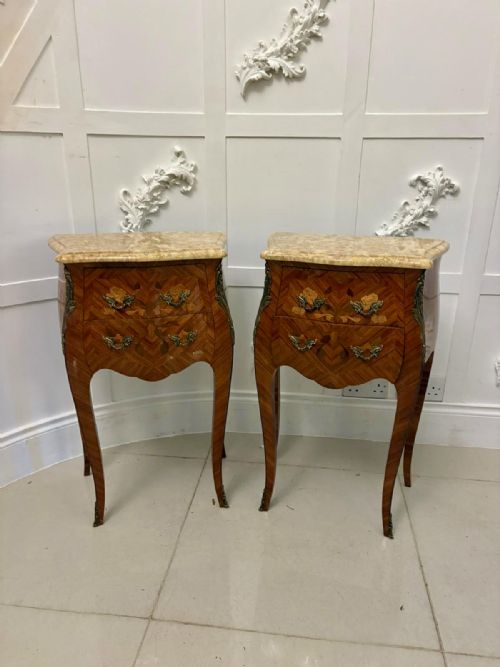
French Louis XV style and Sheraton Revival examples dominate the selection, bringing marquetry inlay and painted surfaces to the forefront. Buyers frequently meet bedside cupboards and display cabinets sharing this characteristic curved front profile.
What varies in quality
Quality rests upon the fluidity of the serpentine curve and the precision with which the timber grain follows the shape. Finer examples display harmonious veneer matching across the undulating front, while simpler pieces rely on plain mahogany or walnut without marquetry detail.
The integration of mounts, brass details, and fitted marble tops distinguishes exhibition pieces from standard utility furniture. Heavy ormolu mounts and intricate hand painted panels elevate specific Victorian and French commodes above everyday side cupboards.
Even the modest bedside table demands a serpentine front, proving that eighteenth-century curves belonged in the bedroom too.
Krieger of Paris
The Serpentine Front Side Cabinet Glossary
- Serpentine front
- A furniture front characterised by a double convex curve flanked by concave sections. This undulating shape creates movement and catches light differently across the timber.
- Marquetry
- Decorative patterns formed by inserting pieces of wood, brass, or shell into a veneered surface. Craftsmen use contrasting timbers to create floral or geometric designs.
- Ormolu
- Gilt bronze mounts applied to furniture for decoration. These metal ornaments accent the corners, aprons, and legs of French and Victorian cabinets.
- Commode
- A low decorative chest of drawers or cabinet with doors. French commodes often feature marble tops and elaborate marquetry work.
- Credenza
- A sideboard or display cabinet designed for dining rooms or reception spaces. Victorian versions frequently combine glazed doors with inlaid burr walnut.
Serpentine Front Side Cabinet: Frequently Asked Questions
What rooms suit a serpentine front side cabinet?
These cabinets work well in drawing rooms, bedrooms as bedside tables, or hallways where their curved profile softens straight architectural lines. Their varied proportions allow them to fit both grand reception spaces and compact interiors.
Placing one against a plain wall lets the undulating wooden grain and marble top stand out without competing with surrounding furniture.
How do I identify a French commode?
French commodes typically feature pronounced serpentine shapes, fitted marble tops, and extensive marquetry or kingwood veneers. Many incorporate ormolu mounts along the legs and corners.
They often date from the nineteenth century or earlier, reflecting Louis XV design influences through their cabriole legs and floral inlay.
What is Sheraton Revival furniture?
Sheraton Revival pieces draw inspiration from the eighteenth-century designs of Thomas Sheraton, becoming especially popular during the Victorian era. They often feature satinwood, painted details, and delicate mahogany framing.
Cabinets from this movement emphasise symmetry, classical motifs, and lighter proportions compared to heavy Victorian walnut pieces.