

Vintage Sheet Music Stand
A vintage sheet music stand holds scores and papers with functional elegance, spanning periods from the Georgian era to the early twentieth century in mahogany, walnut, and rosewood.
Vintage Sheet Music Stand
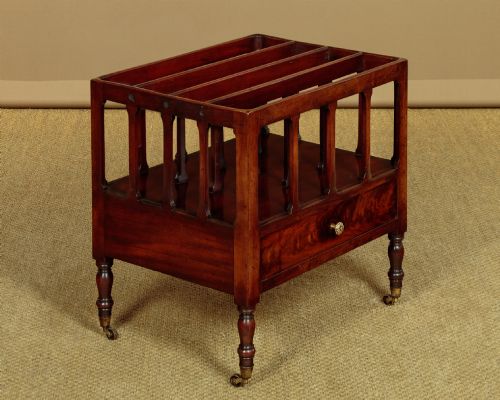
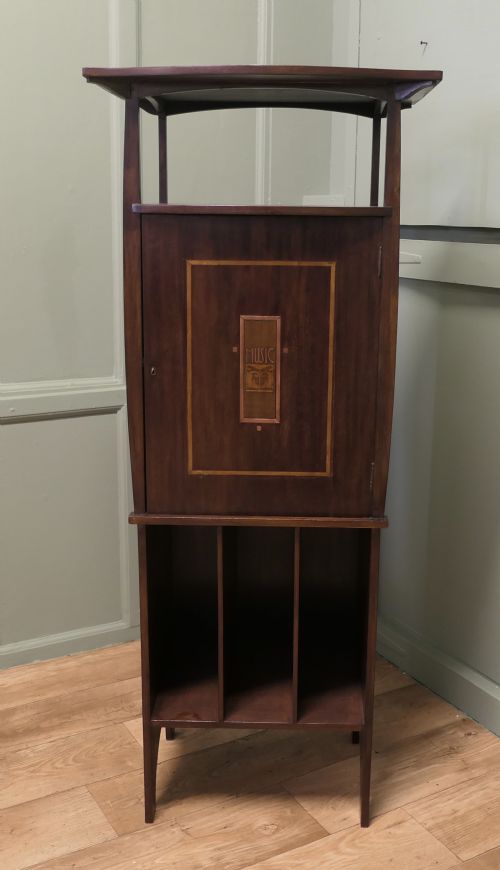
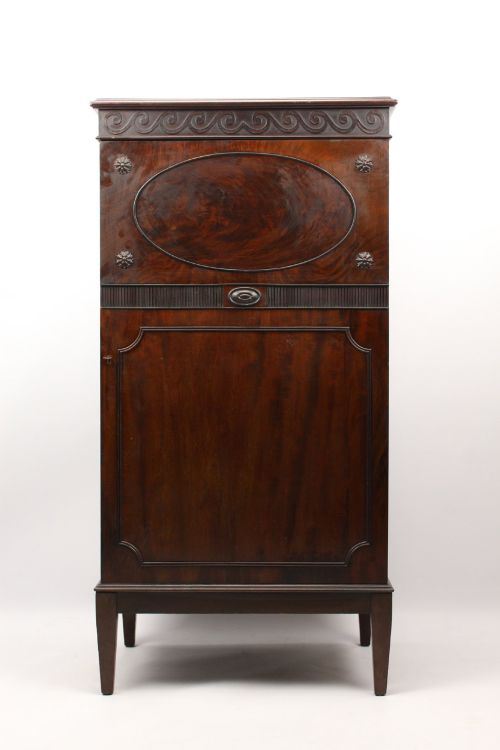
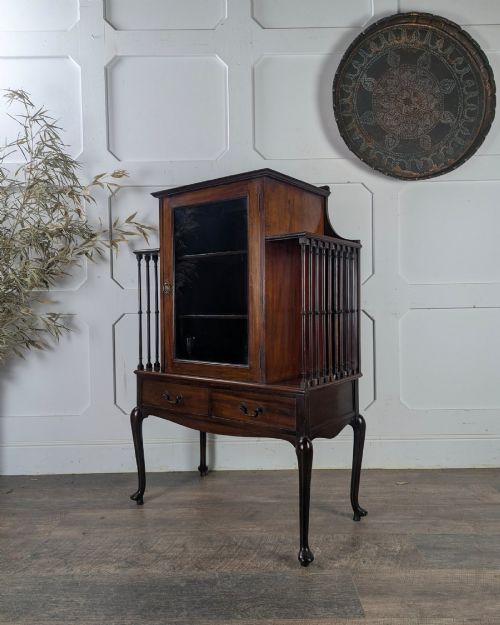
When you search for a vintage sheet music stand, you encounter a varied group of furnishings designed for holding scores, folios, and periodicals. The selection includes dedicated music cabinets, adjustable stands, and multi-tier canterburys spanning the Georgian, Victorian, and Edwardian periods.
You are most likely to meet mahogany and walnut canterburys or music cabinets featuring tiered compartments and drawers. These pieces reflect the domestic musical habits of the nineteenth and early twentieth centuries, serving utilitarian roles in period sitting rooms.
Materials and construction
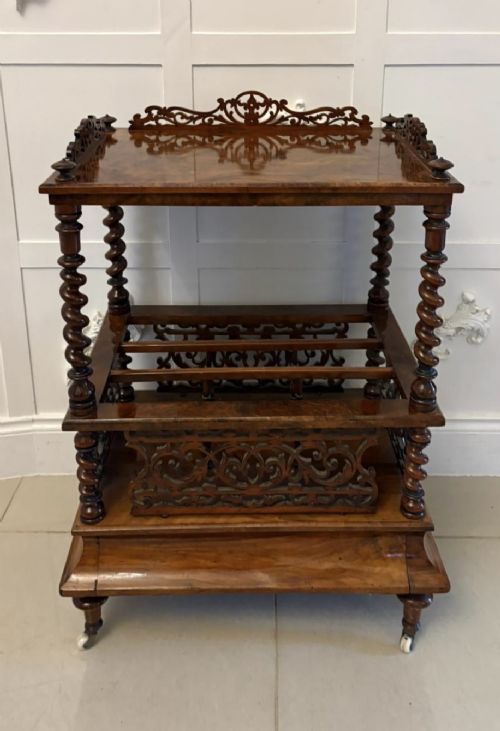
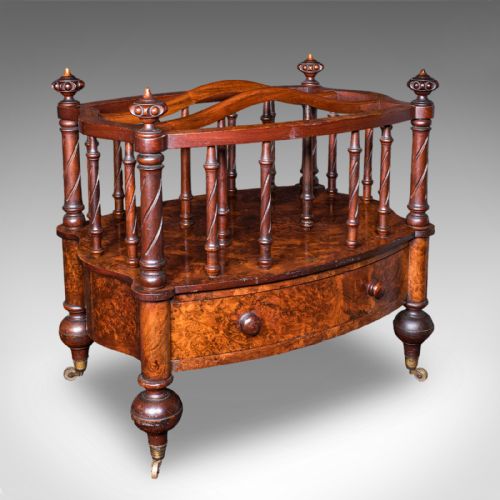
Cabinet makers utilised dense hardwoods such as mahogany, walnut, rosewood, and oak to construct these stands and cabinets. Burr walnut veneers and inlaid details frequently decorate the surfaces of Victorian and Edwardian examples.
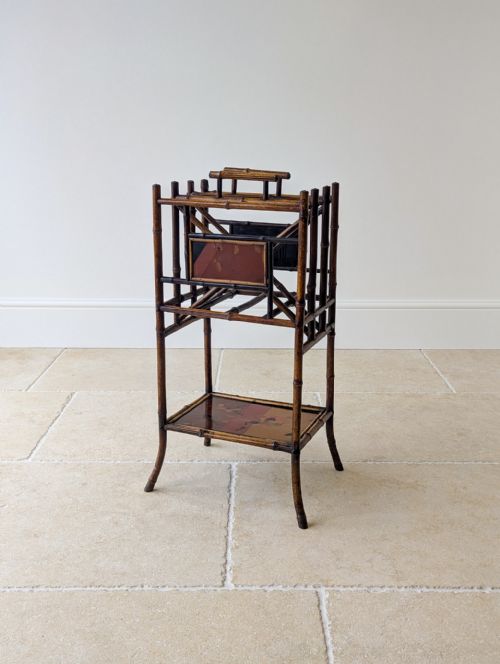
Metal components like brass appear on adjustable reading and music tables, alongside structural elements in bamboo and glass. Carving and joinery techniques define the period styles, from Regency boat shapes to Arts and Crafts designs.
Vintage Sheet Music Stand Retail Price Guide 2026
Typical asking prices for vintage sheet music stand among the pieces listed under this phrase on Sellingantiques today, from the lower quarter to the upper quarter. They describe what is for sale here now, not the wider market.
The inventory spans multiple design movements, encompassing Regency, Victorian, Edwardian, Arts and Crafts, and Aesthetic styles.
Assessing craftsmanship and condition
The distinction between standard production items and finer examples lies in the selection of timbers and the execution of decorative details. Pieces featuring burr walnut veneers, intricate inlay, or carved motifs such as lyres demonstrate higher workshop input.
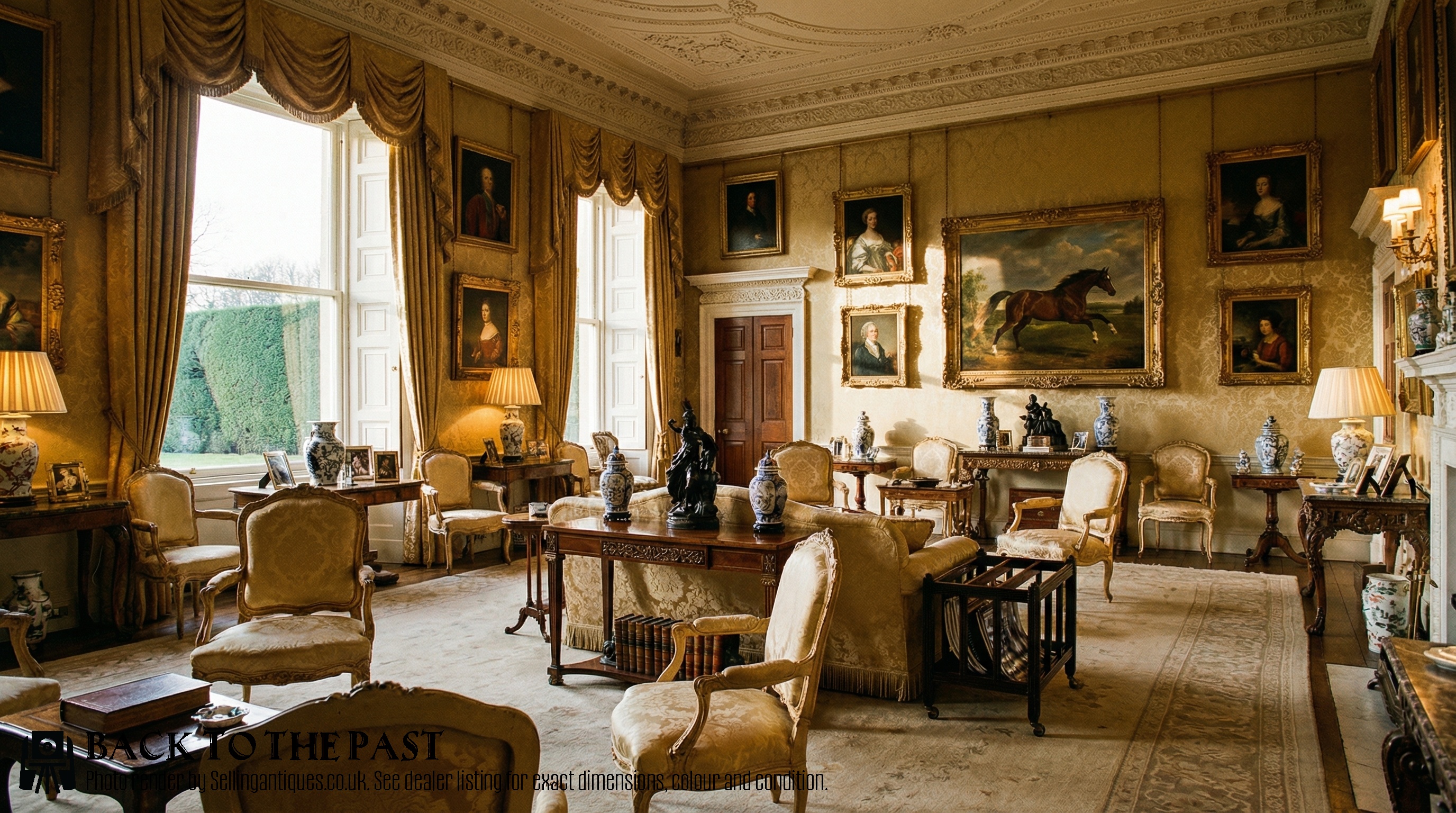
Functionality also separates the range, particularly in adjustable stands and lecterns where the mechanical brass fittings remain intact and operational. The choice of solid rosewood or finely figured mahogany elevates the standing of a canterbury or music cabinet.
GM Elwood for JS Henry·Denby and Spinks
The Vintage Sheet Music Stand Glossary
- Canterbury
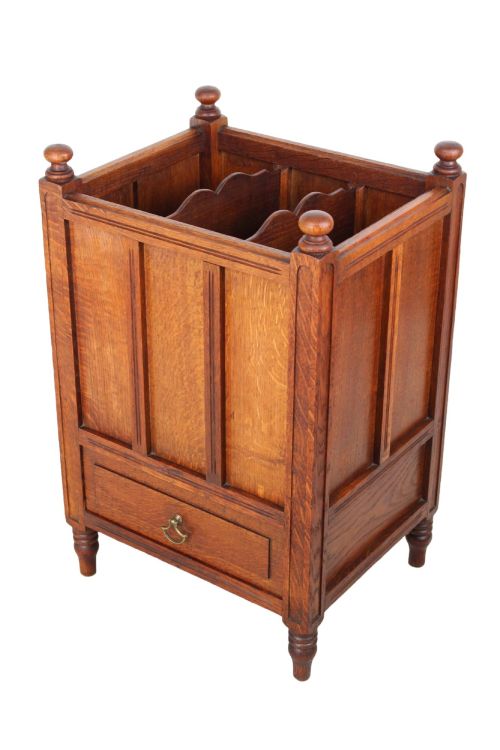
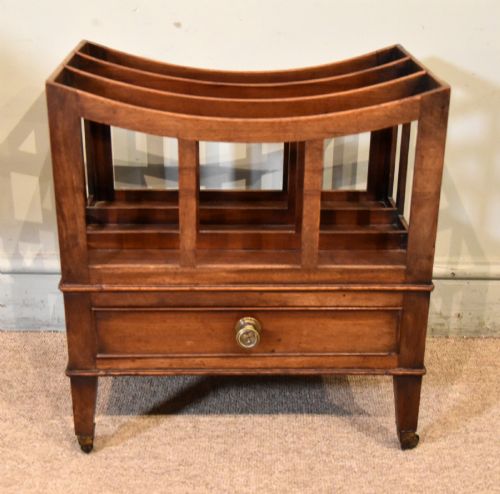
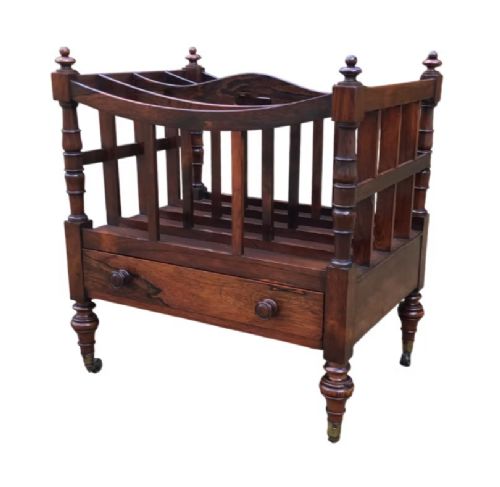
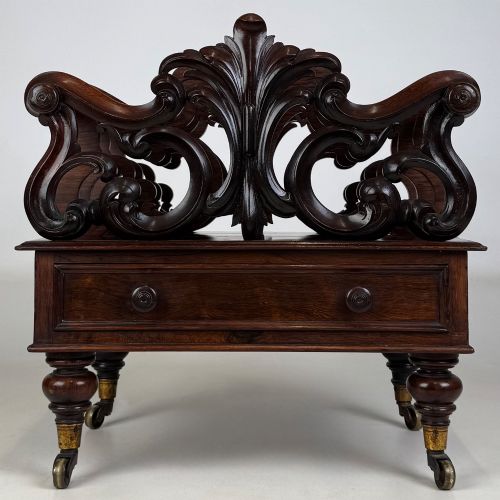
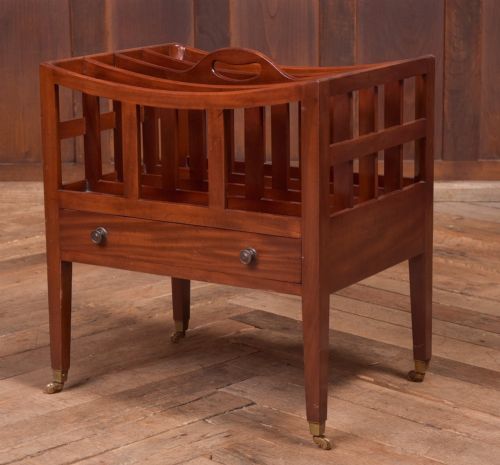
- A low, freestanding rack with slatted or partitioned sections designed to hold sheet music, magazines, or newspapers. These pieces often feature a single drawer beneath the main tier.
- Music Cabinet
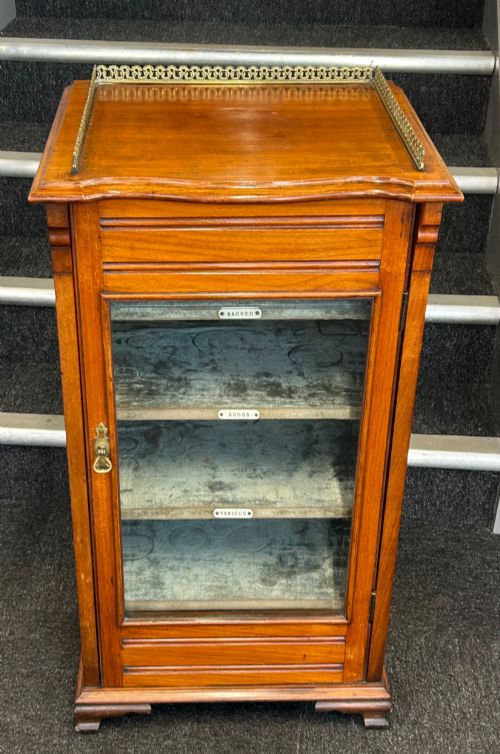
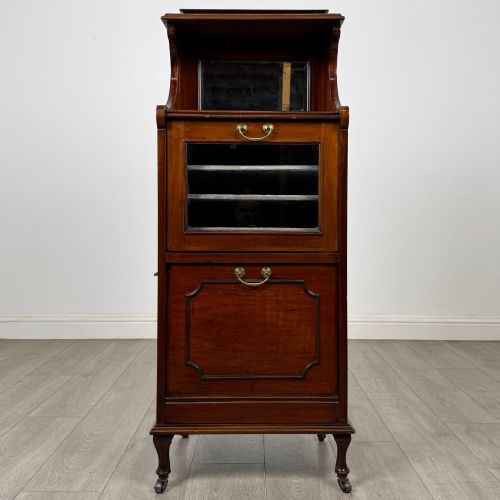
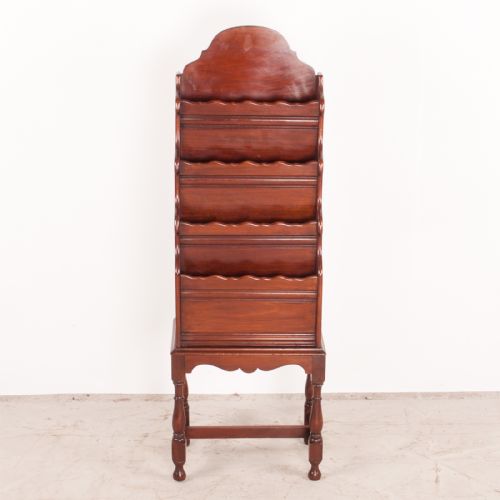
- An upright enclosed piece of furniture fitted with internal shelves or vertical filing spaces for organising scores. They appear frequently in Edwardian and Victorian forms.
- Duet Music Stand
- An adjustable stand configured to hold open two books or scores simultaneously for collaborative musicians. They date across Georgian and nineteenth-century periods.
- Aesthetic Movement
- A late nineteenth-century design style focusing on visual and material qualities, sometimes represented in bamboo or ebonised wood stands. It emphasised artistic expression over strict historical revival.
- Lyre-Shaped
- A decorative motif formed in the silhouette of a classical lyre, commonly incorporated into the central support or music rest of stands. This shape recurs across nineteenth-century examples.
Vintage Sheet Music Stand: Frequently Asked Questions
What is a canterbury used for?
A canterbury serves as a low, partitioned rack designed specifically for holding sheet music, folios, and periodicals close to an instrument or seating area.
Many examples also incorporate a small drawer beneath the open tiers to store smaller accessories or manuscript papers.
How do I date a music cabinet?
Dating relies on observing the primary timber, decorative style, and structural hardware. Mahogany and rosewood frequently point to earlier nineteenth-century periods, while oak and lighter walnut often indicate Edwardian manufacture.
Specific stylistic movements like Arts and Crafts or Aesthetic bamboo provide further chronological markers within the listings.
Are music stands fully adjustable?
Certain music stands and reading tables feature brass mechanisms that allow the height and angle of the rest to be altered. These adjustable designs are typically found on freestanding nineteenth-century lecterns and duet stands.
Stationary cabinets and standard canterburys do not possess adjustable components.
Where were these stands placed?
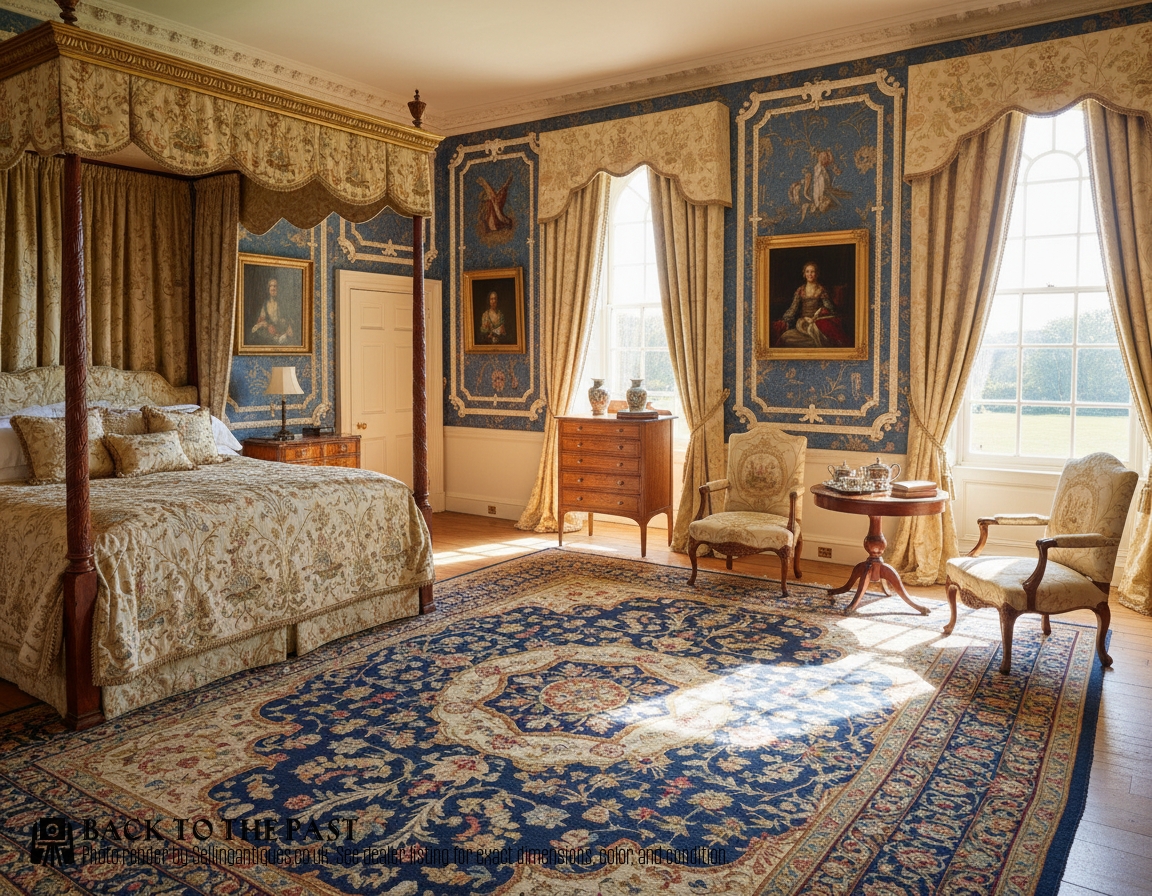
These stands functioned primarily in domestic parlours, drawing rooms, and music rooms alongside pianos and seating arrangements. They kept working scores and current periodicals organised and immediately accessible for performers.
Their decorative cabinet forms also allowed them to function as occasional tables or display surfaces.