


Vintage Satinwood Table
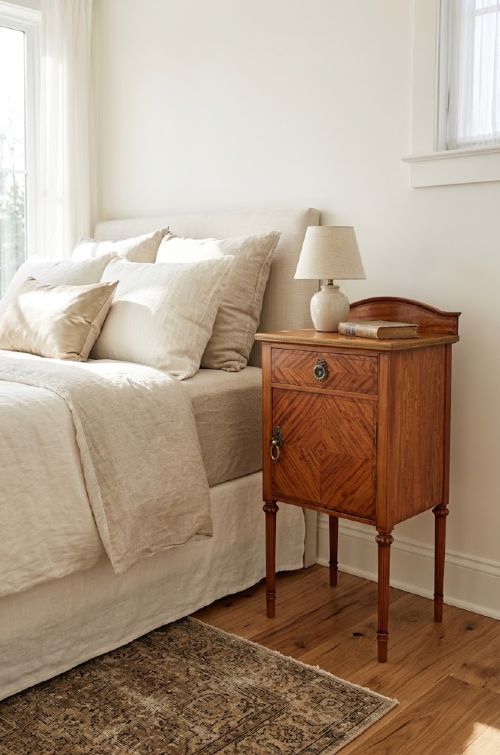
A vintage satinwood table brings a luminous, golden warmth to a room through its pale timber and careful joinery.
Vintage Satinwood Table
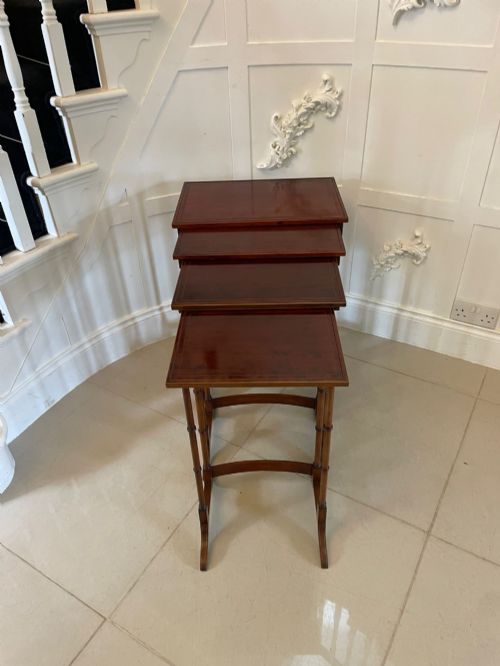
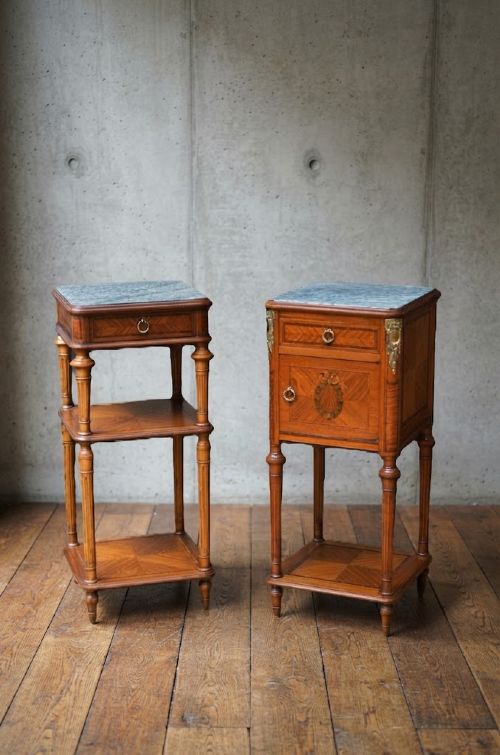
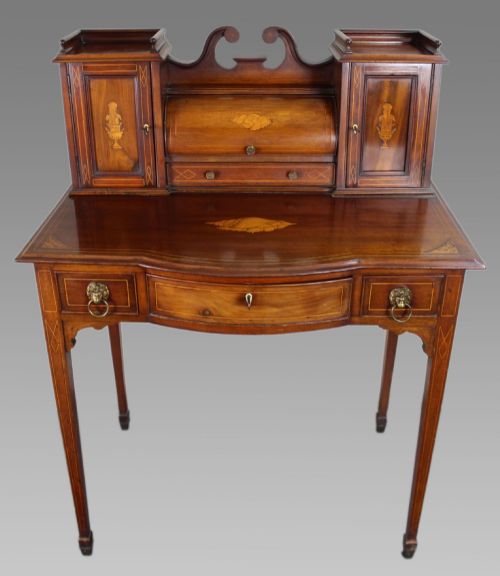
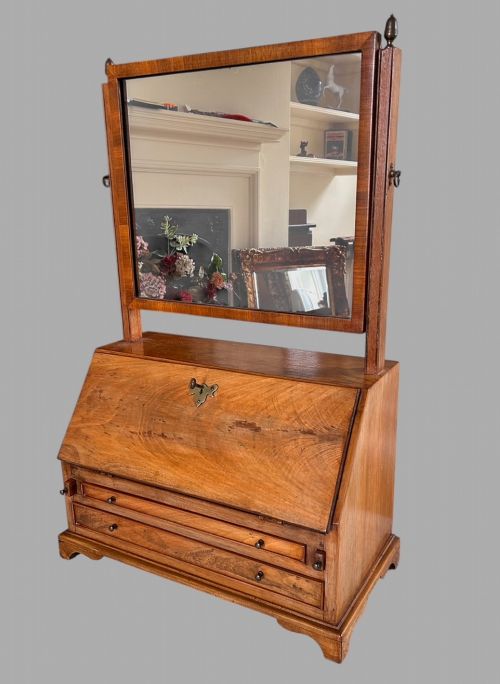
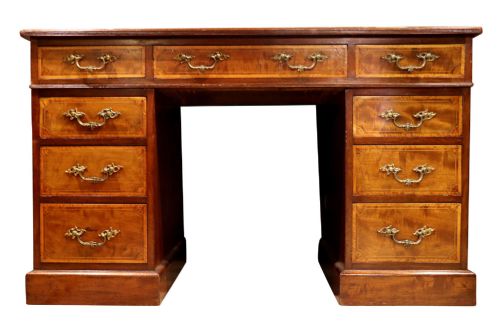
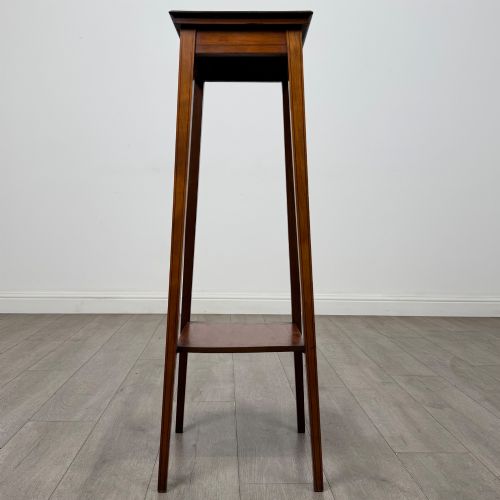
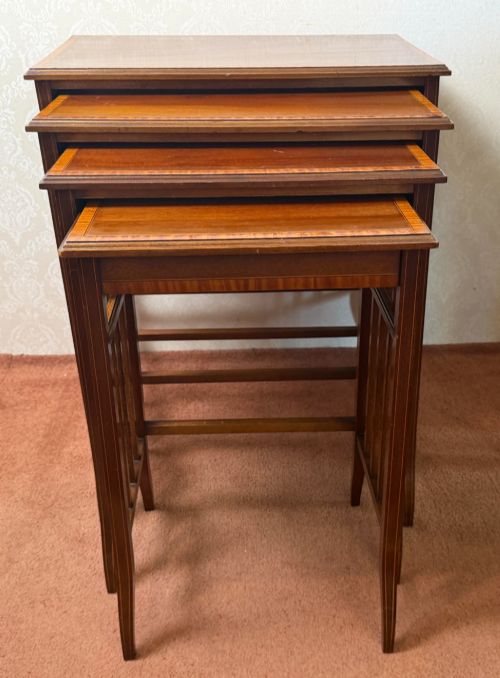
When you search for a vintage satinwood table, you encounter pieces spanning from the nineteenth century through the Edwardian era and into Art Deco designs. The selection includes occasional tables, nests of tables, and writing desks, alongside bedside cabinets and plant stands.
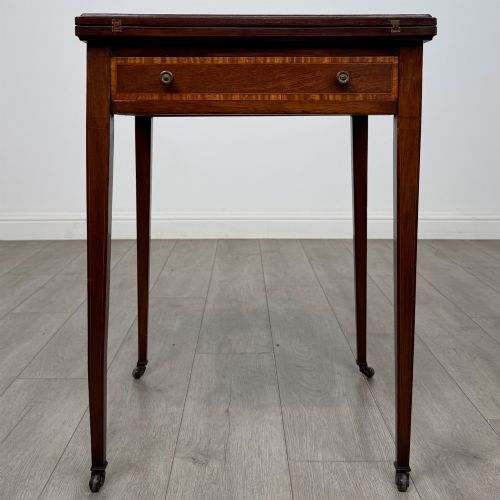
Edwardian examples frequently combine satinwood with mahogany inlay, reflecting a revival of earlier classical taste. Pieces emerge from various decades, including the 1880s, 1900s, and 1930s, showing both British craftsmanship and French revival influences.
Materials and construction
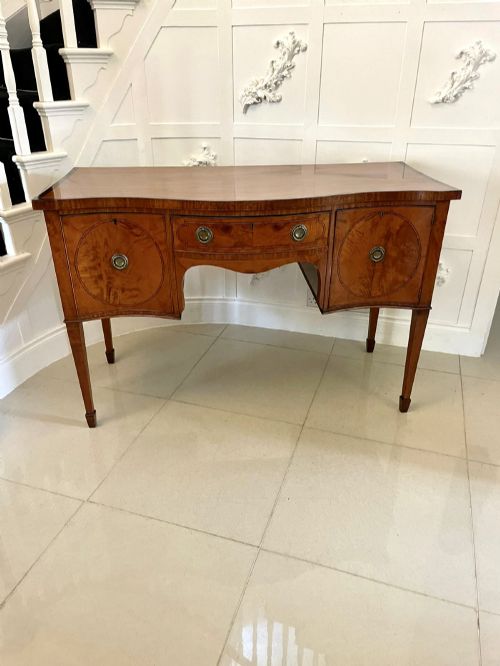
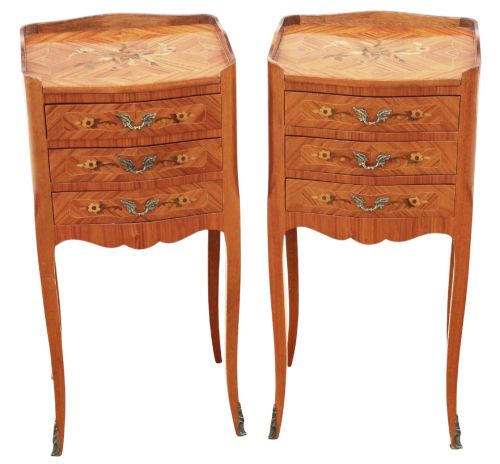
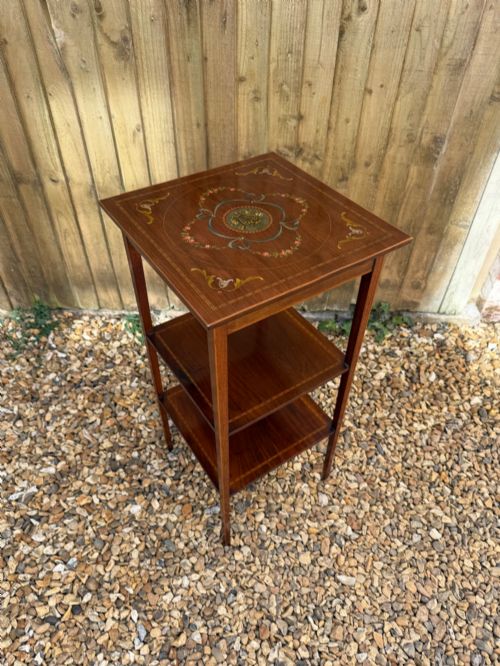
Cabinet makers utilised satinwood veneers alongside solid mahogany, walnut, and maple to construct these tables and desks. Surfaces frequently display intricate cross banding, marquetry, and painted floral decoration.
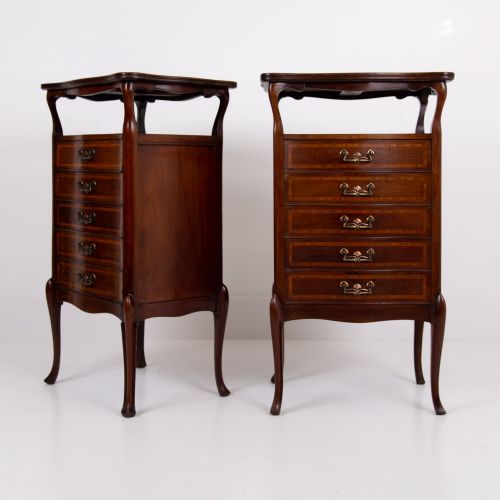
Additional hardware such as brass galleries, leather inserts, glass, and ormolu mounts appear across the periods. Construction methods rely on traditional joinery to support inlaid tops and tapered legs.
Judging the standard
Quality separates through the precision of the timber matching and the crispness of the inlay work. Finer examples display meticulous attention to detail in the marquetry and hand-painted motifs.
The integrity of the structural frame and the retention of original hardware, such as brass fittings and leather tops, distinguish superior pieces from standard workshop output.
Edwards and Roberts·Morant and Co·Waring and Gillows
The Vintage Satinwood Table Glossary
- Satinwood
- A dense, durable hardwood yielding a lustrous, yellow-gold sheen that takes a high polish. It forms the primary visual feature of these tables and desks.
- Marquetry
- Decorative patterns formed by fitting together small pieces of veneer into wooden panels. Artisans use this technique to create floral or geometric designs on tabletops.
- Cross banding
- A narrow strip of veneer laid around the border of a table top with the grain running perpendicular to the centre. This frames the primary timber.
- Ormolu
- Gilded bronze used for decorative mounts and feet on furniture. It provides a bright metallic contrast to the pale wood.
- Etagere
- A set of open shelves for displaying small objects. These tiered stands utilise lightweight frames and polished timbers.
Vintage Satinwood Table: Frequently Asked Questions
How do I date a satinwood table?
Dating relies on stylistic clues, construction techniques, and materials recorded in the specific design. Edwardian pieces often show lighter mahogany framing with delicate painted decoration, whereas nineteenth-century items display heavier proportions and distinct inlay patterns.
Examining the underside and interior timber helps confirm the period of manufacture. Secondary woods like pine or oak inside drawers provide further chronological context.
Where were these tables used?
These tables served various domestic functions in drawing rooms, bedrooms, and studies. Occasional tables and nests sat beside seating for tea or decorative display, while smaller cabinets functioned as bedside nightstands.
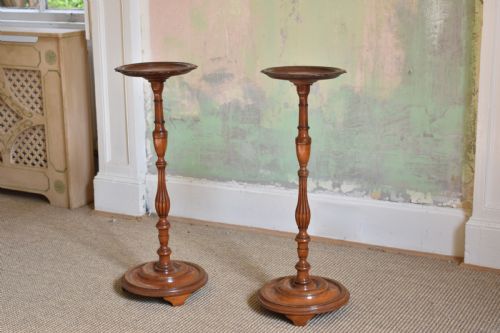
Larger desks and writing tables provided dedicated spaces for correspondence. Plant stands and etageres occupied corners and hallways to hold ornaments.
How do I care for satinwood?
Maintaining satinwood involves keeping surfaces away from direct sunlight and excessive moisture to prevent fading and veneer lifting. Regular dusting with a soft, dry cloth preserves the polished finish.
Occasional application of appropriate furniture wax nourishes the timber without building up heavy residues. Avoid silicone-based polishes that can damage antique finishes.
What is Sheraton revival style?
Sheraton revival furniture draws inspiration from the late eighteenth-century designs of Thomas Sheraton. These pieces feature symmetrical forms, tapered legs, and refined satinwood inlay.
Edwardian makers frequently adopted this style to create lighter, elegant tables and desks. The aesthetic emphasises clean geometry and balanced proportions.