

Hand Painted Tables
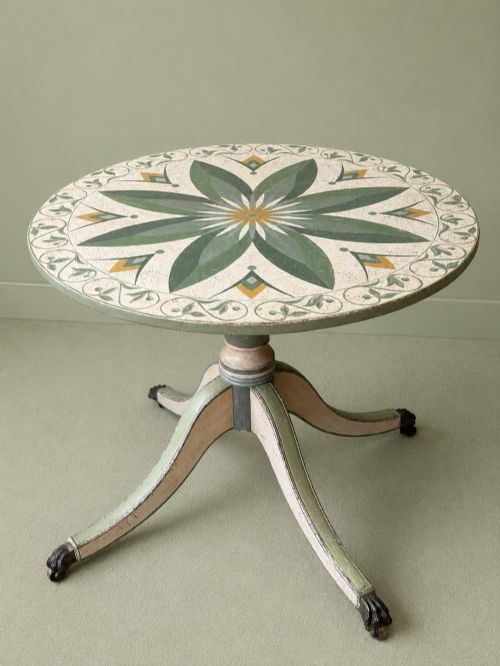
Hand painted tables bring surface decoration to domestic furniture, spanning Victorian and Edwardian periods with Chinoiserie and floral motifs.
Hand Painted Tables
Hand painted tables encompass various forms including side tables, coffee tables, occasional tables, and dressing tables produced across the nineteenth and twentieth centuries. These pieces frequently incorporate styles such as Chinoiserie, Rococo Revival, and Anglo-Indian designs.
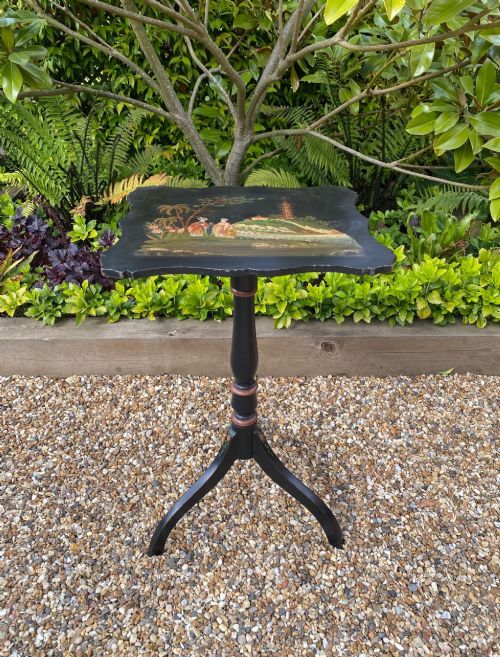
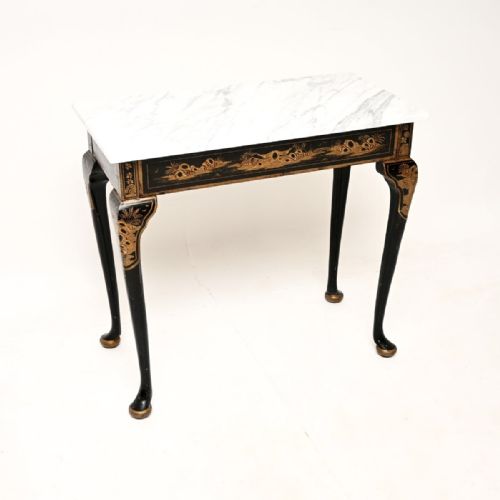
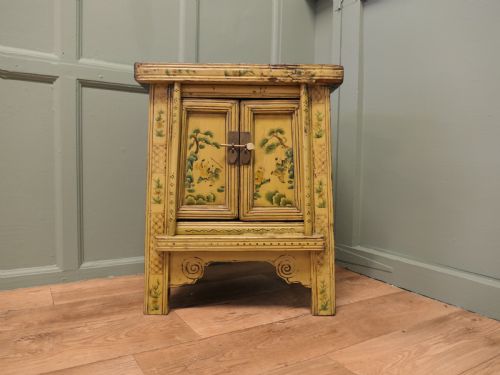
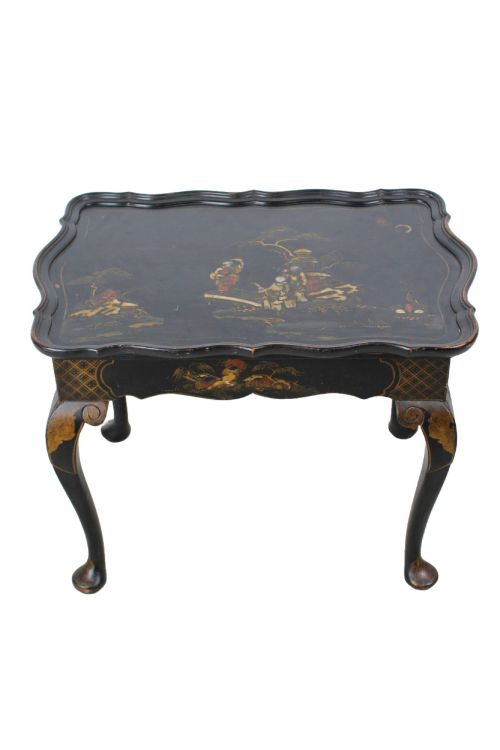
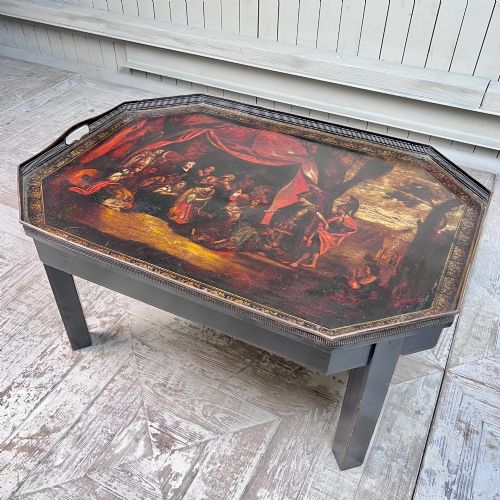
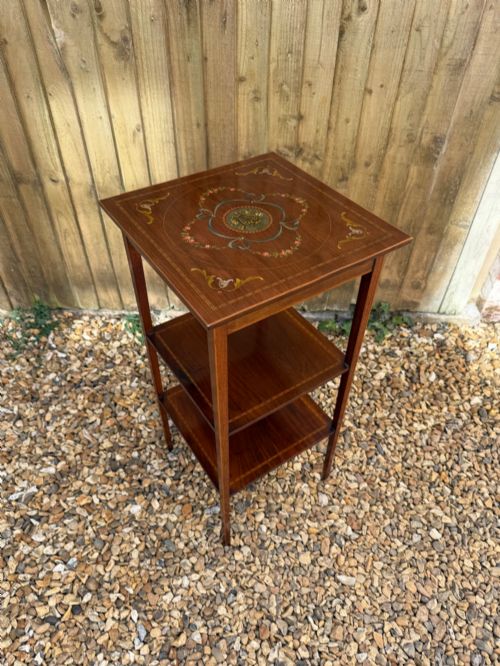
The version most commonly encountered on this page is the occasional or side table decorated with lacquer or paint, often drawing on Eastern ornamentation or floral subjects. Such pieces range from Victorian tilt-top formats to Edwardian tray-top coffee tables and Kashmiri painted examples.
Materials and construction
Makers utilised wood, lacquer, paint, and sometimes papier-mâché or satinwood as substrates for intricate brushwork. Application of gold leaf and brass mounts frequently accented the painted surfaces.
Techniques combined traditional cabinet making with detailed surface artistry, utilising layers of lacquer or paint to build durable yet decorative panels. Many pieces integrate applied pictorial scenes, ranging from oriental landscapes to delicate floral arrangements.
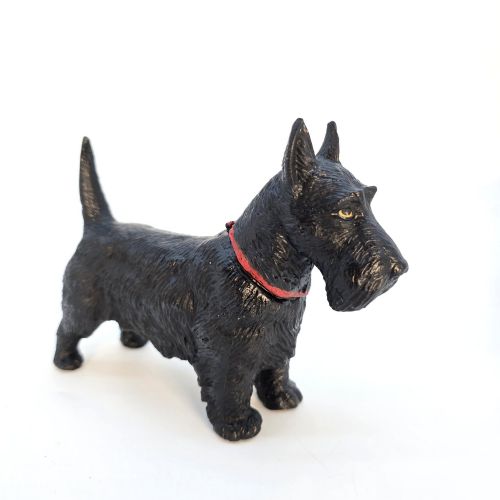
Cast metal Scottie dogs occasionally found a second calling as table lighters.
Distinctions in quality
Quality rests upon the execution of the brushwork and the stability of the underlying timber or lacquer foundation. Finer items display controlled, deliberate brushstrokes and cohesive composition within the painted scenes, whereas lesser pieces show rushed or mechanical application.
The integrity of the surface finish dictates value, with well-preserved lacquer or polished paintwork marking superior examples. Age-related wear naturally occurs, but the original clarity of the decorative scheme remains the primary measure of excellence.
Elliott London·KPM Berlin·Royal Worcester
The Hand Painted Tables Glossary
- Japanned
- European-made lacquerware designed to emulate Japanese or Chinese export lacquer. The technique involves applying multiple coats of varnish and paint, frequently finished with metallic powder highlights.
- Étagère
- A piece of furniture consisting of open shelves for displaying small objects or ornaments. These tables typically feature multiple tiers supported by slender columns or legs.
- Tilt-top table
- A small occasional table with a tabletop that can be pivoted into a vertical position when not in use. This mechanism allowed for compact storage against room walls.
- Papier-mâché
- A composite material consisting of paper pieces or pulp reinforced with glue or paste, moulded and dried. It formed a smooth ground suitable for painted and lacquered decoration.
Hand Painted Tables: Frequently Asked Questions
What periods do these tables represent?
The listings encompass items produced from the nineteenth century through the early twentieth century, including Victorian and Edwardian examples alongside later twentieth-century interpretations.
Stylistic shifts reflect changing tastes, moving from formal Victorian revival designs to lighter Edwardian formats and imported Kashmiri or continental pieces.
How do I identify Chinoiserie decoration?
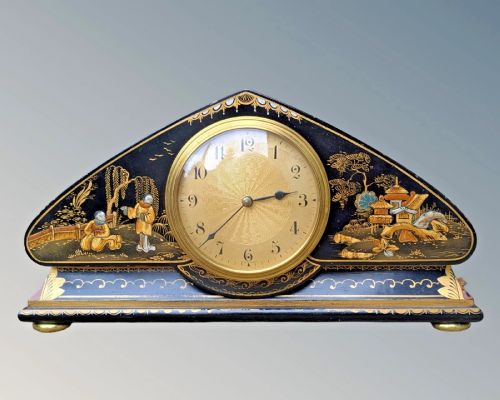
Chinoiserie involves European interpretations of East Asian motifs, typically rendered in gold or coloured paint upon a dark lacquer background.
Look for characteristic pictorial elements such as pagodas, exotic figures, bridges, and floral motifs arranged in decorative panels across the table surface.
Where were these tables used originally?
These pieces functioned as occasional, side, or coffee tables within principal rooms of the home, serving practical roles while displaying decorative finishes.
They were positioned to hold small lamps, writing equipment, or decorative objects, contributing to the layered interiors of Victorian and Edwardian households.
How should I care for a painted wooden surface?
Maintenance requires keeping painted and lacquered tables away from direct sunlight and extreme fluctuations in temperature or humidity.
Dust gently with a soft, dry cloth and avoid chemical cleaning agents that might degrade the historic paint layers or lacquer finishes.