
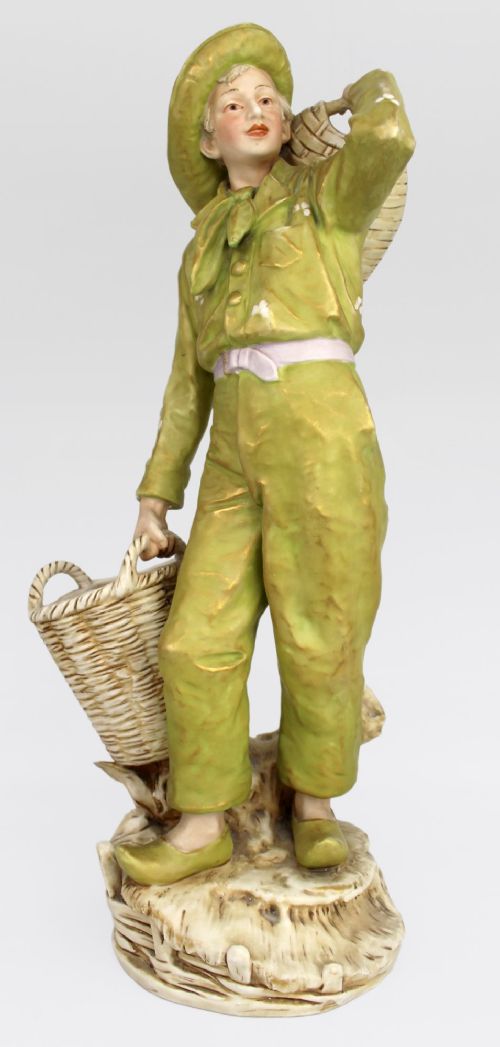


Vintage Royal Dux Figure
A vintage royal dux figure brings expressive Bohemian ceramic artistry into a room, offering sculptural grace from the Edwardian and Art Deco eras.
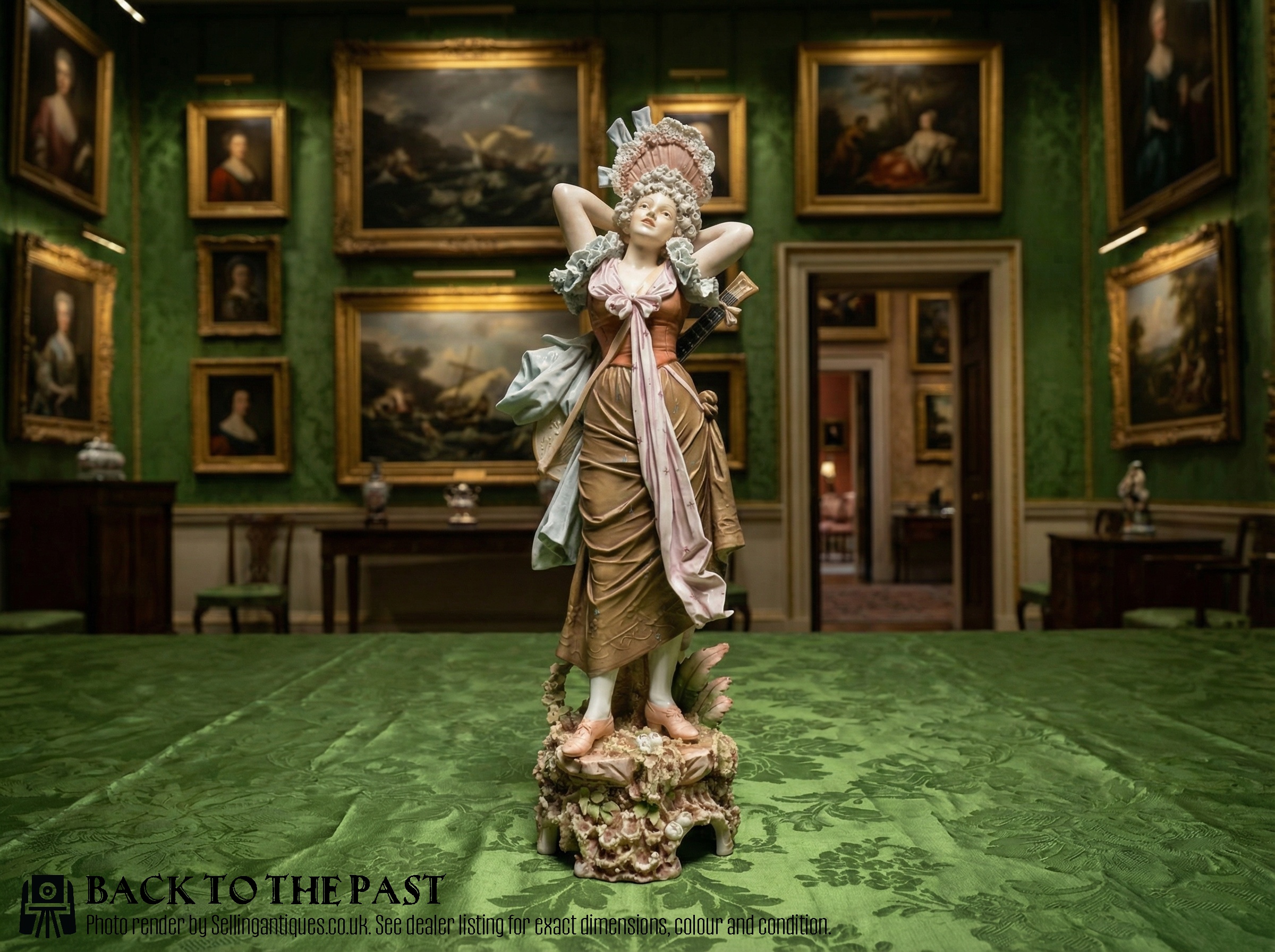
Vintage Royal Dux Figure
When searching for a vintage royal dux figure, collectors encounter sculptural porcelain and ceramic works originating from Bohemia across the late nineteenth, Edwardian, and early twentieth centuries. These pieces encompass decorative figurines, statuettes, and large sculptural groups depicting human figures such as maidens, water carriers, fishermen, shepherdesses, and flapper girls.
Buyers most commonly meet Edwardian models and pieces dated around nineteen-ten, often marked by distinct numbering systems or sculptural model numbers such as ten-zero-nine.
How they were made
Makers utilised ceramic materials primarily centered on porcelain, biscuit porcelain, and unglazed bisque, shaped into intricate figurines and statuettes. Surface decoration relies on applied glaze, enamel work, and subtle touches of gold leaf or gilt.
Modelling required specialist sculptors to capture the flowing lines of Art Nouveau drapery and the geometric angles of later Art Deco subjects. Individual workshops applied distinctive pink triangular earthen marks to authenticate the porcelain output.
Puppies and kittens frequently share sculptural space with bewildered hounds and stately maidens.
What varies in quality
Quality rests in the crispness of the modelling and the sensitivity of the hand-painted enamel and gilt details across the porcelain surface. Monumental or large figures demonstrate greater technical ambition from the Bohemian kilns than standard tabletop statuettes.
The sophistication of the period style, whether fluid Art Nouveau curves or clean Art Deco lines, dictates the visual impact of each individual sculpture.
H Schubert·Alois Hampel·Eichwald
The Vintage Royal Dux Figure Glossary
- Biscuit porcelain
- Unglazed ceramic fired once to produce a matte, porous white surface that highlights fine sculptural detail. This material appears frequently on early figures.
- Bisque
- A term interchangeable with biscuit porcelain, describing unglazed ceramic bodywork used for soft texture on figurines. It absorbs enamel pigments distinctively.
- Art Nouveau
- A decorative style characterised by flowing, organic lines and natural motifs, prominent in Edwardian Bohemian figures. It influences the posture of maiden and water carrier sculptures.
- Art Deco
- A later twentieth-century design movement favouring geometric symmetry, streamlined forms, and stylised human subjects. Flapper girl figures represent this aesthetic.
- Gilt
- A thin layer of gold applied to ceramic surfaces to accentuate borders and decorative elements. It catches ambient light on garments and accessories.
Vintage Royal Dux Figure: Frequently Asked Questions
How do I identify a genuine piece?
Look for the characteristic pink triangular ceramic mark embedded in the base of the porcelain, alongside impressed model numbers.
Familiarity with the period styles, from Edwardian Orientalism to Art Deco, helps confirm the authenticity of the modelling.
Where were these figures made?
Production took place in Bohemia, located within the historical Austro-Hungarian Empire, utilising local clay and skilled ceramicists.
Export networks distributed these Bohemian porcelain sculptures widely across Europe and Britain.
What subjects are most common?
Human figures dominate the production, including graceful maidens, water carriers, fisherfolk, and agricultural workers.
Animal subjects such as hunting dogs, setters, and domestic pets also appear regularly in the material record.
How should I clean my porcelain figure?
Dust the surface gently with a soft, dry brush to prevent accumulation in the crevices of the bisque or glazed porcelain.
Avoid using liquid cleaners or abrasive cloths that might damage delicate enamel work and gold leaf applications.