

Vintage Royal Doulton
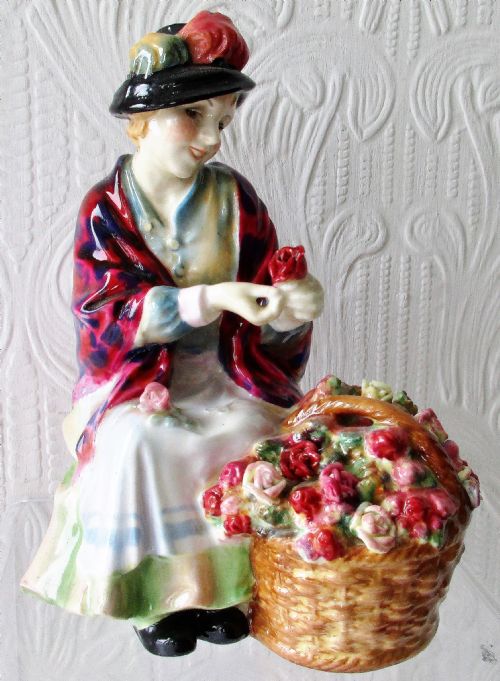
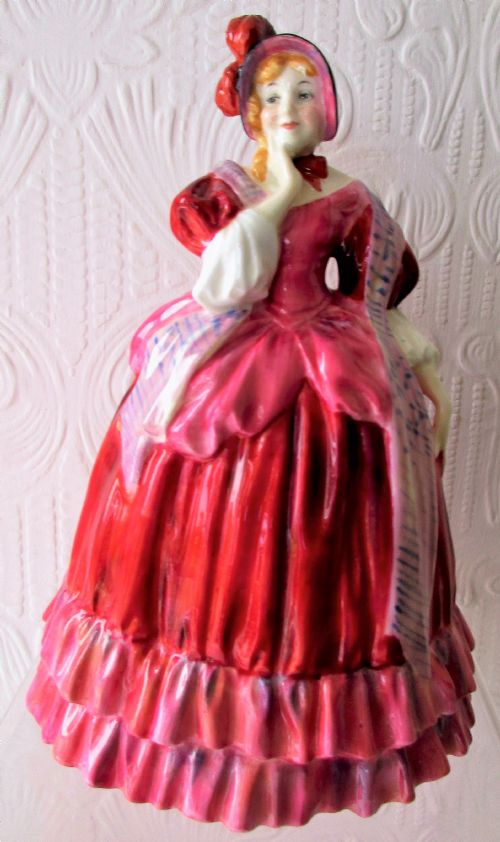
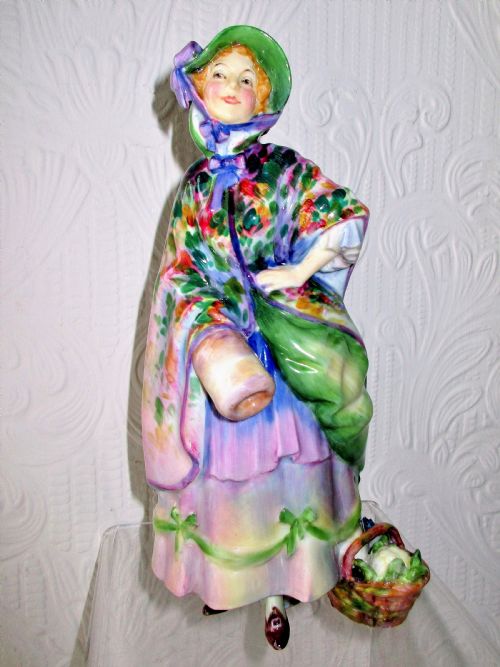
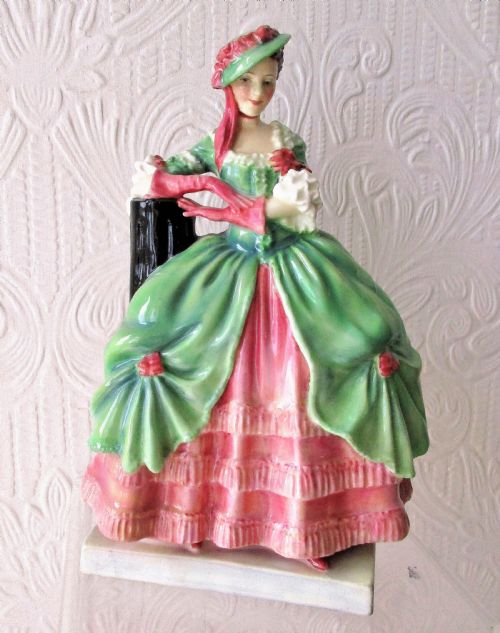
Vintage royal doulton pieces span decorative figurines, painted cabinet plates and salt glaze jugs from the Victorian era through the mid-twentieth century.
Vintage Royal Doulton
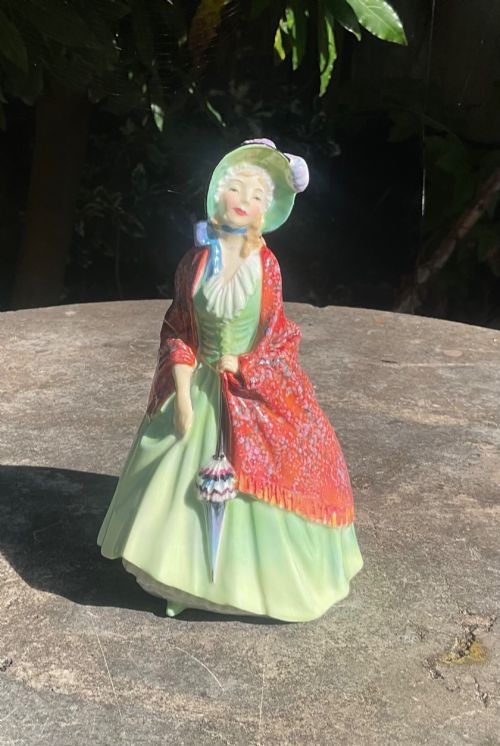
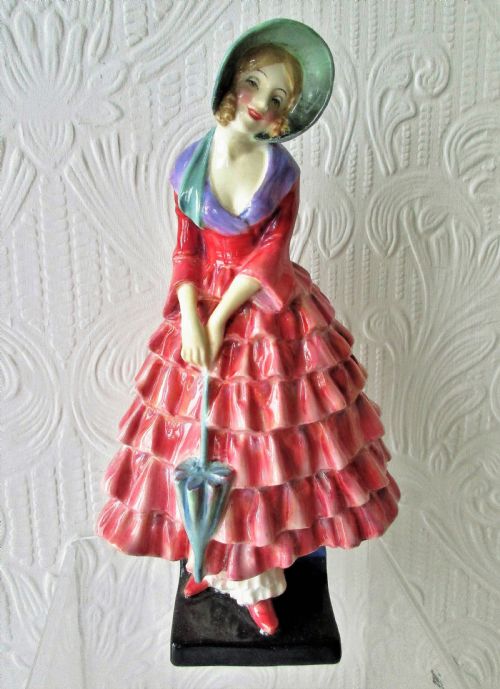
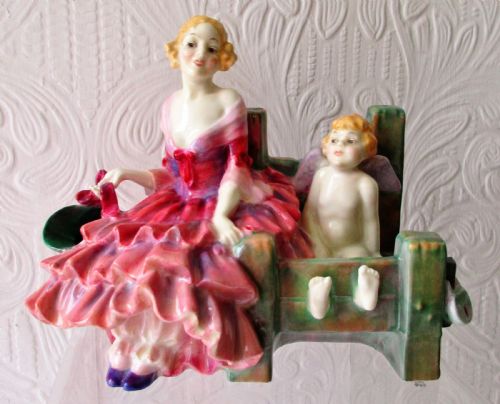
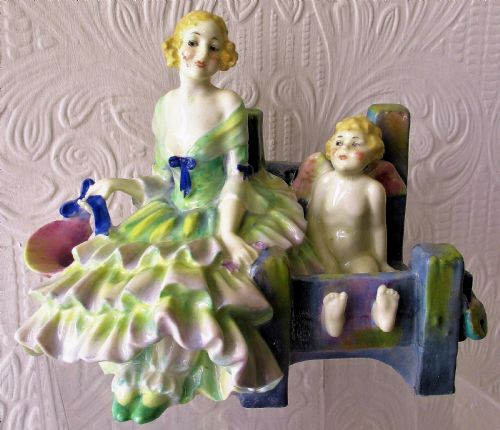
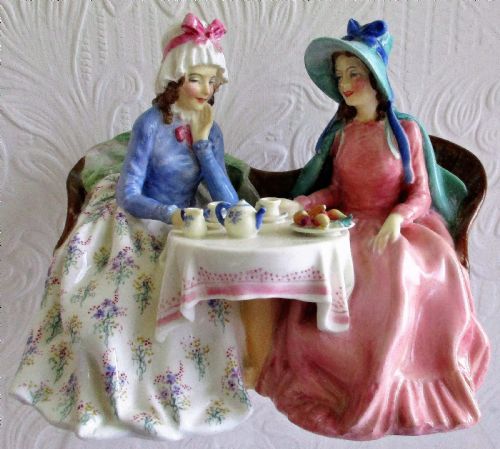
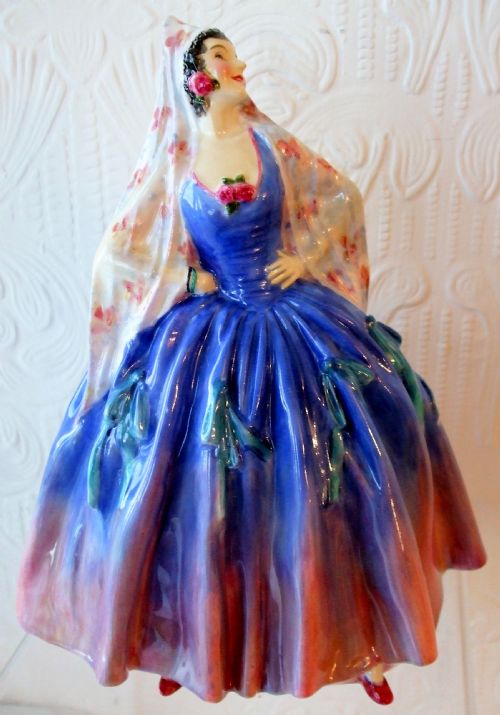
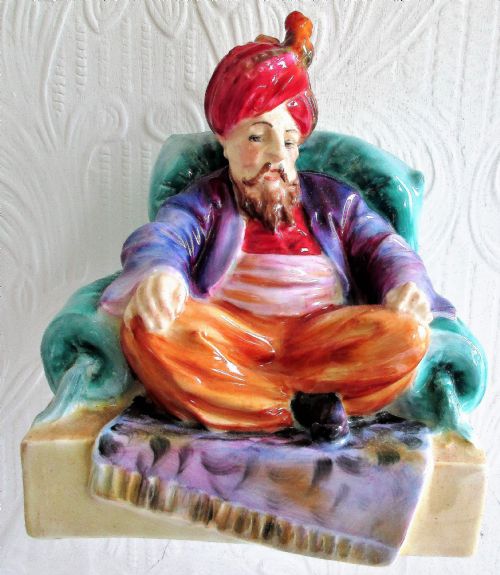
Vintage royal doulton encompasses a broad spectrum of English ceramic production, originating from workshops that transitioned from utilitarian salt glaze saltware to elaborate art pottery and fine bone china. When exploring vintage royal doulton, buyers encounter everything from robust stoneware jugs created by Doulton Lambeth to delicate painted figurines and cabinet plates.
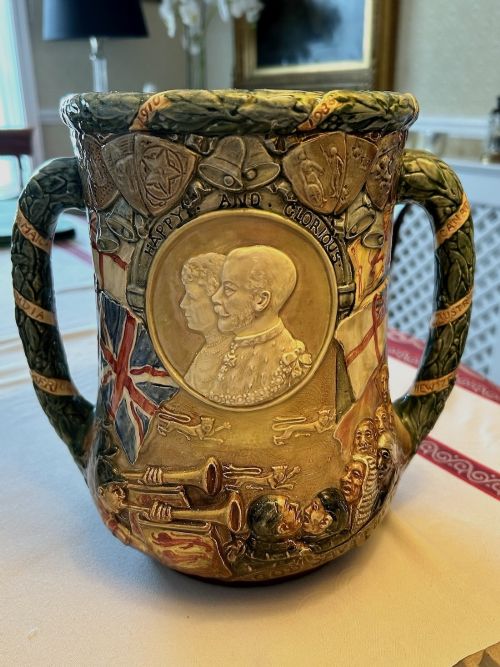
The objects most frequently met on this page date from the late nineteenth century up to the 1940s, capturing distinct stylistic shifts. Pieces range from Victorian commemorative jugs and Edwardian floral dishes to Art Nouveau vases and Art Deco series ware, reflecting changing domestic tastes across several decades.
Materials and techniques
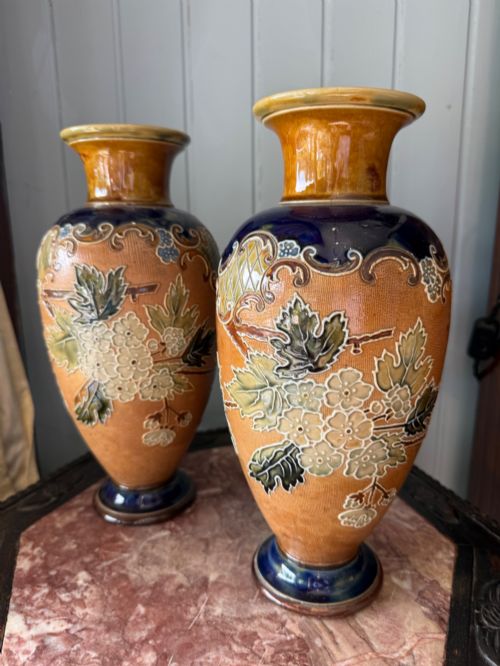
Potters utilised varied foundations including heavy stoneware, earthenware, bone china and English porcelain, applying specialist glazes to achieve specific surface textures. Salt glaze techniques produced durable vessels with characteristic dimpled orange peel textures, while finer porcelain bodies supported intricate hand painting and enamel floral decor.
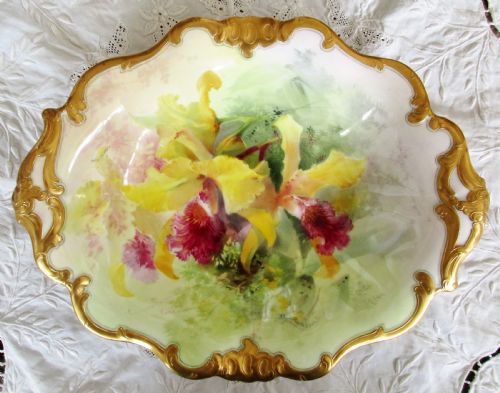
Decoration often involved skilled artists hand painting direct onto the ceramic body, sometimes supplemented by specialised patent applications such as Slater's lace texture backgrounds. Gilt accents and coloured grounds were carefully fired to secure the pigments before final glazing.
Vintage Royal Doulton Retail Price Guide 2026
Typical asking prices for vintage royal doulton among the pieces listed under this phrase on Sellingantiques today, from the lower quarter to the upper quarter. They describe what is for sale here now, not the wider market.
Art Nouveau and Arts and Crafts aesthetics appear frequently across early twentieth century vases and jardiniere pots.
Evaluating craftsmanship
Quality in these ceramics rests heavily on the execution of the painting and the complexity of the modelling, particularly in figurative works where facial expression and hand gestures define the piece. Named artist involvement, such as pieces worked by David Dewsberry or Joseph Birbeck Senior, elevates the standing of an item above standard factory output.
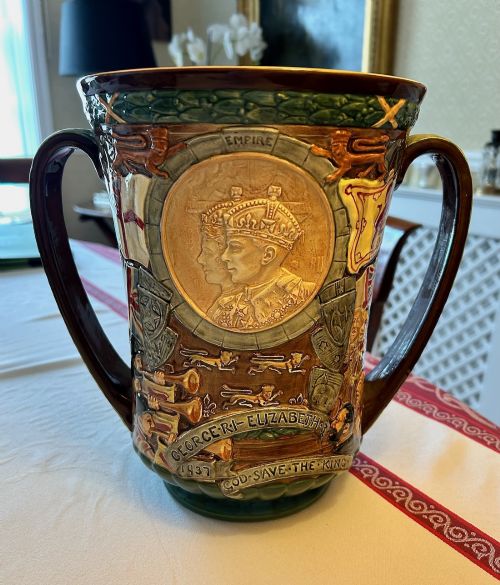
The crispness of moulded details and the richness of the glaze application distinguish superior examples from simpler production runs. Early Doulton Lambeth stonewares and limited edition commemorative loving cups demonstrate the peak of technical control achieved by the workshops.
Doulton Lambeth·David Dewsberry·Joseph Birbeck Senior·Ethel Beard
The Vintage Royal Doulton Glossary
- Bone china
- A type of porcelain incorporating animal bone ash that produces a strong, slightly translucent body suitable for detailed figurines and cabinet plates.
- Stoneware
- A robust, vitrified ceramic fired at high temperatures that renders the material impermeable even before glazing, commonly seen in Doulton Lambeth pieces.
- Series ware
- Commercially produced tableware and decorative items decorated with consistent pictorial themes, such as literary scenes or gnomes, designated by specific pattern numbers.
- Salt glaze
- A historic firing technique where common salt thrown into the kiln vapourises to form a glossy, durable finish with a pitted texture upon the stoneware body.
- Jardiniere
- A large ceramic pot or planter designed to hold growing plants, frequently ornamented with floral reliefs or Art Nouveau motifs.
Vintage Royal Doulton: Frequently Asked Questions
What periods do these pieces cover?
The items span from the Victorian era and the late nineteenth century through Edwardian times and into the 1930s and 1940s. This timeline captures the evolution from utilitarian stoneware to refined porcelain.
Art Nouveau and Art Deco styles emerge strongly in the early twentieth century alongside traditional commemorative wares.
How do I identify Doulton Lambeth?
Doulton Lambeth items typically feature heavier stoneware bodies with distinctive impressed marks and textured surfaces resulting from salt glazing or Slater's patent techniques.
These pieces often lean towards utilitarian origins or architectural art pottery rather than fine dining china.
Were these items painted by hand?
Many premier pieces, including specific cabinet plates and vases, were individually painted by named artists associated with the pottery. Signatures or attributions often appear on the underside or alongside the main design.
Figurines also benefited from hand painting on top of moulded porcelain blanks.
How should I display cabinet plates?
Cabinet plates and dishes are typically exhibited on dedicated stands or mounted securely on walls to showcase the painted scenes and decorative borders. Keeping them away from direct sunlight preserves the vibrancy of the enamel and gilt highlights.
Sandwich plates and dishes can also serve functional roles during formal tea gatherings.