
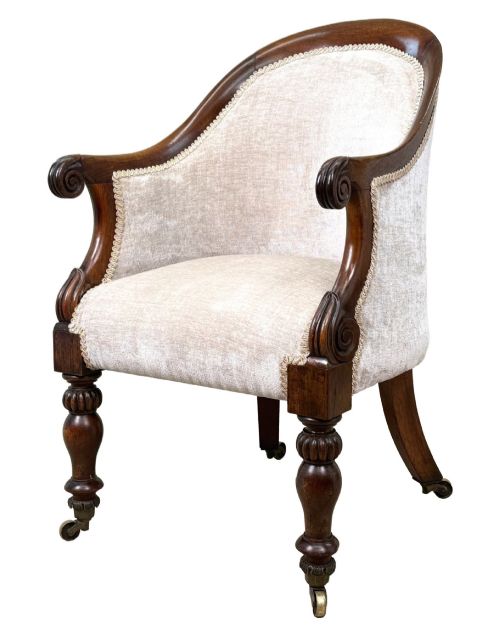
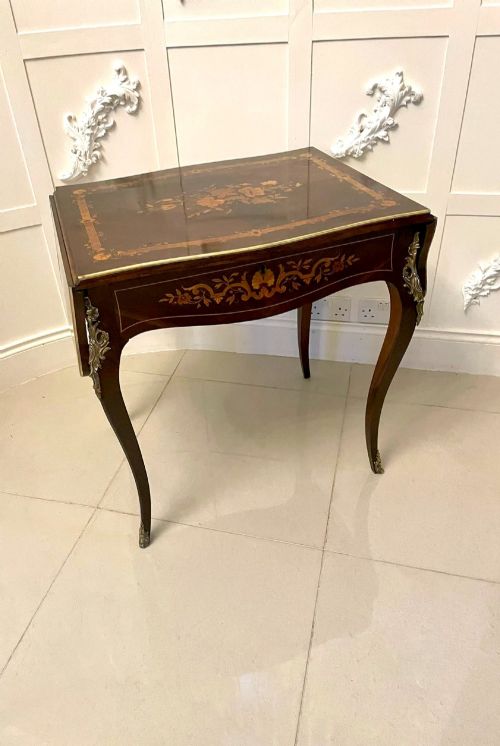
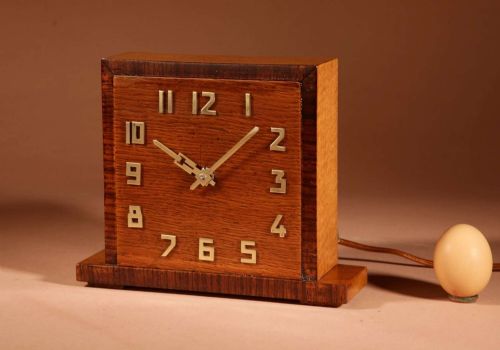

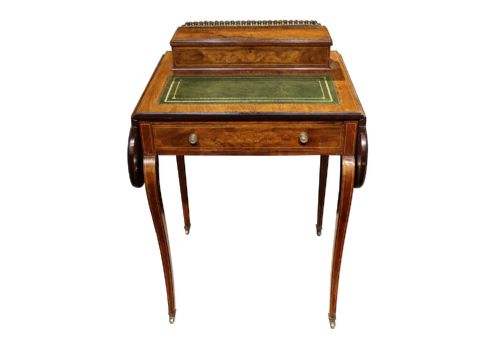
Vintage Rosewood Desk
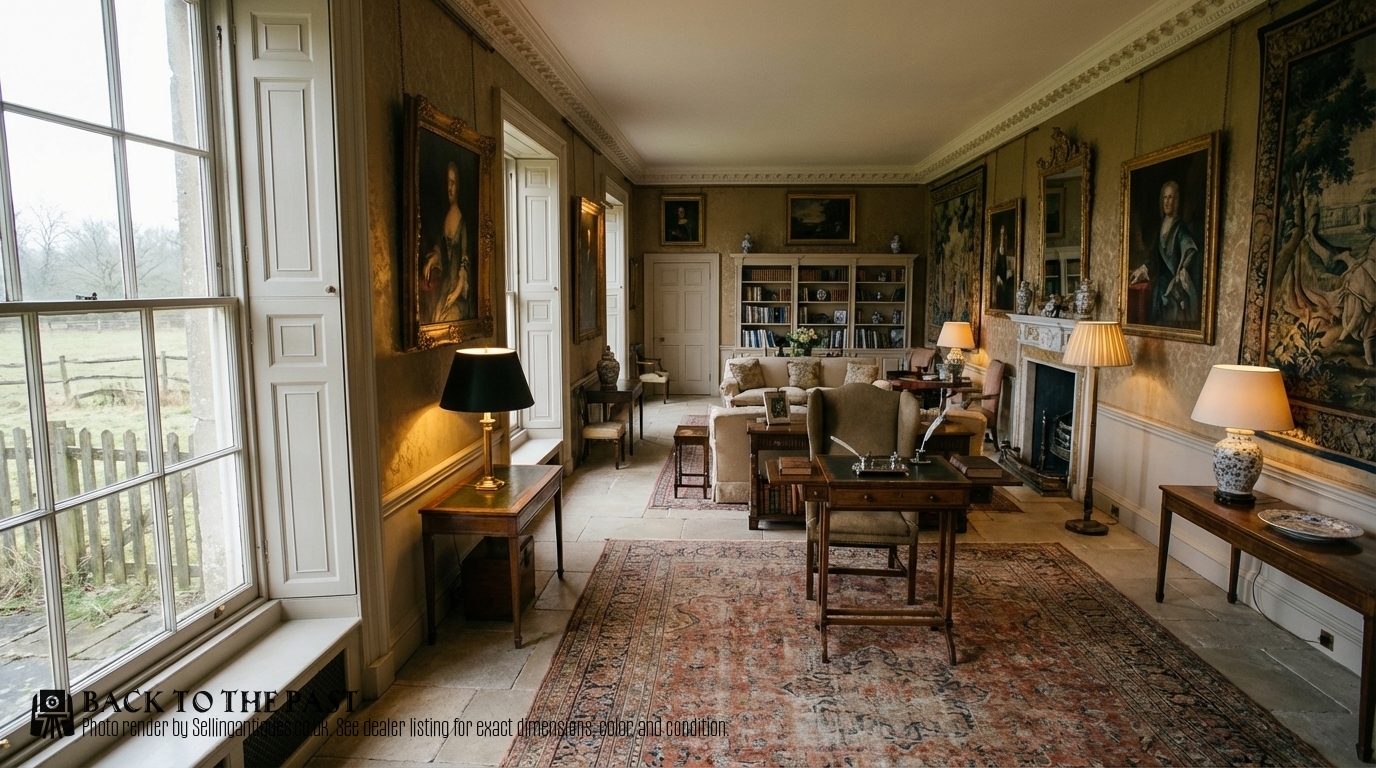
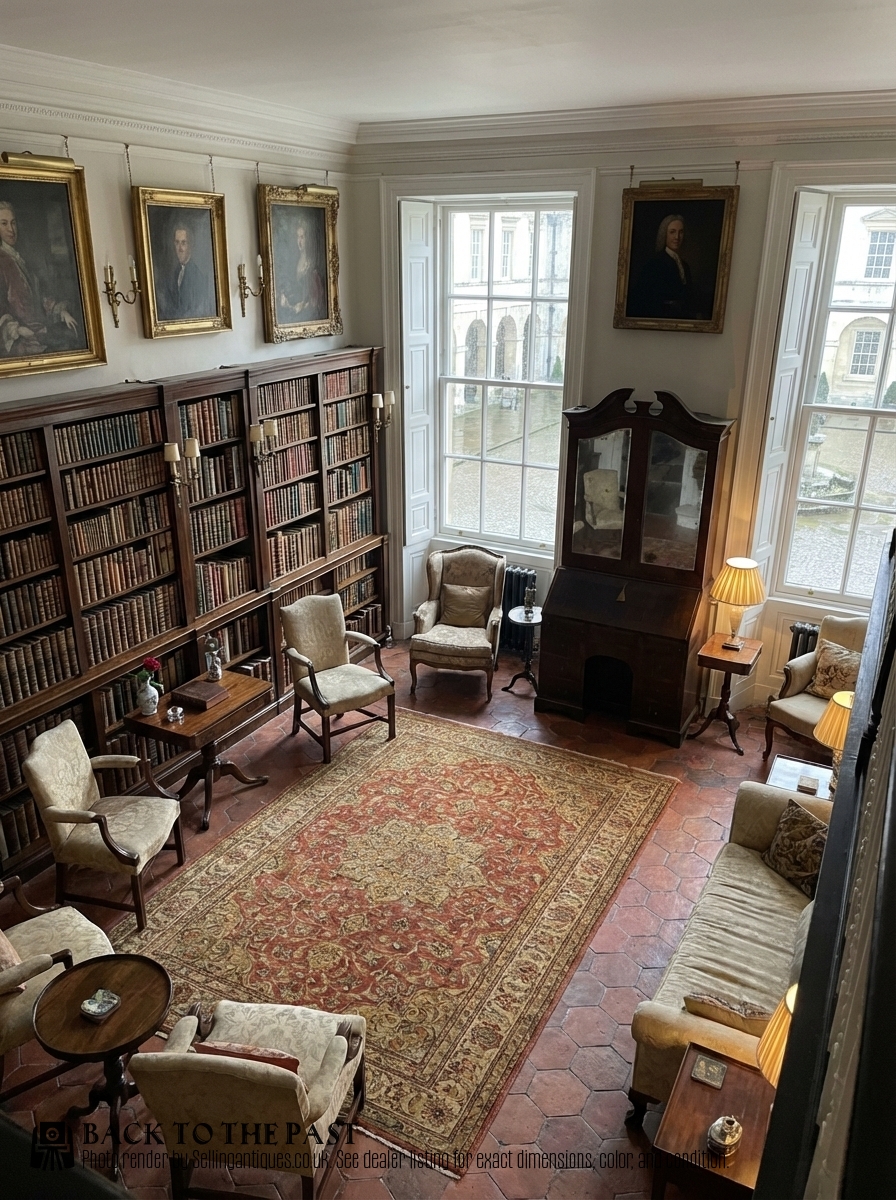
A vintage rosewood desk brings rich dark grain and traditional craftsmanship into a study.
Vintage Rosewood Desk
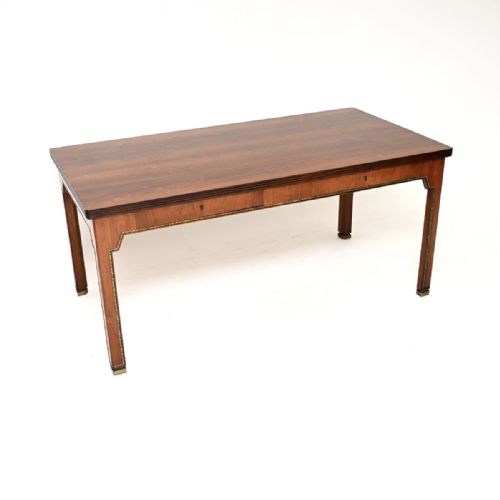
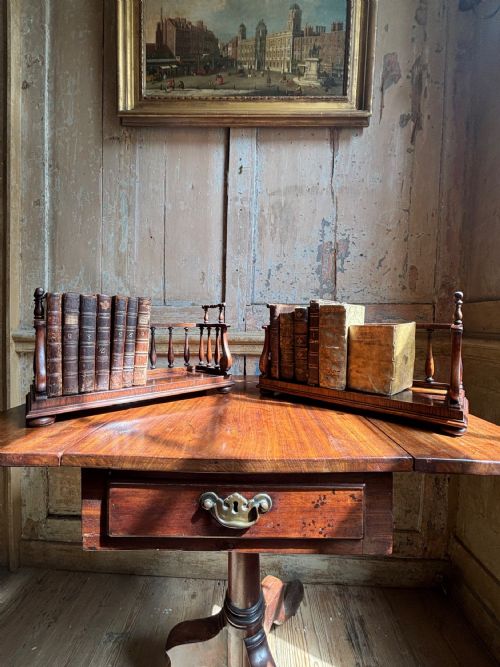
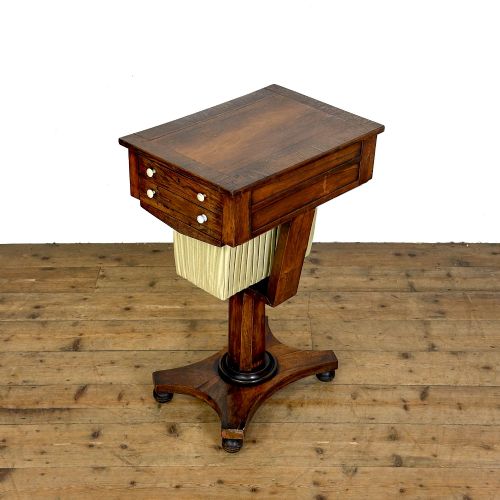
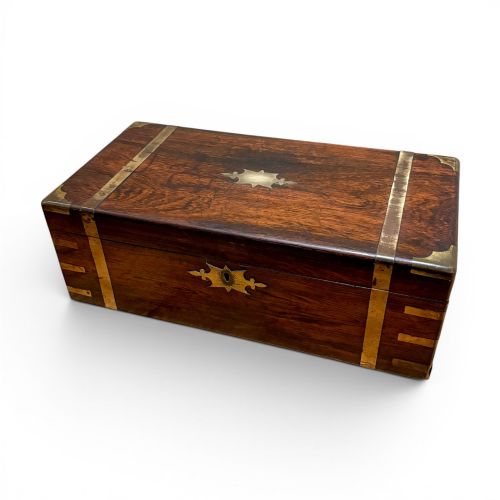
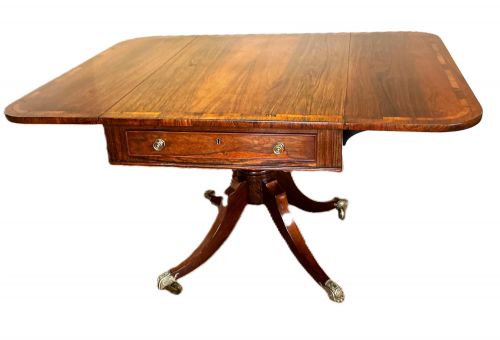
A vintage rosewood desk is a practical workspace built from dense, heavily figured timber, often featuring fitted interiors, leather surfaces, or brass mounts. When searching for a vintage rosewood desk, buyers encounter forms ranging from compact folding writing slopes and campaign boxes to larger freestanding library tables and pedestal writing desks.
The pieces spanning these listings originate across the nineteenth and early twentieth centuries, drawing on Regency, Victorian, Edwardian, and Art Deco design vocabularies. English, French, Danish, and Chinese workshops all contributed to this tradition, producing everything from brass-inlaid Davenport styles to minimalist modern writing furniture.
How they were made
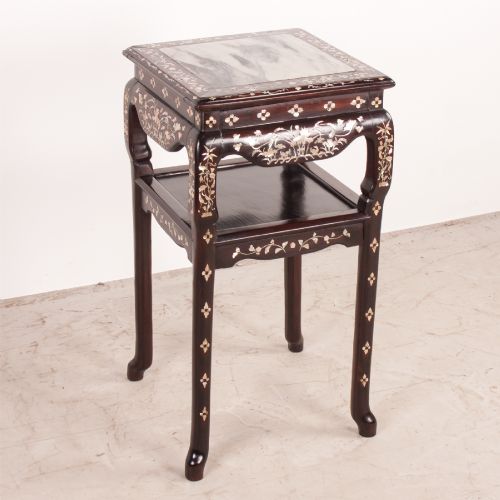
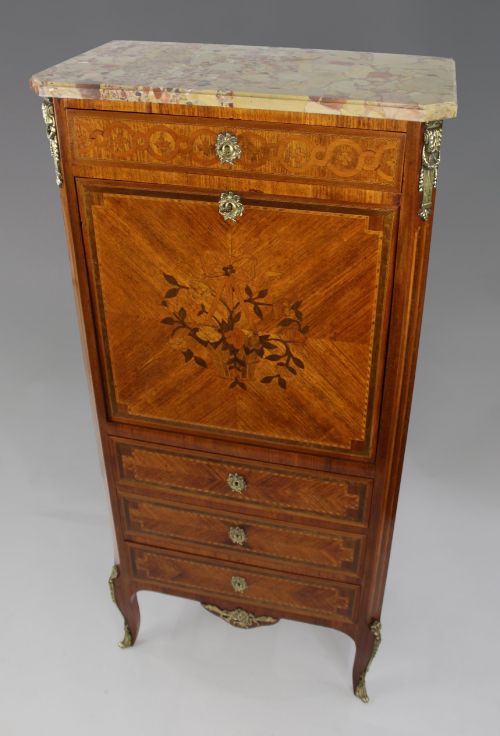
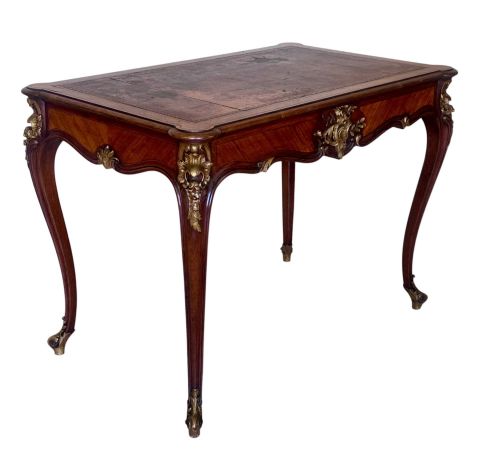
Cabinetmakers built these pieces using solid rosewood or applied dense veneers over secondary hardwoods, harnessing the timber's natural oiliness for a smooth, lustrous finish. Brass inlays, Ormolu mounts, and mother-of-pearl details frequently punctuate the dark surfaces, contrasting sharply against the rich grain.
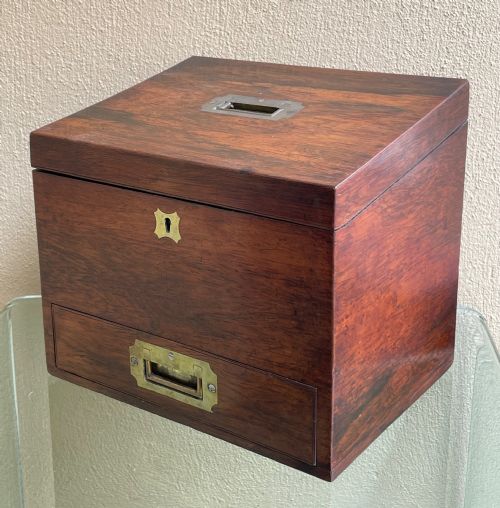
Internal compartments often feature secret drawers, fitted inkwell spaces, and tooled leather writing surfaces secured by brass locks and working keys. Construction methods range from traditional dovetailing in small writing slopes to sturdy mortise and tenon joints in larger tables and desks.
Listings feature nineteenth-century and early twentieth-century examples utilising rosewood, brass, leather, and mother-of-pearl.
What varies in quality
The grade of timber selection and the precision of the marquetry inlay dictate much of the distinction between ordinary and exceptional examples. Finer pieces display continuous, book-matched grain patterns across expanses of wood and meticulous hand-carving rather than moulded decoration.
Hardware integrity also separates standard items from the finest work, visible in heavy cast brass mounts, robust locking mechanisms, and the survival of original leather inserts and interior fittings.
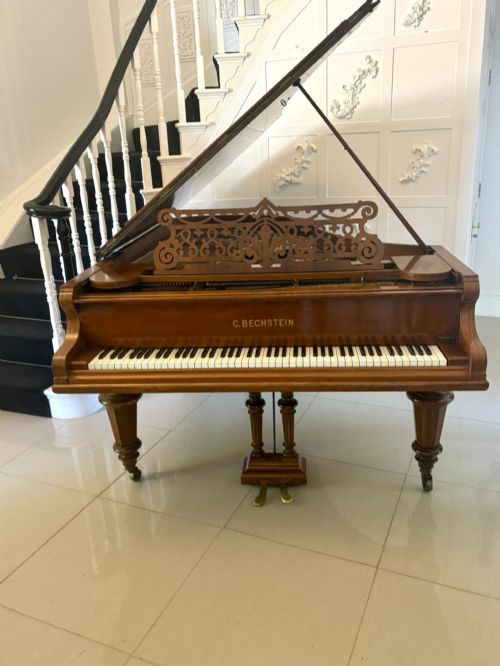
CH. Jeanselme & Co·Maurice Dufrêne·Barber & North of York·C.Bechstein
The Vintage Rosewood Desk Glossary
- Writing slope
- A portable box with a slanted writing lid that folds flat, opening to reveal compartments for stationery and inkwells. These pieces were essential for correspondence during travel.
- Marquetry
- Decorative patterns formed by fitting small pieces of veneer into a supportive background. This technique creates complex pictorial or geometric designs across tabletops and drawer fronts.
- Campaign box
- A sturdy portable chest or desk designed for military officers on the move, typically reinforced with brass corners and recessed carrying handles.
- Ormolu
- Gilded bronze used for decorative mounts and feet on nineteenth-century furniture. It adds metallic contrast to dark timber surfaces.
Vintage Rosewood Desk: Frequently Asked Questions
How do I clean a rosewood surface?
Dust the timber regularly with a soft, dry cloth to prevent microscopic particle buildup.
Avoid silicone-based polishes, opting instead for occasional applications of microcrystalline wax to nourish the grain.
Are these desks suitable for daily work?
Many historical desks accommodate modern laptops and paperwork comfortably, provided the writing height matches your chair.
Smaller slopes and tabletop boxes function well as decorative storage rather than primary computer stations.
How can I tell the period?
Examine the construction methods, hardware types, and overall decorative style against known design eras like Regency or Art Deco.
Secondary woods inside drawers and the ageing of the rosewood finish offer further clues to age.
What is a Davenport desk?
A compact pedestal desk featuring a sloping, hinged writing surface above a set of side drawers.
Originating in the nineteenth century, this form maximises workspace efficiency in smaller rooms.