


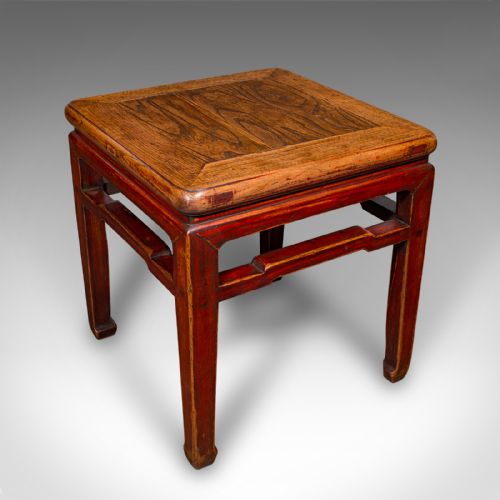


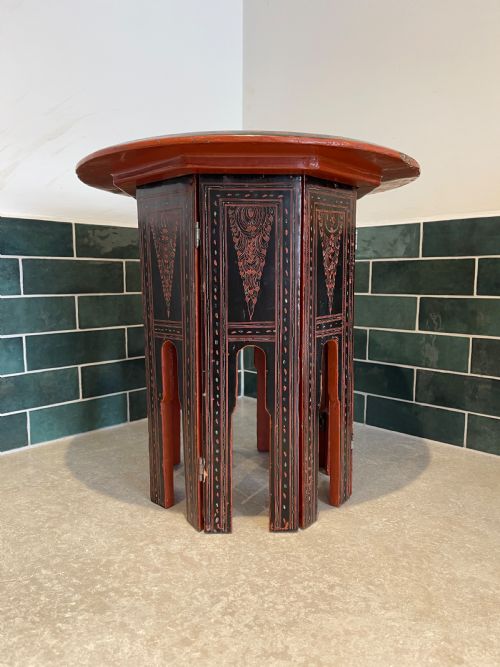

Vintage Red Lacquer Table
A vintage red lacquer table brings rich cinnabar tones and hand-painted Chinoiserie detail into a room, offering both bold colour and history.
Vintage Red Lacquer Table
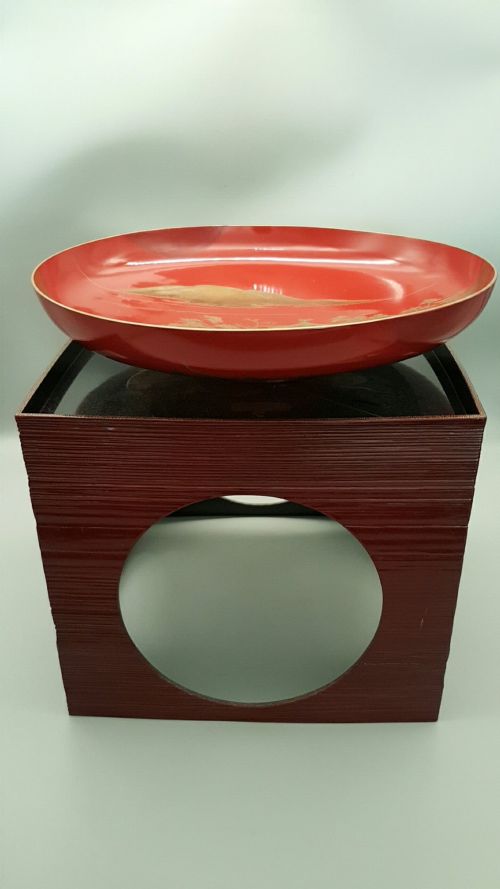
A vintage red lacquer table brings deep crimson tones and rich oriental surface decoration into a room, drawing the eye instantly. When searching for a vintage red lacquer table, buyers encounter forms ranging from low Burmese occasional pieces and Japanese sake tables to grand nineteenth century Chinese altar tables and console desks.
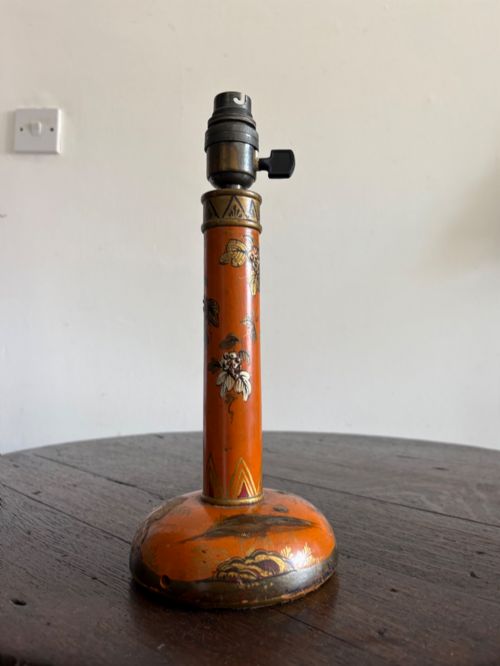
Buyers are most likely to meet low occasional tables, side tables, and occasional stands finished in striking red lacquer or painted Chinoiserie motifs. These pieces function easily as striking focal points or practical lamp stands in contemporary interiors.
How they were made
Makers built these pieces using solid timber foundations such as elm or general wood, upon which they applied multiple layers of lacquer. Artisans then built up the surface through painstaking coats of pigmented resin.
Decoration often involved hand-painted motifs, sometimes enhanced with gold leaf accents or carved cinnabar relief work. The resulting surfaces demand immense patience, requiring each layer to cure fully before the next application.
Several tiny lacquer sake cups have survived alongside full-sized tables, proving that historical parties took their diminutive drinking vessels very seriously.
What varies in quality
The distinction between ordinary and exceptional pieces lies in the depth of the lacquer finish and the precision of the hand-painted details. Superior examples exhibit intricate artistry in their Chinoiserie motifs and stable, well-joined timber carcases beneath the surface coats.
Lower quality items often show heavy surface crazing, crude repainting, or unstable joints that compromise daily utility. A refined piece maintains smooth lustre and crisp pictorial elements that survive decades of handling.
The Vintage Red Lacquer Table Glossary
- Chinoiserie
- European decorative style inspired by Chinese artistic traditions, featuring painted landscapes and figures. It appears frequently on nineteenth-century tables and cabinets.
- Cinnabar lacquer
- Technique involving dozens of layers of red mercuric sulphide lacquer carved with intricate designs. This method produces deep, tactile relief patterns on boxes and cabinets.
- Meiji period
- Japanese historical era spanning from eighteen sixty-eight to nineteen twelve, known for fine lacquerware and export goods. Pieces from this time often include delicate sake cups and low tables.
- Elm
- A resilient hardwood utilised widely in Chinese furniture construction for its tough, interlocking grain. It provides a stable base for heavy lacquer applications.
- Bureau platt
- A flat-topped desk or table designed for writing, occasionally executed in decorative red lacquer finishes. These formal pieces serve well as statement writing surfaces.
Vintage Red Lacquer Table: Frequently Asked Questions
How do I clean a red lacquer table?
Dust gently with a soft, dry microfibre cloth to protect the delicate surface from scratching. Avoid chemical polishes, abrasives, or excessive moisture.
Keep the table away from direct sunlight and strong heat sources to prevent the lacquer from cracking or fading over time.
Can I use a lacquer table daily?
These tables handle normal daily use quite well when treated with appropriate care for fragile antiques. Use coasters under drinks and felt pads beneath heavy decorative objects.
Placing the table in a low-traffic corner helps preserve the hand-painted details and glossy finish for years to come.
What periods do these tables span?
The available selection covers items from the nineteenth century up through the nineteen-twenties and nineteen-thirties. Pieces originate from diverse traditions including Victorian English interpretations, Japanese Meiji works, and Chinese regional workshops.
Each period brings distinct construction methods and decorative vocabularies to the lacquer finish.
How do I identify Chinese versus Japanese lacquer?
Chinese pieces often feature altar tables, console desks, and deeper carved cinnabar work with traditional architectural motifs. Japanese items from the Meiji era tend to include smaller tea tables, sake stands, and delicate painted flora.
Examining the underlying wood and the style of the painted scenes helps clarify the regional origin.