




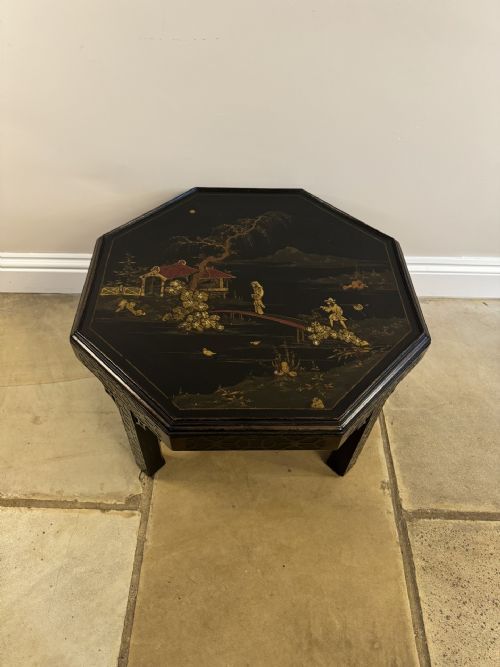


Painted Lacquer Low Table
A painted lacquer low table brings a rich surface of pigment and gilt to a room, offering both decorative depth and low-level utility.
Painted Lacquer Low Table
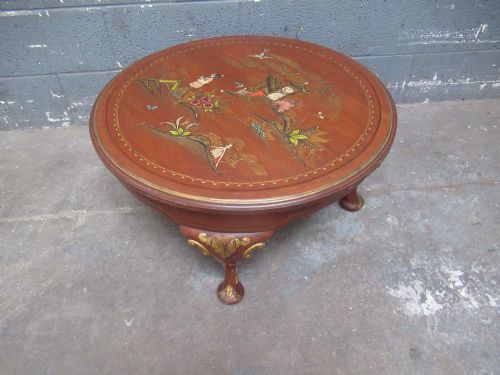
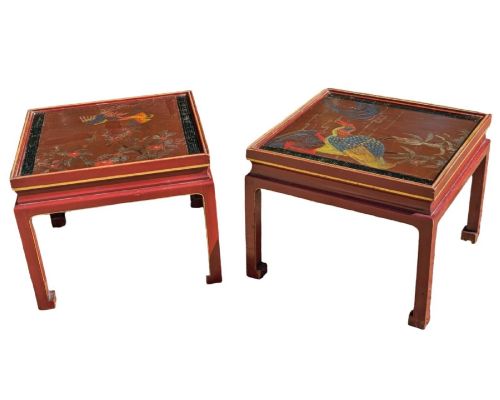
A painted lacquer low table is typically encountered as a coffee table, tray table, or occasional table originating from various periods including the nineteenth century, Edwardian era, and the early twentieth century. These low surfaces serve as functional room centrepieces while displaying distinctive surface ornament.
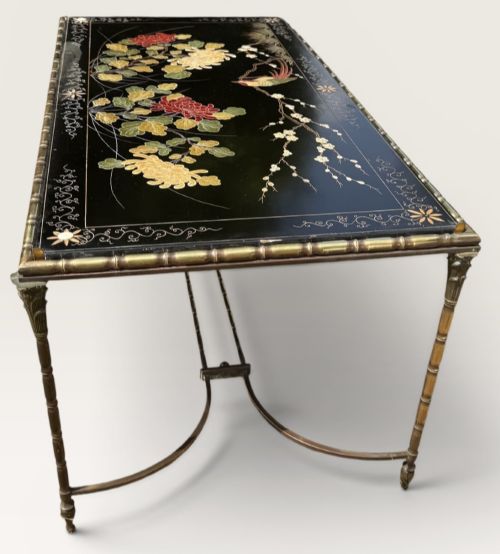
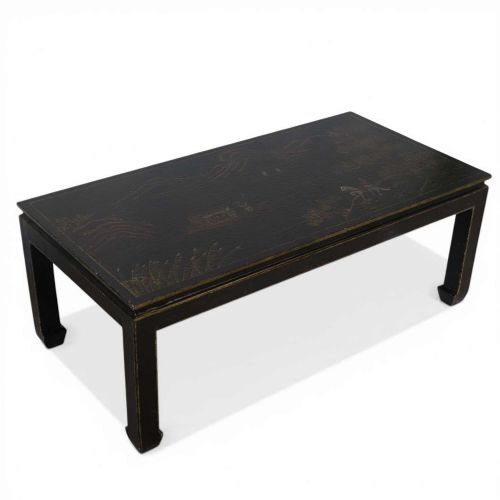
The styles seen on this page span Chinoiserie, Edwardian Chinoiserie, Mid-Century French, Traditional Chinese, Regency Style, Kashmiri, and Chinese Export. Forms range from circular and rectangular coffee tables to tray top designs and even low chests adapted for surface use.
Buyers seeking a painted lacquer low table will find pieces constructed in forms such as coffee tables and side tables, alongside occasional tables and chests. The physical manifestation relies on low proportions suited to modern seating arrangements while retaining historical decorative motifs.
How they were made
Construction relies primarily on wood, lacquered wood, and papier-mâché, providing a stable structural carcass for decorative treatment. Artisans applied layers of lacquer to seal and prepare the substrate before executing detailed surface work.
Decoration incorporates paint, pigment, and gilt, often building up pictorial scenes characteristic of Chinoiserie and related traditions. Metal elements such as brass appear on specific forms like chests and trunks to reinforce edges and provide functional hardware.
Painted Lacquer Low Table Retail Price Guide 2026
Typical asking prices for painted lacquer low table among the pieces listed under this phrase on Sellingantiques today, from the lower quarter to the upper quarter. They describe what is for sale here now, not the wider market.
Some tables double as giant tea trays, proving that nineteenth-century artisans understood the universal appeal of breakfast on the sofa.
What varies in quality
Quality in a painted lacquer low table rests on the depth and preservation of the surface finish, where layered pigment and gilt retain their crispness over decades of use. Superior examples show refined brushwork in the pictorial scenes rather than simplified, mechanical application.
The integrity of the underlying wood, lacquered wood, or papier-mâché carcass determines structural longevity, particularly around table legs and tray edges. Better pieces maintain stability and tight joinery without extensive modern reconstruction hiding structural fatigue.
Maison Bagues
The Painted Lacquer Low Table Glossary
- Chinoiserie
- European decorative style reflecting Chinese artistic influences, frequently featuring figures, pagodas, and landscapes rendered in paint and gilt. This aesthetic defines many of the painted lacquer low tables on this page.
- Lacquer
- Protective and decorative coating applied in multiple layers to a wooden or papier-mâché base, creating a hard, smooth surface. It forms the essential canvas for subsequent painted and gilded scenes.
- Japanned
- European imitation of East Asian lacquerwork, popular in various periods for creating dark, glossy surfaces with raised or flat painted decoration. Pieces described with this term exhibit distinctive European interpretations of oriental motifs.
- Papier-mâché
- Composite material made from paper pulp or sheets mixed with glue, pressed and dried into a rigid form suitable for lacquering. It provides a lightweight yet durable substrate for tray tables and occasional items.
Painted Lacquer Low Table: Frequently Asked Questions
What is a painted lacquer low table?
A painted lacquer low table is a short surface finished with layers of lacquer and decorative pigment, often featuring Chinoiserie or traditional scenes. These pieces function as coffee tables or occasional tables in living spaces.
They combine low proportions with intricate surface decoration, drawing on nineteenth-century and early twentieth-century manufacturing traditions.
How do I clean a painted lacquer low table?
Maintenance requires gentle dusting with a dry, soft cloth to prevent particulate accumulation on the delicate surface. Avoid harsh chemical cleaners or excess moisture, which can damage the aged lacquer, paint, and gilt.
Positioning the table away from direct sunlight protects the pigments from fading and preserves the integrity of the finish over time.
What styles are common for these tables?
The predominant styles include Chinoiserie, Edwardian Chinoiserie, Regency style, and Chinese Export designs. Each style interprets Asian decorative arts through European or traditional craftsmanship of the period.
Details often include scenic painted panels, gilded motifs, and structured frames adapted into coffee or tray table formats.
How can I tell the age of the table?
Dating relies on examining the materials, construction methods, and wear patterns visible on the wooden or lacquered carcass. Periods represented on this page range from the nineteenth century through the 1930s.
Stylistic markers such as Edwardian framing or mid-century French influences provide further context for establishing when the piece was manufactured.