
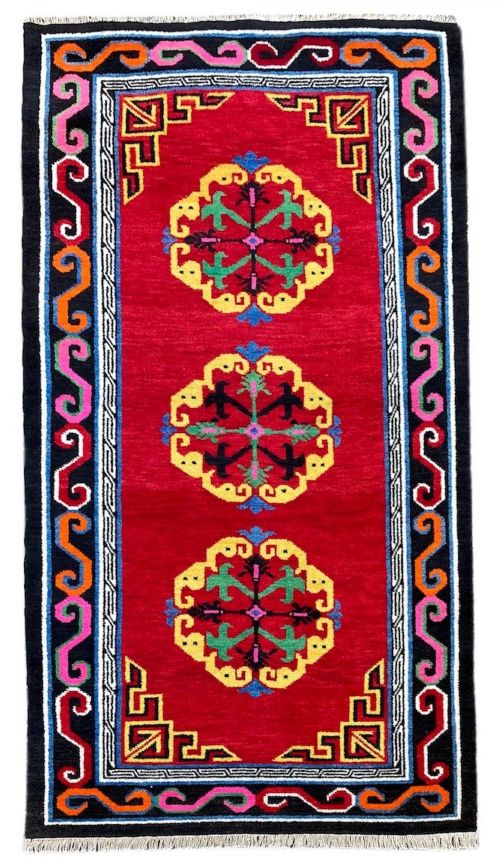
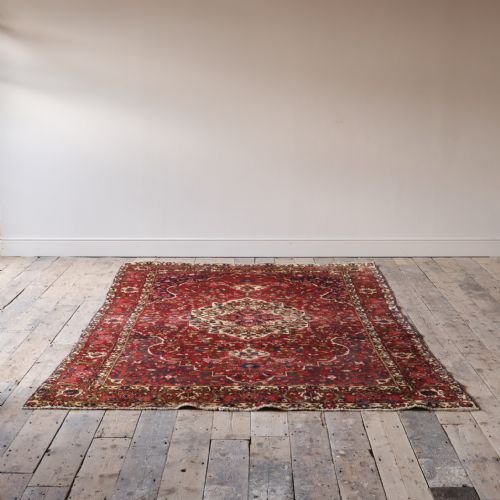
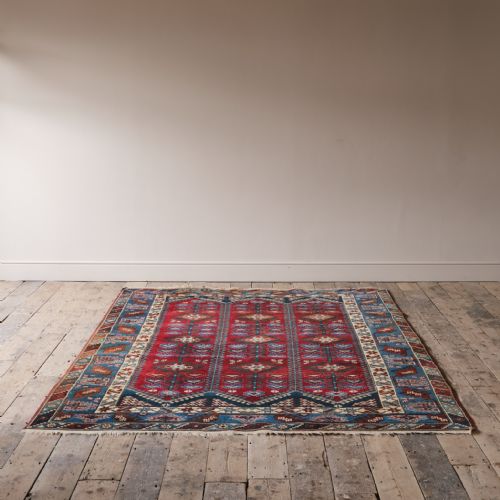
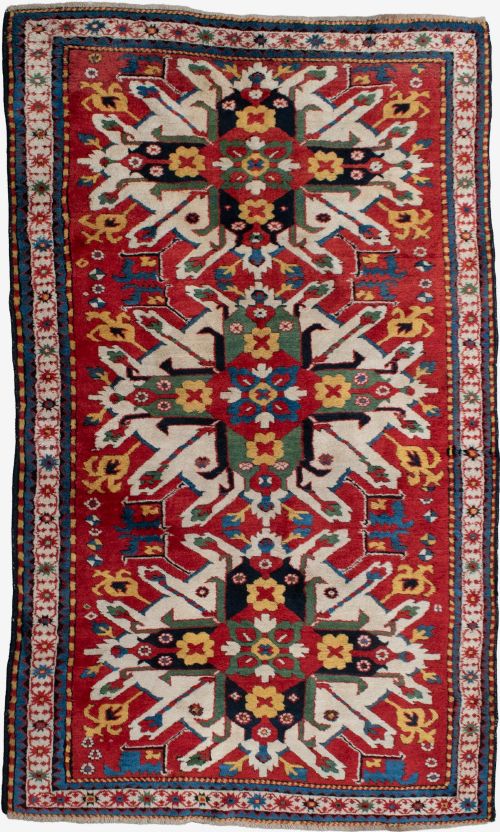
Vintage Red Area Carpet
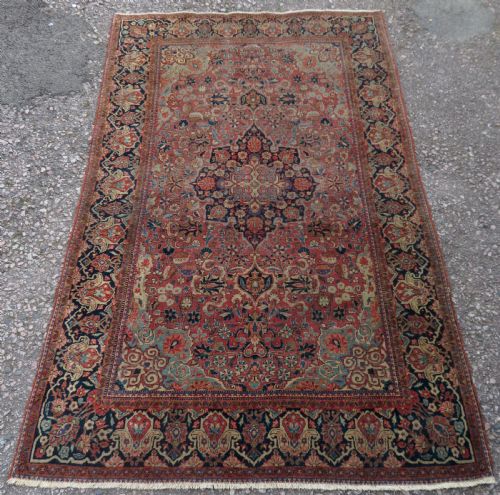
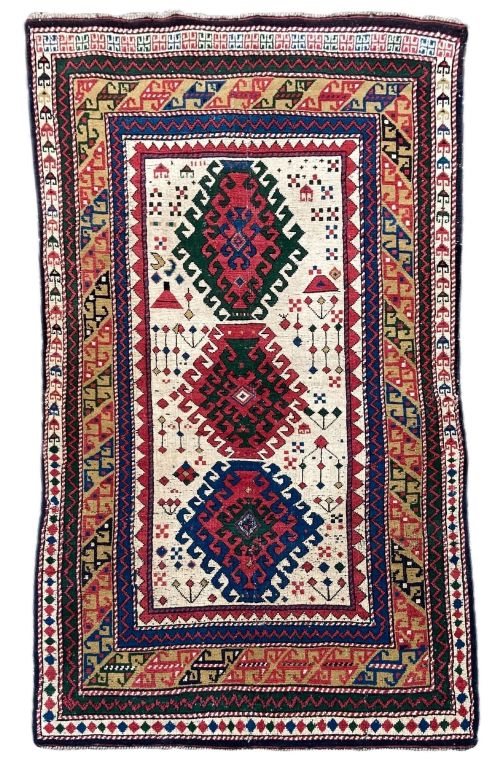
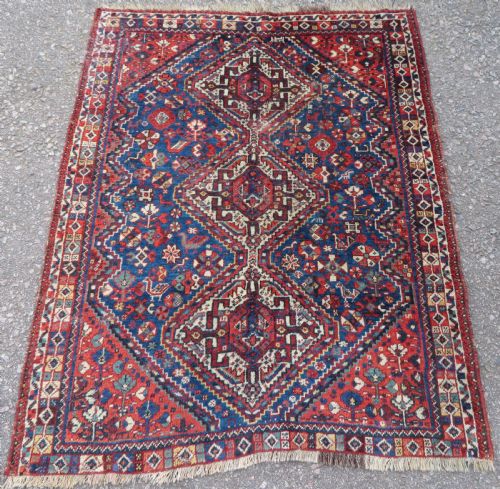
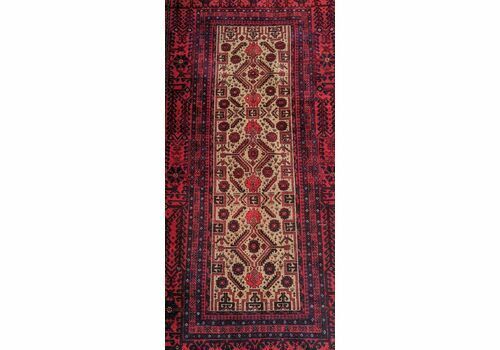
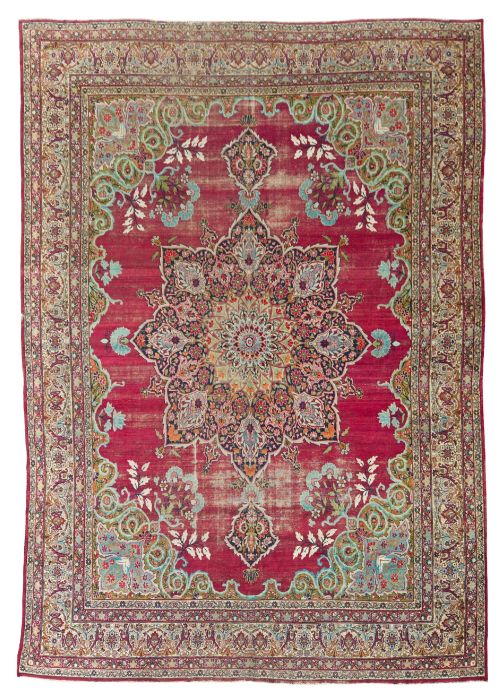
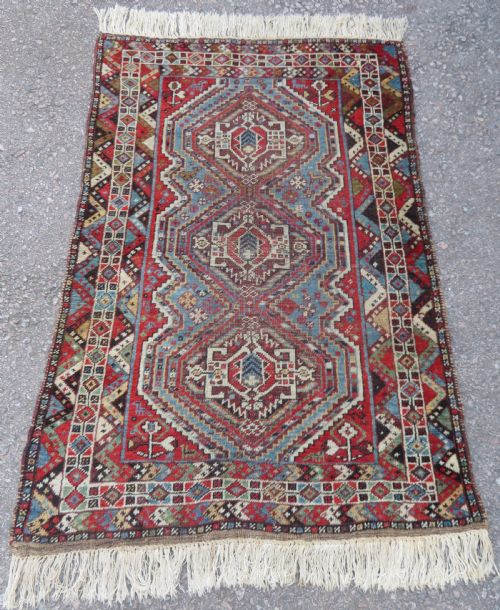
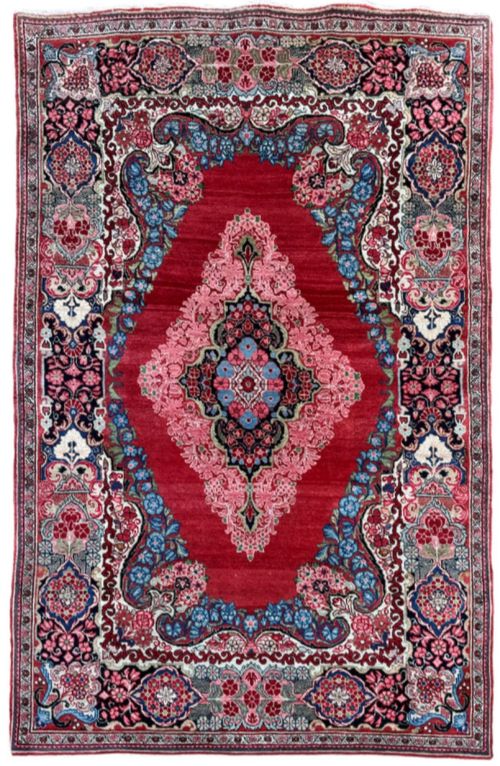
A vintage red area carpet brings warmth and deep pattern to a room, drawn from traditional weaving centres across Persia, the Caucasus and Central Asia.
Vintage Red Area Carpet
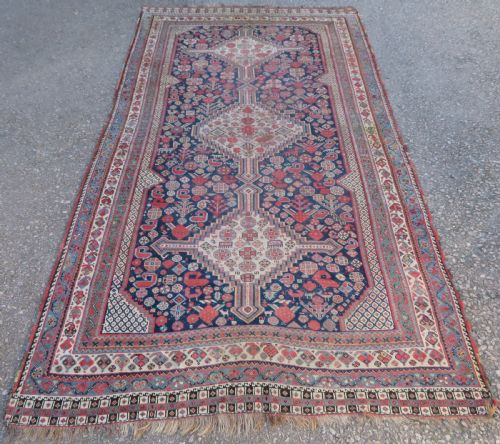
A vintage red area carpet offers a grounding floor covering shaped by decades of traditional weaving practice. These textiles originate from diverse regions, including Persian workshops, Caucasian villages and Turkmen tribal camps.
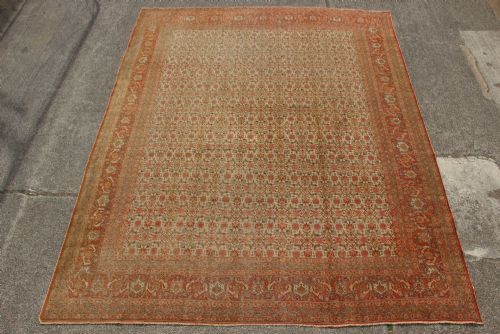
The pieces encountered on this page span from the late nineteenth century into the early decades of the twentieth century. Forms range from compact scatter sizes to large room-sized carpets and elongated runners.
Makers include village weavers and nomadic tribes working within distinct regional traditions, alongside urban workshops producing finely detailed court designs.
Materials and Construction
Construction relies on durable foundations of wool and cotton, providing structural stability for dense hand-knotted pile surfaces. Certain examples incorporate hand-spun wool and delicate silk highlights to add textural contrast.
Dyers utilised natural dyes to achieve deep red tones, rust backgrounds and contrasting field colours that soften gracefully over time. Skilled weavers knotted each piece by hand on upright looms using long-established local patterns.
Listings feature wool, cotton, and silk materials spanning the nineteenth and twentieth centuries, originating from Persian, Caucasian, and Tibetan traditions.
Assessing Quality and Execution
Quality rests in the precision of the knotting, the complexity of the design layout and the depth of colour achieved through natural dyes. Finer examples display intricate geometric or floral motifs rendered with clear definition across the field.
The handling of wool also sets individual pieces apart, with superior carpets retaining a dense, resilient pile and supple foundation. Material integrity determines how well a rug endures daily placement within a living space.
The Vintage Red Area Carpet Glossary
- Pile
- The upright yarn loops that form the soft surface of a carpet. It is created by individual knots tied onto the warp threads.
- Warp
- The stationary vertical threads stretched on the loom that form the structural skeleton of the carpet. Weft threads are interlaced across them.
- Natural Dyes
- Colourants derived from plant, root and insect sources used historically in traditional rug production. They yield rich, complex hues that mellow gracefully.
- Runner
- A long, narrow carpet format designed primarily for hallways, corridors or alongside furniture. These pieces balance length with a restricted width.
Vintage Red Area Carpet: Frequently Asked Questions
How do I style a vintage red area carpet?
Place a vintage red area carpet on wooden floors to anchor seating arrangements in a living room or study. The rich crimson and rust tones complement neutral walls and natural textures like leather and oak.
Allow sufficient floor margin around the edges of the carpet to frame the piece properly within the room layout. Layering smaller tribal rugs over larger sisal matting is another traditional method of display.
How do I clean an old wool rug?
Vacuum the carpet gently on a low suction setting without a rotating beater bar to protect the delicate hand-knotted pile. Professional specialist cleaning is recommended for deeper maintenance to prevent dye bleed.
Keep the rug out of direct, prolonged sunlight to preserve the natural dyes and prevent uneven fading of the red field. Rotate the carpet periodically to ensure even wear across high-traffic areas.
How do I distinguish regional styles?
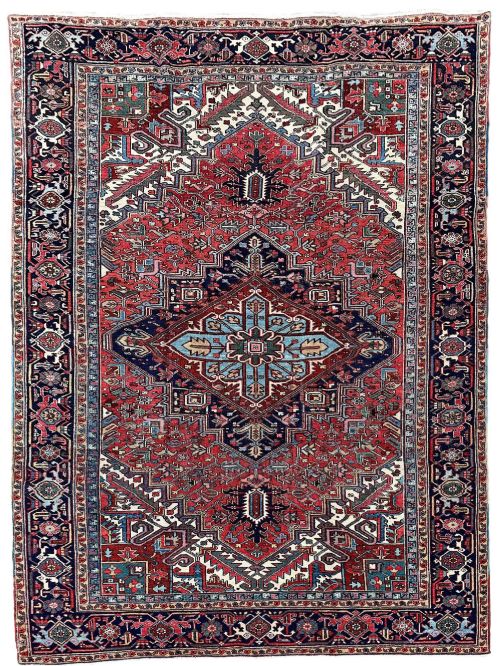
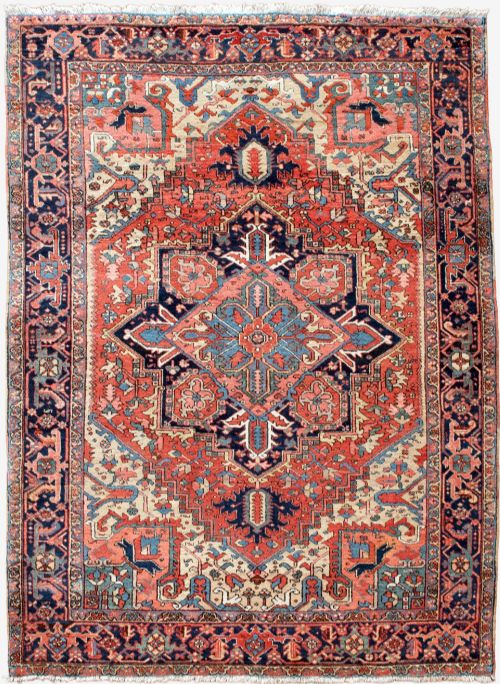
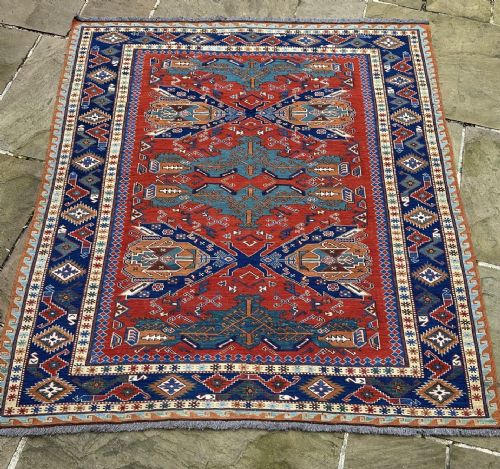
Regional styles reveal themselves through specific palette choices, border arrangements and foundational knot structures. Persian Heriz rugs often feature bold geometric medallions, while Caucasian Kazak pieces display sharp, colourful polygonal motifs.
Turkmen and Balouch carpets lean toward deep red fields filled with repeating guls and octagonal motifs. Examining the weave density and back structure helps identify the specific district of origin.