


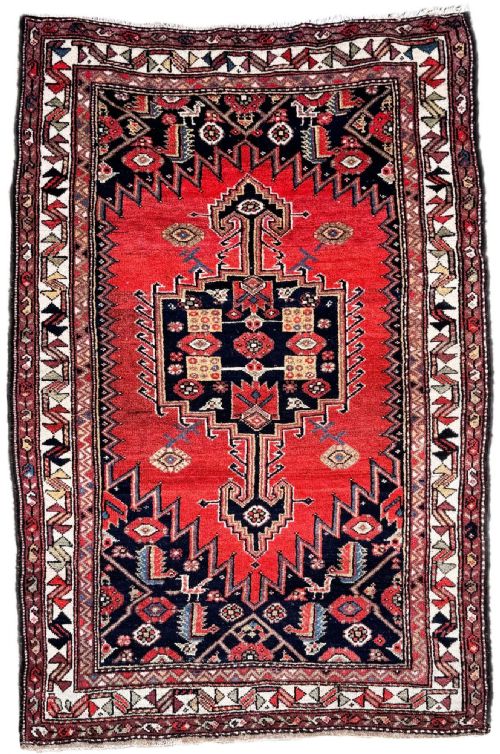
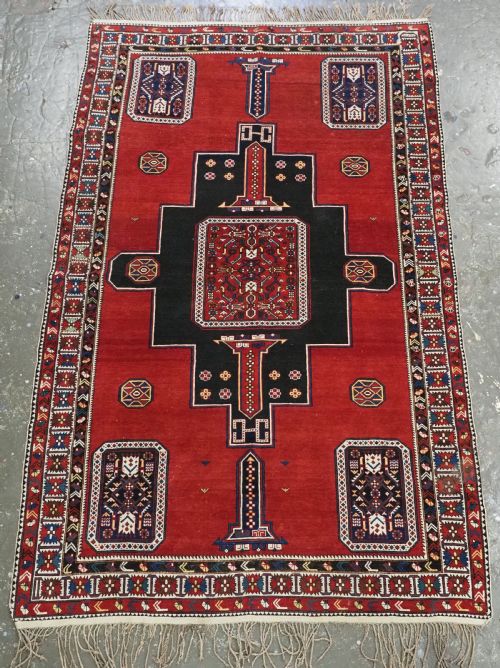
Handwoven Wool Area Carpet
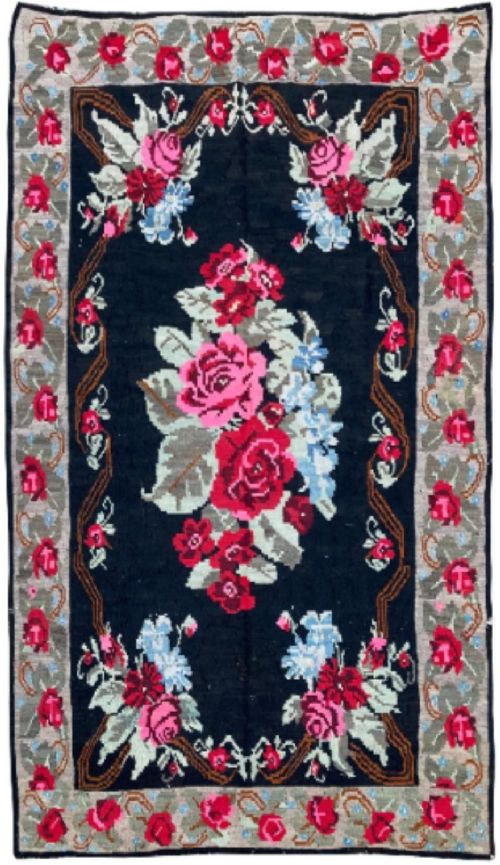
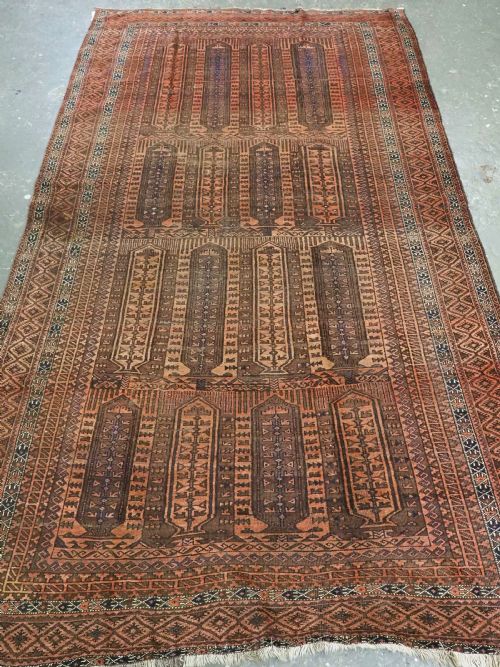
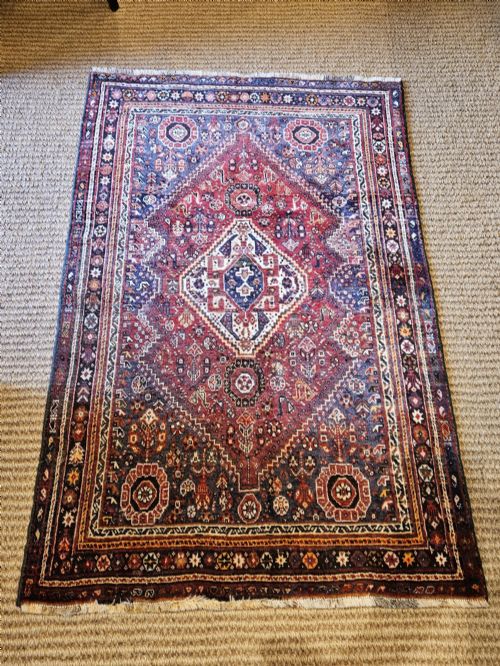
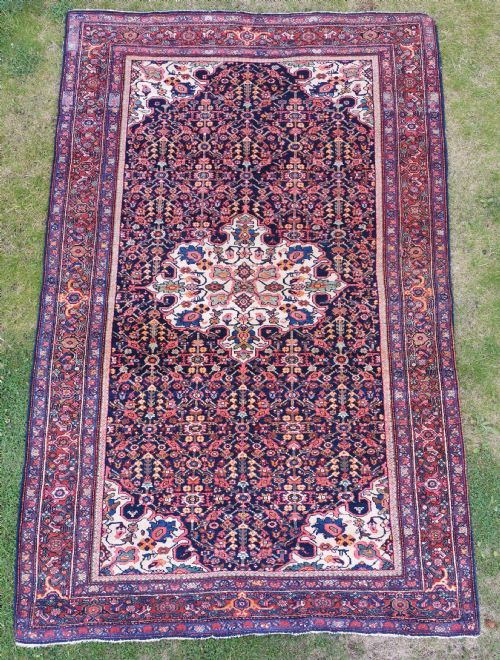
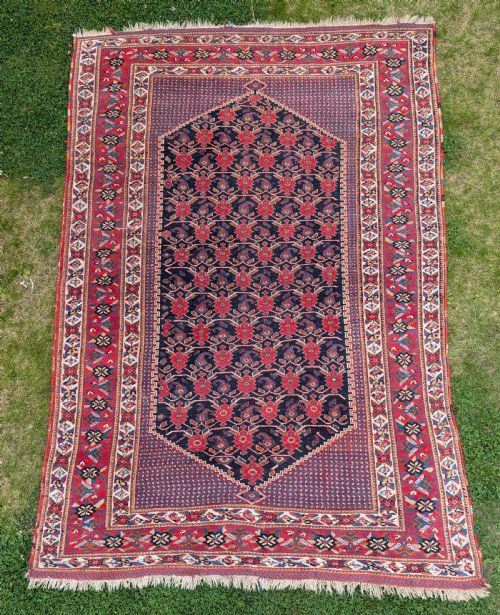
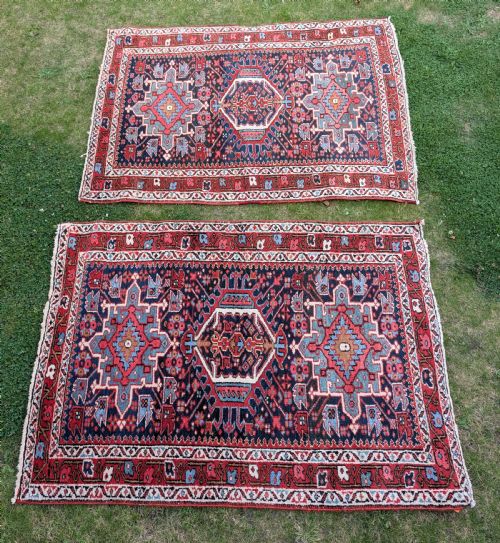
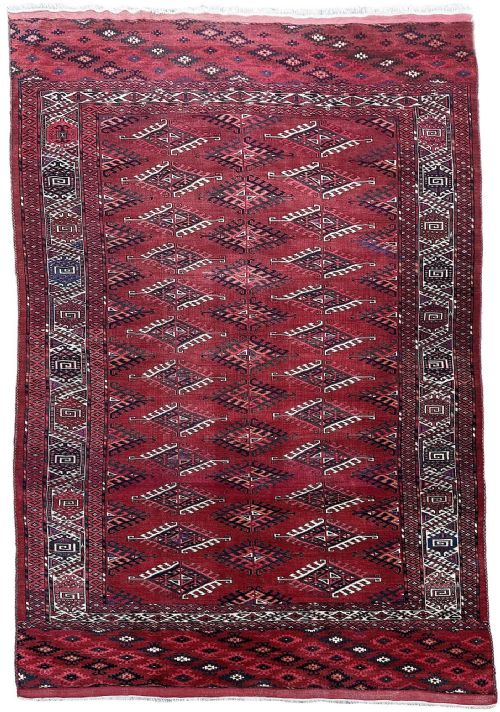
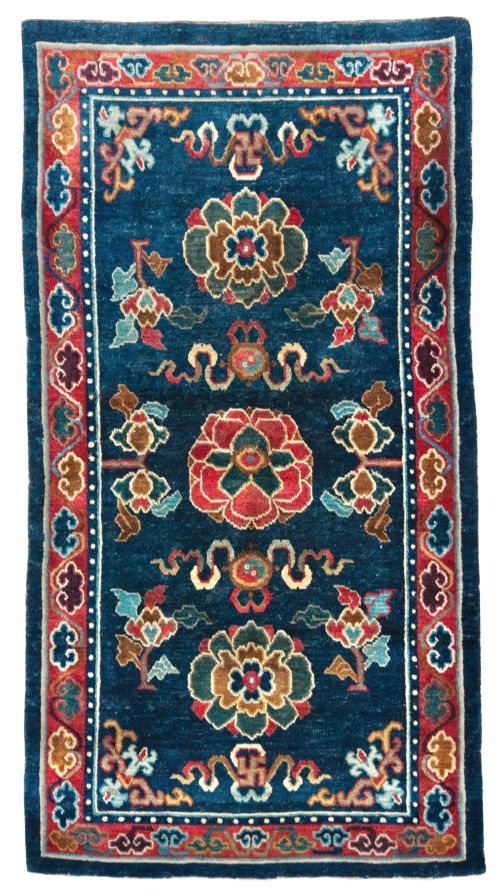
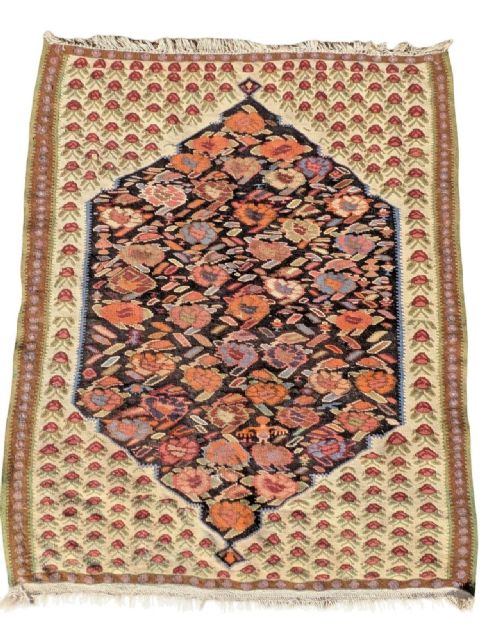
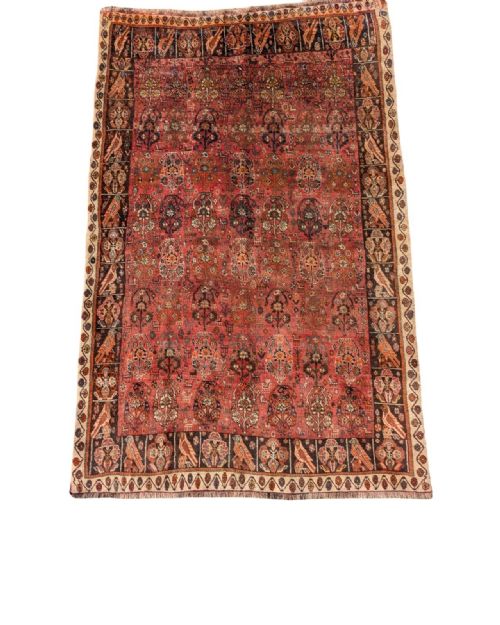
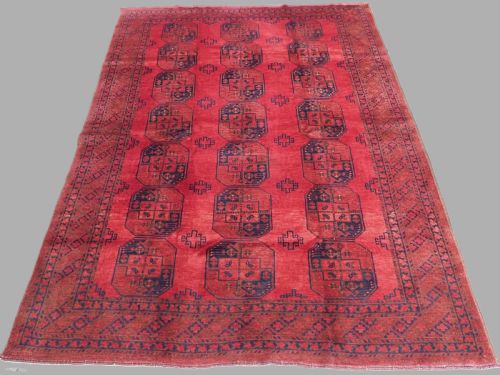
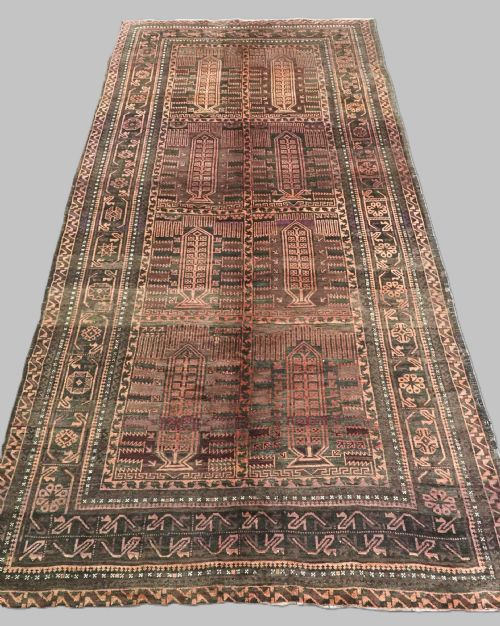
These handwoven wool area carpet examples bring warmth, intricate tribal motifs, and enduring textile artistry to a room.
Handwoven Wool Area Carpet
A handwoven wool area carpet provides a durable, patterned floor covering rooted in regional traditions from Persia, the Caucasus, Anatolia, and Central Asia. When searching for a handwoven wool area carpet, buyers typically encounter pieces originating from village and tribal workshops across the nineteenth and early twentieth centuries. These floor coverings range from compact scatter rugs to large room-sized carpets and elongated runner formats.
The selection reflects distinct regional weaving cultures, including Heriz, Bidjar, Afshar, Baluch, and Caucasian styles. Village productions often display bold geometric medallions, repeated boteh motifs, or stark cruciform patterns rather than refined court designs. Each piece carries the distinct structural signature of the weaver and the specific community where it was knotted.
Materials and construction
The foundation of these textiles relies on hand-spun wool and cotton, utilised for warps and wefts to create a stable yet flexible textile body. Natural dyes derived from plants and minerals provide the palette of rust, red, indigo, and ivory that deepens with age. Artisans knot the wool pile by hand onto the vertical loom, securing each row with horizontal weft threads.
Village weavers often incorporate sturdy wool pile combined with robust cotton foundations to withstand heavy daily use. The density of the knotting varies according to regional customs, with city workshops favouring tighter structures and tribal weavers producing looser, heavier piles.
Listings span several decades of production, incorporating nineteenth-century village weaves alongside twentieth-century nomadic wool rugs.
Assessing quality
Quality rests in the harmony of the natural dye palette, the clarity of the design motifs, and the integrity of the wool pile. Superior examples exhibit vibrant depth of colour and precise execution of tribal geometry, reflecting skilled yarn preparation and experienced knotting.
Structural resilience separates robust room-sized carpets from more fragile structures, depending on wool quality and foundation tightness. The crispness of the drawing and the balance of the border proportions indicate the weaver's mastery over traditional patterns.
The Handwoven Wool Area Carpet Glossary
- Kilim
- A flat-woven textile produced without a pile, often utilised for floor coverings or storage sacks. These pieces rely on interlocking weft techniques to form sharp geometric patterns.
- Medallion
- A central ornamental motif positioned in the middle of the carpet field. This focal design element frequently dictates the symmetry of the surrounding corner spandrels.
- Warp
- The vertical foundation threads stretched lengthwise on the loom before knotting begins. Cotton and wool serve as the primary materials for these structural elements.
- Weft
- The horizontal threads passed across the warp threads between rows of knots to bind the structure together. They are often dyed to match regional weaving traditions.
- Boteh
- A stylised almond or pear-shaped motif representing a floral spray or cypress tree. This ancient symbol appears frequently across Persian and tribal carpet designs.
Handwoven Wool Area Carpet: Frequently Asked Questions
How do I clean an antique wool carpet?
Regular gentle vacuuming without a beater bar removes surface dust and grit from the wool pile. Professional specialist cleaning remains essential for deep maintenance to protect natural dyes and fragile foundations.
Water exposure should be managed carefully to prevent dye migration or shrinkage in older cotton and wool foundations. Prompt attention to spills using dry absorbent materials prevents permanent staining.
Can I use these carpets in high-traffic hallways?
Sturdy village and tribal carpets constructed with thick wool pile handle moderate foot traffic effectively in domestic settings. Selecting dense weaves ensures the foundation remains protected under regular movement.
Placing a suitable underlay beneath the textile prevents slipping and reduces friction against hard flooring surfaces. This adds cushioning that extends the functional lifespan of older foundations.
How do I identify a tribal carpet from a city piece?
Tribal and village carpets display geometric layouts, asymmetrical irregularities, and saturated natural dye colours. Artisans working in smaller settlements relied on memory and local tradition rather than precise cartoon drawings.
City workshop carpets tend to feature curvilinear floral vines, medallions, and finer knot densities. The precision of the drawing usually indicates whether a piece originated in a structured urban atelier.
Why do some antique carpets show uneven fading?
Exposure to natural sunlight over decades alters organic dye compounds unevenly across the exposed wool pile. This process, often called patina, reflects the historical domestic environment where the textile lived.
Rotating the floor covering periodically helps balance exposure to light and wear patterns across the surface. Many collectors value these subtle shifts in hue as evidence of genuine age.