

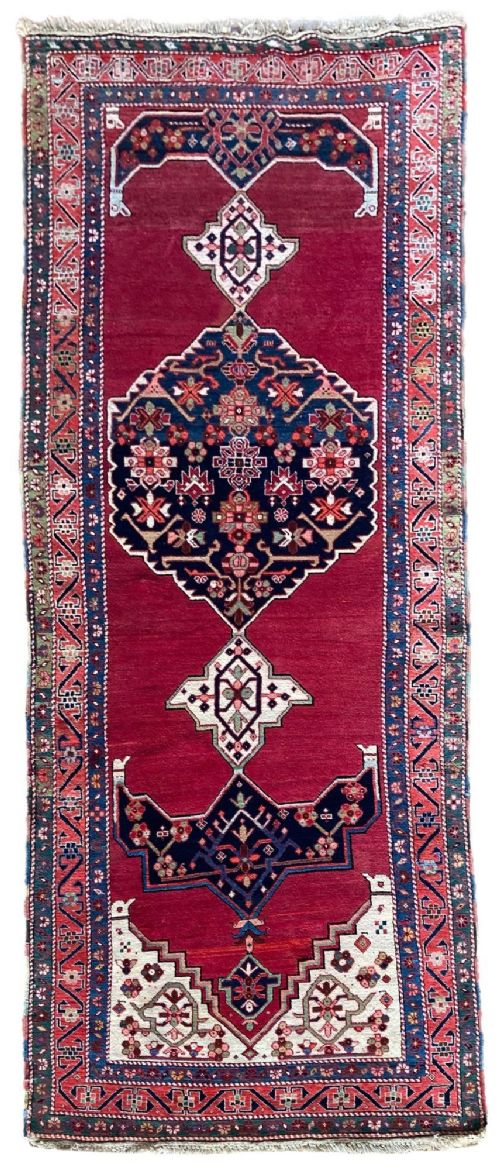


Vintage Karabagh Rug
A vintage karabagh rug brings rich Caucasian and Armenian weaving traditions into a room through distinctive geometric patterns and deep wool pile.
Vintage Karabagh Rug
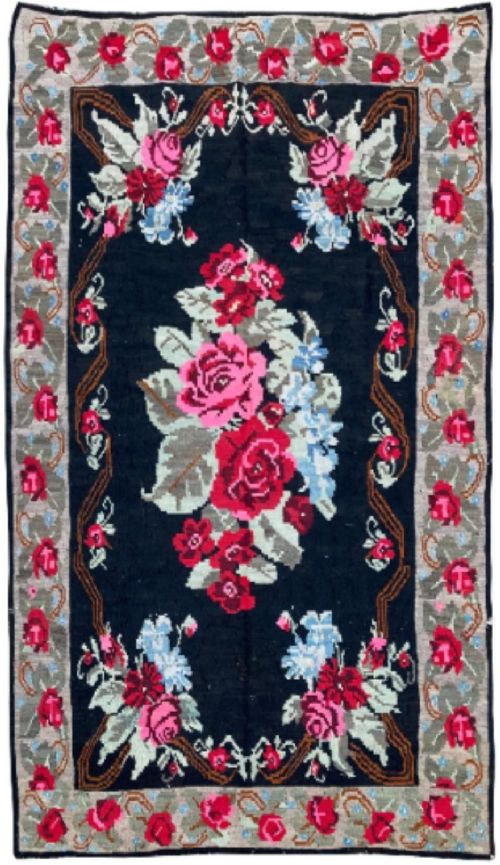
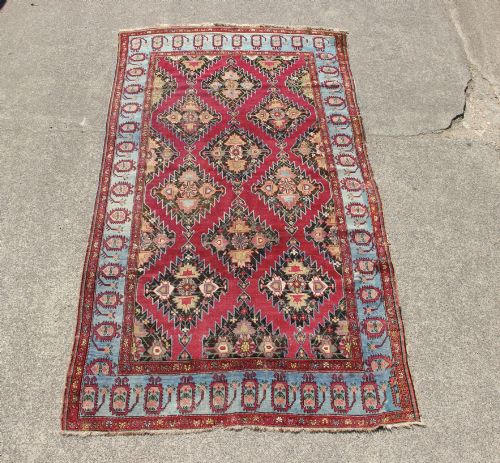
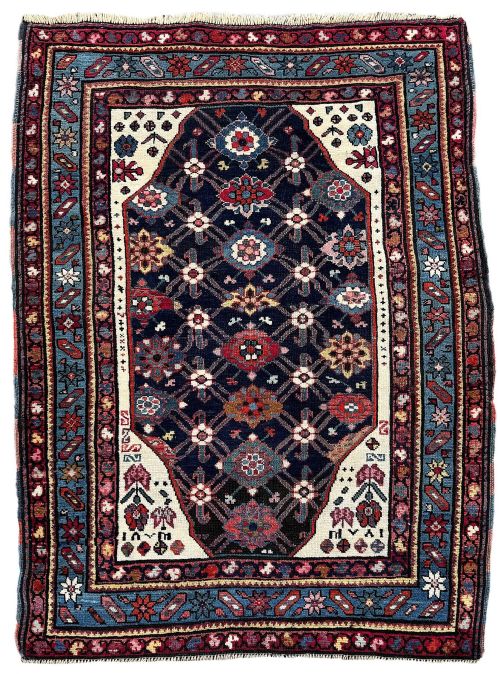
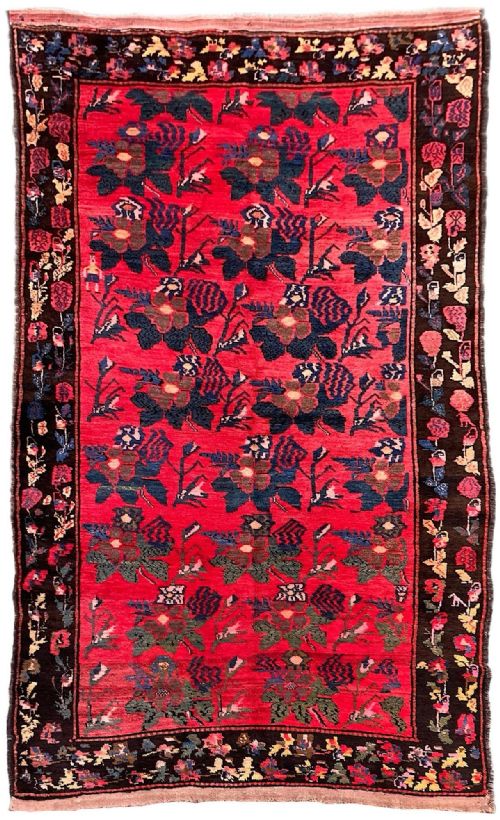
When you search for a vintage karabagh rug, you are looking at woven floor coverings originating from the Karabagh region in the Caucasus, spanning periods from the nineteenth century through the early decades of the twentieth century. These pieces appear in multiple formats, including standard area rugs, long runners for hallways, kilims, and dedicated prayer rugs.
The pieces on this page demonstrate distinct regional styles such as Caucasian, Caucasian tribal, and Armenian designs. You will encounter formats ranging from compact village rugs under two metres in length to larger carpets stretching past nearly three metres.
How they were made
Weavers constructed these rugs using wool for the plush surface pile and cotton for the underlying foundation warps and wefts. This combination provided structural stability while allowing artisans to build deep, resilient textures.
Production techniques involved both knotting dense pile surfaces and flatweaving kilim structures without pile. Artisans also utilised natural dyes to achieve the striking colour palettes recorded across nineteenth and early twentieth-century examples.
Vintage Karabagh Rug Retail Price Guide 2026
Typical asking prices for vintage karabagh rug among the pieces listed under this phrase on Sellingantiques today, from the lower quarter to the upper quarter. They describe what is for sale here now, not the wider market.
Listings span from the mid-nineteenth century through 1930, predominantly featuring wool and cotton materials across runner and area rug formats.
What varies in quality
The standard of a piece depends heavily on the precision of the knotting or flatweaving and the clarity of the design motifs. Finer examples display tightly packed foundations and sharply delineated medallions that maintain structural integrity over generations.
Another factor is the depth and vibrancy of the dye work, with superior pieces showing rich, harmonious colour combinations that enliven the geometric or figurative compositions. The complexity of the design, such as intricate floral 'blossom' patterns or detailed animal and human figures, also separates standard village pieces from exceptional works.
The Vintage Karabagh Rug Glossary
- Kilim
- A flatwoven carpet or rug made without a pile by tightly interlacing warp and weft threads. These pieces offer a lightweight alternative to traditional piled carpets.
- Medallion
- A central ornamental motif set in the middle of the rug field. Karabagh weavers frequently employed single, double, or triple medallion layouts.
- Boteh
- A teardrop-shaped motif with a curved upper end representing a floral sprout or cypress tree. This pattern appears frequently across regional runner designs.
- Runner
- A long, narrow carpet format designed specifically for corridors and hallways. They share the same wool materials and tribal motifs as larger area rugs.
- Pile
- The upright loops or cut ends of yarn that form the soft surface of a rug. Traditional Karabagh examples use wool pile for warmth and durability.
Vintage Karabagh Rug: Frequently Asked Questions
How do I clean a vintage rug?
Vacuum gently without using a rotating brush bar to protect the wool fibres and foundation.
For deeper cleaning, consult a professional specialist experienced in antique textiles rather than using home chemical treatments.
Where were these rugs made?
These textiles originate from the Karabagh region situated in the South Caucasus. Artisans in local villages and communities produced them using traditional techniques passed down through generations.
Many pieces reflect a blend of Caucasian and Armenian cultural influences in their specific regional designs.
How do I identify a prayer rug?
Prayer rugs feature a distinct architectural niche design, often shaped like a pointed arch or mihrab at one end. Users knelt on these specific formats during daily devotions.
The compact dimensions made them portable and easy to position within a home.