

Vintage Reading Stand
A vintage reading stand brings adjustable mechanics and solid timber into a study, holding books at the proper angle for the eye.
Vintage Reading Stand
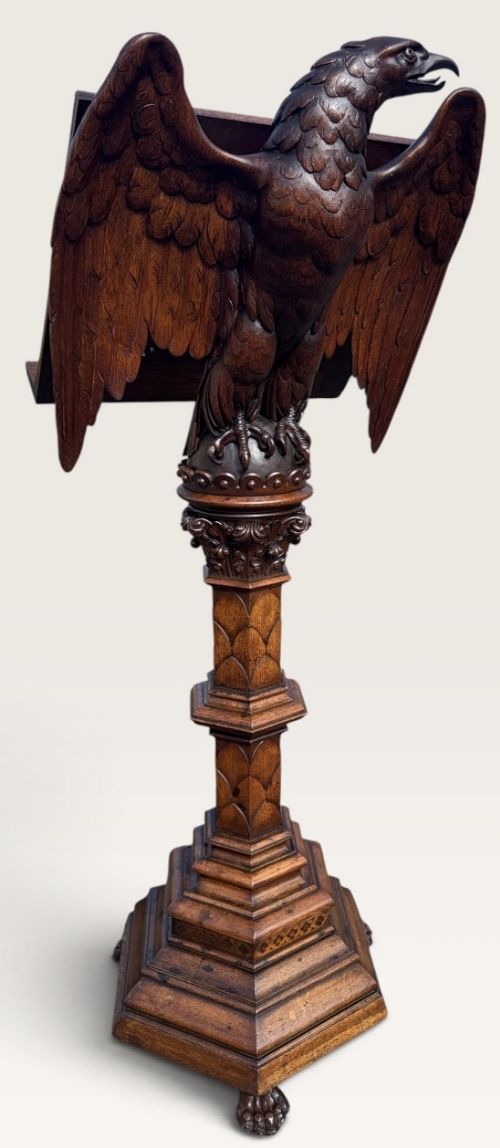
A vintage reading stand serves as a dedicated support for books and papers, often appearing in forms such as floor-standing lecterns, adjustable tables, and desk-top book rests. These pieces originate from periods spanning the nineteenth century through the Edwardian era and the 1930s, reflecting utilitarian needs in homes, libraries, and churches.
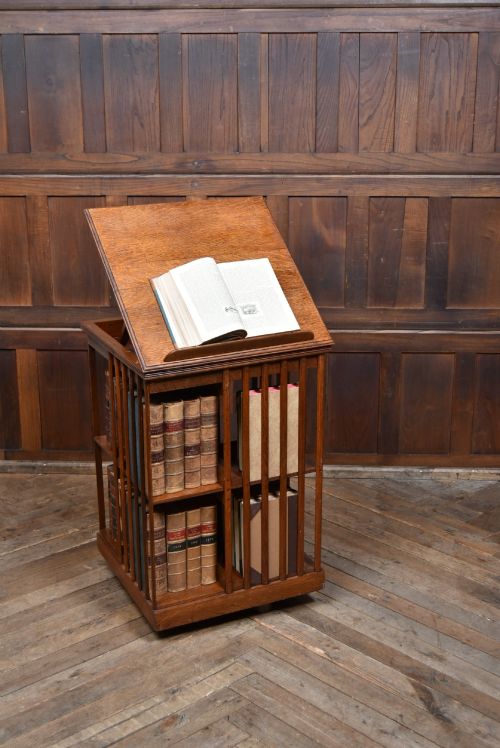
The most common versions met on this page combine timber frames with mechanical adjustment mechanisms, including revolving bookcases and table-top lecterns. Oak, mahogany, and walnut appear frequently alongside brass and cast iron fittings.
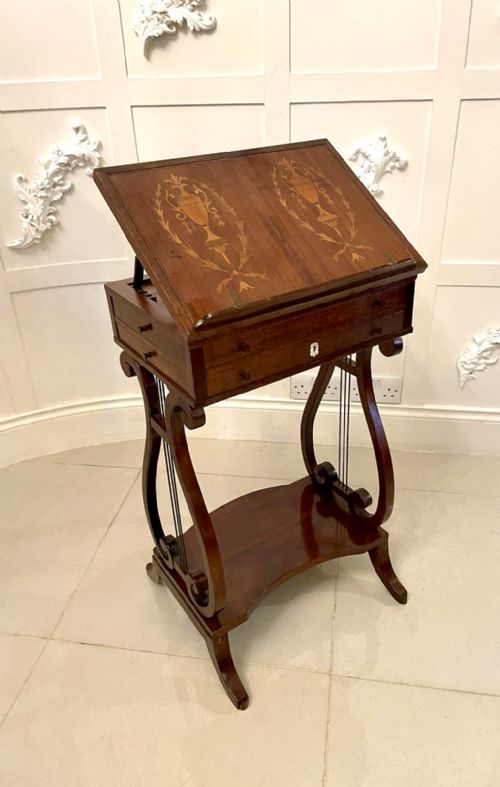
Makers and designers constructed these stands to adjust in height or angle, accommodating the reader seated in an armchair or standing at a desk. Their forms range from simple pine book rests to elaborate inlaid mahogany reading tables.
How they were made
Craftsmen utilised hardwoods such as mahogany, oak, and burr walnut, often joining them with traditional cabinet-making techniques like dovetailing and mortise and tenon joints. Metal components in brass, copper, and cast iron provided the adjustable joints and weighted bases required for floor lamps and reading stands.
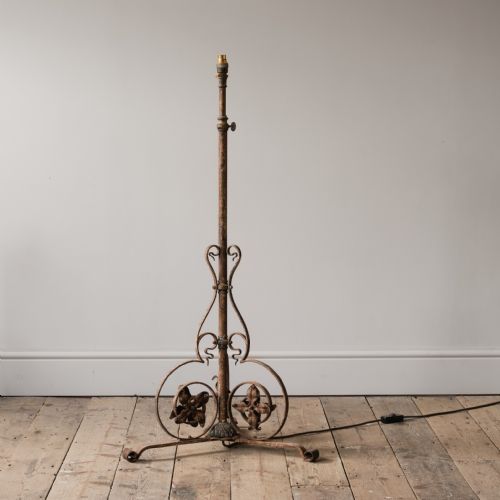
Surface treatments included polishing timber to reveal the grain, carving decorative motifs in oak, and applying painted finishes or inlay to mahogany surfaces. Blacksmith-made pieces incorporated hand-hammered iron and simple mechanical screws to control height and tilt.
Listings feature oak, mahogany, and walnut woods alongside brass, cast iron, and pine across the Victorian, Edwardian, and Regency periods.
What varies in quality
The weight and gauge of the metal components determine the stability of an adjustable stand, with solid brass and heavy cast iron offering superior durability compared to lighter plated alternatives. Finer items feature smoothly operating ratchets, screws, and hinges that hold positions securely without slipping.
Timber selection and secondary framing dictate the structural integrity of bookcases and reading tables, where dense mahogany and quarter-sawn oak withstand daily manipulation better than softer pine. Hand-carved details and precise inlay work distinguish standard production items from exceptional pieces.
Osborne Garrett Co·Maison Bagues
The Vintage Reading Stand Glossary
- Lectern
- A slanted support designed to hold a book at an angle for reading aloud or studying. These frequently appear in oak or pine for church and library use.
- Revolving bookcase
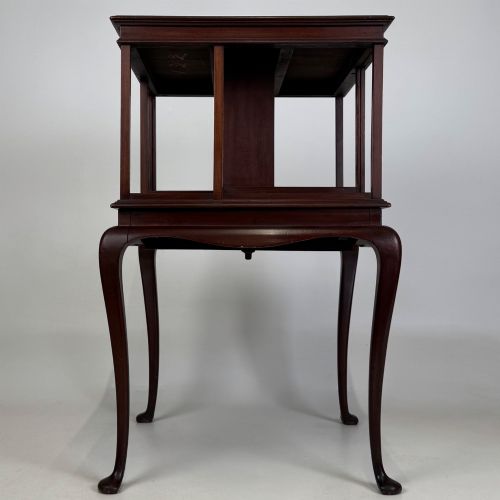
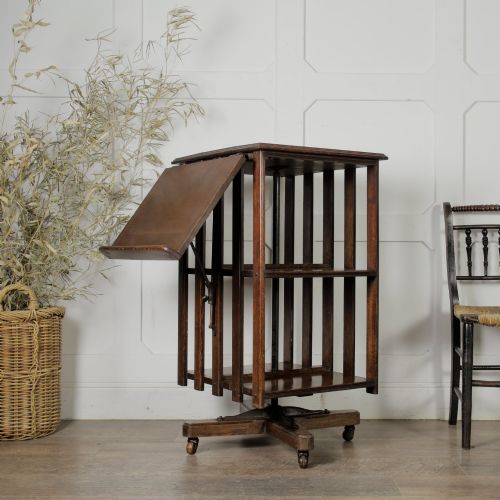
- A small bookcase mounted on a rotating pivot so that volumes remain accessible from multiple angles. Edwardian examples often utilise solid oak or mahogany.
- Canterbury
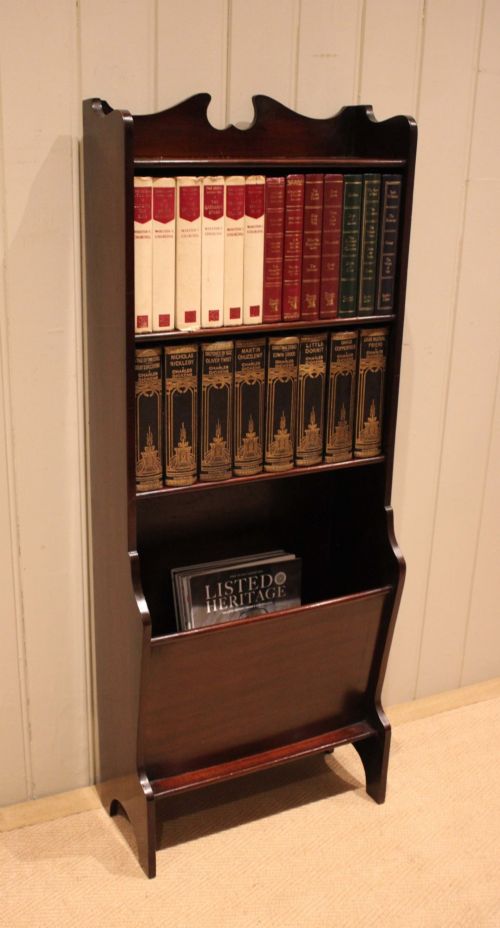
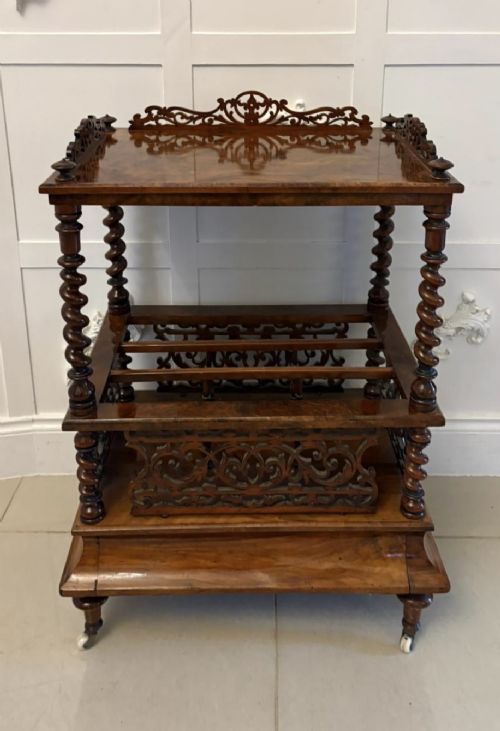
- A low piece of furniture featuring partitions for holding sheet music, magazines, or books. Victorian versions in burr walnut often double as occasional tables.
- Standard lamp
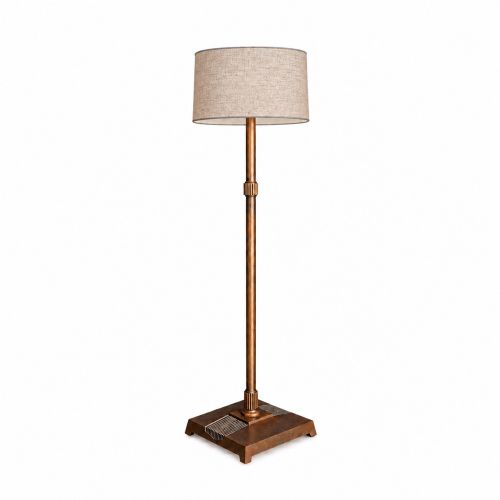
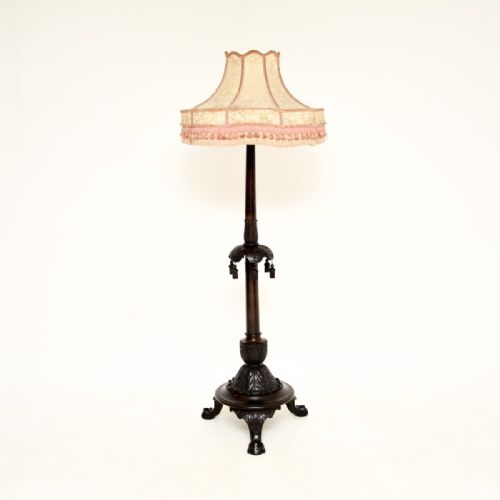
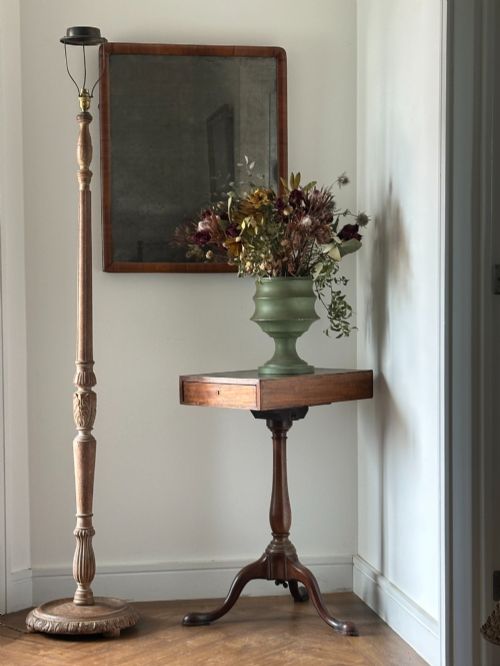
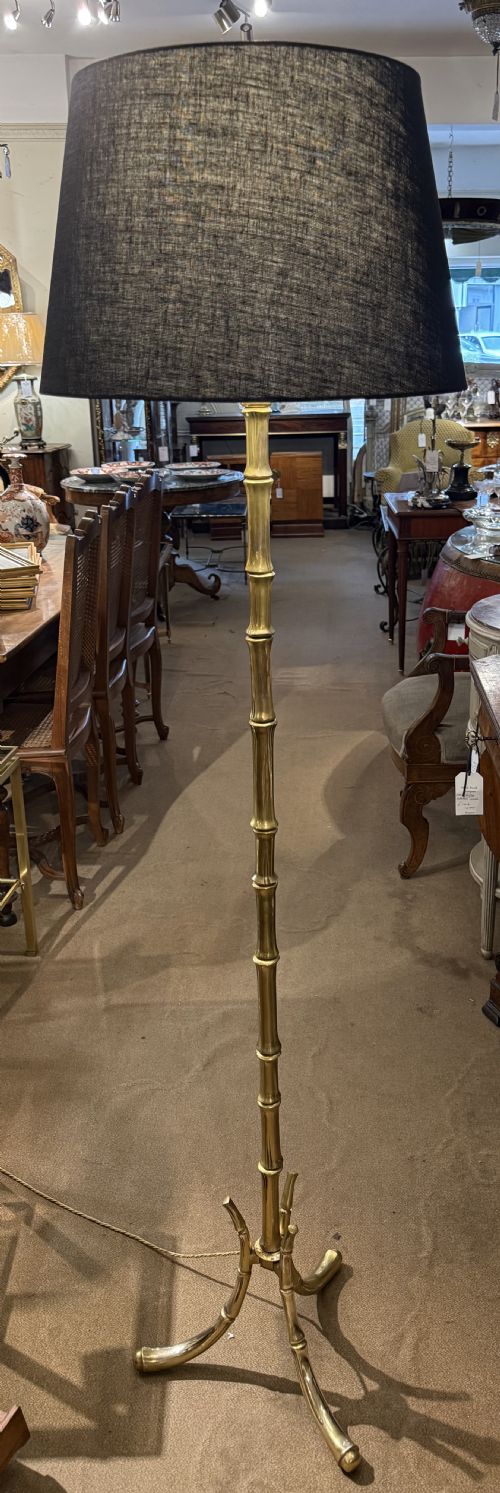
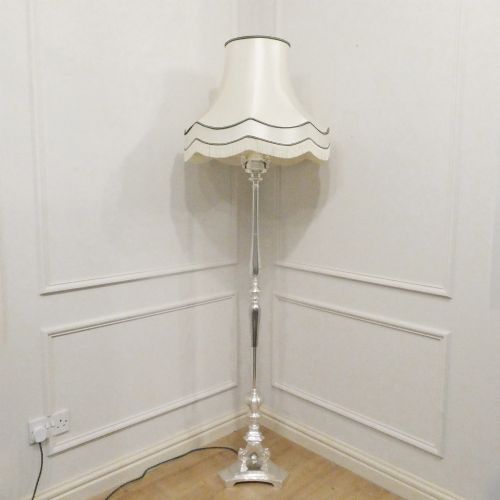
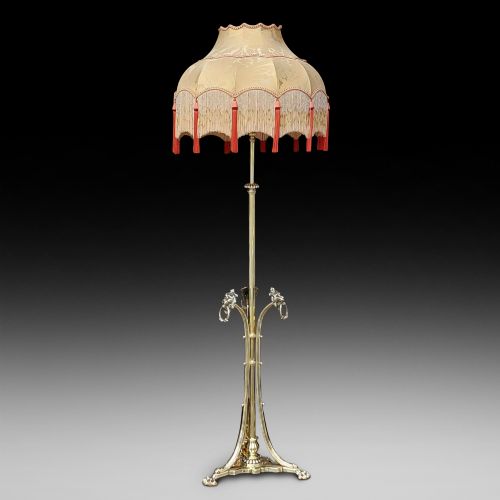
- A tall floor-standing lamp base that sometimes incorporates reading arms or adjustable heights. Brass and carved oak versions appear across several periods.
- Bouillotte lamp
- An adjustable multi-light candle or electric lamp derived from eighteenth-century card table lighting. Nineteenth-century examples often feature metal shades.
Vintage Reading Stand: Frequently Asked Questions
How do I adjust a reading stand?
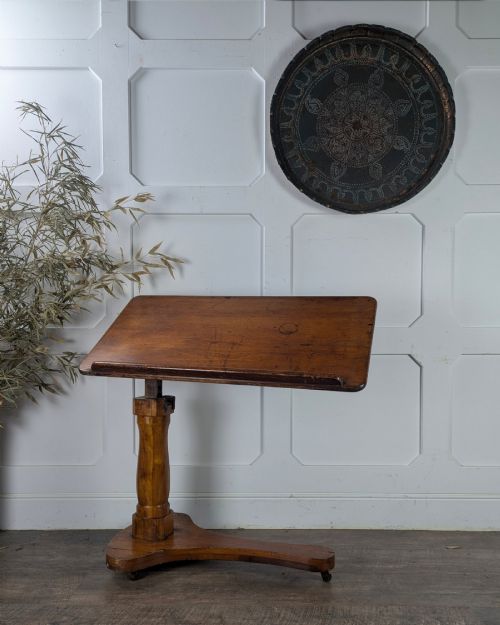
Most vintage reading stands utilise a sliding brass screw, a metal ratchet, or a weighted pivot mechanism to alter the angle and height of the desk top. Users loosen the central thumb screw or lift the support arm to the desired notch before securing it tightly.
Forcing a stuck mechanism can damage the threaded metal or split the surrounding wood. Applying a light machine oil to rusted joints helps restore smooth movement to nineteenth-century iron and brass fittings.
Where should I place a reading stand?
A reading stand suits a study, library, or corner of a living room where books or reference volumes remain in frequent use. Floor-standing lecterns sit well beside armchairs, while smaller desk-top models rest upon side tables or mahogany bookcases.
Keeping timber stands away from direct heat sources prevents the mahogany or oak from drying and splitting. Adequate natural or lamp light directed onto the slanted surface ensures comfortable reading.
What is the difference between a lectern and a book rest?
A lectern generally stands on its own floor-holding column or acts as a substantial table-top pedestal designed for public reading or study. These pieces often feature an inclined wooden ledge to prevent heavy volumes from sliding off.
A book rest is typically a smaller, portable accessory placed upon a desk or table to prop up single volumes. Nineteenth-century examples in mahogany or cast iron are compact enough to be moved easily.
How do I clean a mahogany reading table?
Dusting the timber regularly with a soft, dry cloth prevents dirt from accumulating in the carved details and recessed panels. Applying a traditional beeswax polish feeds the wood and maintains its natural sheen without creating a sticky buildup.
Harsh chemical sprays and excessive water damage the polish and grain of vintage mahogany and oak. Metal brass components benefit from occasional gentle cleaning with a specialised non-abrasive cloth to remove tarnish.