
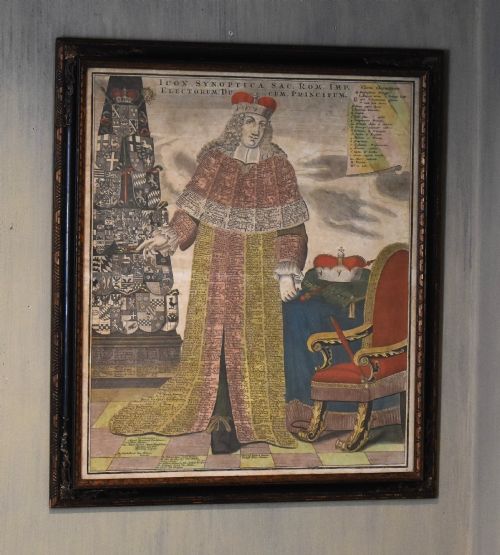


Vintage Portrait Etching
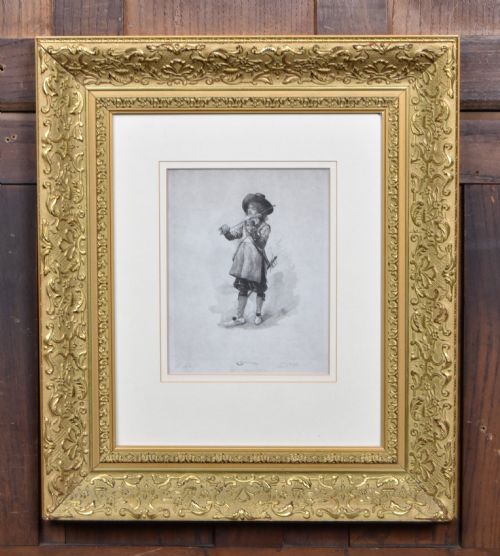
These vintage portrait etching pieces bring character to a room through inked line and paper, offering a direct link to past portraiture traditions.
Vintage Portrait Etching
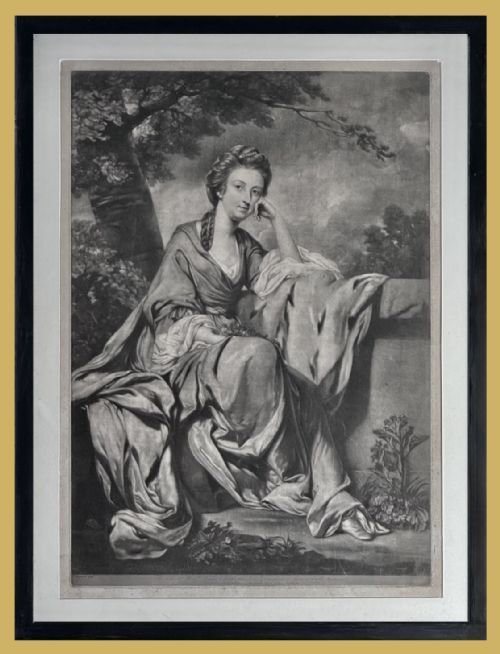
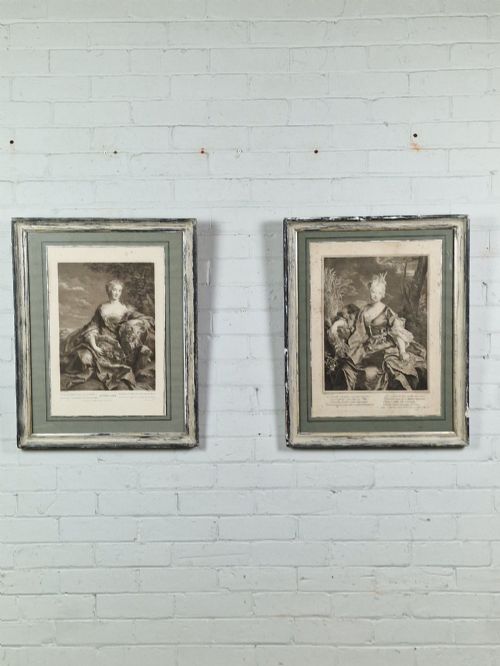
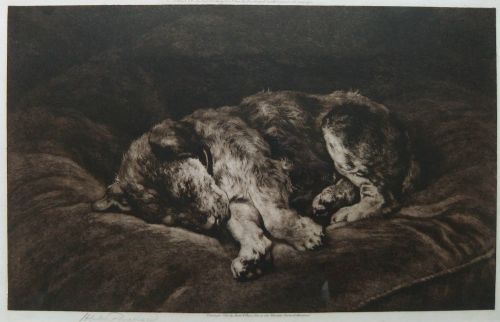
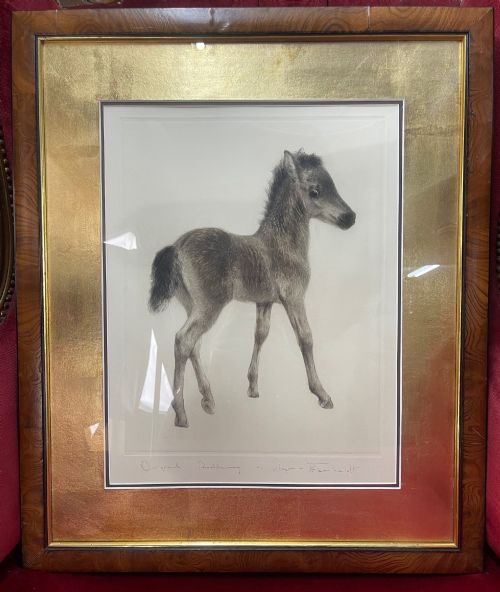
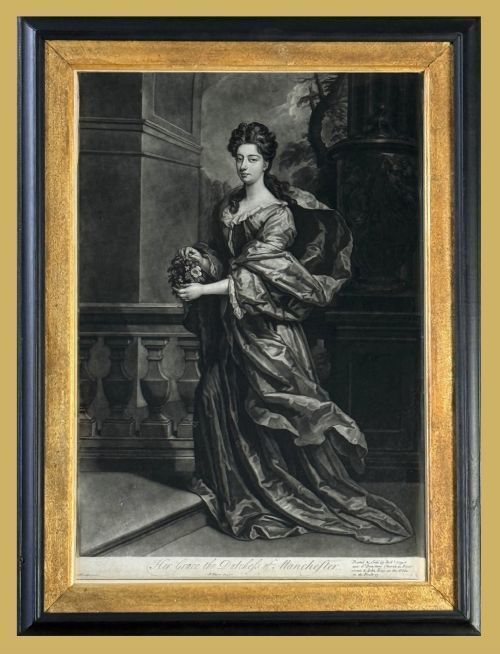
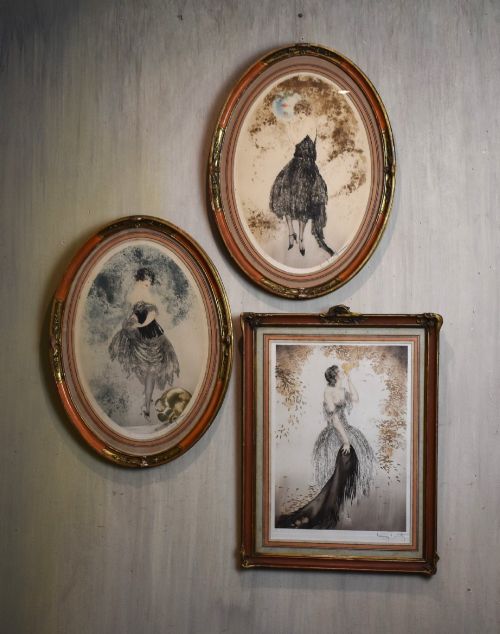
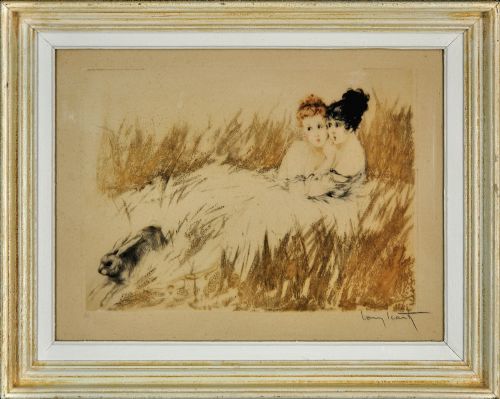
A vintage portrait etching brings together works created across multiple eras, ranging from eighteenth-century prints to early twentieth-century drypoints. Buyers seeking this style encounter framed art and wall pieces that capture human and animal subjects with fine inked detail.
The selection on this page leans heavily towards twentieth-century works, alongside earlier nineteenth-century prints and eighteenth-century examples. These pieces employ paper as a primary surface, often framed under glass within wood surrounds.
Materials and methods
Makers utilised ink applied to plates for etching and drypoint techniques, pressing the design into paper sheets. Many works incorporate graphite and hand-coloured elements to enrich the finished print.
Frames rely on wood and glass to protect the paper surface, with occasional instances of gold leaf or gilt detailing accentuating the display.
Listings span from the eighteenth century through the 1940s, featuring paper, glass, wood, ink, and gold leaf.
Judging quality in print work
The clarity of the inked line distinguishes finer impressions from softer, worn strikes. Strong plate marks and crisp definition in the subject indicate careful execution.
The harmony between the original print and its period framing contributes to the integrity of the piece. Retaining good condition on the paper surface without excessive fading preserves the visual impact.
The Vintage Portrait Etching Glossary
- Etching
- A printmaking process where acid bites lines into a metal plate to hold ink. The resulting plate transfers fine, sharp details onto paper.
- Drypoint
- A printmaking technique where an artist scratches directly into a metal plate with a sharp needle. This method raises a burr that creates soft, velvety lines when printed.
- Mezzotint
- A tonal printmaking method where the plate is roughened uniformly to produce rich darks and subtle gradations of light. It allows for smooth transitions in portraiture.
- Plate mark
- The indentation left on the paper by the edge of the printing plate under pressure. It serves as an indicator of an authentic intaglio print.
- Gilt
- A thin layer of gold applied to wood or metal frames. It provides a reflective decorative border around the artwork.
Vintage Portrait Etching: Frequently Asked Questions
How do I clean the glass?
Wipe the glass gently with a soft cloth dampened with a mild glass cleaner. Apply the liquid to the cloth rather than spraying it directly onto the frame to protect the paper within.
Keep moisture away from the wooden edges and the back seal to prevent water damage.
Can I hang these in sunlight?
Direct sunlight causes paper to yellow and ink to fade over time. Position these framed works away from windows that receive intense daily rays.
Using conservation glass with UV protection helps shield the delicate pigments and paper fibres.
What frames suit these pieces?
Period wood and gilt frames complement the traditional nature of these prints. Ensure the mounting materials are acid-free to prevent discoloration of the paper.
A simple wooden frame also works well for twentieth-century examples without overwhelming the subject.
How are drypoints identified?
Drypoint lines exhibit a characteristic rich, velvety burr because the needle pushes metal up rather than cutting it away. This creates a slightly blurred, textured edge in the printed line.
Close inspection under magnification reveals this raised ink quality unique to the drypoint method.