


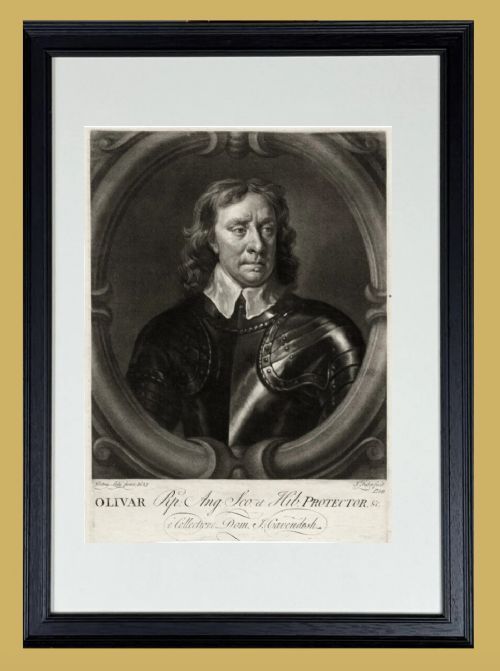
Framed Monochrome Portrait Print
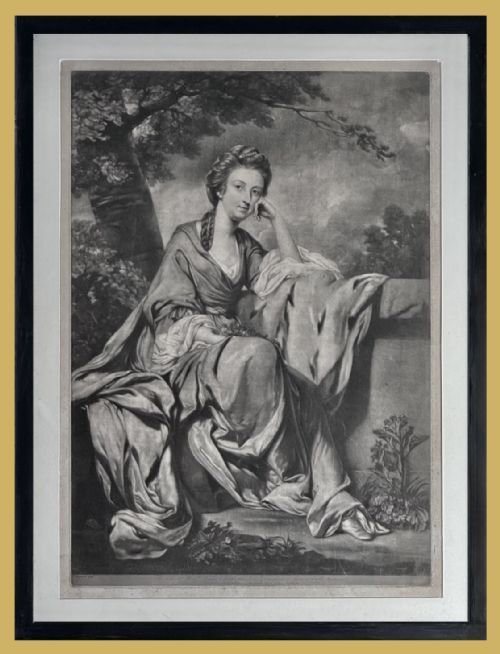
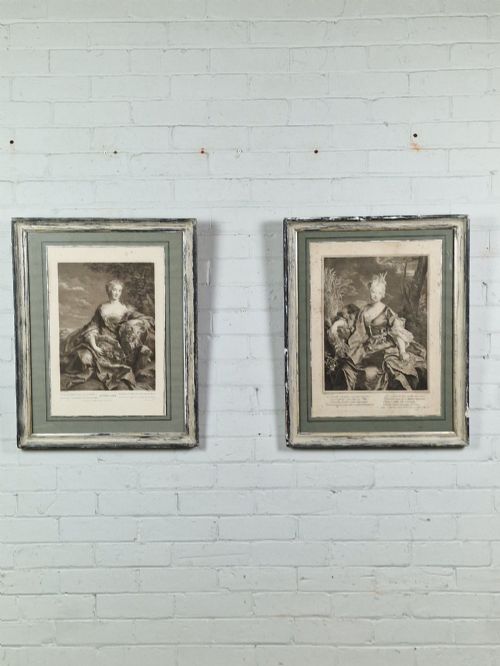
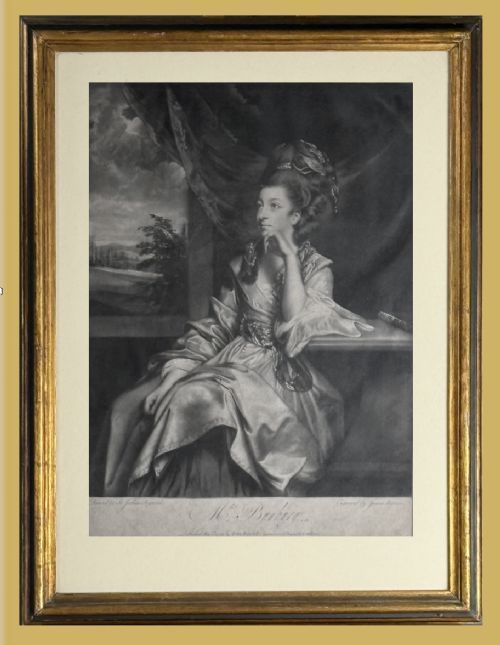
A framed monochrome portrait print brings historical presence to a wall through tonal depth and engraved line.
Framed Monochrome Portrait Print
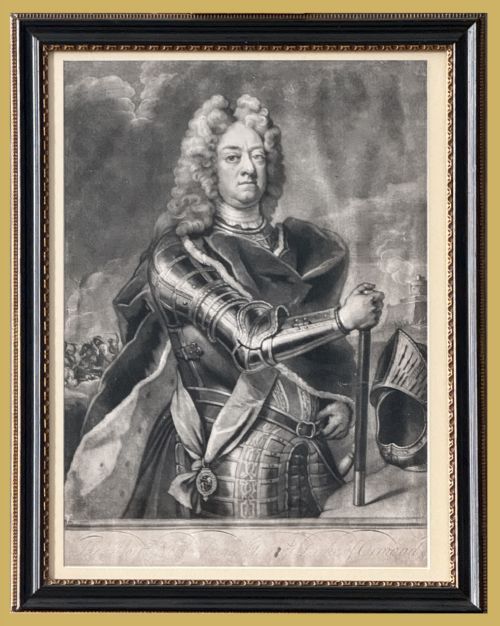
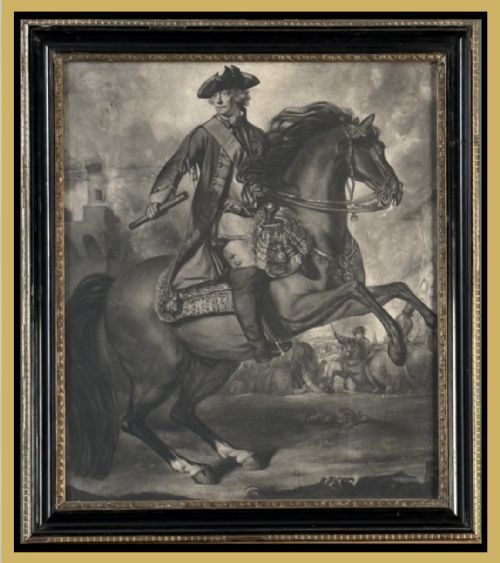
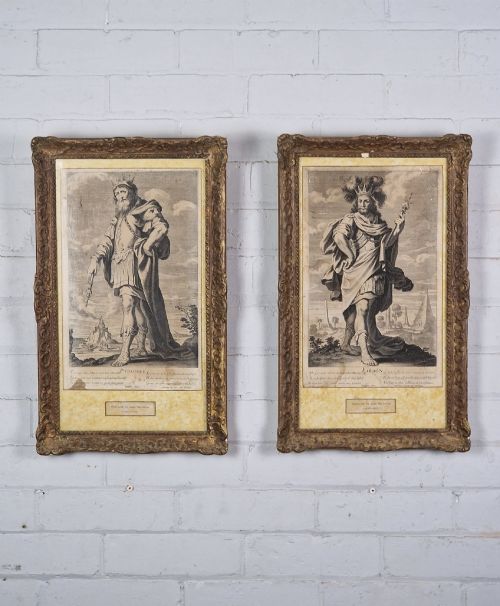
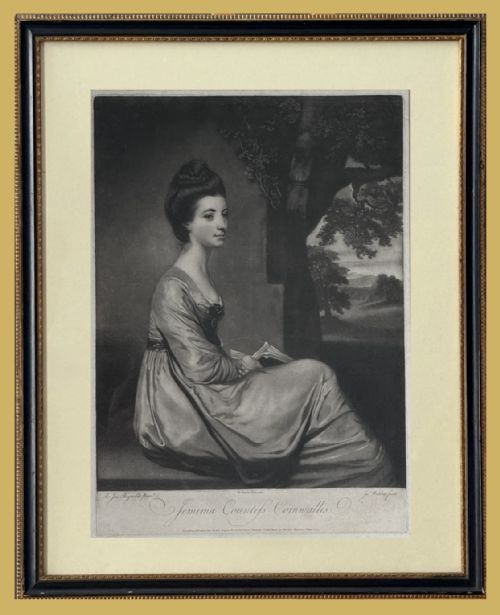
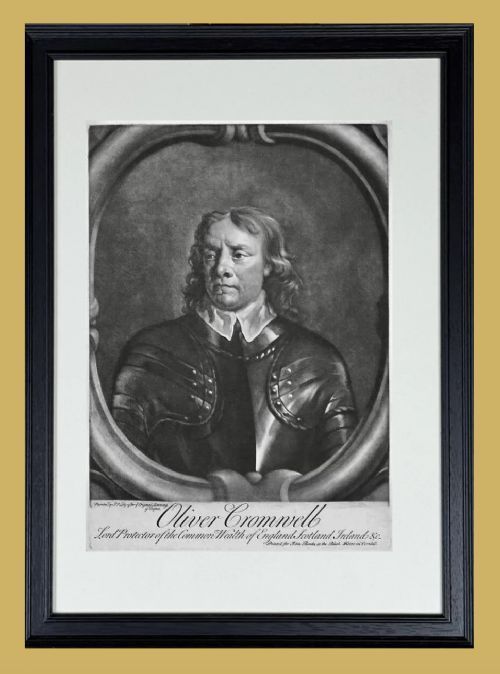
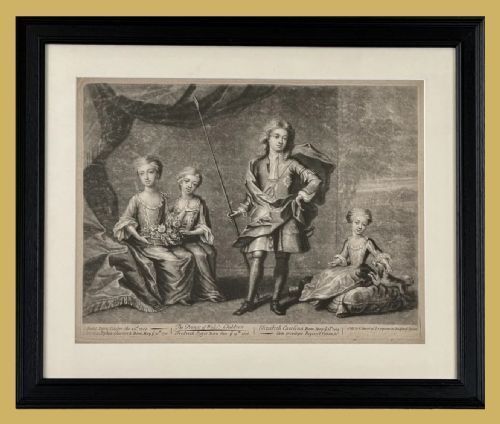
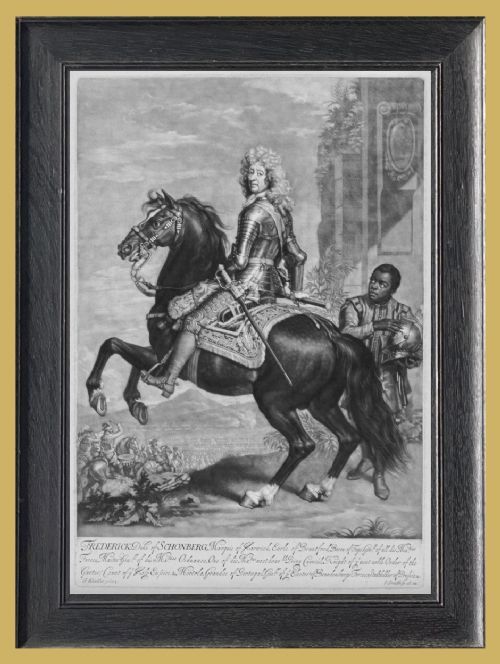
A framed monochrome portrait print displays historical likenesses through printed ink upon paper, predominantly originating from the seventeenth, eighteenth, and nineteenth centuries. These works frequently record nobility, royalty, and notable figures captured by prominent painters of their respective eras.
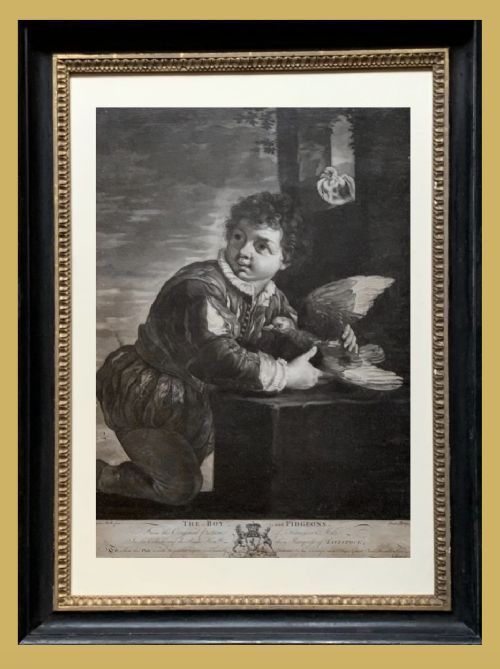
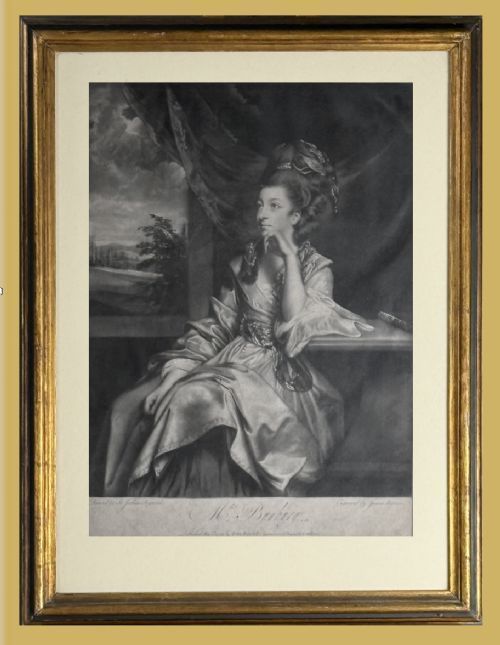
The selection here encompasses mezzotints, line engravings, and drypoints housed within period frames of wood, gilt, and ebonised finishes. Buyers encounter works produced by skilled engravers translating canvases by masters such as Sir Joshua Reynolds and Sir Peter Lely.
Stylistic influences range across Georgian, Baroque, and Victorian aesthetics, offering varied compositional approaches from formal court portraiture to intimate character studies. Each piece relies entirely on tonal gradation rather than colour to communicate form and expression.
Quality variations
The skill of the individual engraver translating the original painted portrait dictates the artistic merit of the final print. Master printmakers captured subtle psychological nuances and textures of fabric with greater fidelity than lesser contemporaries.
The integrity and period appropriateness of the frame influence the overall character of the piece. Surviving early frames featuring original gilding or ebonised surfaces enhance the historical context of the monochrome artwork.
John Simon·Edward Fisher·John Boydell·James Watson·John Smith·Jacobus Houbraken·Valentine Green·Thomas Frye
The Framed Monochrome Portrait Print Glossary
- Mezzotint
- A printmaking process where the metal plate is roughened uniformly to hold ink for dark tones, then scraped to create lighter areas. This technique produces rich, velvety tonal gradations particularly suited for portraiture.
- Engraving
- A method of cutting lines directly into a metal plate with a burin to hold ink for printing. It results in precise, clean lines that define form and shadow.
- Drypoint
- A printmaking technique where a sharp needle scratches lines directly into a metal plate, creating a raised burr that yields soft, blurred lines when inked. This process limits the number of clear impressions possible before the burr wears down.
- Ebonised
- Wood treated with a chemical stain or black finish to imitate ebony. This dark framing style was popular during various historical periods to provide high contrast.
- Gilt
- A thin layer of gold applied to wood or metal surfaces within picture frames. It adds reflective warmth around the monochrome image.
Framed Monochrome Portrait Print: Frequently Asked Questions
How do I care for antique paper prints?
Keep framed monochrome portrait prints away from direct sunlight to prevent the ink and paper from fading over time. Maintaining stable indoor humidity levels protects both the paper substrate and the antique wooden frame from warping or degradation.
Ensure that the glass pane remains intact and properly sealed to guard against dust and moisture accumulation. Professional framing with acid-free backing materials provides the best long-term preservation for these historical works.
What is a mezzotint?
A mezzotint is a printmaking method that builds up rich dark tones and subtle gradations through a roughened copper plate. Unlike line engravings that rely on outlines, mezzotints capture soft shadows and facial expressions effectively.
This technique gained popularity for reproducing oil paintings because it could accurately render the atmospheric qualities of the original canvas. Skilled printmakers scraped highlights into the darkened plate to create striking three-dimensional depth.
How can I date an old engraving?
Dating often relies on the typographic style of the sitter's inscription, the watermark visible within the paper, and the clothing fashions depicted. Biographical dates of the artist, sitter, and engraver provide a reliable window of production.
Examinations of the paper type, such as laid paper with chain lines, frequently indicate eighteenth-century or earlier origins. Frame construction and the presence of original backing boards offer further clues to the age of the assembled piece.
Where should I hang these portraits?
These monochrome works suit studies, libraries, or hallways where traditional decor benefits from historical depth. Their neutral black, white, and grey tones allow them to integrate easily alongside various colour schemes and interior styles.
Grouping several prints together creates a gallery wall effect reminiscent of historic country house displays. Positioning them at eye level ensures the fine details of the engraving or mezzotint can be appreciated up close.