


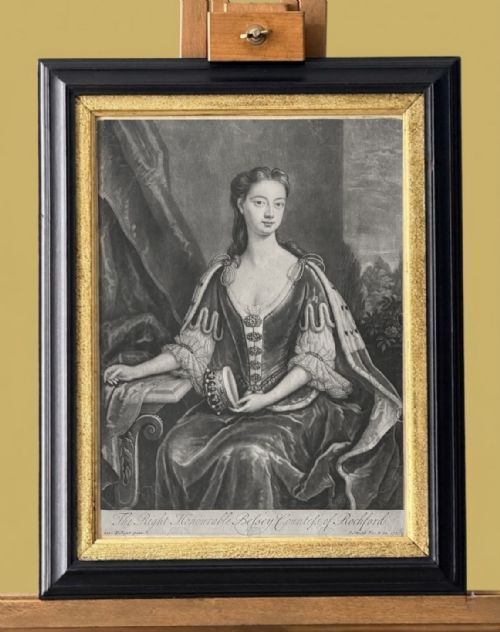
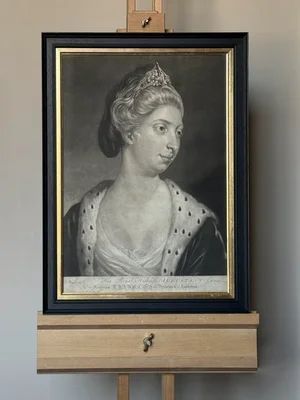
Georgian Mezzotint Engraving
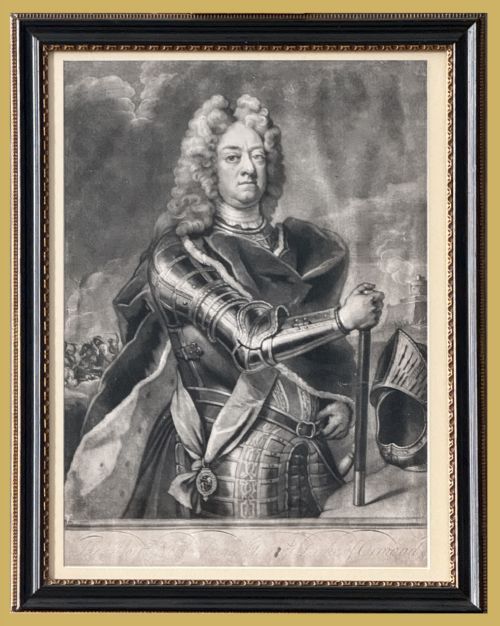
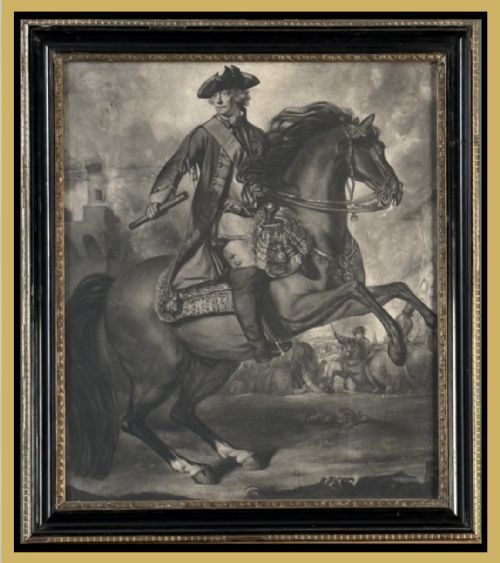
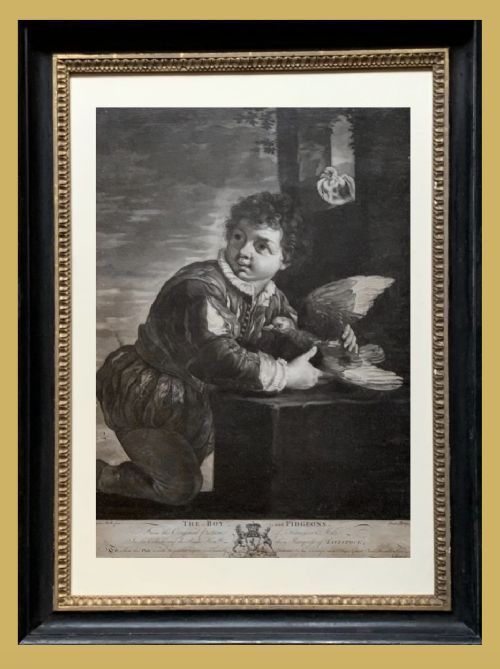
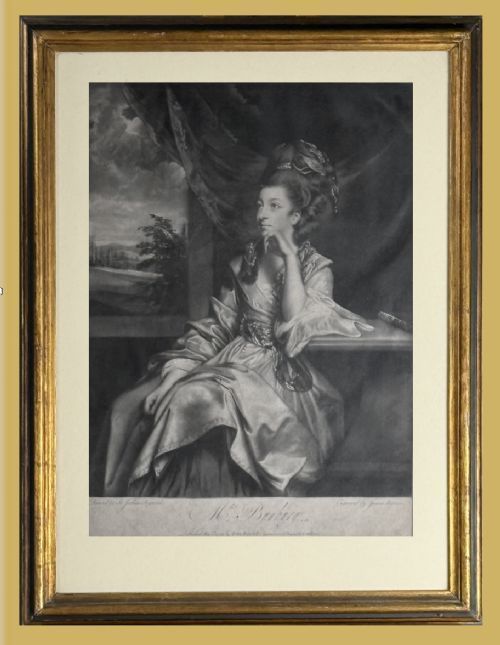
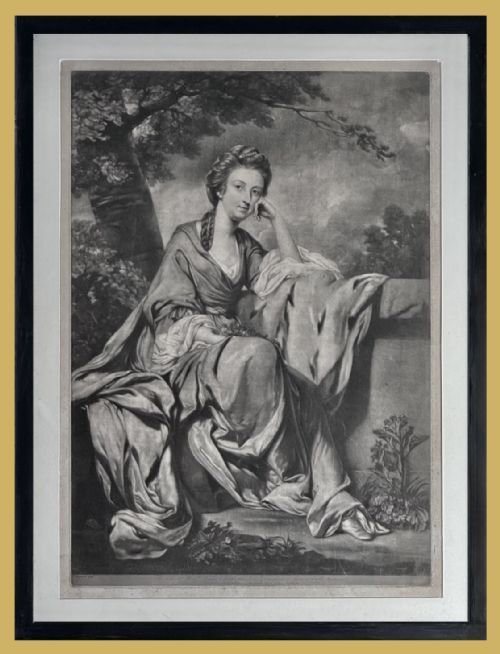
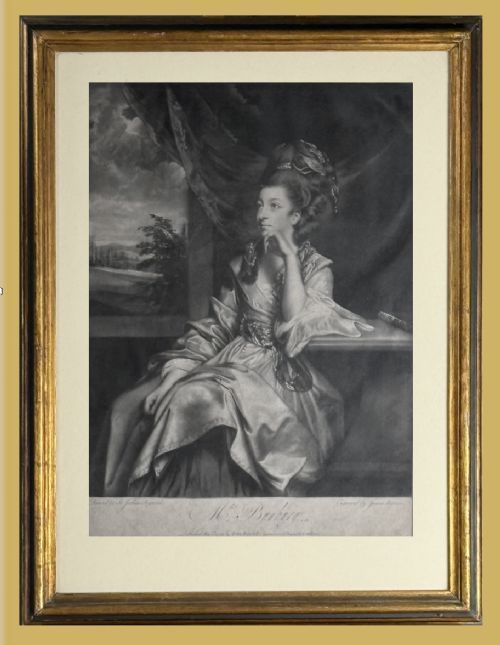
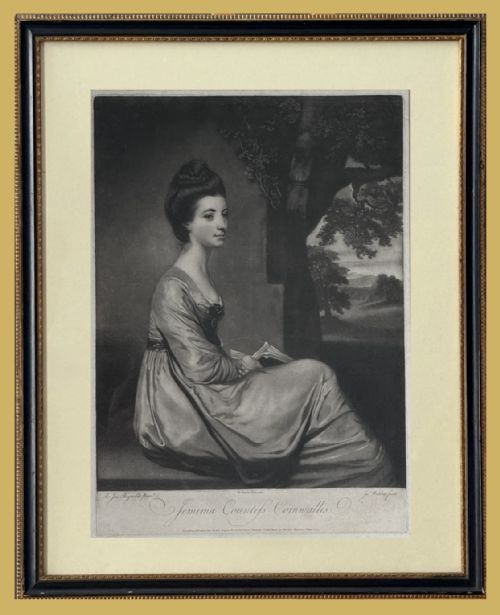
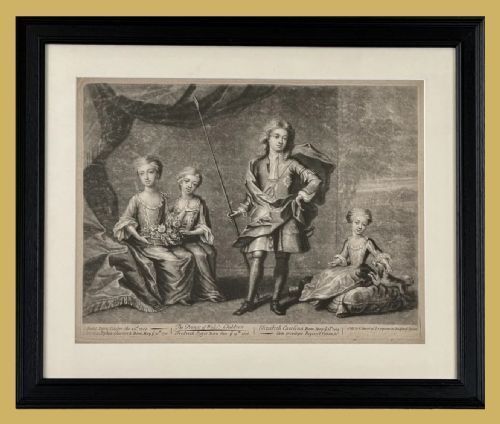
A georgian mezzotint engraving captures the rich tonal depth of the era's portraiture and narrative scenes, offering collectors a striking piece of historical wall art.
Georgian Mezzotint Engraving
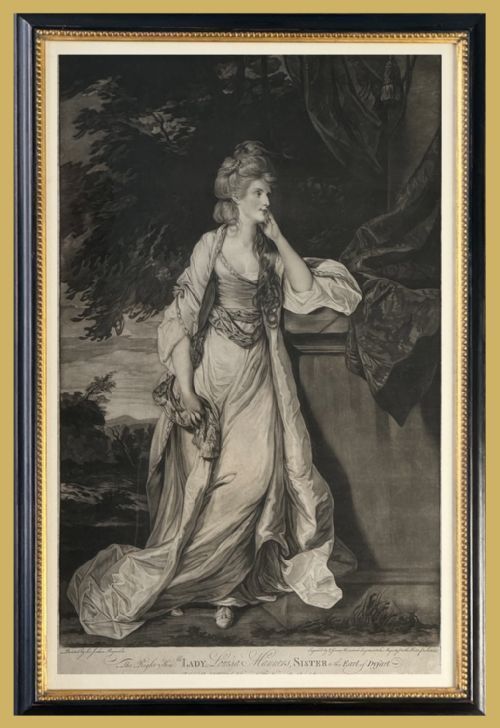
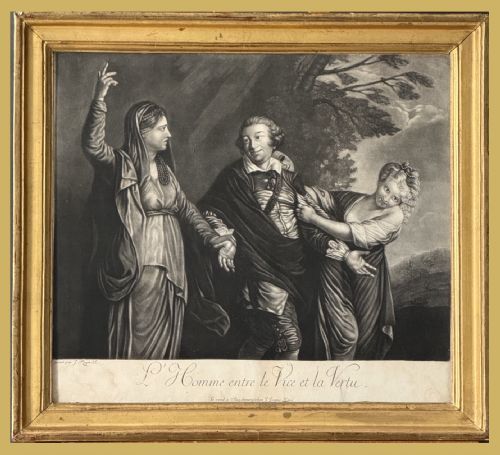
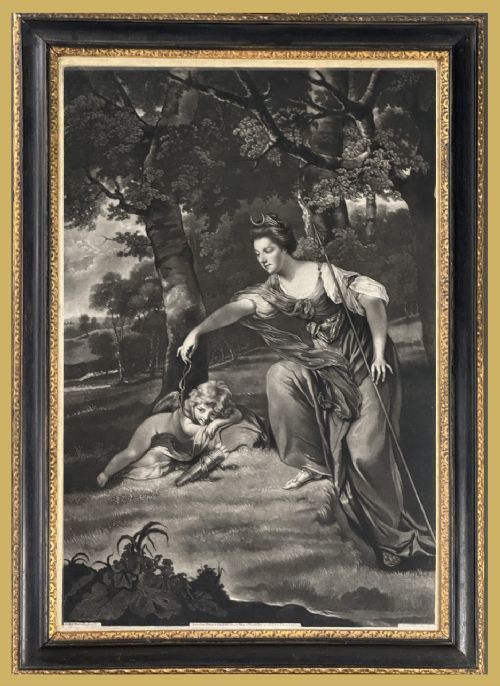
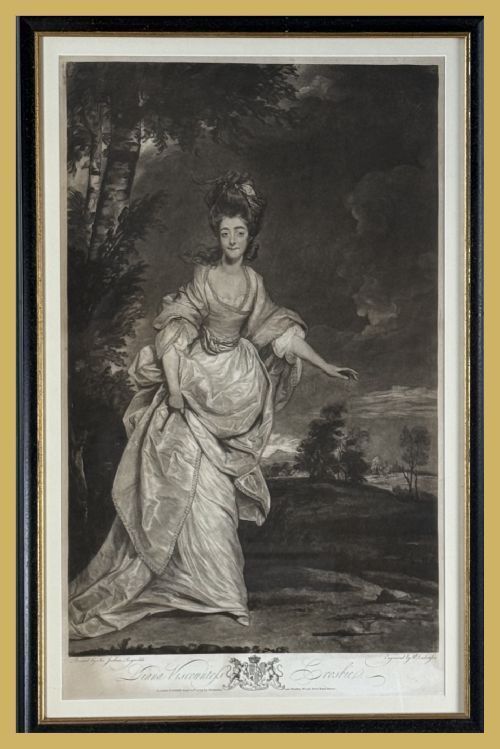
A georgian mezzotint engraving primarily presents as framed wall art, ranging from single portrait prints to paired royal depictions and multi-part sets representing subjects like the seasons.
The pieces on this page heavily feature eighteenth-century portraiture depicting nobility, royalty, and notable figures, alongside narrative compositions after celebrated painters.
While primarily rooted in the eighteenth century, the selection extends through the regency and nineteenth century into later revivals, maintaining the traditional formats of framed prints.
Materials and printmaking techniques
Makers printed these works using dark-to-light ink methods on paper, frequently housing the final plates behind glass and within period wooden frames accented by gold leaf and giltwood.
Certain examples utilise reverse glass techniques, where coloured mezzotints were applied directly to glass surfaces to achieve a distinct luminous quality.
The foundational print work relied on specialised copper plates roughened with a rocker to hold ink, allowing for subtle gradations of shade rather than mere line work.
Listings span paper, glass, wood, and gold leaf, capturing framed art from the eighteenth century through to the twentieth century.
Distinctions across the range
Quality rests heavily on the partnership between the original painter, the skill of the printmaker who translated the canvas onto copper, and the clarity remaining in the paper impression.
The integrity of the surrounding housing also dictates overall standard, particularly where original period frames, giltwood, and protective glass remain intact with the print.
Early impressions pulled from the copper plate exhibit a richness of tone and depth that later restrikes or heavily worn plates simply cannot replicate.
John Simon·Edward Fisher·John Boydell·James Watson·John Smith·Valentine Green·Richard Purcell·Thomas Frye
The Georgian Mezzotint Engraving Glossary
- Mezzotint
- A printmaking process where the copper plate is roughened evenly to hold ink, producing rich dark tones and smooth gradations of light.
- Artist proof
- An early trial or proof print pulled before the main edition, often carrying special significance for collectors.
- Reverse glass
- A technique where the image is painted or applied directly onto the back of a glass panel to be viewed from the front.
- Giltwood
- Wood carved and coated with gold leaf or a gold-coloured finish, commonly found on period frames.
- Engraving
- The general practice of cutting designs into a hard surface, often combined historically with mezzotint plates for lettering or framing lines.
Georgian Mezzotint Engraving: Frequently Asked Questions
How do I hang a framed engraving safely?
These works on paper require stable interior walls away from direct sunlight to protect the ink and paper from fading over time.
Ensure you use appropriate fixings suited to the weight of the period wood and glass frame.
What subjects appear in these prints?
The imagery focuses heavily on contemporary portraits of dukes, countesses, and royals, alongside moral or domestic scenes.
Allegorical sets and pastoral narratives also frequent the medium.
Are these prints original to the period?
The listings span the eighteenth century through the regency and Victorian eras, reflecting authentic historical production periods.
Check individual titles for the specific century or decade attributed to each print.
How should I clean the glass on my frame?
Apply a mild glass cleaner to a cloth rather than directly onto the glass to prevent liquid seeping beneath the rebate into the print.
Take care not to splash moisture onto the giltwood or wooden frame surrounds.