
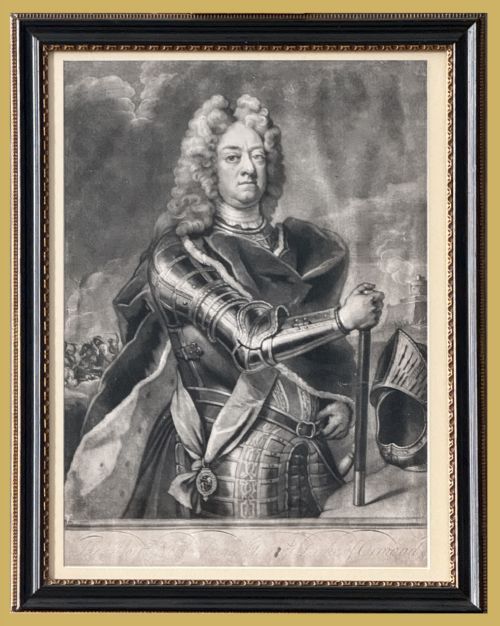
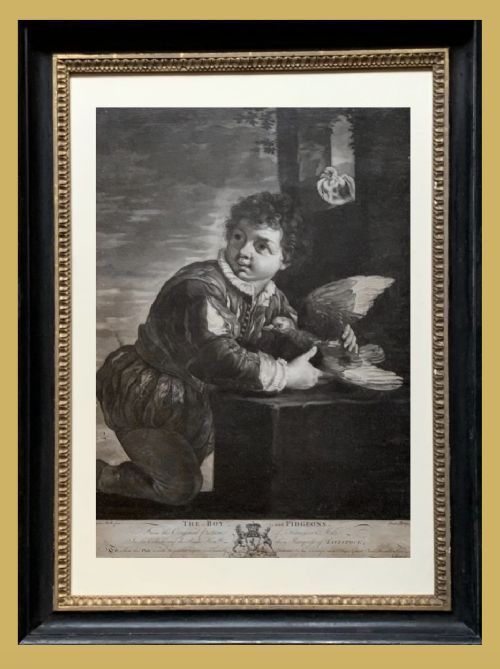
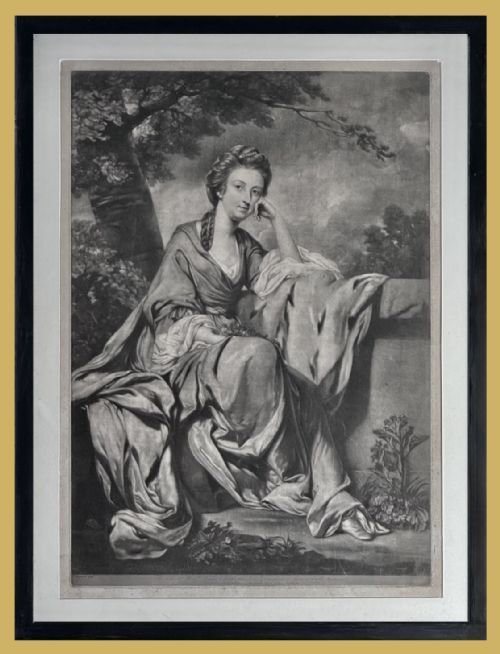


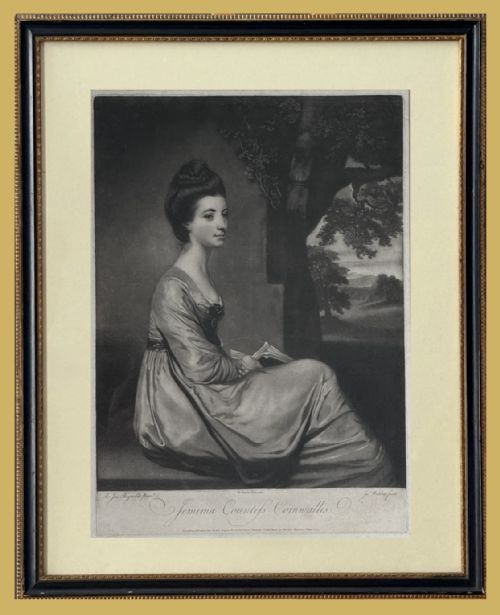
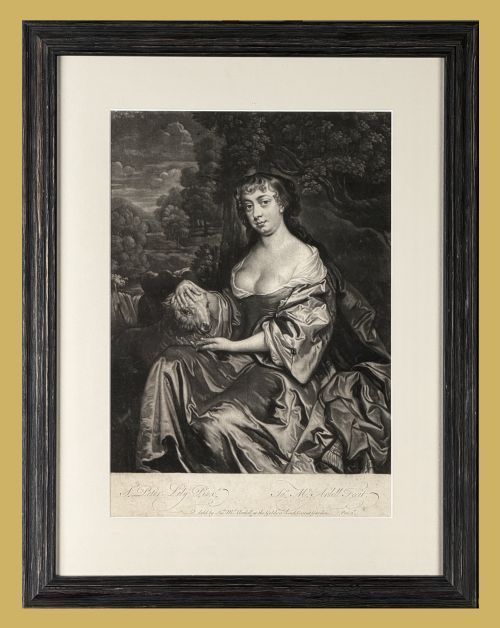
Paper Mezzotint Portrait
A paper mezzotint portrait captures aristocratic grace and historical likeness through rich tonal depth, offering collectors a tactile piece of printmaking heritage.
Paper Mezzotint Portrait
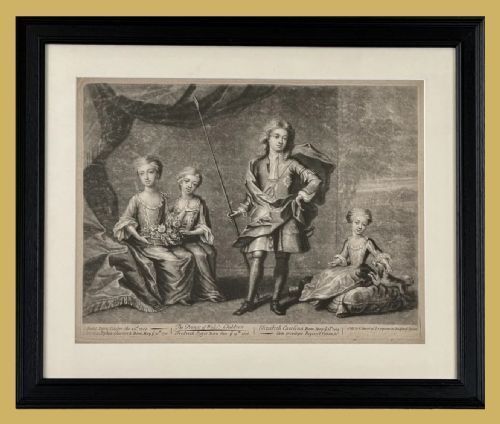
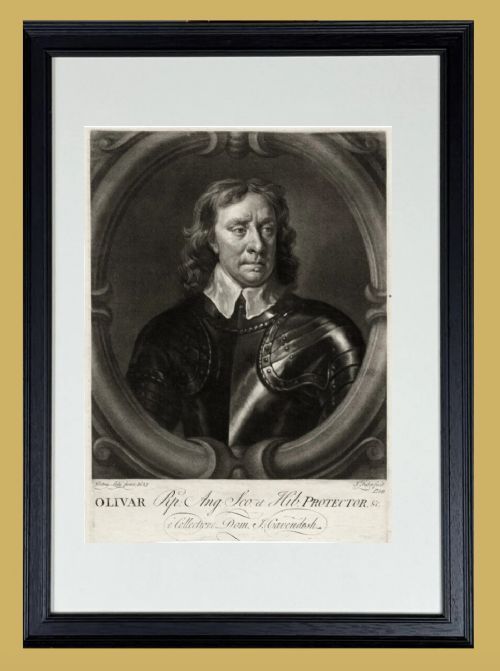
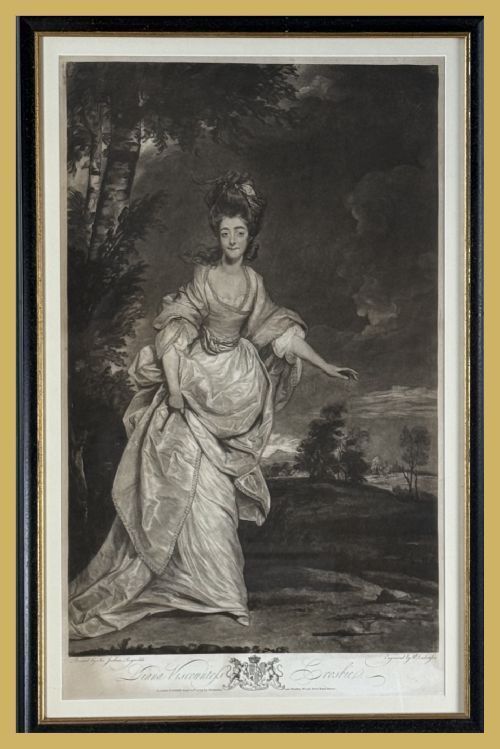
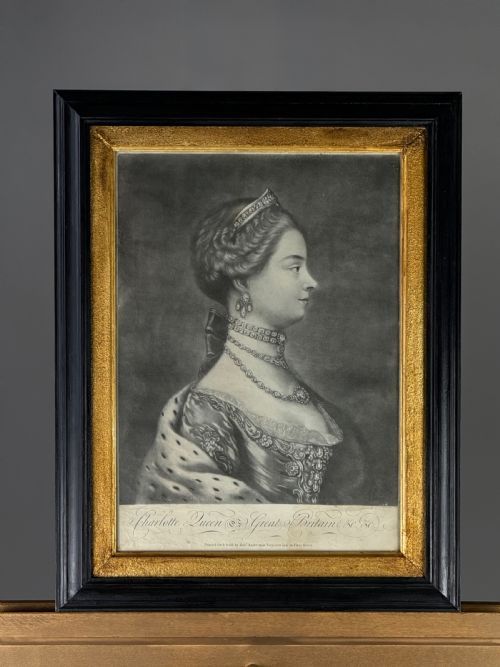
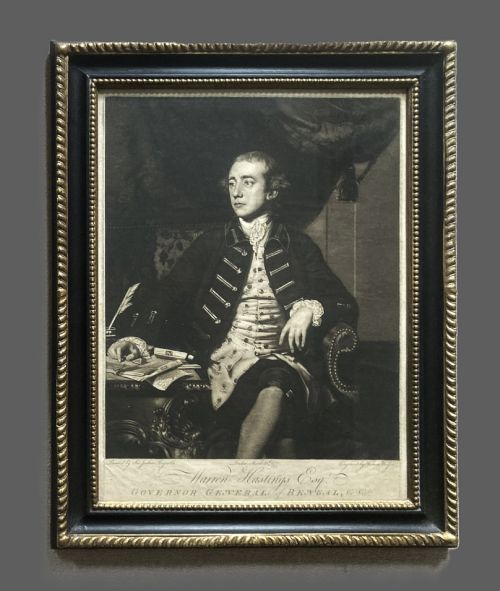
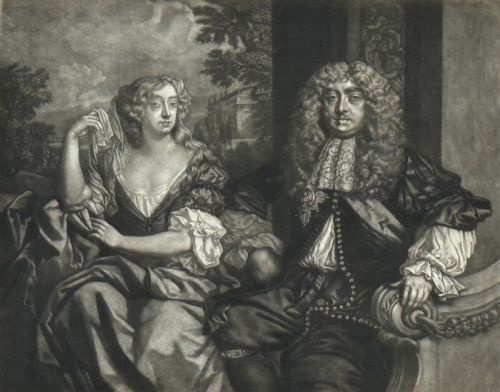
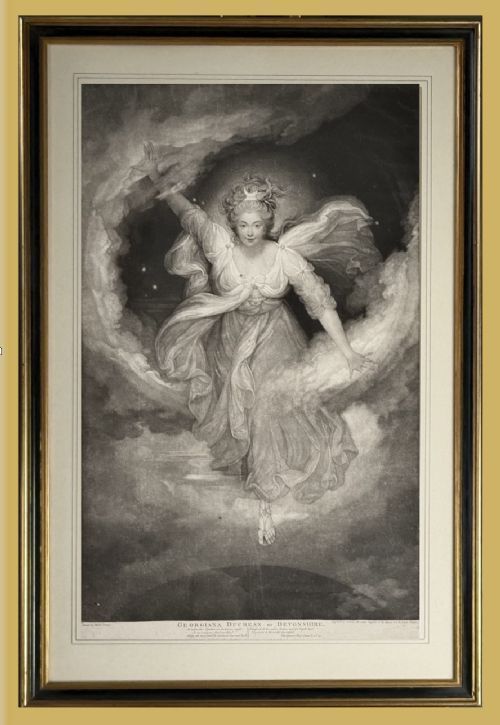
A paper mezzotint portrait presents historical figures, nobility and notable personalities rendered through a distinct tonal printing process. These works emerge primarily from the eighteenth and seventeenth centuries, reflecting Georgian, Baroque and Restoration aesthetics.
Collectors encounter framed prints and wall art spanning the eighteenth century and the seventeenth century, alongside occasional nineteenth century and Regency examples. Subjects range from named aristocrats and royalty to decorative series like the four seasons.
The selection here draws heavily upon British portraiture traditions, capturing subjects through the hands of prominent printmakers working after celebrated painters of their era.
Materials and printmaking technique
Makers utilised copper plates prepared with a rocker to create a burr that held ink, producing rich velvety blacks and subtle gradients on paper. Skilled printmakers then scraped and burnished the plate to achieve lighter tones and highlights.
Works appear on paper, housed within wood, glass, and gilt wood frames, sometimes accented by watercolour touches or gold leaf details. The combination of black ink and specialised paper gives these portraits their signature atmospheric depth.
Listings span multiple historical periods, with the eighteenth century and seventeenth century representing the core eras of production.
Evaluating print standard and preservation
Quality rests upon the richness of the ink impression and the preservation of the delicate burr on the copper plate before wear set in. Early impressions yield deep velvety blacks and crisp contrasts, whereas later printings lose tonal gradation.
John Simon·John Boydell·Edward Fisher·John Smith·James Watson·W Dickinson·James McArdell·Thomas Watson·Robert Williams·Valentine Green·Richard Houston·Sydney Wilson·Edward Stodart
The Paper Mezzotint Portrait Glossary
- Mezzotint
- A printmaking process where the copper plate is roughened uniformly and scraped to produce tones rather than lines. This technique allows for subtle gradients of light and shadow.
- Engraving
- The practice of cutting designs into a metal plate with a sharp tool to hold ink. Unlike mezzotint, it relies primarily on linear marks.
- Artist proof
- An early impression printed to allow the artist to check the state of the plate before the main edition. These often bear signatures or annotations.
- Gilt wood
- Wood covered with a thin layer of gold leaf or gilt preparation, common in period framing. It provides a warm metallic border to works on paper.
Paper Mezzotint Portrait: Frequently Asked Questions
What is a paper mezzotint portrait?
A paper mezzotint portrait is an intaglio print created by roughening a copper plate to hold ink, producing soft tones and deep shadows.
These prints were widely used to reproduce oil paintings of famous historical figures, nobility and military leaders during the seventeenth and eighteenth centuries.
How should I hang these prints?
These works require protection from direct sunlight to prevent the ink and paper from fading over time.
Display them away from high moisture areas, utilising stable wall fixings to support the traditional wood and glass framing.
How do I date a mezzotint?
Dating relies on the paper type, framing style, sitter identification and the working dates of the engraver and painter.
Many listings include specific biographical dates for the subjects or makers, helping to place the work within the seventeenth, eighteenth or nineteenth century.
Who are the artists behind them?
Mezzotints typically involve two distinct creators: the painter who originated the portrait and the printmaker who translated it onto copper.
Names like Sir Joshua Reynolds and Sir Peter Lely appear frequently as painters, paired with master engravers such as John Smith and Valentine Green.