




Georgian Period Portraiture
Georgian period portraiture captures the likenesses of past centuries through oil on canvas and pastel, bringing historic character into a room.
Georgian Period Portraiture
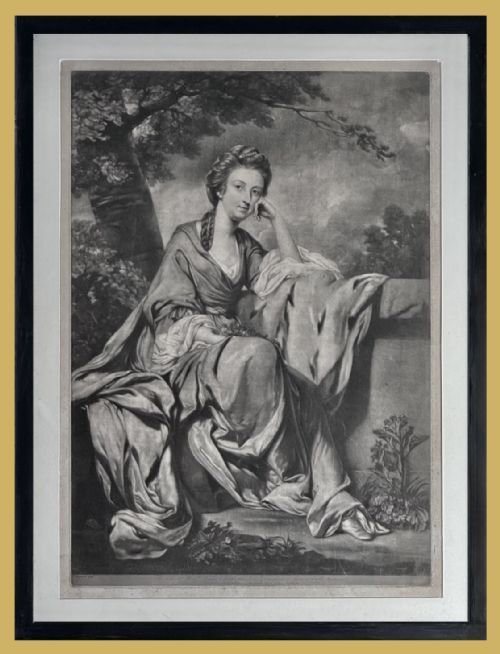
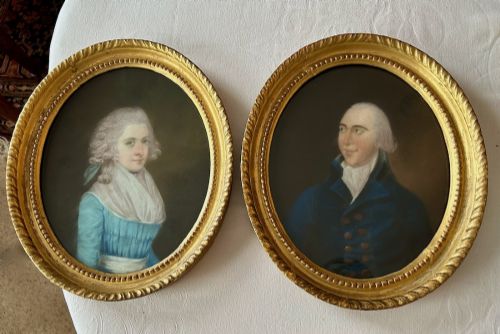
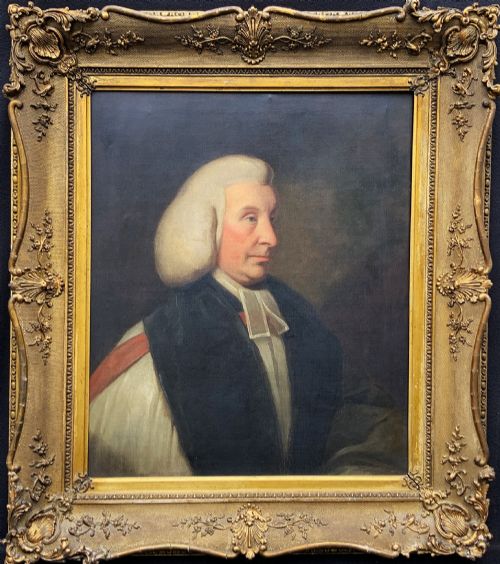
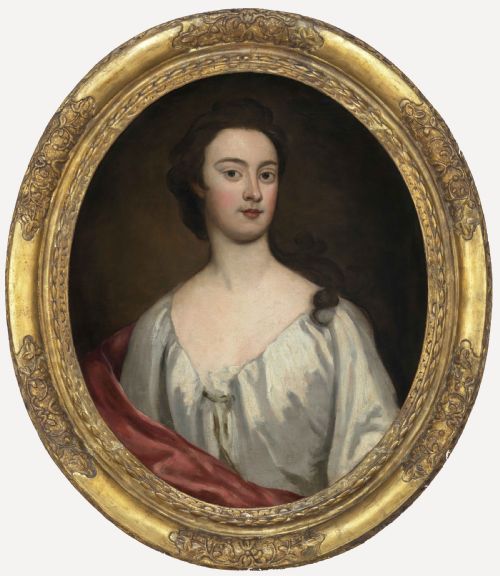
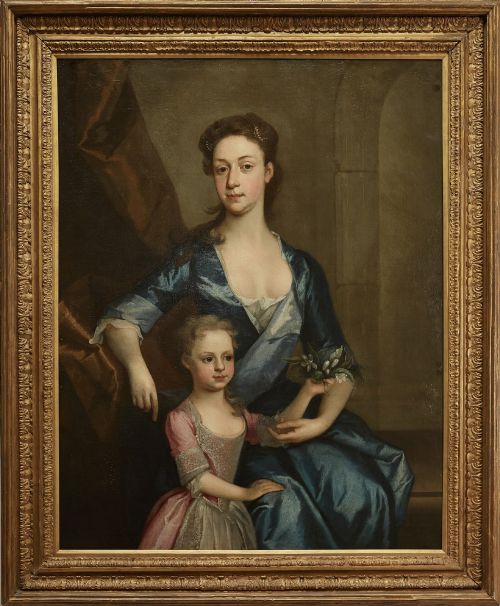
Georgian period portraiture encompasses paintings and pastels depicting individuals from the eighteenth and nineteenth centuries, including aristocrats, children, and gentlemen.
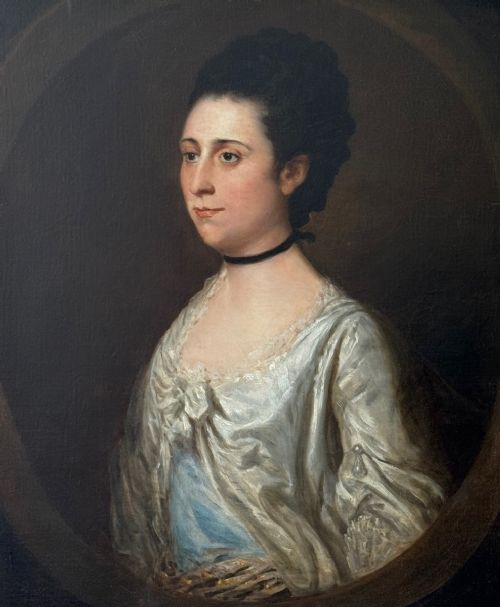
The most common formats met here are framed oil paintings on canvas alongside pastels, reflecting English schools and specific periods such as the Regency.
These works document sitters through historical attire, from crimson coats and white dresses to blue bonnets and silk gowns.
Materials and construction
Artists utilised oil paint applied to canvas, alongside pastel on paper, supported by wooden stretchers and housed within giltwood frames.
Framing often incorporates glass to protect delicate pastel portraits, while oil paintings rely on traditional canvas preparation and layering techniques.
A Bristol glass maker is immortalised as a young child in an eighteenth century canvas.
Distinctions in execution
Quality separates through the finesse of facial expression, garment detail, and hand execution by identified artists versus studio circles or regional schools.
The preservation of the paint surface and the historical integrity of the original frame elevate the standing of individual pieces within the range.
Edward Fisher·Thomas Beach·Jeremiah Davison·Joseph Highmore·John Hamilton Mortimer·Tilly Kettle·Richard Cosway·Enoch Seeman·Edward Bird·Francis Alleyne·George Henry Harlow·Samuel Drummond·Francis Hayman
The Georgian Period Portraiture Glossary
- Mezzotint
- A printmaking process of the engraving family, where the plate is roughened to allow tonal variation. This technique enables subtle shifts in light and shade for portraits.
- Oil on Canvas
- A painting medium using pigments suspended in drying oils applied to a woven fabric support. It allows rich blending of colour and depth.
- Pastel
- A dry painting medium consisting of powdered pigment and a binder. It creates soft textures frequently used for intimate portraiture on paper.
- Giltwood
- Wood that has been coated with gold leaf or a gold-coloured finish. This material forms the ornate frames typical of the period.
- Regency
- A period in British history spanning the early nineteenth century. Works from this era display distinct stylistic traits in costume and artistic execution.
Georgian Period Portraiture: Frequently Asked Questions
What periods do these portraits cover?
The works span the eighteenth and nineteenth centuries, encompassing the Georgian era and the Regency period.
Dating relies on costume, recorded sitter details, and stylistic attribution to specific British schools.
How were these portraits used originally?
Sitters commissioned these works to document family lineages, status, and personal likenesses for display in private homes.
They served as enduring records of nobility, professionals, and children throughout successive generations.
How should I live with oil portraits?
Position paintings away from direct sunlight and dramatic humidity shifts to protect the oil paint and canvas.
Ensure secure wall fixings to support the weight of the canvas and heavy giltwood frames.
How do I identify pastel portraits?
Pastels utilise powdered pigment on paper rather than oil paint on canvas, presenting a matte surface texture.
Because the medium is delicate, these works are typically mounted behind glass within their frames.