
Vintage Porch Light
A vintage porch light brings weight and genuine period character to an entrance, grounding a doorway in solid brass, copper, or iron.
Vintage Porch Light
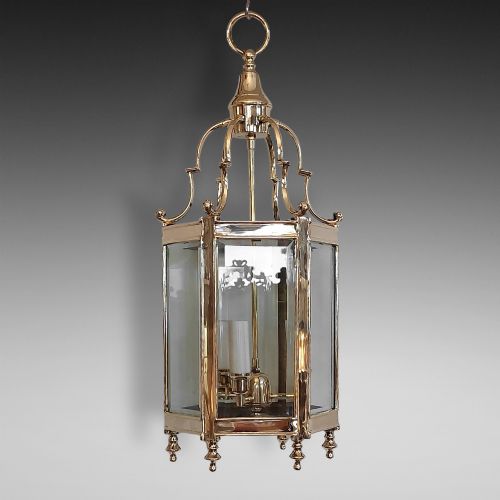
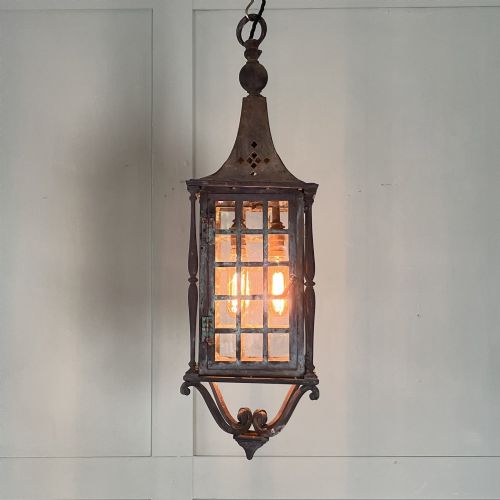
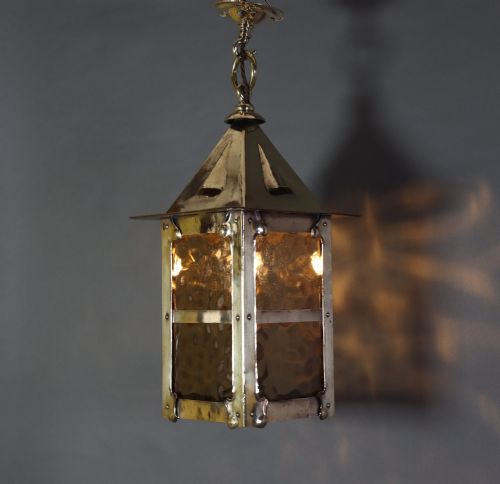
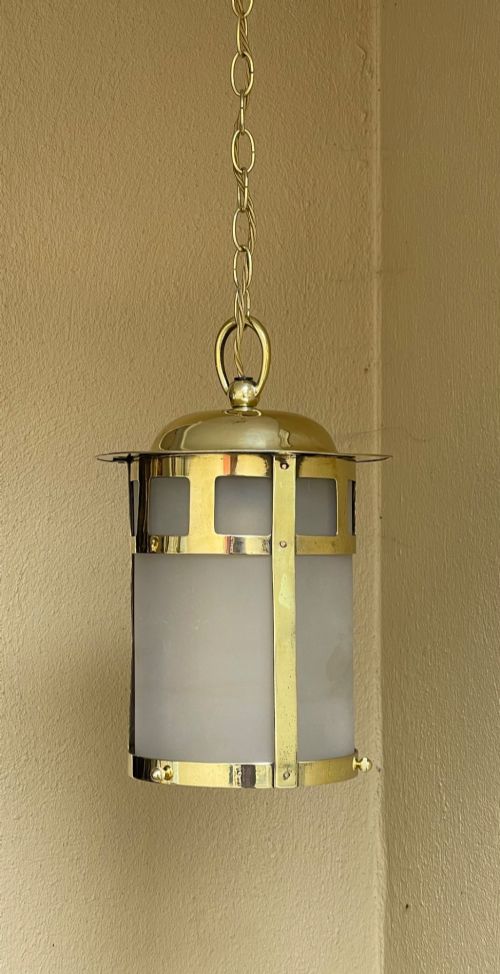
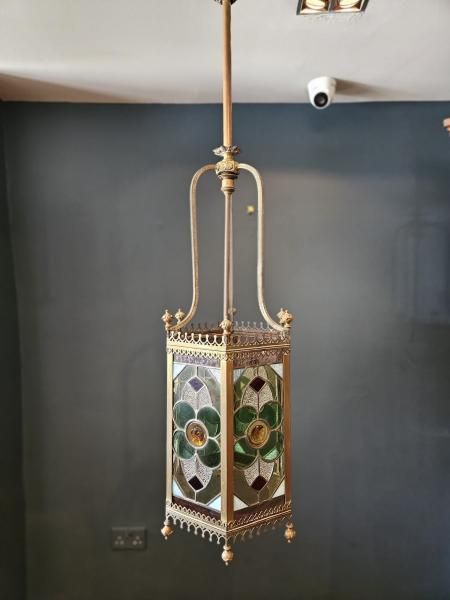
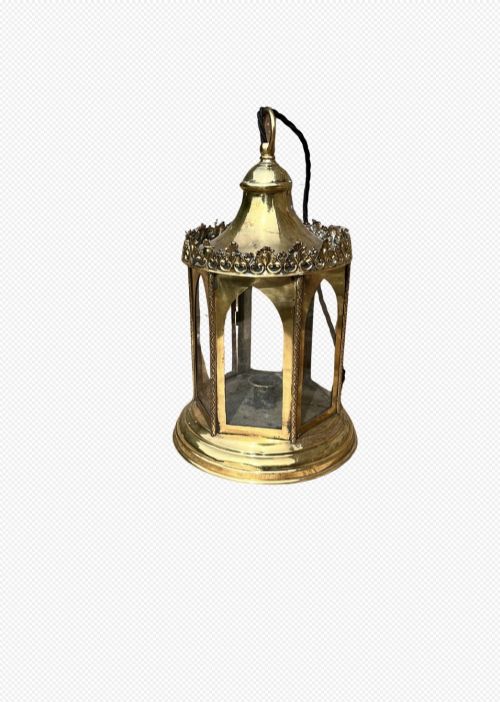
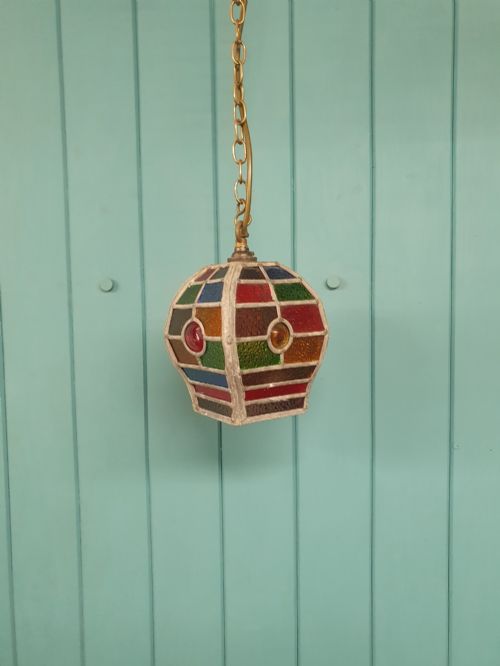
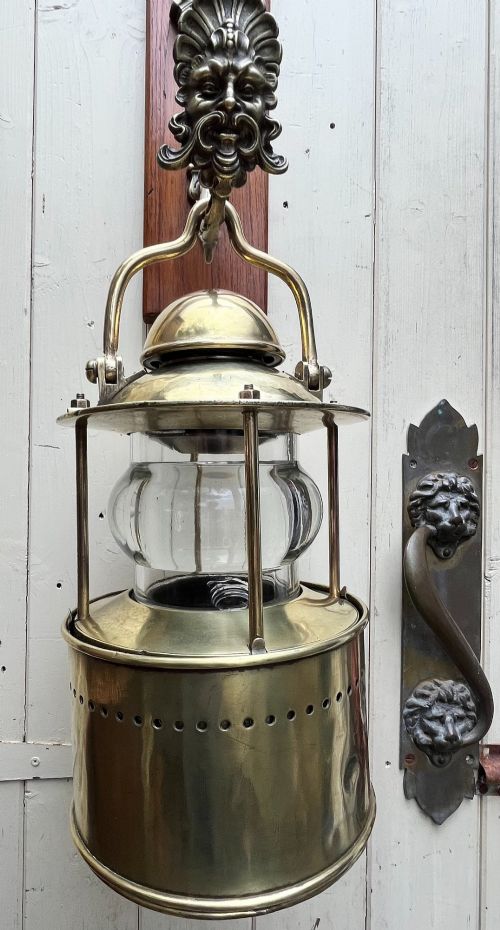
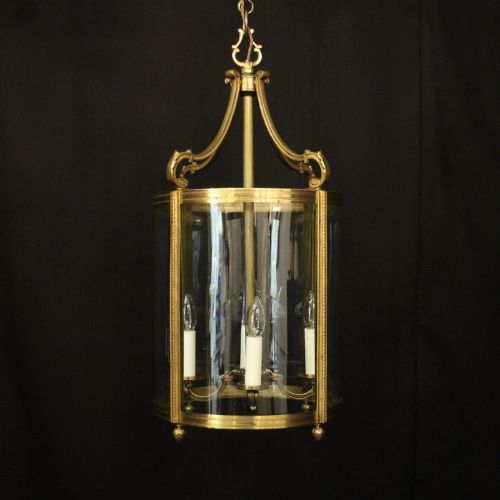
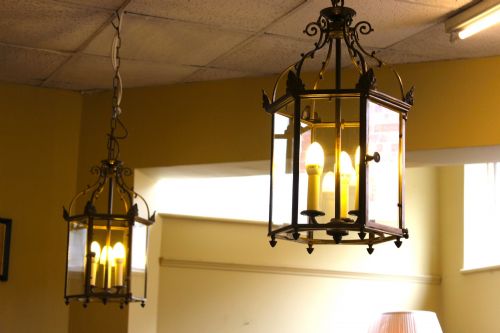
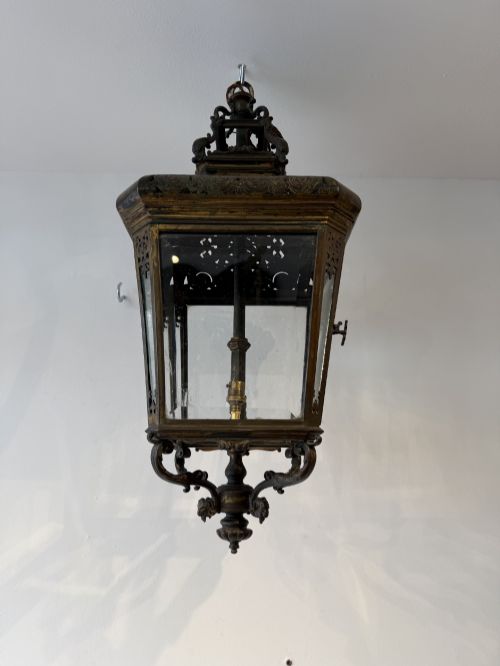
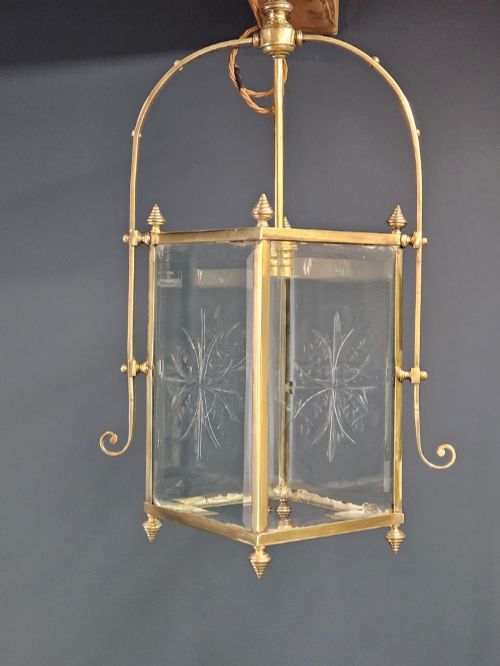
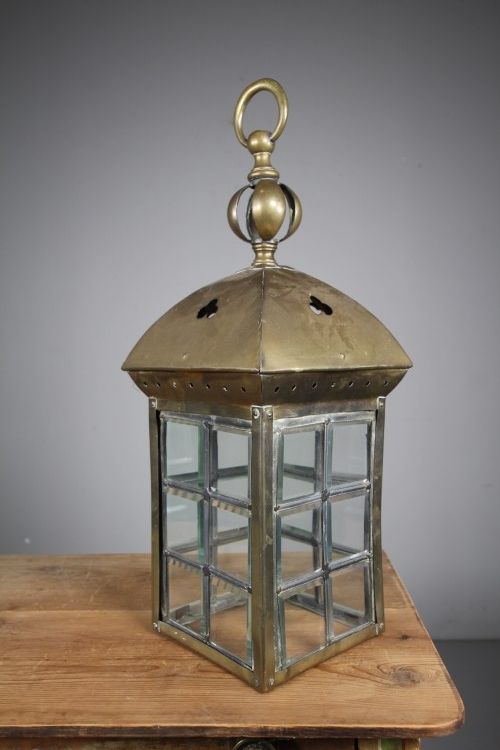
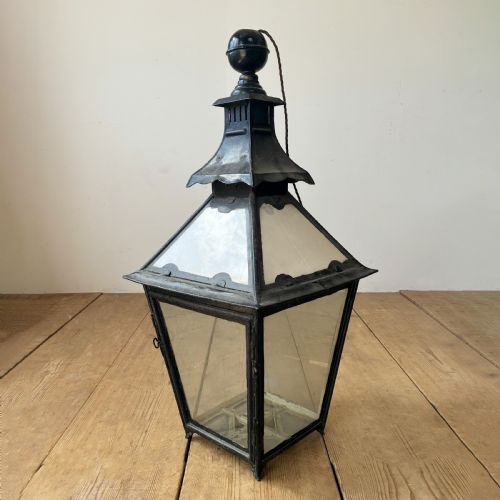
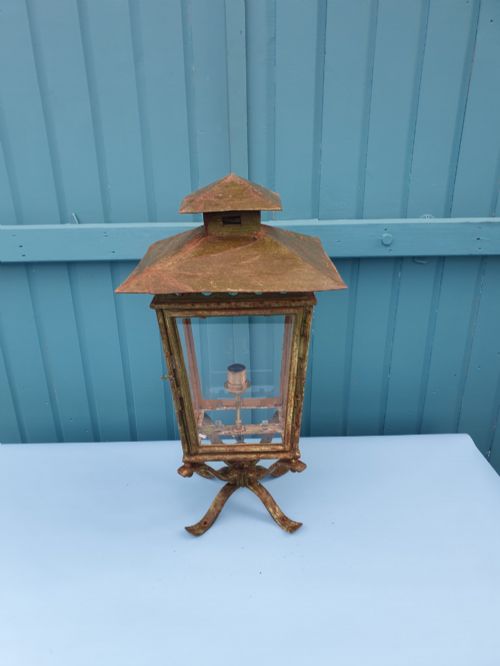
A vintage porch light takes many structural forms, appearing primarily as hanging lanterns, pendant lights, wall lanterns, and half lanterns designed for exterior and interior thresholds. These fixtures emerge from periods spanning the Victorian era through the Edwardian years and the Arts and Crafts movement into the nineteen-twenties and thirties. Buyers searching for a vintage porch light encounter heavy metal frames fitted with glass panels, originally built to withstand the elements while illuminating doorways and halls.
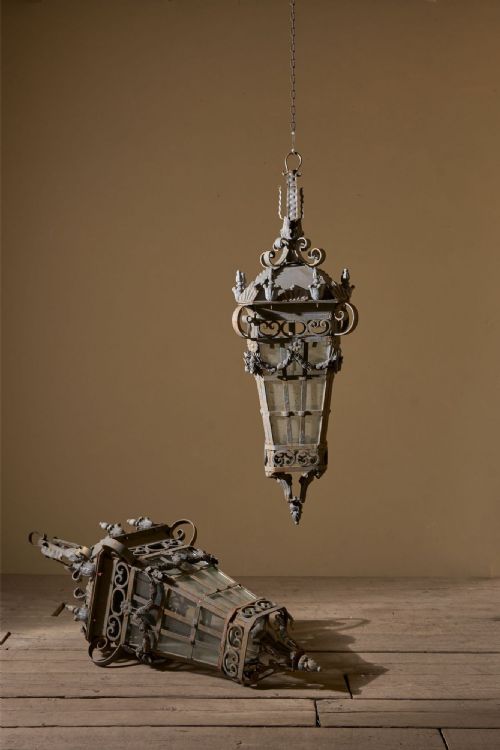
The materials and styles reflect the prevailing tastes of their original manufacture, ranging from simple brass hexagonal shapes to elaborate French bronze and wrought iron designs. Many examples show conversions from earlier gas lighting systems to modern electricity, retaining their original patinated metalwork and glass shades. These pieces bring authentic historical presence to residential entrances, drawing on designs from the nineteenth century onward.
How they were made
Makers constructed these lanterns using durable metals such as brass, copper, iron, bronze, and zinc, often joining structural frames with visible rivets and solder. Glass components include leaded, stained, frosted, and plain panes held securely within the metal framework to diffuse light from oil, gas, or early electric sources.
The metalwork frequently exhibits hand-beaten textures, cast details, or painted finishes that have developed a rich patina over decades of exposure. Joints and mountings were engineered for stability against wind and weather, resulting in robust constructions designed for long-term outdoor service.
Listings include heavy copper, brass, and wrought iron lanterns spanning the Victorian, Edwardian, and Art Deco periods.
What varies in quality
The grade of a lantern depends upon the weight and thickness of the metal frame, with heavier cast bronzes and solid brass castings representing superior manufacture over lighter sheet metal assemblies. Craftsmanship shows in the precision of the joinery, the complexity of decorative metalwork, and the artistic merit of stained or leaded glass panels.
Origin and stylistic coherence also set pieces apart, particularly authentic French chateau or Arts and Crafts pieces that display distinct regional design characteristics. The integrity of the original hardware and the subtlety of the aged metal surface contribute significantly to the distinction between standard utilitarian fixtures and exceptional examples.
Voysey
The Vintage Porch Light Glossary
- Hall lantern
- A hanging light fixture designed for entrance spaces and corridors, typically enclosed in glass and metal. These fixtures often feature decorative frames suspended by chains or rods.
- Leaded glass
- Small panes of glass held together by strips of lead cames to form geometric or pictorial patterns. This technique provides both structural support and decorative visual interest.
- Half lantern
- A light fixture split flat on one side for mounting directly against a wall surface. This form projects outward to cast illumination across a porch or entryway.
- Patina
- The surface sheen and colour acquired by metals through age, oxidation, and handling. A natural patina indicates genuine historical weathering rather than artificial ageing.
- Carriage light
- A robust exterior lantern style originally mounted on horse-drawn vehicles and later adapted for building entrances. They typically utilise sturdy metal frames to protect the internal burner or bulb.
Vintage Porch Light: Frequently Asked Questions
How do I install a vintage porch light?
Most vintage lanterns require professional wiring to meet modern safety standards while preserving the original metal body. Installers typically mount the fixture securely to exterior wall blocks or ceiling junction boxes.
Care must be taken to ensure weather sealing is adequate for exposed outdoor locations, particularly with converted gas fittings.
Were these lights originally gas or electric?
Many Victorian and Edwardian fixtures began as gas or oil burners before undergoing conversion to electricity during subsequent decades. Traces of early gas cocks or burners often remain visible inside the casing.
Later twentieth-century examples were frequently manufactured specifically for early electrical wiring systems.
How do I clean old brass and copper?
Historic metalwork benefits from gentle dusting and light cleaning with a soft cloth to preserve the accumulated surface patina. Aggressive metal polishes strip away the aged character that collectors value.
Protecting the surface with microcrystalline wax helps guard against further environmental tarnishing.
How can I date a porch lantern?
Dating relies on examining the manufacturing techniques, metal alloys, and stylistic markers such as Arts and Crafts or Art Deco design motifs. Patent numbers, maker stamps, and the construction of the glass frame also offer chronological clues.
Comparative study of period hardware catalogues helps narrow the decade of production.