


Vintage Porcelain Lighting
Vintage porcelain lighting brings together ceramic bodies and metal mounts across centuries, offering illumination with rich historical character.
Vintage Porcelain Lighting
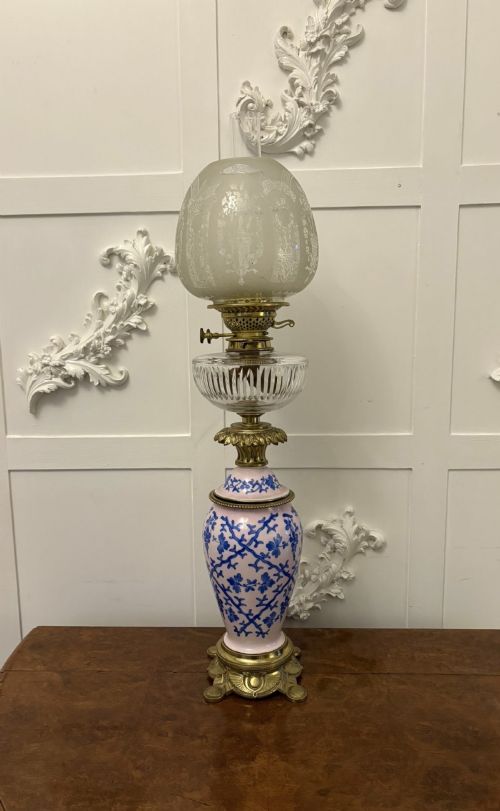
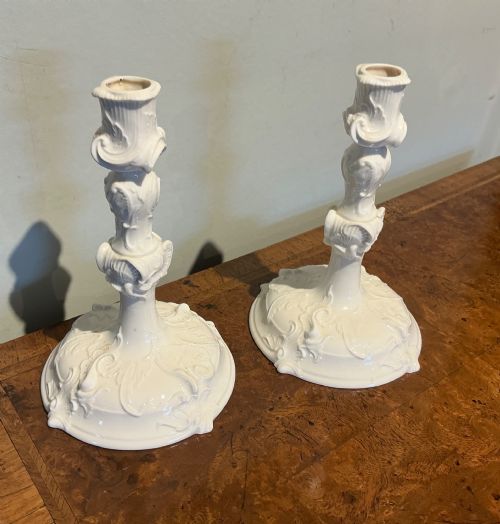
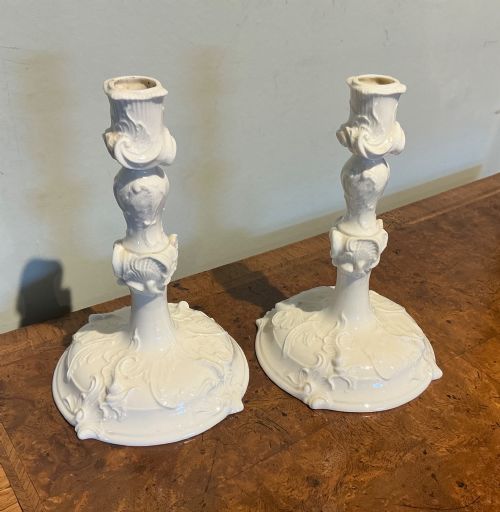
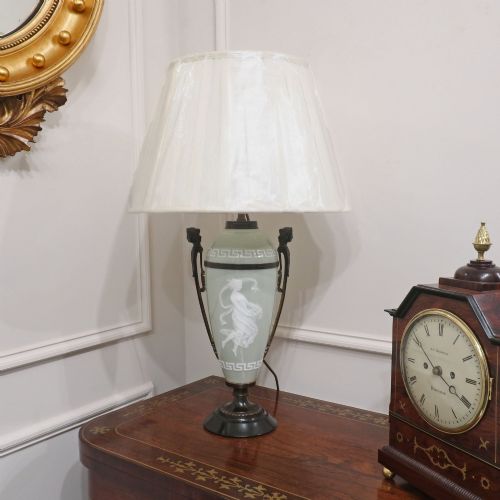
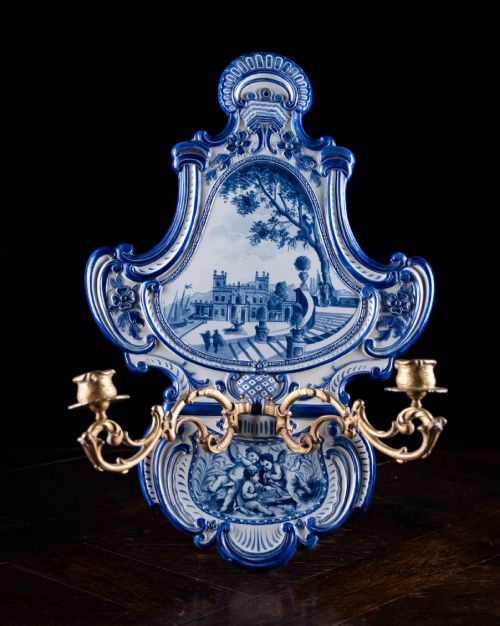
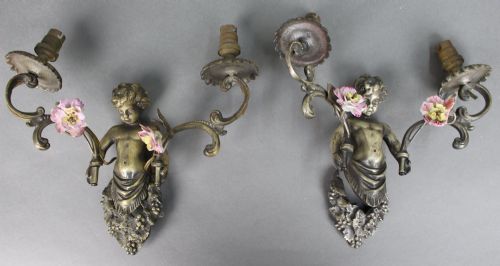
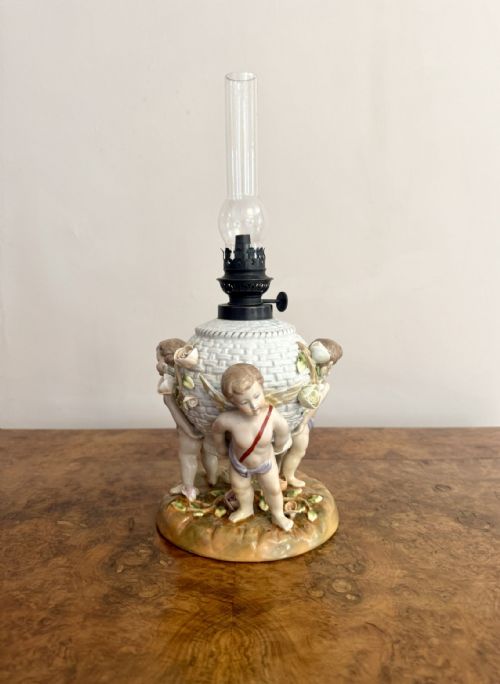
Vintage porcelain lighting comprises table lamps, oil lamps, chandeliers, wall sconces, and candlesticks originating from periods spanning the late seventeenth century through to the Art Deco era. Buyers seeking vintage porcelain lighting will encounter pieces adapted from earlier ceramic vessels alongside items created specifically for illumination. French and English examples from the nineteenth century predominate, frequently incorporating floral motifs or figural elements.
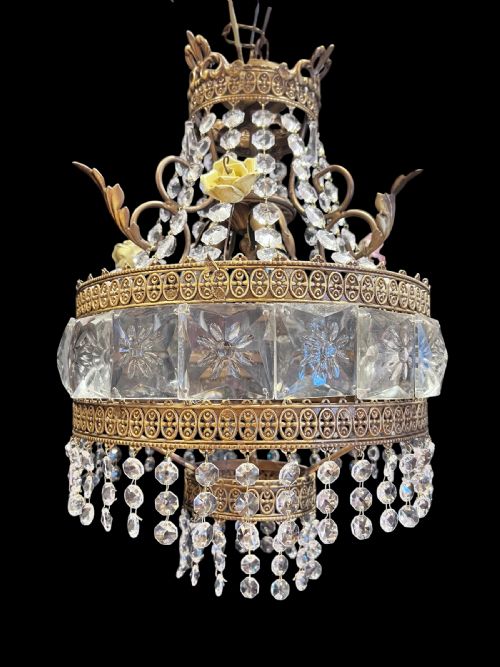
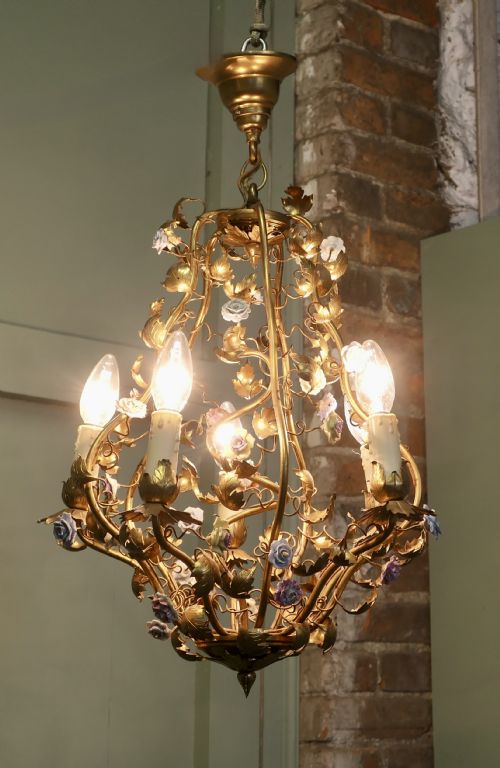
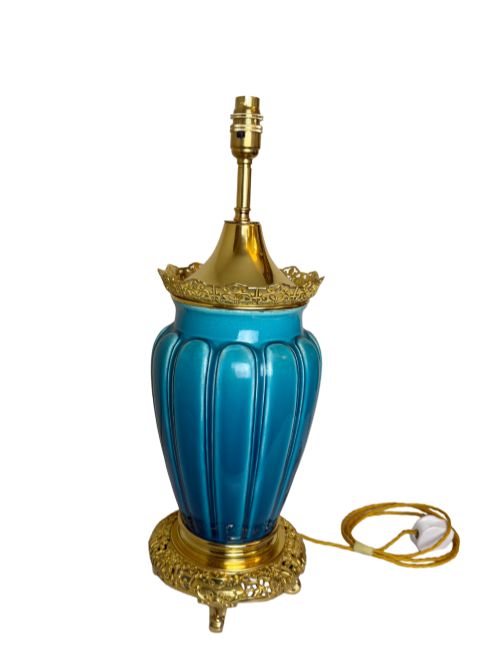
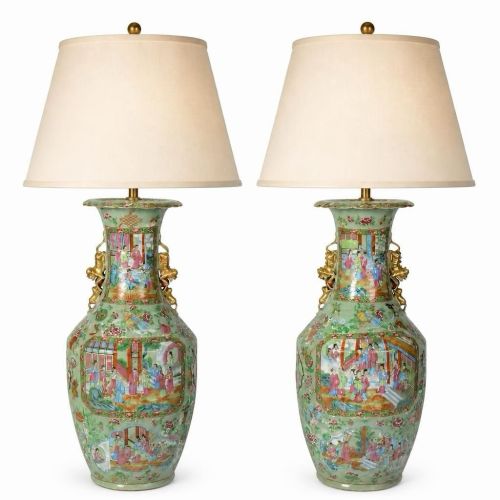
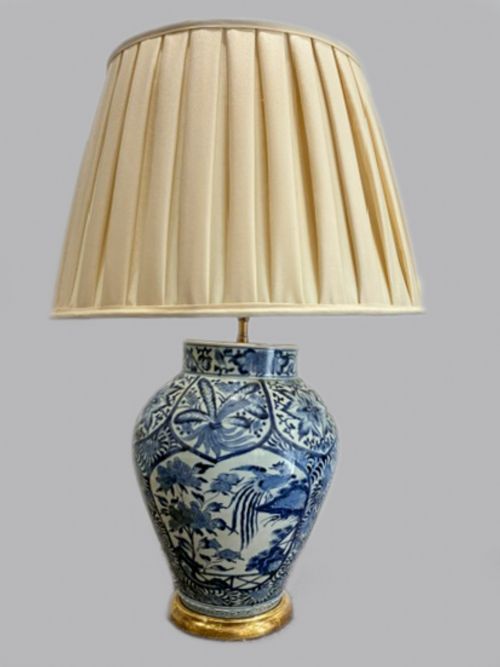
The selection ranges from Victorian oil lamps with elaborate bases to twentieth-century chandeliers adorned with porcelain flowers. Many listings feature converted vases, including Japanese Satsuma and Chinese blue and white porcelain mounted in brass or gilt bronze. These objects bring varied regional aesthetics into domestic interiors, connecting past ceramic traditions with functional lighting.
How they were made
Makers shaped porcelain bodies using traditional throwing and moulding techniques before applying glazes, enamels, or hand-painted designs such as pate sur pate. Metal components including ormolu, brass, and gilt bronze were cast and chased to mount the ceramic sections securely. Many examples incorporate fabric or glass elements to diffuse the light emitted from burners or electrical fittings.
Conversion plays a significant role in the history of these pieces, with historical vases and jars fitted for oil or electricity in subsequent eras. Artisans combined delicate ceramic forms with robust metal mounts, uniting different workshops and periods within a single object.
Spitz dogs and Foo lions find themselves transformed into domestic sentinels, standing guard over sideboards in ceramic form.
What varies in quality
The finesse of the ceramic modelling and the precision of the hand-painted decoration distinguish superior examples from standard production. Superior pieces exhibit crisp detail in moulded figures and floral elements, alongside carefully controlled glaze application without pooling or fading.
The quality of the metal mounts, such as cast ormolu and gilt bronze, dictates the overall refinement of the piece. Heavier, more detailed mounts securely anchor the porcelain body and reflect higher craftsmanship from the originating workshop.
Nymphenburg·Villeroy and Boch·Sitzendorf·Royal Worcester·Meissen·Karl Ens
The Vintage Porcelain Lighting Glossary
- Ormolu
- Gilt bronze mounts applied to furniture, clocks, and porcelain lighting. This technique involves coating bronze with a mercury and gold amalgam before heating.
- Pate sur pate
- A method of porcelain decoration where wet white slip is built up in layers on a darker coloured body to create a low relief cameo effect.
- Satsuma
- A type of Japanese earthenware typically decorated with intricate enamel patterns and gilt highlights over a crackle glaze.
- Toledo
- Enamelled metalwork often utilised for the arms and frames of decorative chandeliers and wall sconces.
- Veilleuse
- A type of small French night light designed to burn low through the night, frequently modelled in porcelain.
Vintage Porcelain Lighting: Frequently Asked Questions
How do I date vintage porcelain lighting?
Dating relies on identifying the style of the ceramic body, the manufacturing marks if present, and the characteristics of the metal mounts. Nineteenth-century examples often display distinct Victorian or French Neoclassical ornamentation.
Changes in conversion methods, wiring, and burner technology also help determine whether a piece originates from the eighteenth, nineteenth, or early twentieth century.
Were these lamps originally electrified?
Many older pieces began life as oil lamps, candlesticks, or decorative vases before conversion to electricity in later decades. Vases from seventeenth and eighteenth-century traditions were frequently adapted into table lamps long after their initial creation.
Original oil lamp components and converted ceramic vessels each require careful inspection to understand their structural history and functional evolution.
How do I care for antique porcelain lamps?
Cleaning requires gentle dusting with a soft brush to protect delicate painted details, gilt highlights, and applied porcelain flowers. Avoid harsh chemical cleaners that might damage historical glazes or degrade metal mounts like ormolu.
Ensure that electrical components are periodically checked by a qualified professional to maintain safe operation within the home.
What is the difference between porcelain and ceramic lighting?
Porcelain is a specific type of translucent ceramic fired at high temperatures, resulting in a denser and more vitrified body than standard earthenware. Items described simply as ceramic may include heavy stoneware or toleware elements rather than fine porcelain.
Distinguishing between these materials clarifies the origin and manufacturing technique of each individual lighting fixture.