


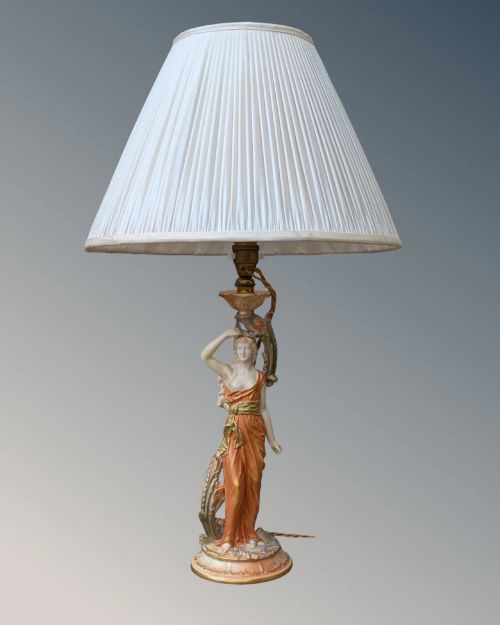


Decorative Porcelain Desk Lamp
A decorative porcelain desk lamp brings texture and warm illumination to a room, drawing on centuries of ceramic traditions.
Decorative Porcelain Desk Lamp
A decorative porcelain desk lamp combines historic ceramic vessels with functional lighting, creating a focal point for a workspace or side table. When searching for a decorative porcelain desk lamp, buyers encounter pieces transformed from earlier vases or manufactured specifically as lighting.
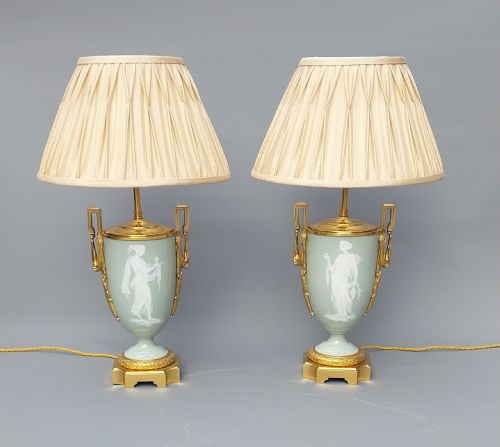
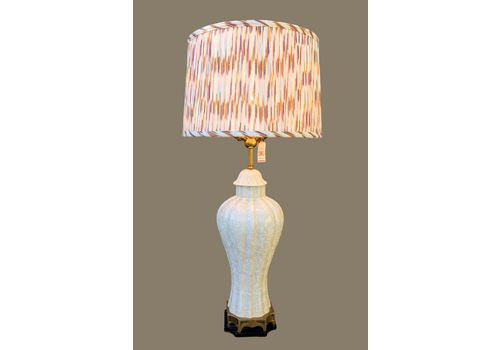
The selections span distinct periods, including Regency, the nineteenth century, and twentieth-century decades up to the nineteen-thirties. Forms range from column table lamps to converted vessels originating from French, Chinese, and Japanese workshops.
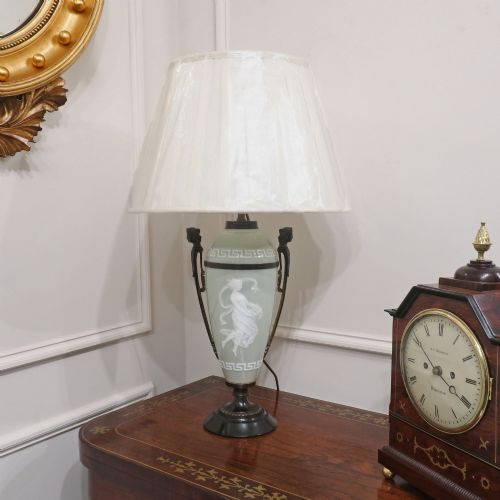
Stylistic influences vary widely across the inventory, featuring Chinoiserie, Neoclassical revival, French Rococo revival, and Art Deco designs. Buyers are most likely to meet pieces pairing porcelain bodies with brass or gilt bronze mounts.
How they were made
Makers utilised high-fired ceramic and porcelain bodies, often decorated with hand-painted glazes, famille rose, or pate sur pate techniques. These ceramic elements were frequently combined with metal components such as brass, bronze, and gilt bronze.
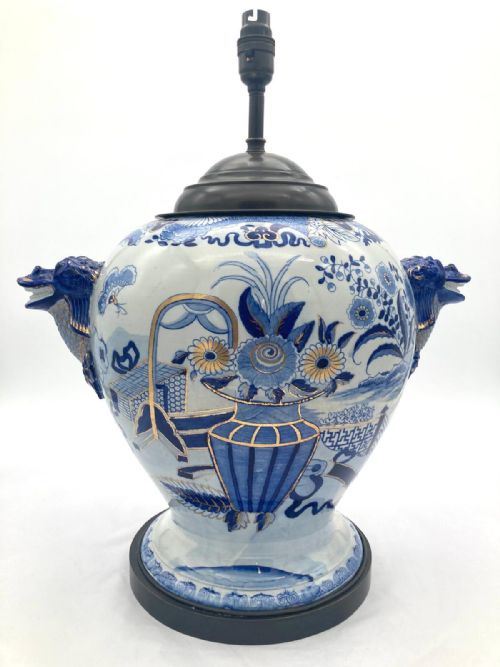
Many examples began life as decorative vases, jars, or ironstone vessels before being converted into lamps during later periods. Fabric shades and wooden bases complete the construction of these composite objects.
Decorative Porcelain Desk Lamp Retail Price Guide 2026
Typical asking prices for decorative porcelain desk lamp among the pieces listed under this phrase on Sellingantiques today, from the lower quarter to the upper quarter. They describe what is for sale here now, not the wider market.
Several heavy nineteenth-century dining vessels now lead double lives as dignified desk companions.
What varies in quality
Quality rests in the artistic execution of the porcelain painting, the crispness of the ceramic moulding, and the weight of the metal mounts. Hand-painted details and specialised techniques like pate sur pate distinguish finer artistic achievements from standard production.
The integrity of the conversion process also matters, as professional adaptation preserves the original ceramic body without causing structural damage. The harmony between the porcelain vessel and its brass or gilt bronze fittings determines the visual balance of the piece.
Royal Worcester·Hicks and Meigh·Paris ware
The Decorative Porcelain Desk Lamp Glossary
- Pate sur pate
- A method of ceramic decoration where wet white slip is built up in layers on a coloured body to create a low relief design. This technique requires immense skill from the ceramicist to achieve translucent detail.
- Famille rose
- A palette of Chinese porcelain enamels featuring predominant pink or rose colours introduced in the eighteenth century. It allowed artists to render complex floral and figurative scenes.
- Imari
- A style of Japanese porcelain featuring a distinct palette of underglaze blue, iron red, and gold. These wares were heavily exported to Europe and prized for their rich decoration.
- Gilt bronze
- Copper alloy treated with a layer of gold to give a durable metallic finish. It provides a luxurious mount for porcelain bodies across French decorative styles.
- Ironstone
- A type of heavy, durable earthenware developed in the nineteenth century as a robust alternative to porcelain. It frequently served as the base body for large converted lamps.
Decorative Porcelain Desk Lamp: Frequently Asked Questions
What is a decorative porcelain desk lamp?
A decorative porcelain desk lamp is a functional lighting fixture built around a ceramic or porcelain base. These pieces often utilise historic vases or purpose-made ceramic columns.
They serve both practical illumination and aesthetic display, adding period character to interiors.
How do I date a porcelain lamp?
Dating relies on examining the ceramic body, glaze characteristics, and mounting hardware. Stylistic markers such as Art Deco geometric lines or Neoclassical motifs provide clues to the era of manufacture.
Converted vases may feature older ceramic bodies paired with newer electrical fittings added during the twentieth century.
Were these always lamps?
Many examples began life as decorative vases, ginger jars, or tableware before being adapted for electricity. Workshops often converted fine porcelain vessels into lamps to give them a renewed domestic purpose.
Purpose-built lamp bases were also manufactured during later periods to meet growing demand for electric lighting.
How do I care for my lamp?
Care involves gentle dusting with a soft, dry cloth to protect the painted ceramic surfaces and metal mounts. Avoid harsh chemical cleaners that might damage delicate glazes or gilt bronze finishes.
Ensure the electrical components are periodically checked by a qualified professional for safety.