

Vintage Pocket Case
These vintage pocket case pieces span compact personal containers and precision instruments crafted in silver, leather, and brass.
Vintage Pocket Case
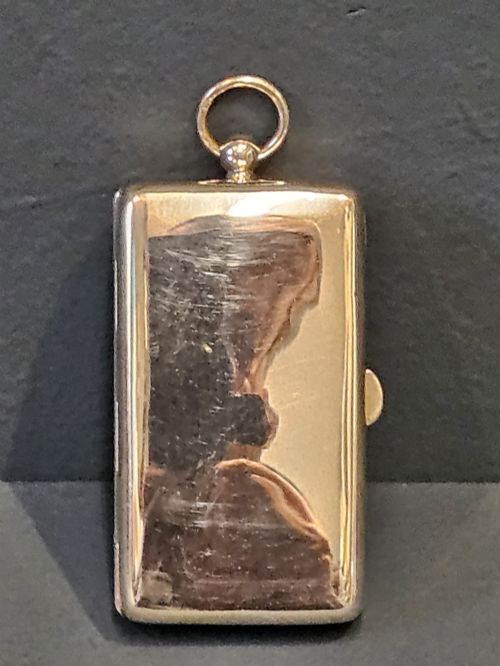
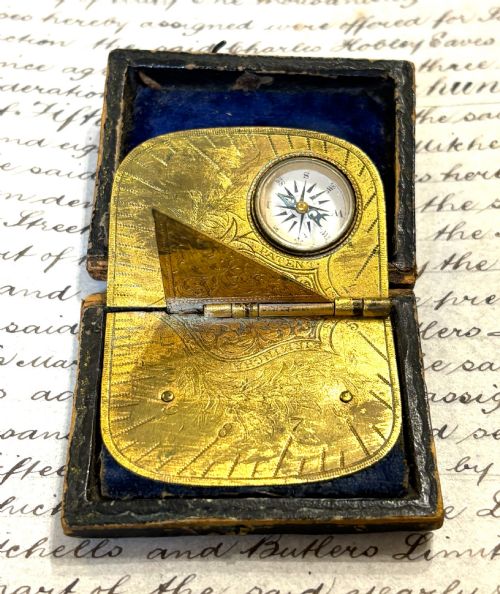
A vintage pocket case encompasses a diverse group of portable containers and pocket-sized instruments designed to hold small valuables, currency, matches, or timepieces. The selection on this page ranges from utilitarian military compasses and scientific tools to decorative silver vesta cases, stamp wallets, and cigarette holders.
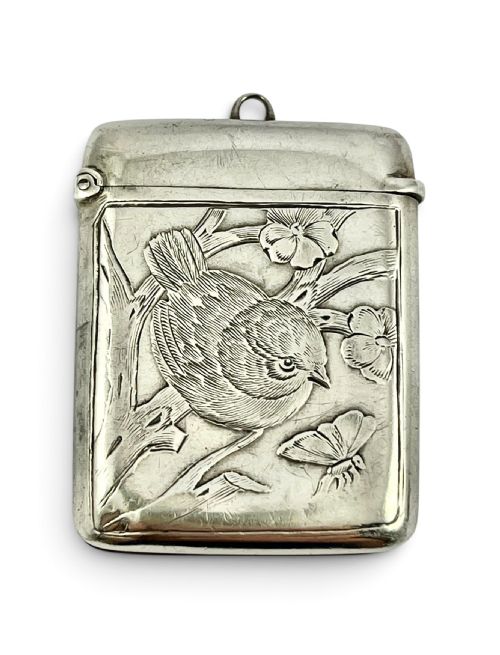
The objects derive primarily from the Edwardian era, the Victorian period, and the early decades of the twentieth century, reflecting the material culture of those periods. Form follows function closely, resulting in items shaped precisely for pocket transport such as kidney bean vesta boxes, envelope stamp cases, and folding sundials.
Buyers meet a strong representation of Edwardian and Georgian silverwork alongside brass scientific instruments and leather-bound travel accessories. These items served distinct everyday functions in the pocket, waistcoat, or travel bag before modern packaging replaced them.
Materials and construction
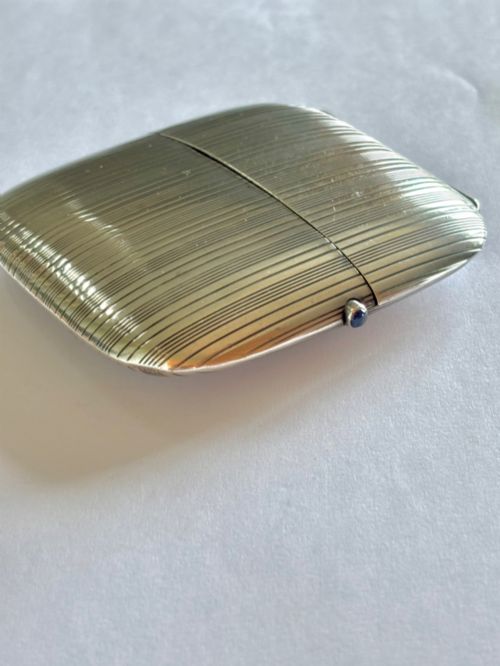
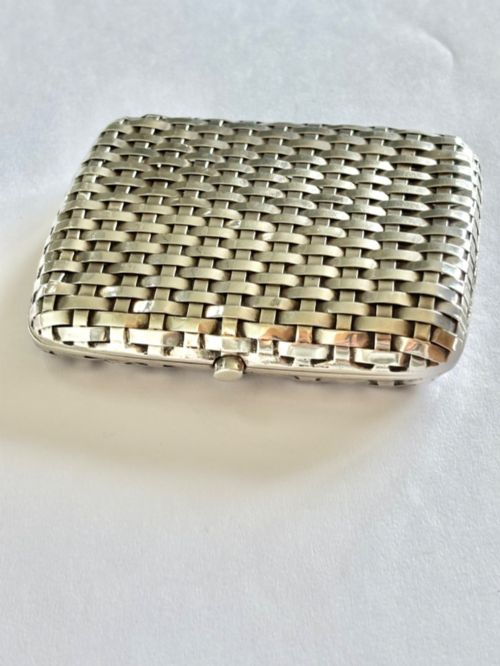
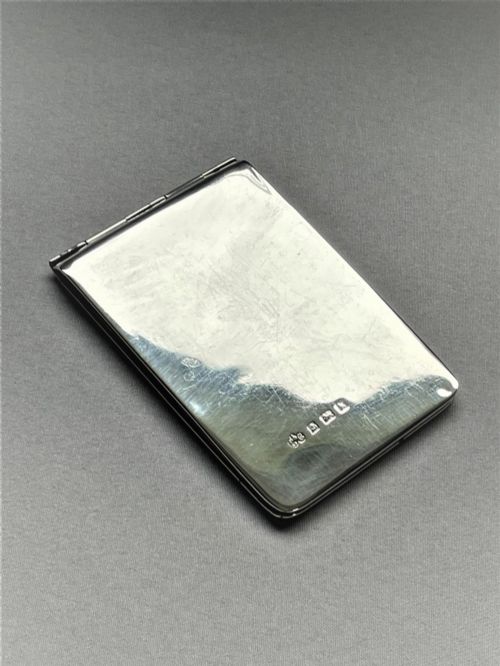
Sterling silver forms the primary structural material for many vestas, cigarette cases, and stamp wallets, often shaped using press stamping or hand-engraving techniques. Hallmarks stamped into the metal indicate assay offices such as Birmingham or Chester, alongside specific years of production.
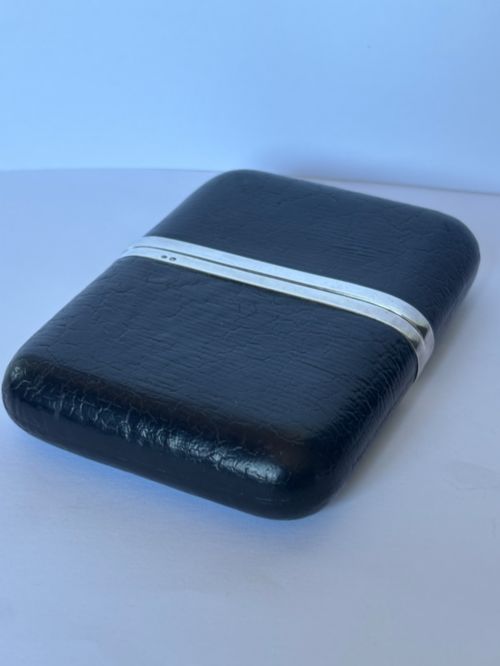
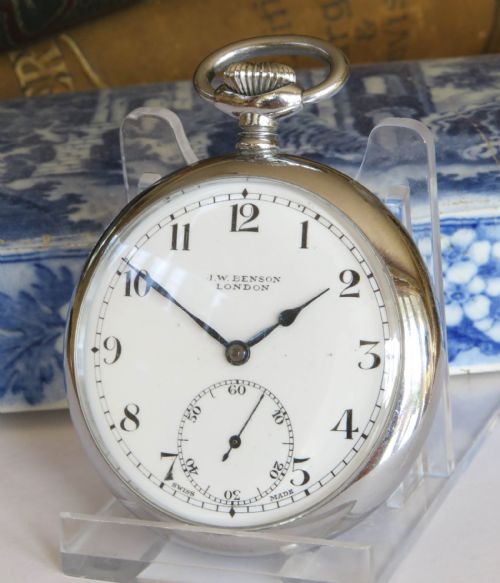
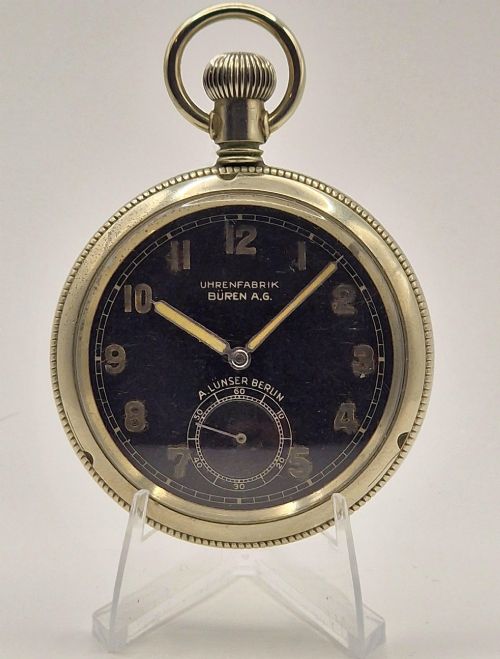
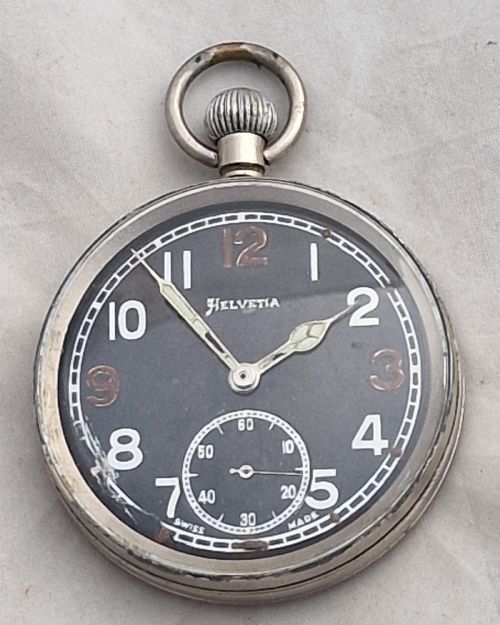
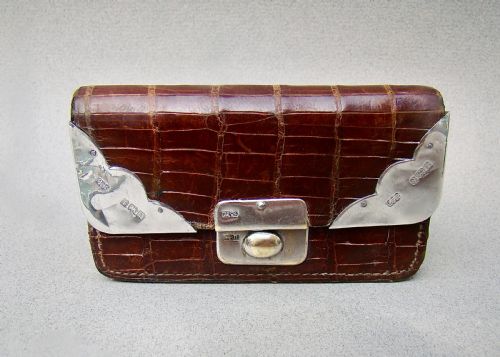
Makers combined rigid metals with organic coverings like crocodile skin and leather, securing them to internal frames for durability during travel. Brass and gunmetal served for scientific instruments and military pocket watches, providing robust housings for delicate dials and lenses.
Listings feature items from the Georgian period through the 1940s, utilising sterling silver, brass, glass, enamel, leather, and velvet.
Factors influencing quality
Quality in a vintage pocket case rests upon the crispness of the chased or engraved ornamentation and the structural integrity of the closing mechanism. Superior pieces maintain tight hinge alignment and secure lid closures that prevent accidental opening in the pocket.
The presence of hand-applied enamel, complex multi-compartment layouts, or specialised internal fittings elevates a piece beyond standard utilitarian production. Maker marks from noted silversmiths or instrument makers similarly signal higher standards of craftsmanship.
Charles Penny Brown·Aaron Lufkin Dennison·EV Pledge and Son·French Ltd·P Orr·Crisford and Norris·Sampson Morden·Mappin and Webb
The Vintage Pocket Case Glossary
- Vesta Case
- A small pocket container designed to hold matches and keep them dry, typically fitted with a striker on the base. These boxes often feature ornate repoussé work or engraved monograms.
- Sovereign Case
- A specialised circular container made to hold British gold sovereign coins securely in the pocket. Many examples incorporate spring-loaded mechanisms to dispense individual coins.
- Aide Memoire
- A small notebook or memorandum case used for jotting down notes, frequently equipped with an attached pencil and internal card slots. They often date from the Victorian and Edwardian periods.
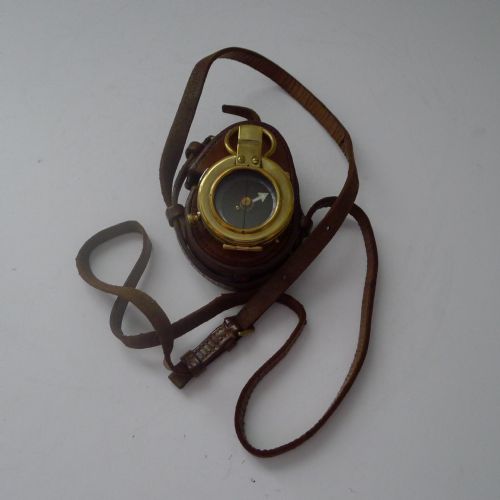
- Verner's Pattern
- A standard military compass design utilised by British officers during the First World War and subsequent conflicts. These brass instruments allowed for precise route-finding in the field.
Vintage Pocket Case: Frequently Asked Questions
What is a vesta case used for?
A vesta case holds wax matches, known as vestas, which were essential for lighting pipes, cigars, and gas lamps before widespread electricity.
The hinged containers protected the matches from moisture and friction inside a pocket or handbag.
How do I identify an Edwardian silver piece?
Edwardian pieces date from the reign of King Edward VII between 1901 and 1910, showing distinctive stylistic influences from Art Nouveau alongside revived Georgian motifs.
Assay office marks, date letters, and the sterling lion passant stamped directly onto the metal confirm the exact year of manufacture.
What materials are common in these items?
Sterling silver, brass, and leather dominate the construction of these pocket items, often paired with glass, enamel, or crocodile skin.
Military and scientific instruments rely on heavy brass and gunmetal for durability, while personal accessories favour decorative silver and fine hides.
How were pocket compasses used historically?
Officers, explorers, and travellers relied on pocket compasses for navigation across unfamiliar terrain during military campaigns and expeditions.
Many examples feature locking mechanisms to protect the delicate needle pivot while being carried in a waistcoat pocket.