





1930s Silver Case
A 1930s silver case brings geometric discipline and brilliant colour to daily life, offering a tactile pocket or desk accessory that collectors prize.
1930s Silver Case
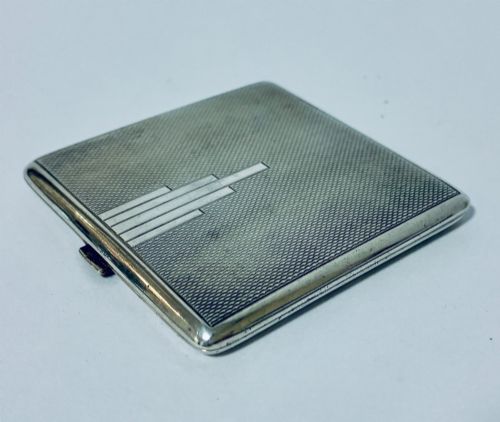
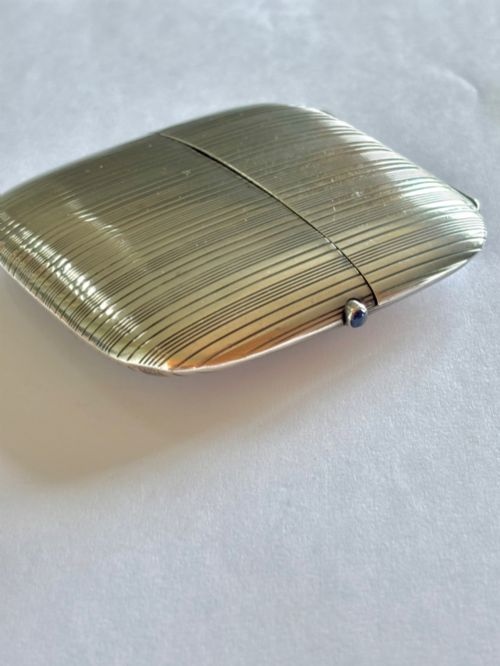
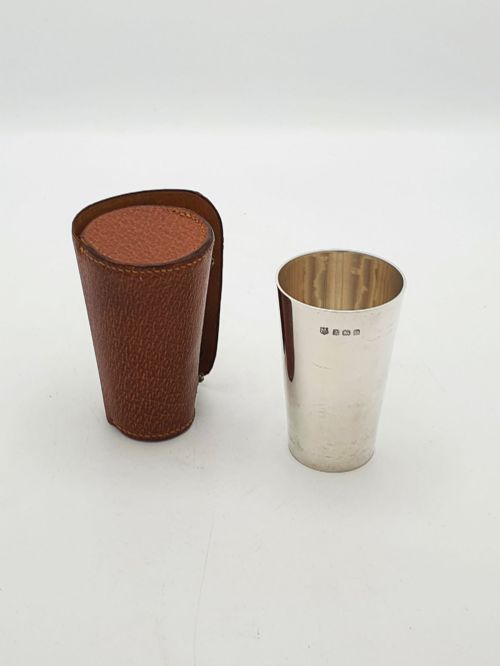
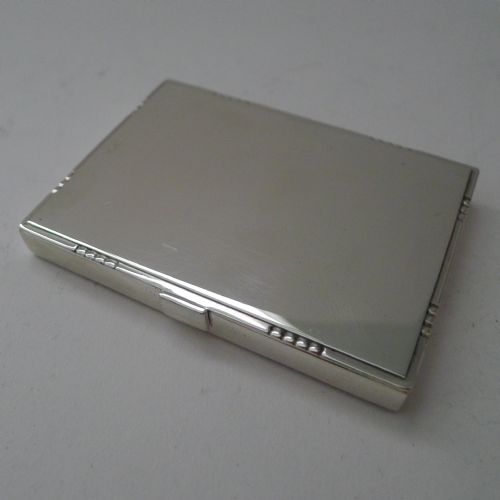
When you search for a 1930s silver case, you encounter functional containers designed for tobacco, cosmetics, timepieces and dining sets. The period leaned heavily into Art Deco aesthetics, giving these everyday objects clean lines and architectural silhouettes.
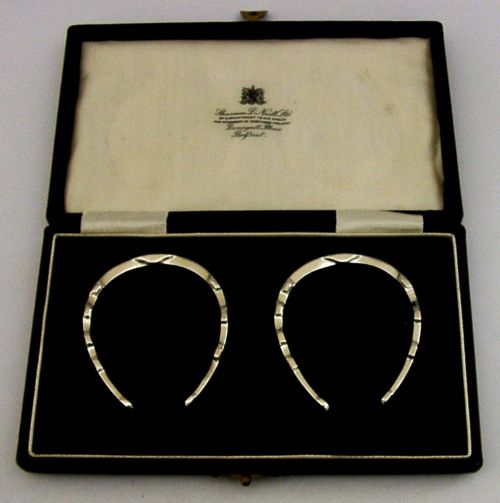
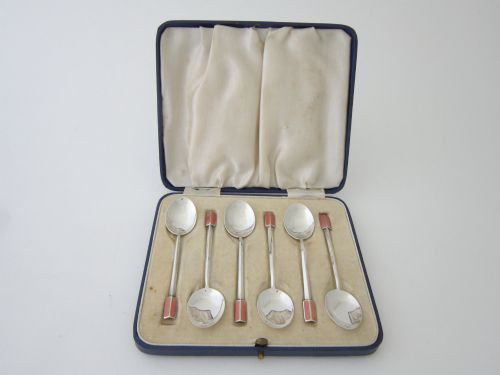
Cigarette cases, powder compacts and wristwatches dominate the selections, frequently paired with fitted presentation boxes. These items served practical social functions of the era, fabricated to hold personal effects in absolute style.
Materials and construction methods
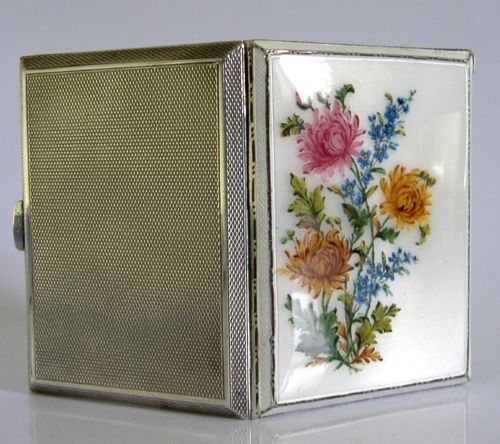
Sterling silver formed the structural backbone of these pieces, often combined with vitreous enamel to introduce hand-painted floral motifs or rich monochrome panels. Artisans also integrated chrome plating, leather, glass and velvet lining into the manufacturing process.
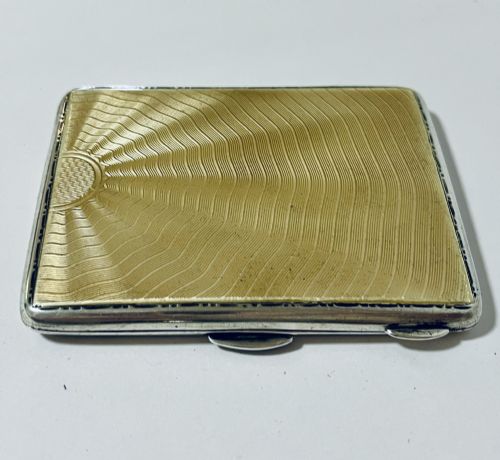
Engine turning, known as guilloche, frequently patterned the metallic surfaces beneath translucent enamel coats. Metal smiths utilised stamping, soldering and hinge-fitting to create secure closures for compacts and pocket timepieces.
1930s Silver Case Retail Price Guide 2026
Typical asking prices for 1930s silver case among the pieces listed under this phrase on Sellingantiques today, from the lower quarter to the upper quarter. They describe what is for sale here now, not the wider market.
Materials appearing across current and archived items include sterling silver, chrome, glass, enamel, leather, velvet and satin.
Judgements of quality and execution
The distinction between ordinary and exceptional pieces lies in the crispness of the geometric stamping and the integrity of applied enamel work. Hand-painted details, such as floral illustrations on cigarette cases, demonstrate superior artisan investment compared to plain polished panels.
The precision of hinges and latches dictates how well a piece survived decades of handling. Original fitted presentation boxes and undamaged internal linings elevate the standing of a survival piece significantly.
William Neale·Suckling Ltd.·Harrods of London·Goldsmiths of London·Walker and Hall·Blangy
The 1930s Silver Case Glossary
- Sterling silver
- A silver alloy containing 92.5 percent pure silver and 7.5 percent other metals, usually copper, ensuring durability for daily items.
- Guilloche
- A decorative mechanical technique producing precise, intricate geometric patterns engraved into metal beneath translucent enamel.
- Enamel
- A glassy substance fused to metal through firing, providing vibrant colour and smooth protective surfaces on compacts and boxes.
- Cushion case
- A wristwatch housing shape characterised by a square profile with softly rounded corners, typical of early wrist timepieces.
- Bakelite
- An early synthetic plastic utilised for handles and decorative accents on cutlery and bridge sets during the period.
1930s Silver Case: Frequently Asked Questions
How do I use a powder compact?
These historical compacts open via secure thumb latches to reveal interior mirrors and powder wells, intended for dry cosmetics.
Modern owners generally keep them empty as display items to preserve delicate inner fabric and original sifters.
Were wristwatch cases waterproof?
Wrist timepieces from this decade often utilised hermetic designs to protect manual movements from dust and moisture entering through the casing.
Avoid submerging vintage timepieces in water today, as original seals degrade over many decades.
What is a bridge set?
Bridge spoons and matching accessories were produced specifically for card game parties hosted in homes during the interwar years.
They often arrived in dedicated fitted cases alongside specialised markers or counters.
How do I clean sterling silver?
Apply a mild, non-abrasive silver cloth to remove tarnishing without harming engraved patterns or fragile enamel sections.
Keep moisture away from any fabric linings or glass elements during the cleaning process.