


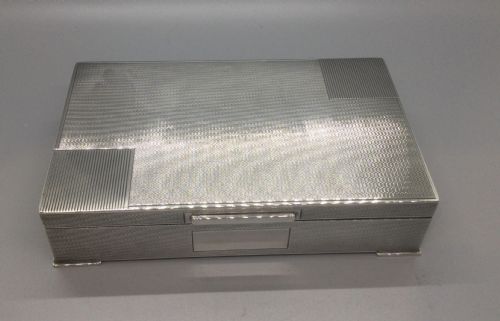


Art Deco Cigarette Case
When you search for an art deco cigarette case, you seek a pocket-sized masterpiece of geometry, metalwork, and enamel from the early twentieth century.
Art Deco Cigarette Case
An art deco cigarette case represents the sleek, modernist aesthetic of the interwar years, primarily manufactured during the 1920s, 1930s, and 1940s. These pieces functioned as fashionable accessories for holding smoking materials, often doubling as card cases, compacts, or minauderies.
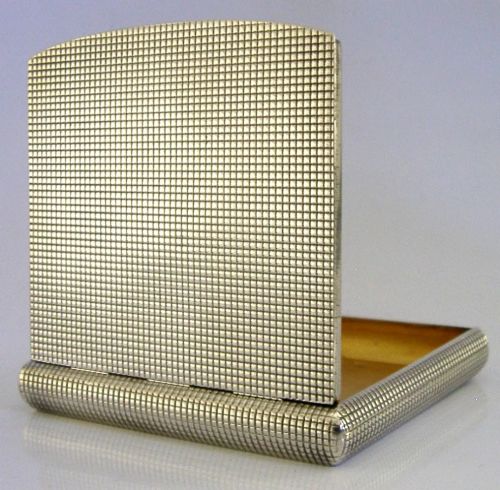
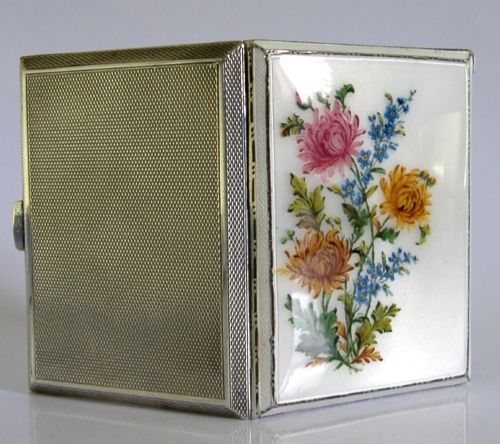
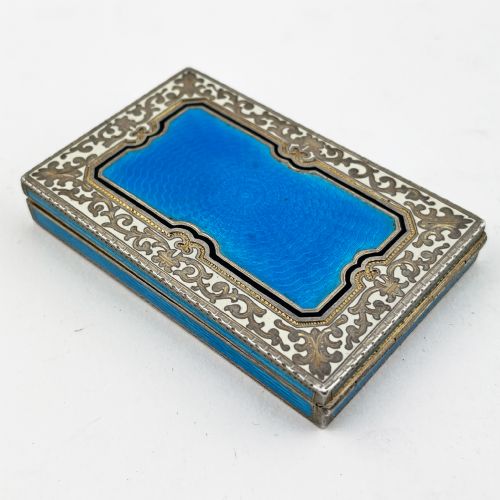
The version most commonly met on this page is the sterling silver case, frequently enhanced with coloured vitreous enamel or intricate engine-turned patterns. English examples from Birmingham assay offices appear alongside continental silver pieces from makers in Germany, Czechoslovakia, and beyond.
Beyond pocket cases, the category encompasses larger tabletop cigarette boxes and lighters finished in matching styles. Shagreen, wood, and gilt metals also appear among the surviving forms, demonstrating the variety of luxury materials utilised during the period.
Materials and Manufacturing Techniques
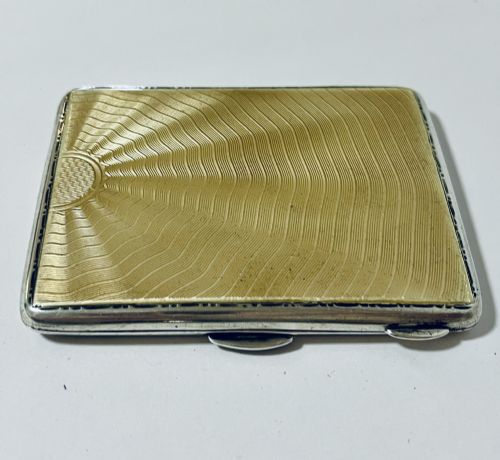
Silversmiths constructed these cases predominantly from sterling silver or solid silver standards such as 800 and 900, shaping the metal through stamping, folding, and meticulous hand-assembly. Many surfaces received engine-turning, a mechanical technique that engraved precise geometric patterns like sunburst rays into the metal.
Vitreous enamel provided vibrant colour, fused to the silver base through high-temperature firing to create smooth panels of blue, green, purple, or black. Artisans occasionally integrated contrasting metals, applying bands of yellow gold, rose gold, or marcasite stones to accent the geometric designs.
Some pocket cases managed to squeeze in a comb, a mirror, and a sneaky spot for lipstick alongside your fags.
Judging Quality in Period Smoking Accessories
Quality rests upon the crispness of the geometry and the integrity of the materials, distinguishing standard mass-produced items from exceptional luxury workshop output. Heavier gauge silver provides a substantial feel in the hand, reflecting superior weight and structural durability.
The application of enamel dictates the upper tier of the range, where flawless translucent or opaque fields demand immense technical skill. Maker attribution also elevates a piece, as signed work from established silversmiths commands greater appreciation than unmarked examples.
William Adams Ltd·Deakin & Francis·William Base & Sons·Watrous Manufacturing Co·Joseph Gloster·Louis Kuppenheim·John Henry Wynn·Sampson Mordan
The Art Deco Cigarette Case Glossary
- Engine-turning
- A mechanical engraving method that cuts intricate geometric patterns into metal surfaces. This technique creates textured backgrounds that catch the light beneath transparent enamels.
- Guilloche
- A decorative technique where a precise repeating pattern is mechanically engraved into a metal substrate. It frequently appears beneath translucent enamel to add depth and radiance.
- Vitreous Enamel
- Glass powder fused to metal under high heat to form a durable, glossy coloured surface. Unlike modern paints, this material maintains its lustre and hue across decades.
- Minauderie
- A small decorative evening handbag or case designed to hold cosmetics, cigarettes, and cards. These combination pieces often incorporate mirrors and lipstick holders.
- Shagreen
- Untanned leather prepared from the skin of sharks or rays, characterised by a distinctive granular texture. It was utilised on luxury boxes and table accessories during the period.
Art Deco Cigarette Case: Frequently Asked Questions
How were these cases used originally?
Owners carried them in pockets or evening bags to dispense cigarettes neatly without crushed paper packaging. Many included internal elastic straps or metal bars to keep the contents firmly in place.
Some multi-functional versions incorporated compartments for powder, coins, or calling cards, suiting the social habits of the interwar era.
How do I date a silver cigarette case?
English pieces typically feature assay office marks, date letters, and sterling silver lion hallmarks that allow precise year identification. Continental and American pieces often rely on maker stamps, silver purity numbers, or patent dates stamped on the interior rims.
Can modern cigarettes fit inside antique cases?
Standard modern filter cigarettes are often too long or thick to fit historical cases designed for shorter, narrower vintage dimensions. Collectors today frequently utilise these pieces for business cards, credit cards, or hand-rolled cigarettes.