



Vintage Silver Handbag
A vintage silver handbag brings tactile elegance to an evening out, offering a gleaming piece of craftsmanship from past decades.
Vintage Silver Handbag
A vintage silver handbag covers a refined variety of compact evening accessories, from mesh cocktail purses to structured frames mounted on fabric or crocodile skin. These portable items served a practical purpose for evening socialising, holding small essentials while complementing formal attire.
Most examples encountered here span the Victorian, Edwardian, and Art Deco periods, capturing shifts in design from ornate floral motifs to geometric lines. Makers ranged from individual silversmiths to larger manufacturing companies, working in silver, enamel, and beaded textiles.
How they were made
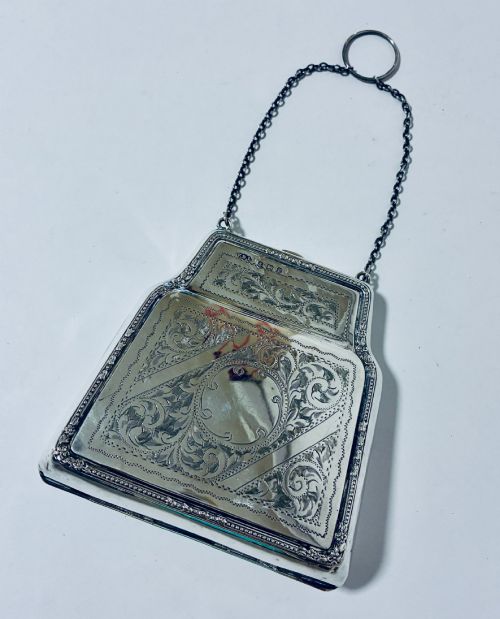
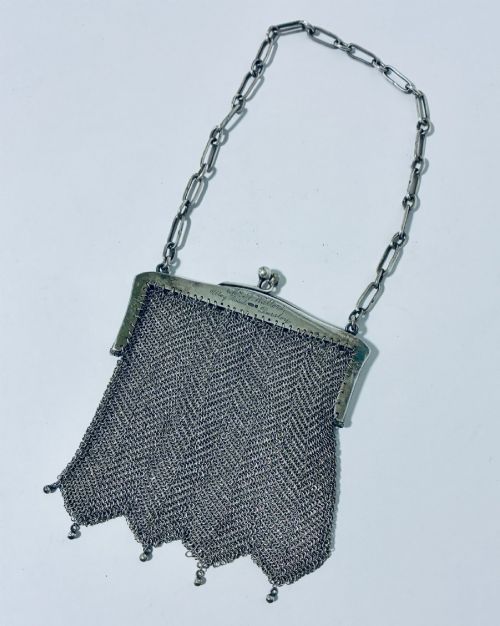
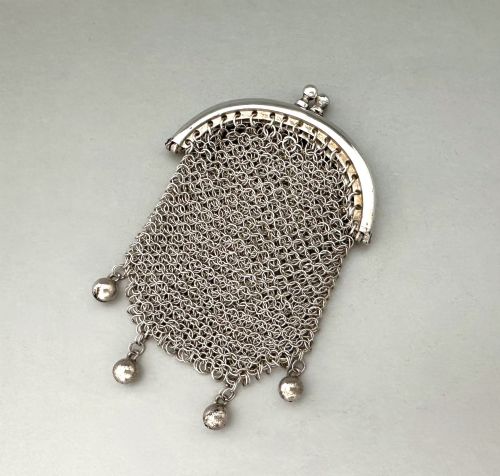
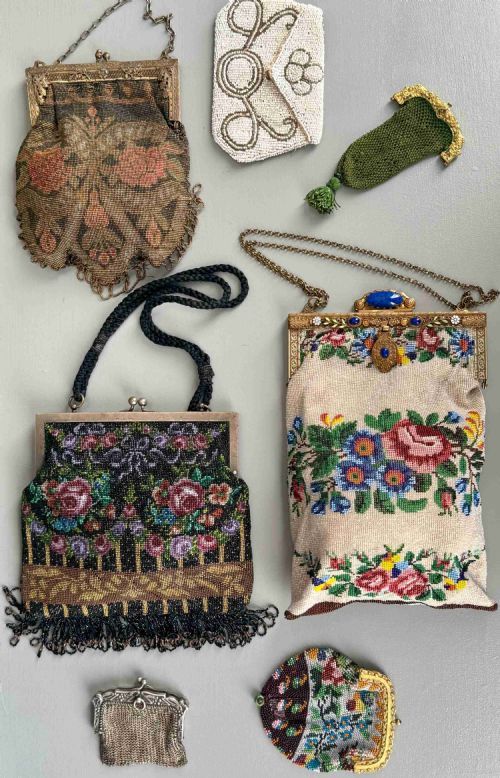
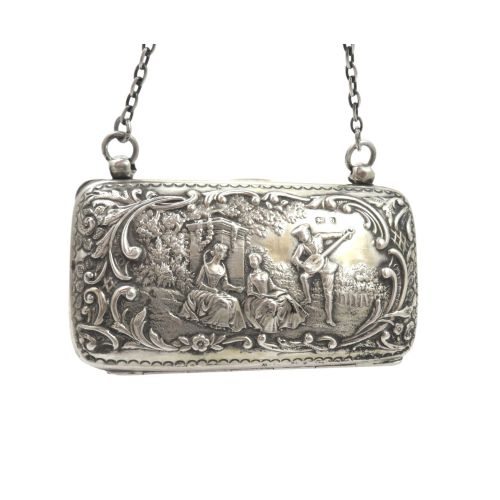
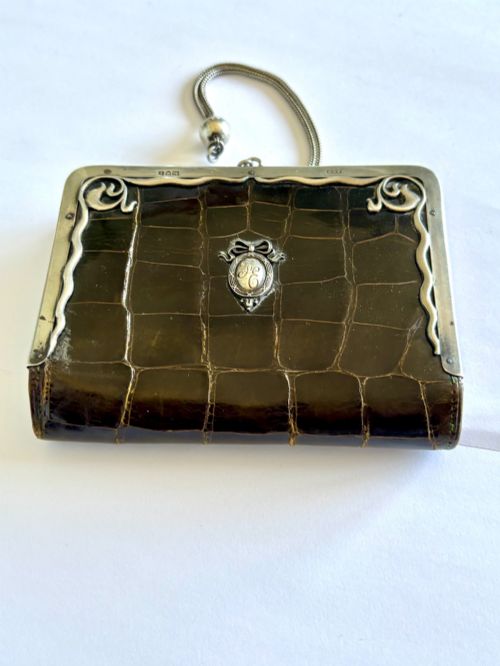
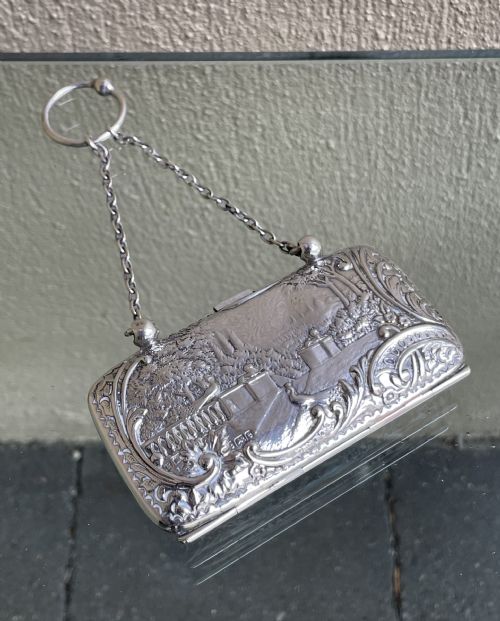
Silversmiths shaped sterling silver and base metals into fine chain links, rigid mesh panels, and solid repoussé frames with detailed scenes or scrolling foliage. These metal elements were frequently combined with textile bodies, glass beads, or exotic skins like crocodile.
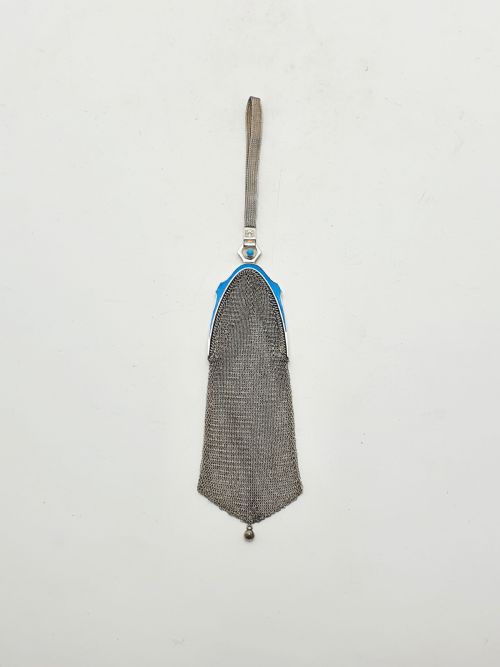
Specialised techniques such as guilloché enamel added translucent colour over engine-turned metal bases, while imported pieces often received British hallmarks at assay offices in cities like Birmingham, Chester, and London.
Listings feature items spanning the nineteenth century through to the nineteen-forties, covering Victorian, Edwardian, and Art Deco eras.
What varies in quality
Quality rests on the crispness of the repoussé work, the tightness and flexibility of the silver mesh, and the preservation of delicate guilloché enamel panels without chips. Superior pieces display crisp hallmarks, robust hinges, and secure clasps that close with a satisfying click.
The choice of materials also elevates a piece, particularly when precious metals are paired with genuine crocodile skin, intact silk linings, or intricate hand-beading rather than simpler brass or plain fabric mounts.
John Collard Vickery·The Boots Company·Robert Cawley·G. Norman·William Adams Ltd
The Vintage Silver Handbag Glossary
- Repoussé
- A metalworking technique where the smith hammers the design from the reverse side to form raised relief patterns on the front. This method creates the tactile floral and figural scenes found on many antique frames.
- Guilloché enamel
- Enamel applied over a metal surface that has been mechanically engraved with an intricate repeating pattern. It produces a shimmering, translucent geometric effect popular in early twentieth-century accessories.
- Hallmark
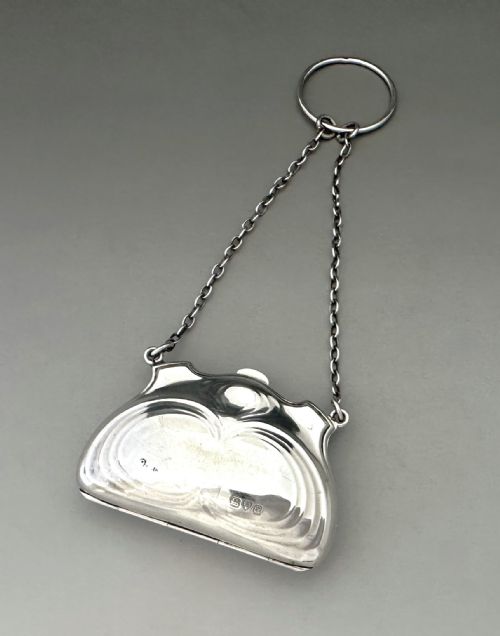
- An official stamp applied by an assay office indicating the purity of the metal, the maker, and the year of testing. British and import marks help date these items accurately.
- Chain mail
- Interlinked metal rings forming a flexible fabric-like material used for fluid mesh purses. This construction required meticulous hand-assembly by skilled artisans.
Vintage Silver Handbag: Frequently Asked Questions
How do I clean a silver mesh purse?
Silver mesh requires gentle care to avoid distorting the tiny links or damaging any attached fabric linings. Use a soft microfibre cloth designed for silver without dipping intricate mesh into harsh liquid cleaners.
For pieces with enamel or crocodile skin components, keep moisture away from the non-metal sections entirely. A professional silver polisher can advise on maintaining the shine without harming delicate structural joins.
Can I use a vintage evening bag today?
These compact bags were originally designed for very minimal items like coins, calling cards, or small compacts. Modern smartphones often exceed their delicate dimensions, so checking internal measurements is essential.
When carrying one to an event, treat the clasp and chain gently as older hinges and links experience fatigue over time. They remain wonderful companions for formal occasions where only absolute essentials are required.
How do I distinguish Edwardian from Art Deco styles?
Edwardian designs lean towards flowing Art Nouveau curves, floral motifs, and romantic repoussé scenes reflecting a gentler aesthetic. Silversmiths during this era focused on ornate, nature-inspired ornamentation.
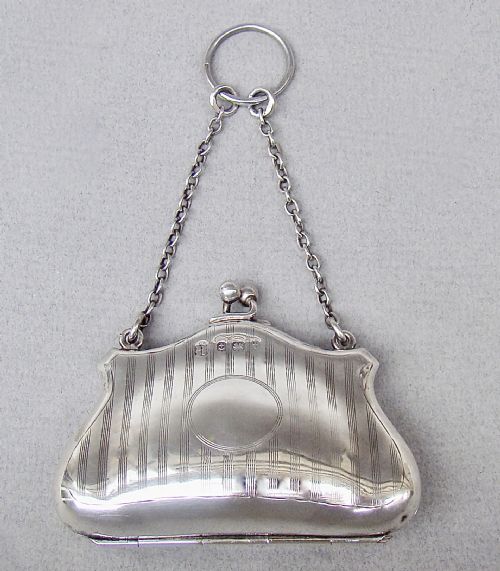
Art Deco pieces embrace geometric precision, clean parallel lines, and sleek symmetry that emerged after the First World War. This later style values streamlined elegance and starker contrasts, especially when paired with enamel.
What do import marks tell me?
Import marks indicate that a silver item was manufactured outside Britain and subsequently submitted to a British assay office before sale. These specific stamps provide legal verification of the metal standard.
They often include distinctive sponsor's marks or specific letters denoting the year of import. This helps collectors trace the journey of Continental European pieces into the British market.