



Birmingham Silver Case
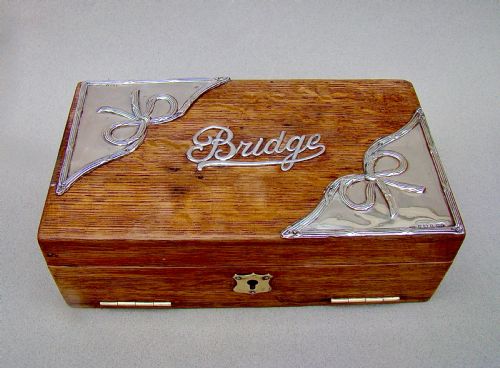
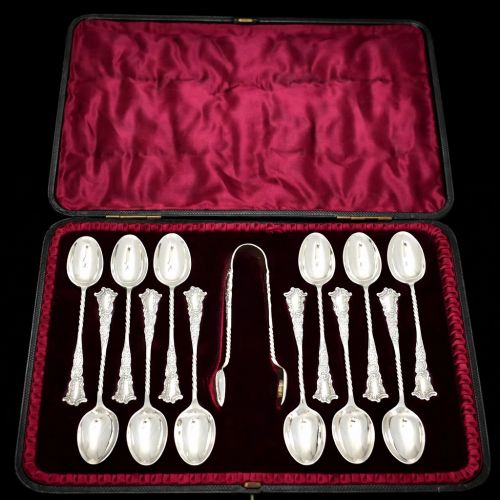
These pieces of a birmingham silver case span pocket items and desk boxes designed to hold personal valuables with practical elegance.

Birmingham Silver Case
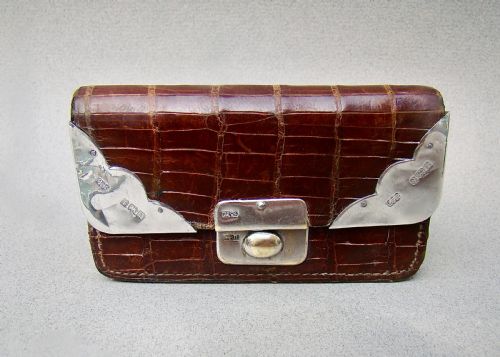
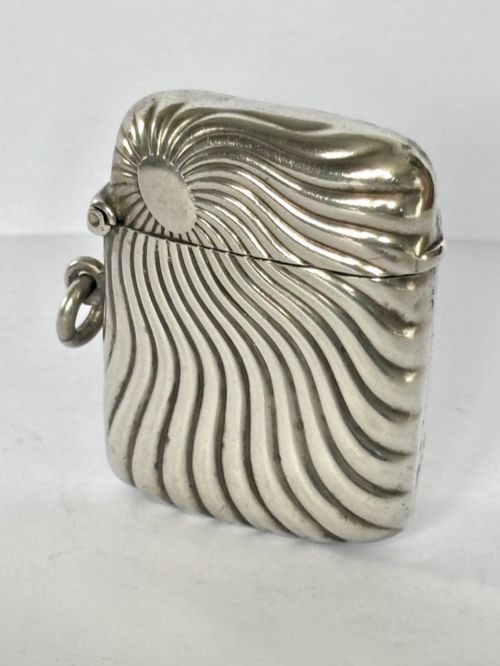
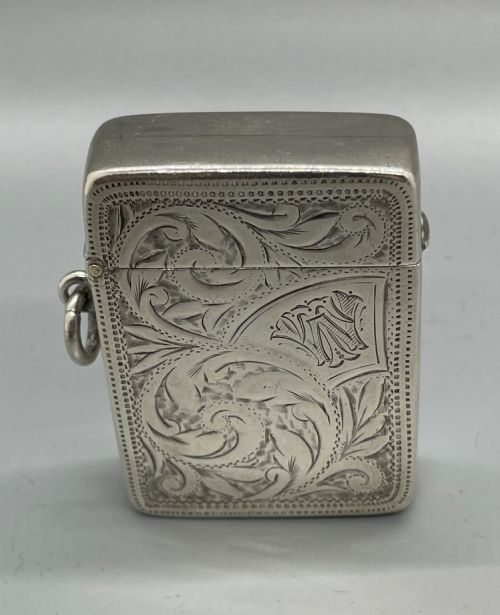
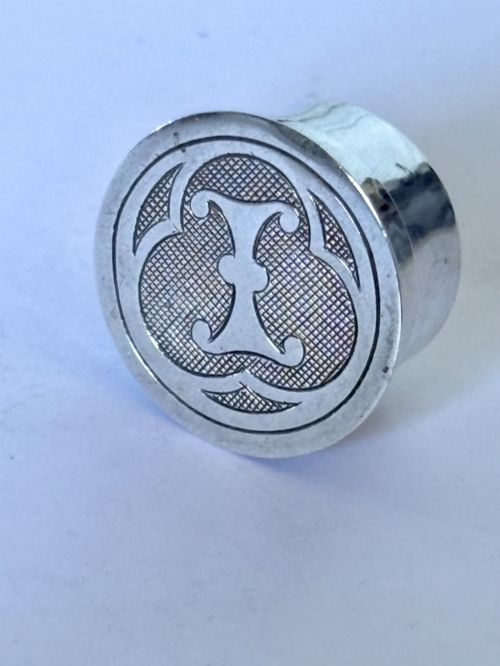
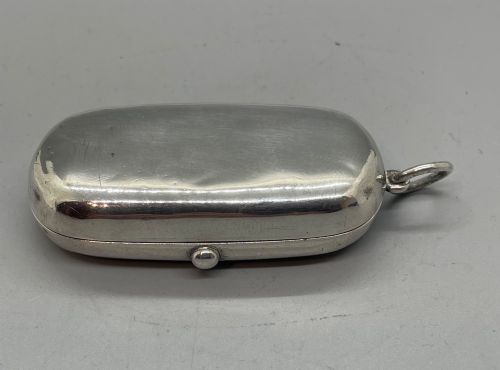
When searching for a birmingham silver case, a buyer explores a diverse group of portable containers including vesta cases, card cases, sovereign cases, and compacts. These items originated largely in the Victorian and Edwardian eras, extending into the Art Deco period with geometric designs.
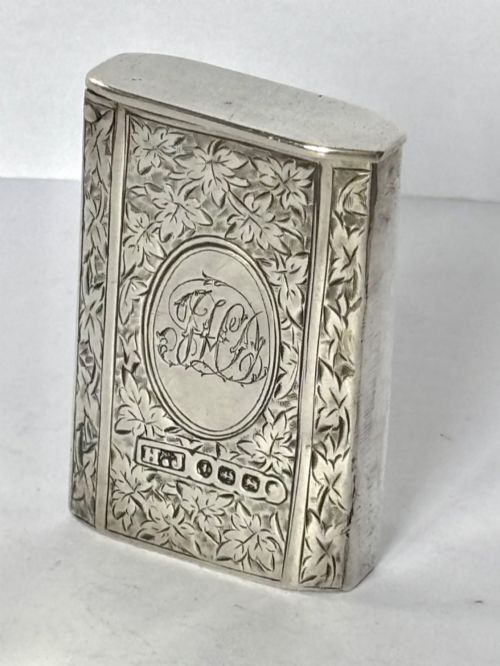
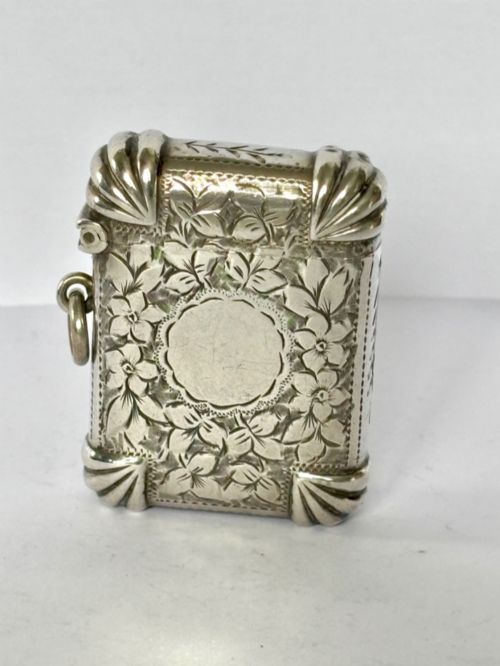
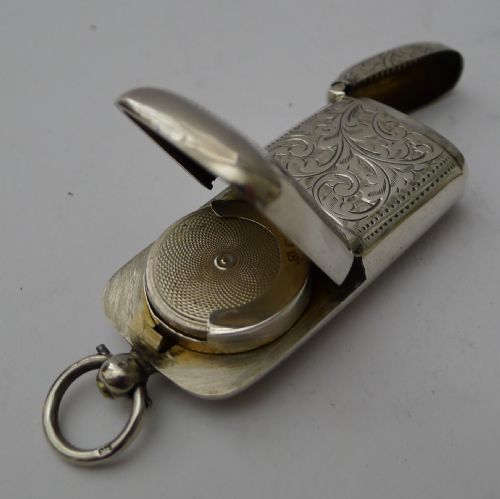
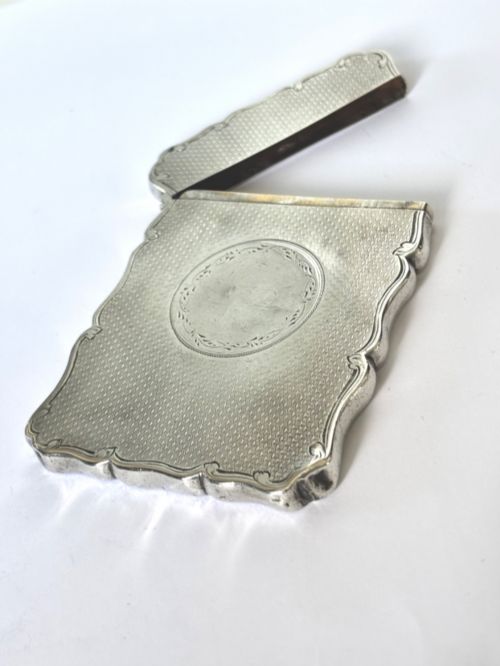
The most common examples encountered on this page are vesta cases for matches and calling card cases, fashioned in sterling silver with Birmingham hallmarks. Many pieces combine functions, such as vesta and sovereign holders or vesta and photograph frame combinations, reflecting the practical demands of past decades.
What Varies in Quality
The distinction between standard items and exceptional pieces rests upon the crispness of the maker's stamp, the depth of hand-chased or engine-turned decoration, and the integrity of any applied enamel. Heavy gauge silver maintains structural rigidity better over time, preventing dents to the body and lid.
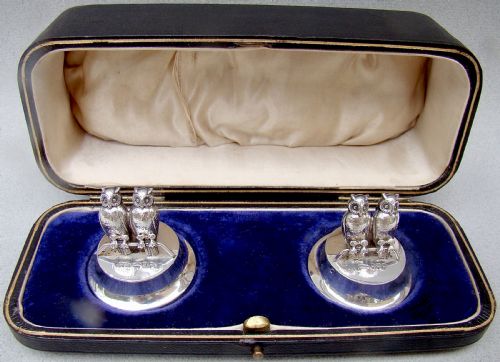
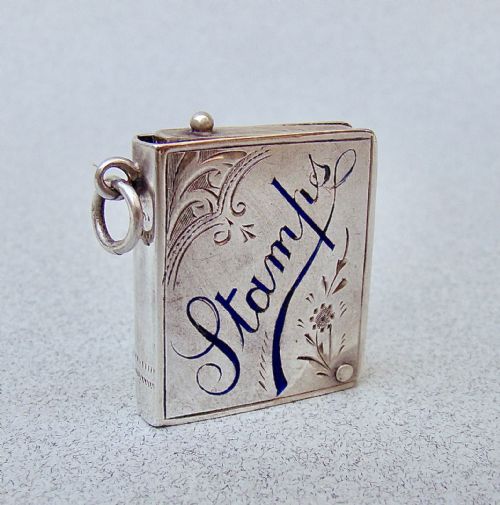
Form variations range from standard rectangular vesta cases and card boxes to novelty shapes like golf balls, owls, books, and fleams.
Charles Penny Brown·Levi And Salaman·Ev Pledge And Son·Robert Chandler·Fa Barrett·George Unite·Crisford And Norris·Robert Pringle·Henry Matthews·The Daniel Manufacturing Co·Ct Burrows And Sons·Henry Charles Freeman·William Adams Ltd·William Devenport·Marson And Jones·Taylor And Perry·Minshull And Latimer·Ludwig Krumm·Henry Perkins And Sons·Laurence Emanuel·Constantine And Floyd·Francis Webb·Smith And Bartlam·Henry Williamson·Ej Houlston
The Birmingham Silver Case Glossary
- Vesta Case
- A small pocket container designed to hold matches and keep them dry. These typically feature a striking surface on the base.
- Guilloché Enamel
- A decorative technique where intricate geometric patterns are machine-engraved beneath translucent layers of coloured enamel. This method was widely used on Art Deco compacts and cigarette cases.
- Hallmark
- An official stamp applied by an assay office, such as Birmingham, indicating metal purity, the assay town, and the year of testing. It serves as the primary method for dating British silver.
- Sovereign Case
- A small round pocket case engineered with spring mechanisms to securely hold gold sovereign coins. They often attach to watch chains for daily carry.
- Castle Top
- A specialised style of card case or box featuring a detailed high-relief engraving of a historic building or stately home on the lid. These represent some of the most sought-after topographical silver.
Birmingham Silver Case: Frequently Asked Questions
What is a birmingham silver case used for?
These cases served specific daily functions for Victorians and Edwardians carrying small personal necessities in their pockets or bags. Common forms held matches, calling cards, gold coins, or stamps.
Over time, accessories evolved to accommodate cigarettes, cosmetics, and pocket watches, reflecting shifting social habits and technology through the twentieth century.
How do I read a Birmingham hallmark?
Birmingham silver bears an anchor symbol denoting the assay office, alongside a lion passant indicating sterling standard silver. A designated letter stamp corresponds to the specific year of manufacture.
Maker marks also appear as initials stamped near the assay office marks, allowing collectors to attribute pieces to specific silversmiths and workshops.
Are these cases fragile for daily use?
Pocket accessories made of sterling silver are generally robust, though delicate elements like guilloché enamel or applied surface stones require careful handling. Thin silver walls on cheaper items can dent if dropped.
Spring-loaded lids and sovereign case mechanisms experience wear over decades of use, meaning hinges and catches should be handled with gentle respect.
How do I clean antique silver cases?
Cleaning requires a soft microfiber cloth and a mild silver polish formulated to remove tarnish without stripping away fine engraved details. Avoid abrasive pastes that degrade antique hallmarks.
Cases with enamel, leather, velvet, or crocodile skin linings need extra caution to keep moisture away from vulnerable organic and decorative surfaces.