


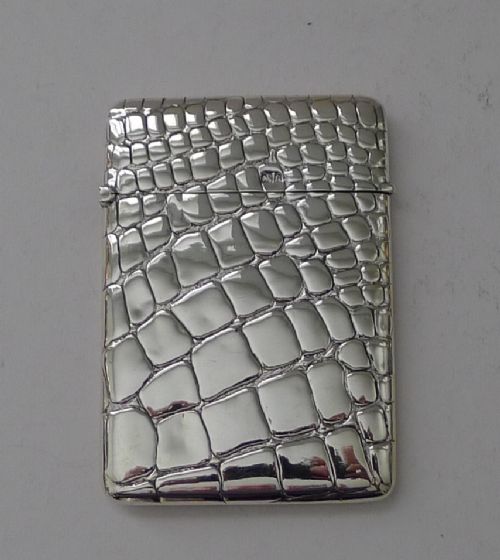
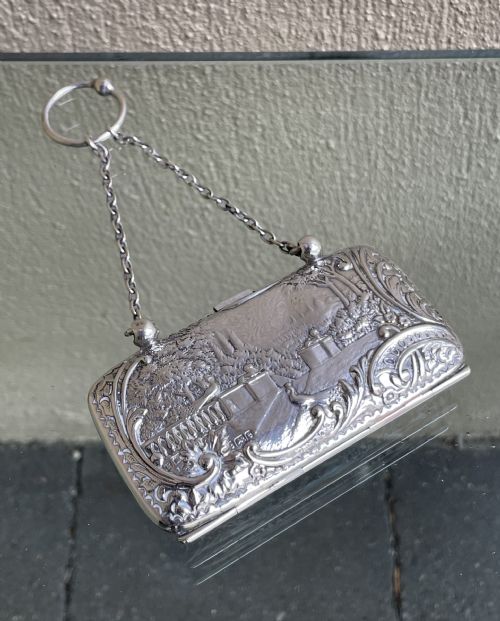
Edwardian Card Case
An Edwardian card case captures the social etiquette of the early twentieth century in a pocket-sized silver object.
Edwardian Card Case
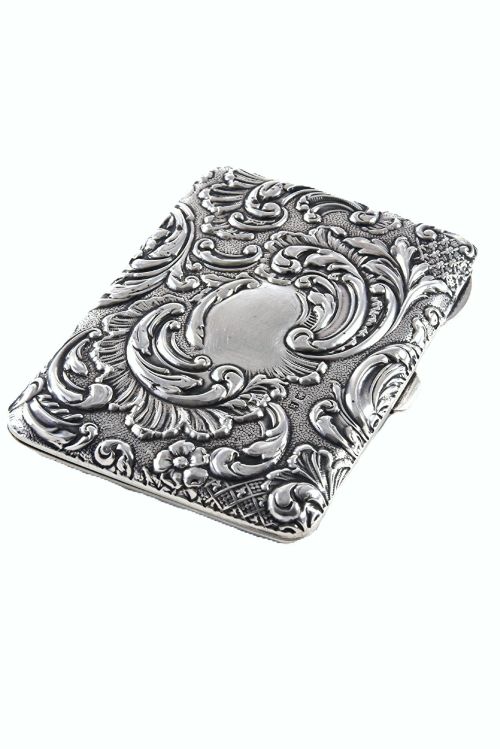
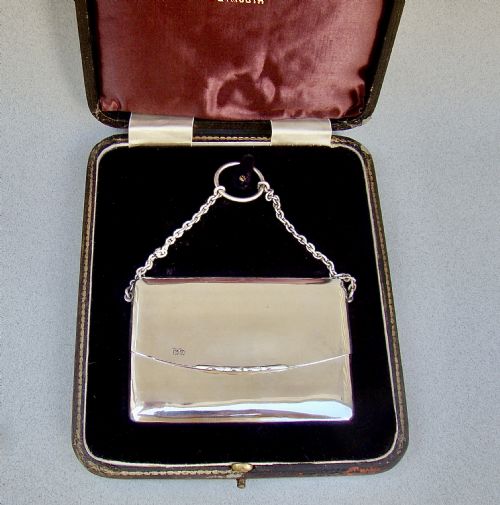
When searching for an edwardian card case, buyers encounter slim containers designed to hold visiting cards, calling cards, and small paper notes during polite social calls. The pieces on this page span the Edwardian period alongside late Victorian and early twentieth-century examples, taking the form of rigid metal boxes, soft leather wallets, and combined aide-memoires.
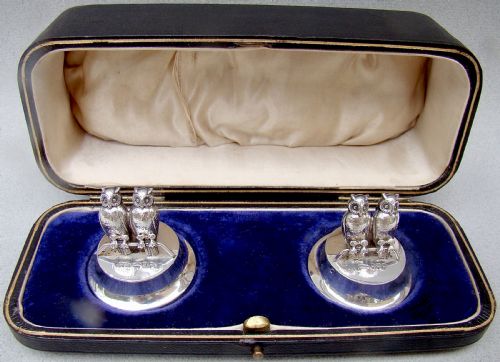
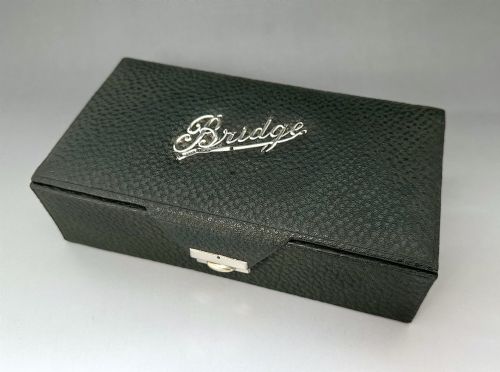
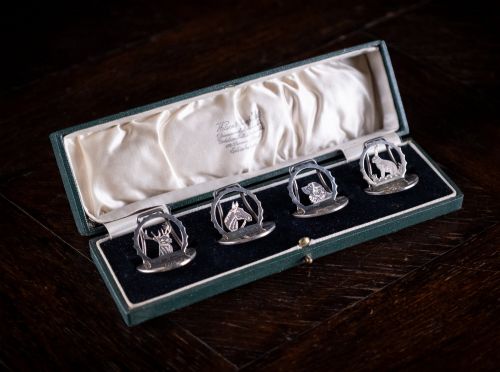
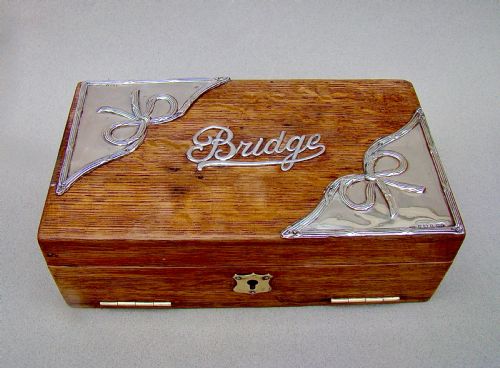
Beyond standard flat cases, the selections include novelty designs, curved shapes for pockets, and larger desk boxes intended for playing cards and bridge. Many incorporate interior silk or velvet linings, gilt washes, and integrated compartments for stamps or coins.
The objects reflect the formal societal rituals of their era, where callers presented engraved cards upon visiting acquaintances. Makers utilised sterling silver and crocodile skin alongside enamel and gold highlights to produce functional personal accessories.
How They Were Made
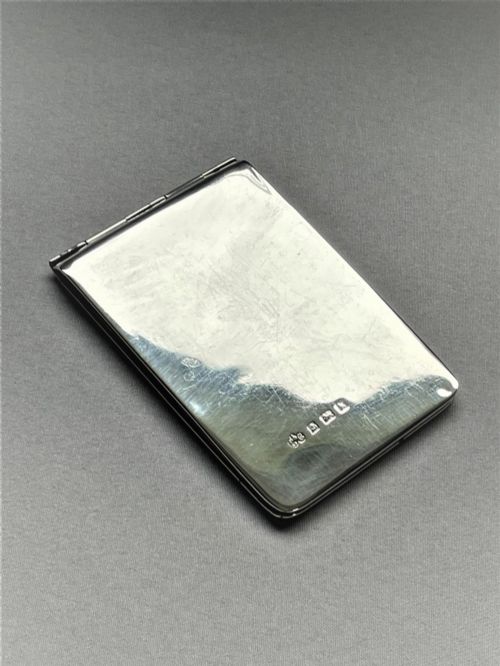
Silversmiths constructed the metal bodies from sterling silver, often applying planished hammer marks, chased animal motifs, or hinged lids with secure clasps. Assay office hallmarks stamped into the metal indicate the year of creation and the town of origin, such as Birmingham, Chester, or London.
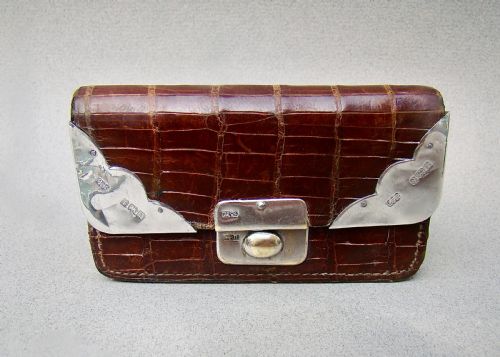
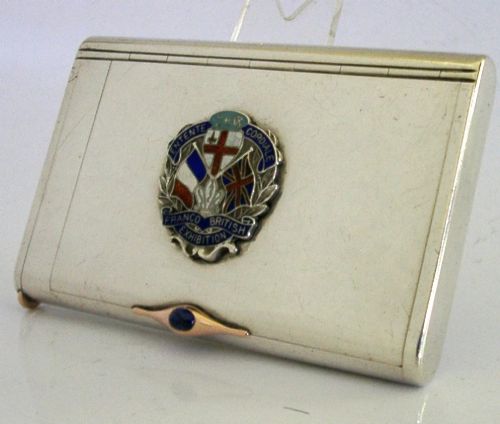
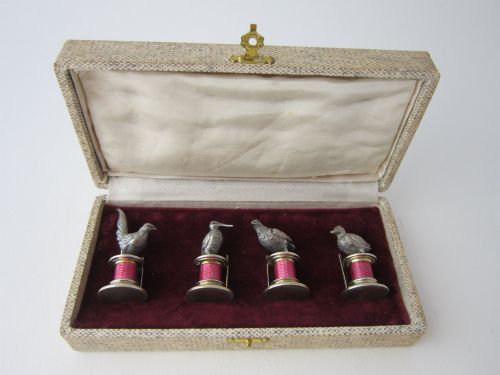
Exemplars combine rigid metal frames with fitted interiors lined in silk, velvet, or leather, while others pair silver mounts with exotic reptile skins like crocodile. Enamel work and gold gilding appear on select items to provide coloured contrast and interior luxury.
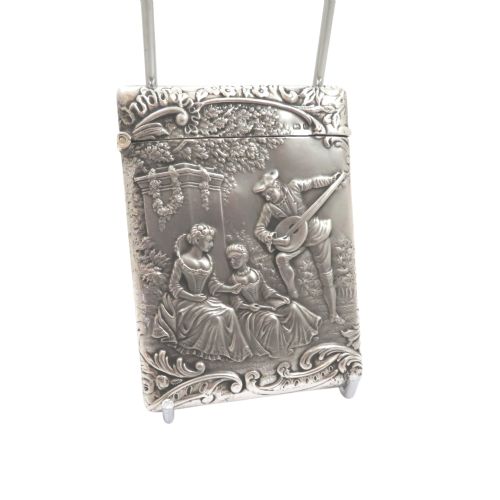
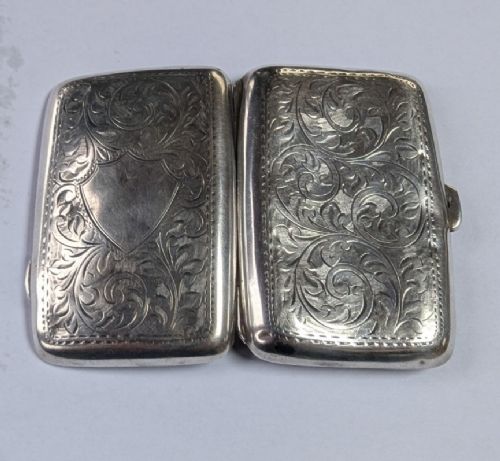
Specialised workshops employed embossing and engraving techniques to render pictorial scenes, figural depictions of animals and humans, and intricate Art Nouveau patterns across the outer surfaces.
Materials documented across the inventory include sterling silver, crocodile leather, velvet, silk, enamel, and gold.
What Varies in Quality
The standard of an edwardian card case rests upon the crispness of its chased or engraved decoration and the precision of the hinge mechanism. Pieces featuring figural subjects, naturalistic forms, or detailed enamel work represent higher manufacturing ambition than plain polished surfaces.
Maker attribution strongly influences standing, with renowned silversmiths and specific assay marks commanding greater regard among collectors. The integrity of internal fittings, such as original silk linings and undamaged gilt washes, distinguishes well-preserved survivals from heavily used examples.
Charles Penny Brown·Levi and Salaman·Willian Aitken·Sampson Mordan·Joseph Gloster·Robert Pringle and Sons·Henry Matthews·Walker and Hall·William Hayes
The Edwardian Card Case Glossary
- Sterling silver
- A silver alloy containing 92.5 percent pure silver and 7.5 percent other metals, typically copper, used widely for British hallmarked tableware and small personal items.
- Aide-memoire
- A small notebook or memorandum pad fitted into a case or wallet, often including a tiny pencil for recording social engagements.
- Hallmark
- A series of official marks stamped on precious metals in the United Kingdom to certify standard of purity, assay office, and date letter.
- Planished
- A surface finish achieved by hammering metal with a polished round-faced hammer, leaving regular flat facets that catch the light.
- Vesta case
- A small pocket container designed for holding matches, frequently found alongside card cases and sharing similar engraved or embossed decoration.
Edwardian Card Case: Frequently Asked Questions
How do I read the hallmarks?
British hallmarked items feature stamps indicating the standard of silver, the town where the piece was tested, and a specific date letter. These marks allow collectors to verify the exact year of production and the workshop responsible.
Additional sovereign marks or maker's initials often appear alongside the assay office symbol, providing a complete record of the item's origin.
Were these used by men or women?
Both gentlemen and ladies carried card cases as part of daily social interactions. Slimline versions slipped easily into waistcoat pockets, while larger designs accommodated vanity items or stamps.
Some pieces incorporate integrated writing tablets or purses, reflecting the specific utility required by the original owner.
How should I clean silver cases?
Silver surfaces require gentle maintenance with a specialised microfibre cloth to remove tarnish without disturbing engraved details. Harsh abrasive cleaners should be avoided, particularly on items with gilt linings or delicate enamel.
Leather and crocodile skin components benefit from specialised conditioning to maintain flexibility and prevent the material from drying out.