
Antique Silver Holder
An antique silver holder encompasses diverse functional objects from menu card displays and vesta cases to wine coasters crafted across Victorian, Edwardian, and Art Deco periods.
Antique Silver Holder
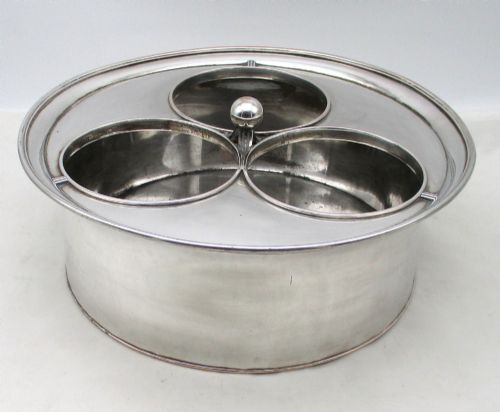
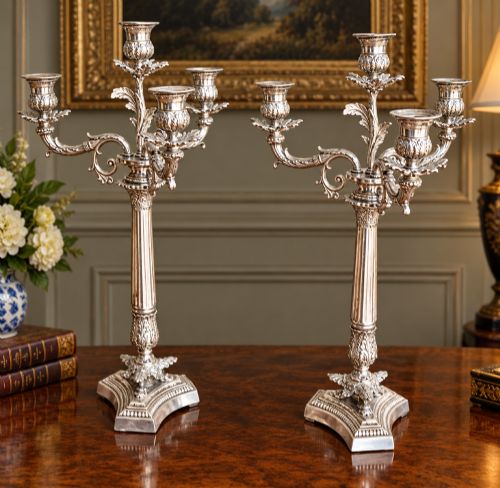
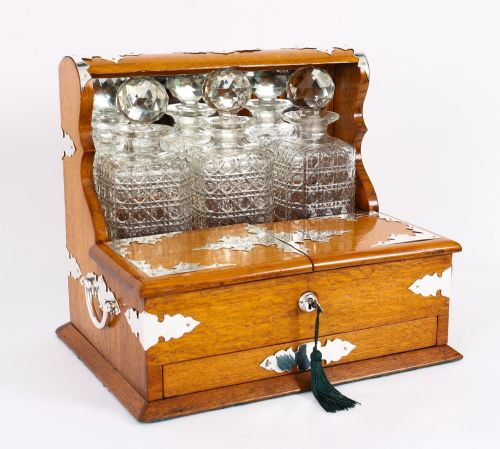
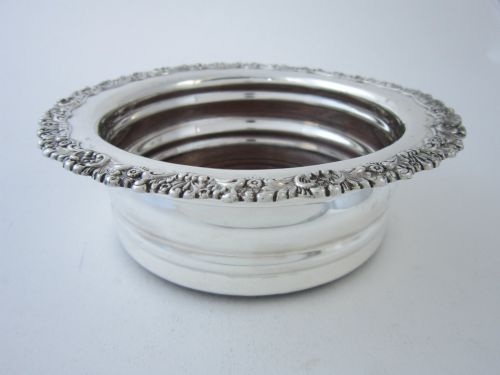
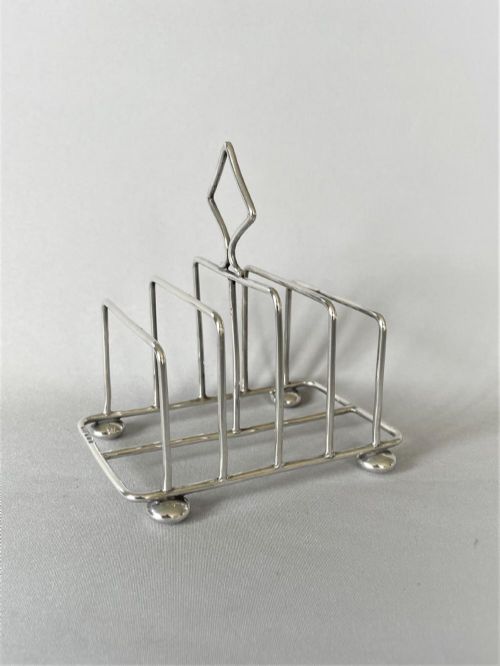
When searching for an antique silver holder, buyers encounter a wide spectrum of functional domestic items designed to secure or display specific items. The category spans dining table accessories such as menu card holders, place card holders, toast racks, wine coasters, and bottle stands.
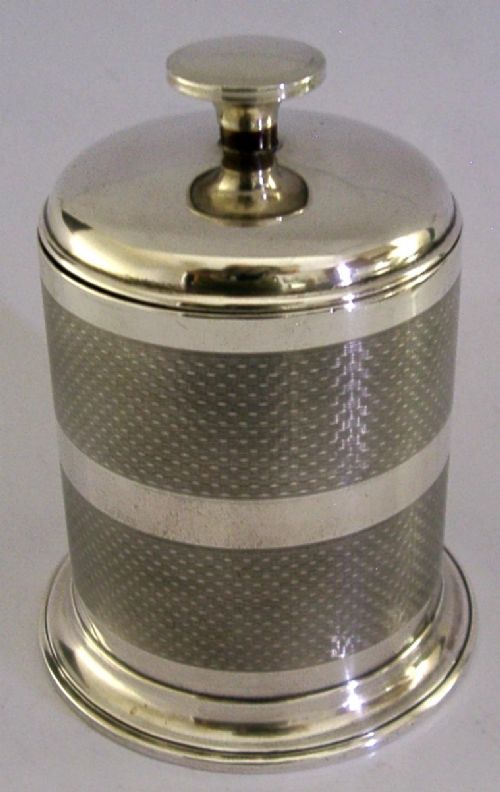
Personal items form another substantial group, including vesta cases, sovereign holders, cigar and cigarette boxes, cheroot holders, and pocket watch albert chains. Desk and vanity examples include string holders, stamp cases, and posy holders dating primarily from the Victorian and Edwardian eras through to the Art Deco period of the 1930s.
The objects originate predominantly from British workshops in assay towns such as Birmingham, Chester, and London, alongside Old Sheffield Plate pieces and occasional continental or Asian silver items.
Factors of Distinction
Quality separates ordinary utility items from superior examples through the crispness of casting detail, particularly in figural subjects like animals, birds, or novelty characters. Crisp hallmarks, balanced proportions, and substantial gauge metal distinguish finer workshop production.
The retention of original gilding, vibrant enamel work, and intact associated cases elevate certain pieces. Maker attribution to notable silversmiths also defines the upper tier of the market.
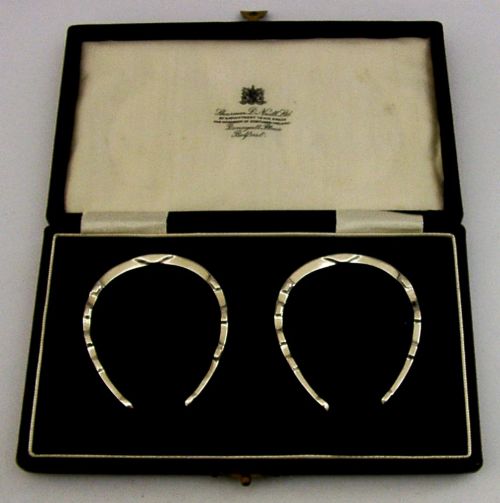
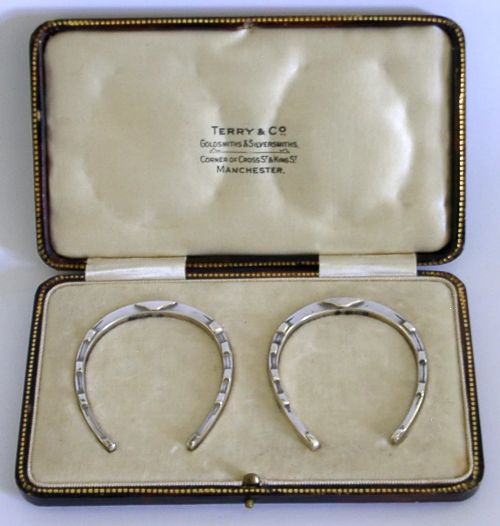
Edwardian dining tables apparently required miniature silver owls and lucky horseshoes to ensure proper menu management.
Aaron Lufkin Dennison·Albert Edward Jones·Levi and Salaman·Horton and Allday·Mappin and Webb·Sampson Mordan
The Antique Silver Holder Glossary
- Vesta case
- A small pocket container designed to hold matches, typically fitted with a striking groove on the base. They often feature engraved decoration or figural forms.
- Menu holder
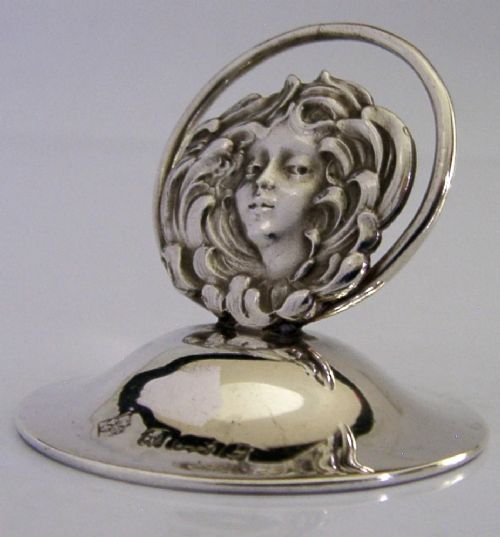
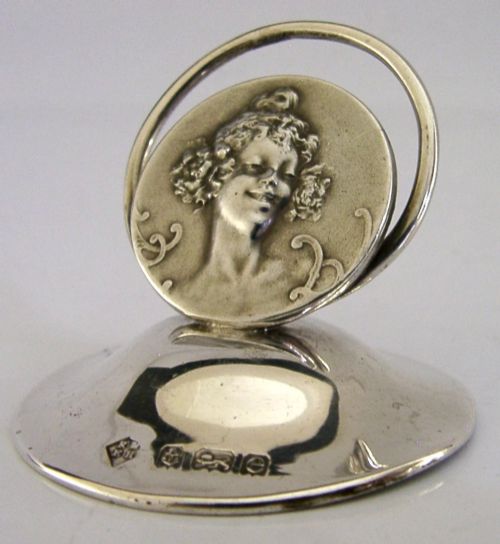
- A small desk or dining accessory created to support dinner menus or place cards upright on the table. Edwardian examples frequently adopt playful animal or novelty shapes.
- Sheffield plate
- An early form of composite metal made by fusing a thin sheet of silver to a copper base before rolling. This technique predates modern electroplating.
- Sovereign case
- A compact pocket receptacle engineered to store British gold sovereign and half-sovereign coins securely. Many feature spring-loaded mechanisms.
- Hallmark
- An official mark stamped onto precious metal items to guarantee the standard of purity and indicate the assay office, maker, and year of testing.
Antique Silver Holder: Frequently Asked Questions
What is an antique silver holder used for?
These items serve various practical and decorative domestic functions, from holding dining table menus and wine bottles to securing pocket matches and coins.
Many pieces reflect the formal social rituals of the Victorian and Edwardian periods, combining utility with decorative novelty.
How do I date an antique silver holder?
Dating relies primarily on the stamped hallmarks, which indicate the specific assay office and year letter for British sterling silver pieces.
Stylistic indicators such as Edwardian figural motifs or Art Deco geometric lines also help place items within specific decades.
What is the difference between silver plate and sterling silver?
Sterling silver consists of a solid precious metal alloy containing a fixed proportion of pure silver, whereas silver plate applies a thin layer of silver over a base metal like copper or nickel.
Pieces made from Old Sheffield Plate use a distinct fused metal technique visible on close inspection of the edges.
How should I clean antique silver holders?
Careful maintenance involves using a non-abrasive silver cloth or gentle polish designed for antique metals to preserve surface details and engravings.
Harsh chemical dips should be avoided, particularly on items featuring enamel, gilding, or non-metal components like velvet and wood.