
Vintage Pine Seating
Vintage pine seating brings rugged utility and simple joinery into a modern interior, offering benches, settles and stools shaped by practical domestic or ecclesiastical use.
Vintage Pine Seating
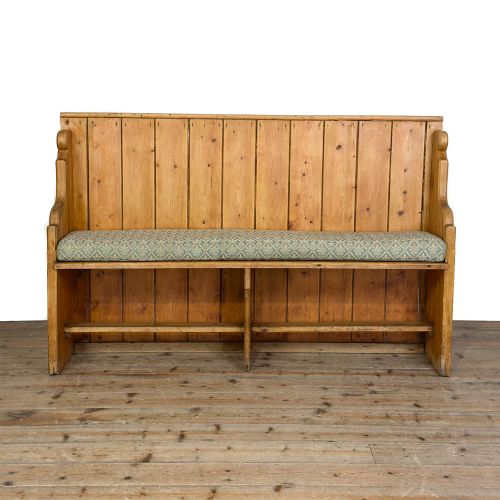
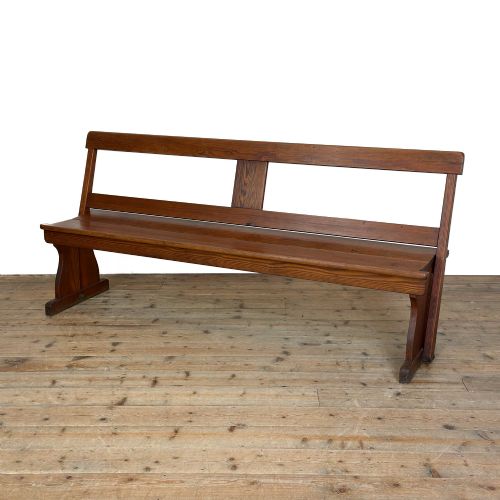
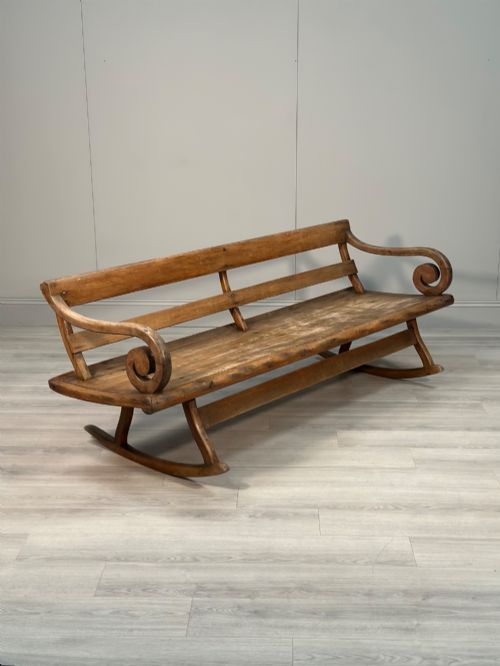
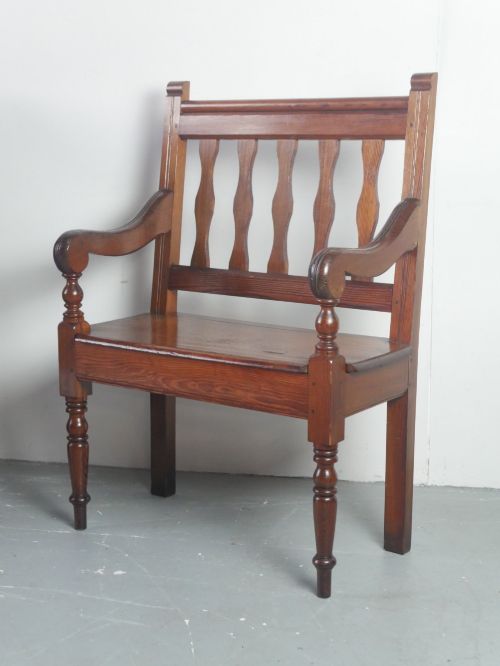
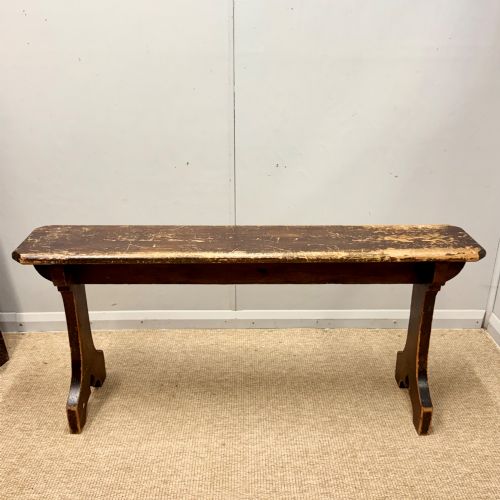
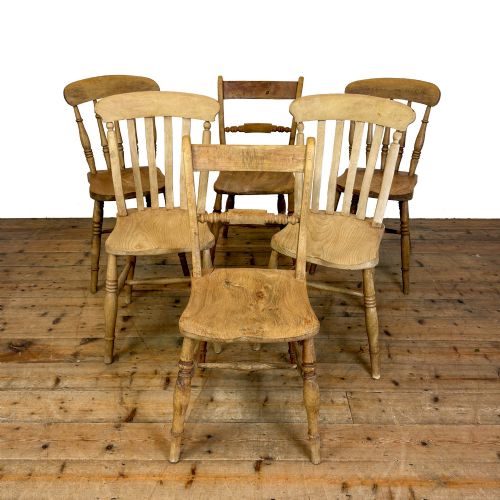
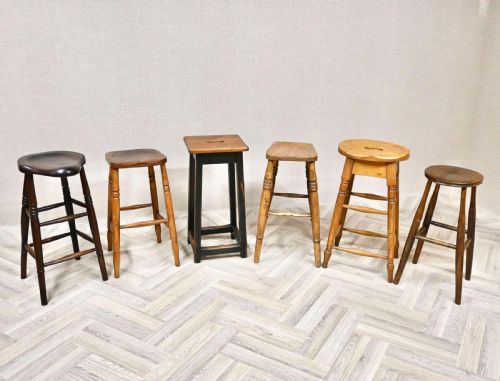
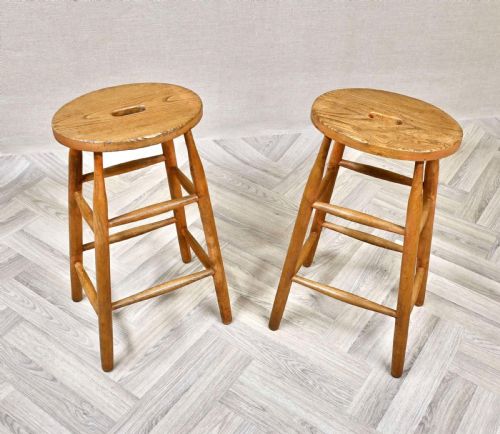
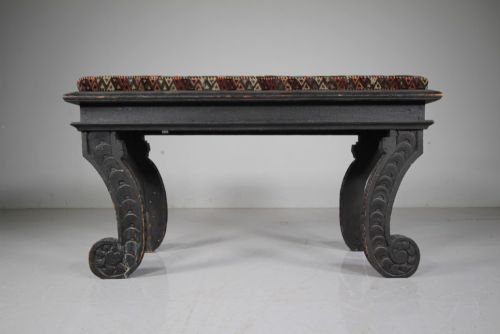
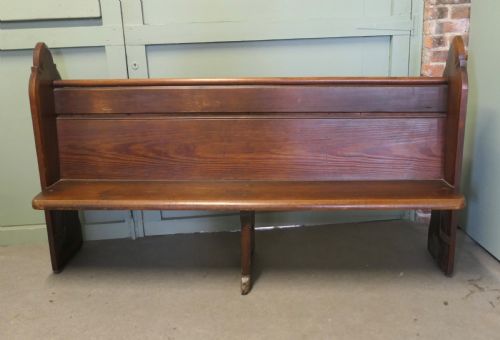
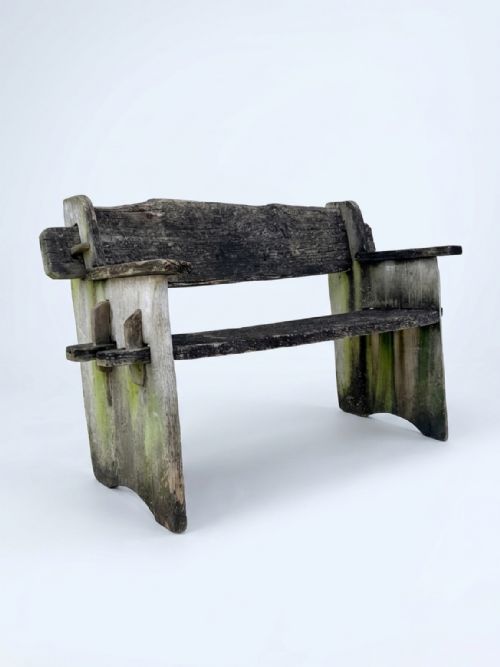
Vintage pine seating encompasses a broad spectrum of domestic and institutional forms, including benches, chapel pews, settles, bar stools, armchairs and dining chairs. When exploring vintage pine seating, buyers encounter pieces originating from English, Scandinavian, Austrian and Eastern European traditions, dating from the Georgian and Victorian eras into the twentieth century.
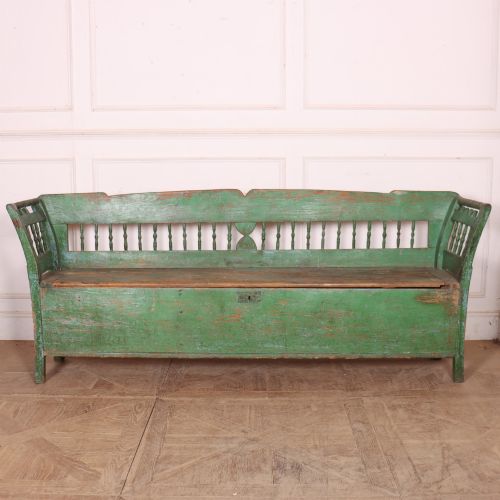
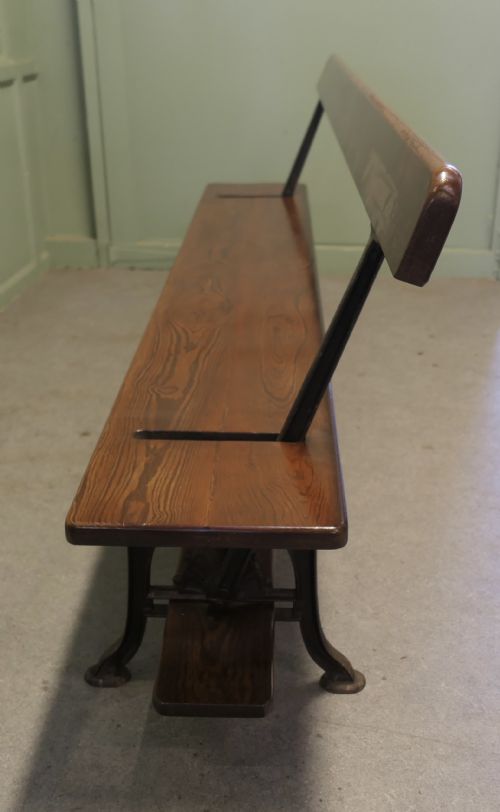
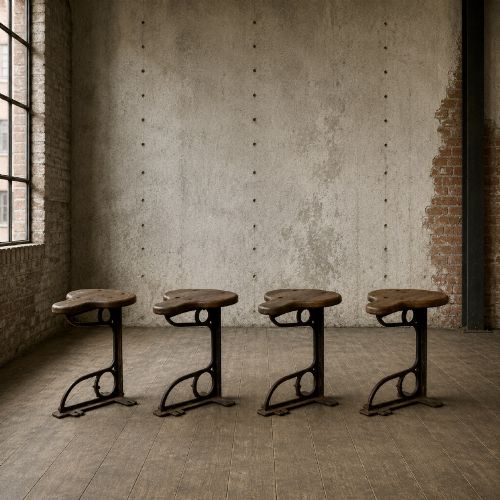
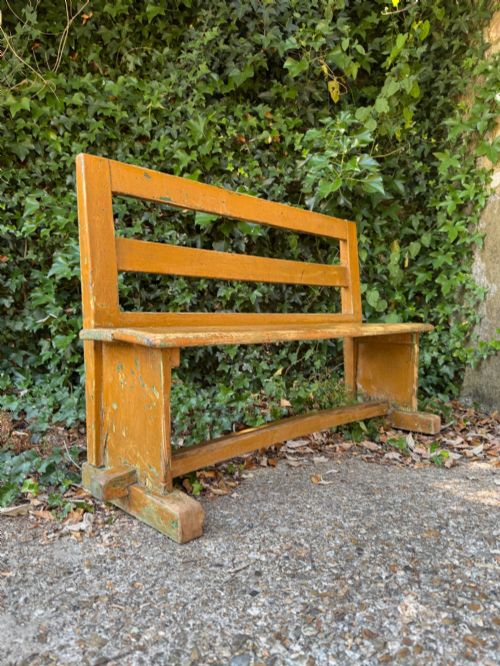
The material record shows robust utilitarian objects designed for specific tasks, such as church pews, organ benches, milking stools, industrial machinist stools and garden benches. Hungarian painted benches and English country settle benches represent common large-scale seating options on this page.
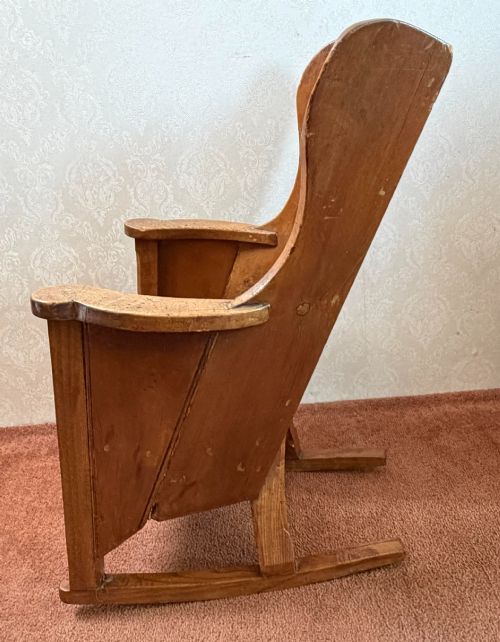
Smaller formats such as children's rocking chairs, window seats and vernacular joint stools appear frequently alongside larger sets of dining chairs and bar stools. These objects draw heavily on rustic country, farmhouse, folk art and industrial styles rather than courtly aesthetics.
Materials and construction methods
Makers relied primarily on pine, pitch pine, elm and beech, frequently combining timber with cast iron elements for industrial seating like machinist stools. Construction prioritized functional durability, utilising solid wood boards for seats and backs alongside sturdy turned or squared legs.
Surfaces often display original paint finishes in ochre, green, blue, grey, cream or black, while other examples exhibit wax or honey brown patina on bare timber. Joinery methods reflect traditional vernacular carpentry, focusing on stability and everyday wear rather than ornate decorative carving.
Factors of distinction
Quality in these pieces rests upon the integrity of the original construction and the preservation of authentic surface finishes, such as untouched early paint or deep historic wax patina. Pieces retaining their original structural joinery without excessive timber replacement hold greater authority.
The presence of unusual operational elements, such as flip-over mechanisms on chapel pews or reversible tram bench designs, distinguishes specialised utilitarian forms from standard domestic seating. Regional vernacular character and scarce configurations elevate certain examples above standard workshop output.
The Vintage Pine Seating Glossary
- Settle
- A wooden bench with a high back, solid arms and often a box compartment beneath the seat, designed to block draughts in older homes.
- Pew
- A long wooden bench traditionally utilised in churches, chapels or institutional settings, frequently constructed from solid pine or pitch pine.
- Vernacular
- Architecture or furniture built by local craftsmen using traditional regional methods and locally available materials, prioritising utility over high-style design.
- Patina
- The surface sheen and colour depth developed on wood and paint over decades of handling, exposure and use.
- Spindled
- Featuring turned vertical wooden rods or balusters, commonly seen supporting the backs or arms of country seating.
Vintage Pine Seating: Frequently Asked Questions
How do I care for waxed pine furniture?
Maintain waxed pine surfaces by applying a clear beeswax periodically and buffing with a soft cloth to nourish the timber.
Avoid placing these pieces near direct heat sources or strong sunlight to prevent the wood from drying out or splitting.
Are church pews comfortable for daily use?
Church and chapel pews feature upright wooden backs and solid seats designed for architectural durability rather than lounging.
Many buyers add loose squab cushions to adapt these linear benches for everyday dining or hallway seating.
What distinguishes pitch pine from standard pine?
Pitch pine contains a higher resin content, which gives the timber a denser weight, harder surface and prominent grain pattern.
This variety withstands heavy institutional or industrial wear much better than softer white or yellow pine variants.
How do I identify original paint on antique seating?
Original paint surfaces show natural wear patterns, minor craquelure and authentic pigment fading consistent with age and domestic use.
Inspect corners and recessed areas for layers of historic colour that confirm the age of the decorative finish.