
Vintage Pier Table
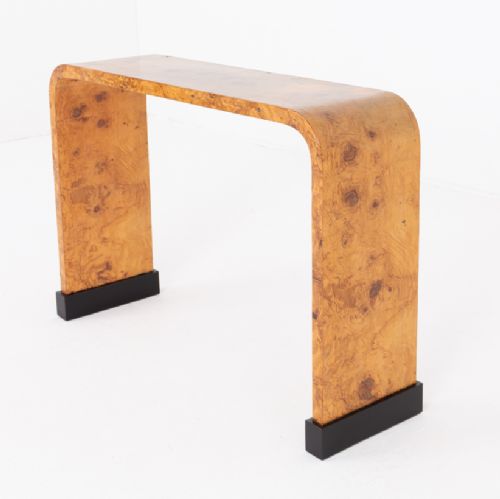
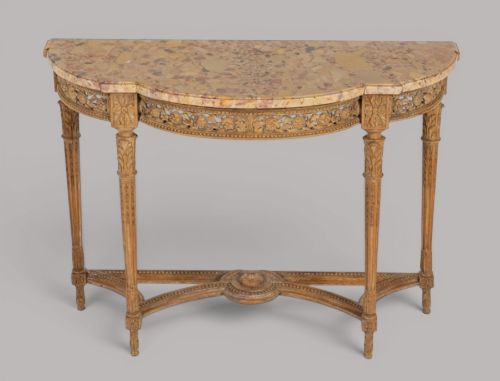
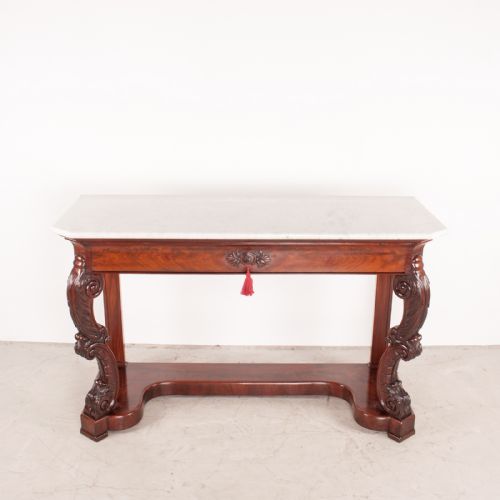
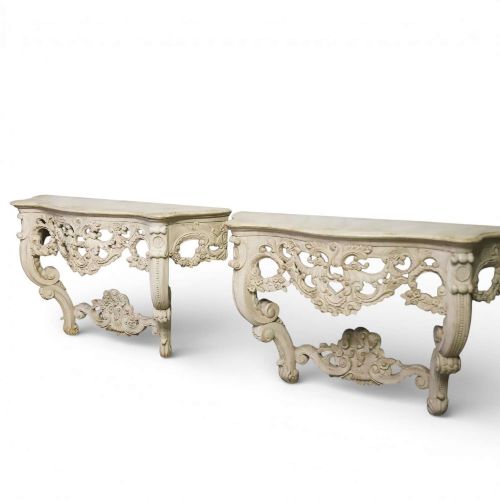
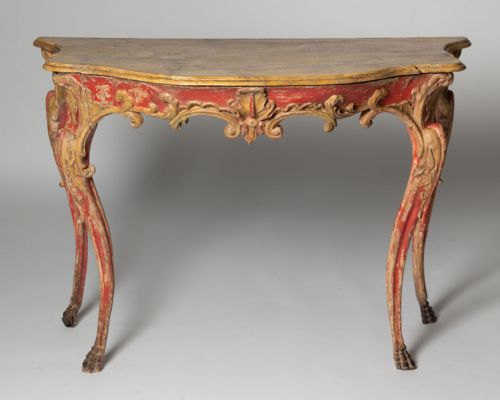
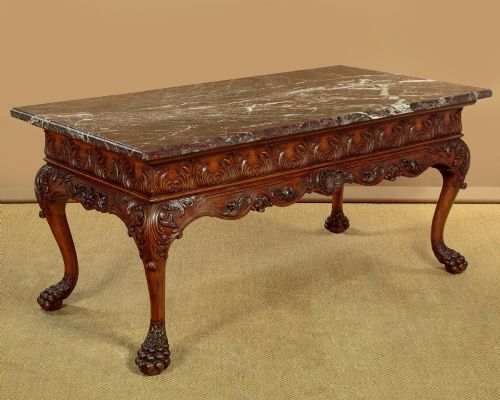
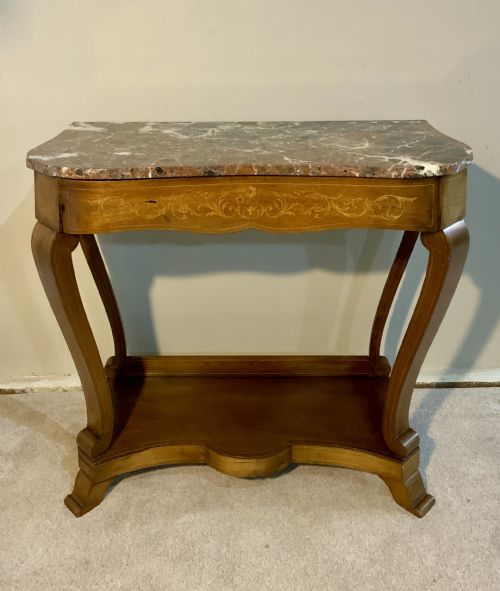
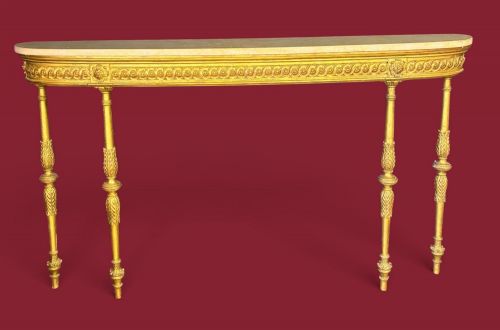
These vintage pier table pieces bring architectural presence to a hallway or drawing room, prized for their stone surfaces and narrow wall-hugging proportions.
Vintage Pier Table
A vintage pier table stands against a wall, typically between windows or beneath a mirror, fulfilling the role of a console or hall table. When buyers search this phrase, they encounter a range of forms including demi-lune tables, console tables, and washstands designed to fit shallow spaces.
The pieces on this page span several centuries and styles, featuring 18th century, 19th century, Edwardian, and 1930s examples. French styles predominate, from French Chateau and Rococo to Provincial and Empire, alongside Georgian, Victorian, and William IV English designs.
Materials vary widely across these eras, combining heavy stone tops with timber frames or metalwork. Walnut, mahogany, burr walnut, oak, and rosewood appear alongside painted finishes, gesso, giltwood, and wrought iron.
How they were made
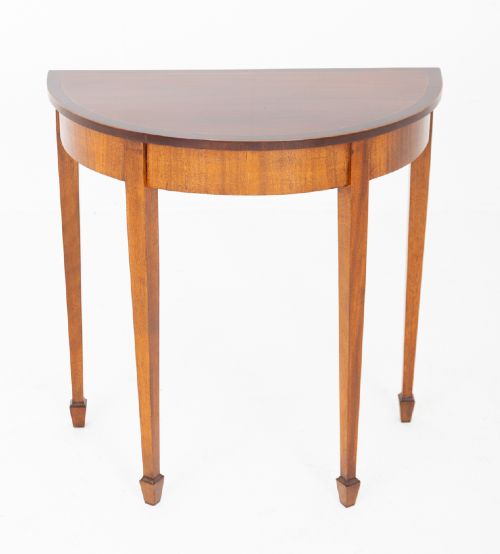
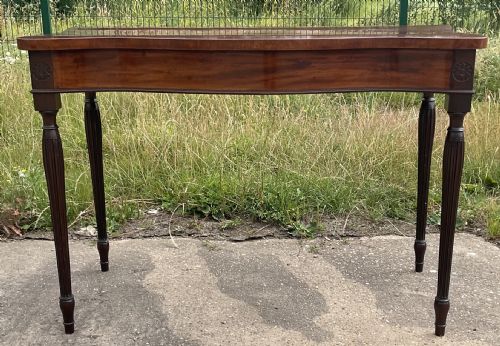
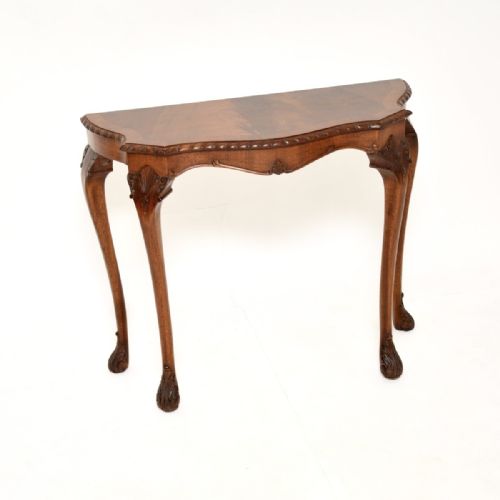
Cabinetmakers constructed the wooden frames of these tables using dense timbers such as mahogany, walnut, and rosewood, often shaping them into serpentine or demi-lune outlines. Hand-carved details and applied gesso enrich the surfaces of giltwood and painted pieces from French and English workshops.
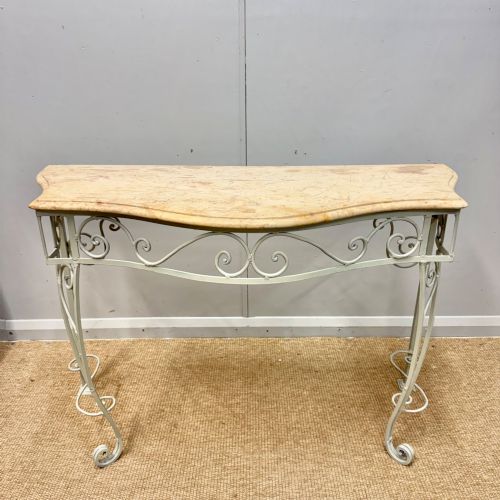
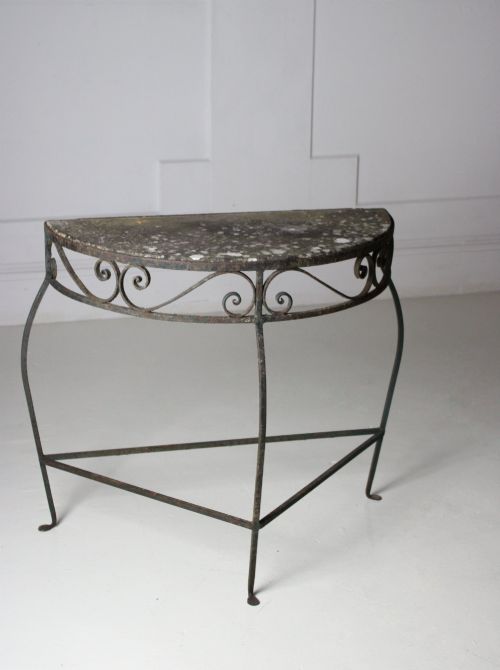
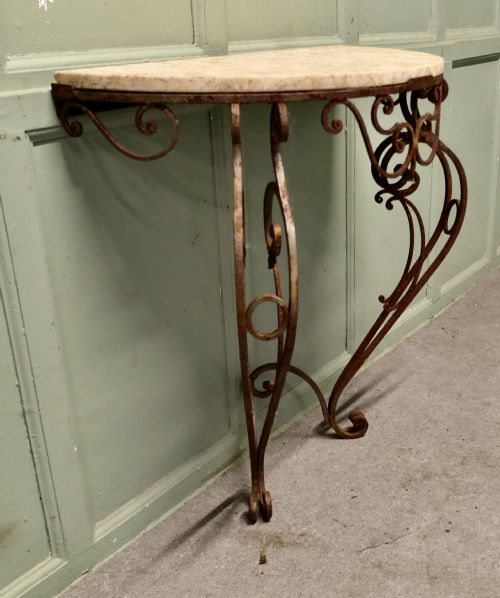
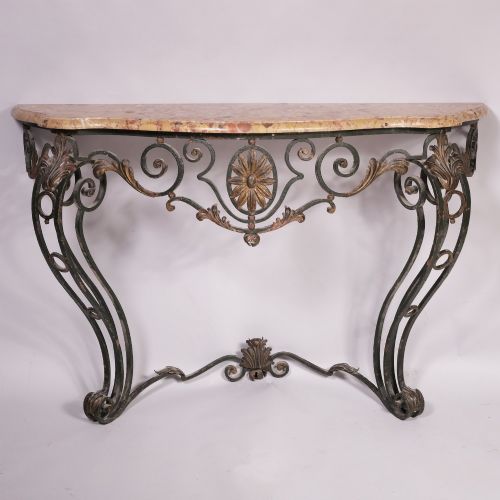
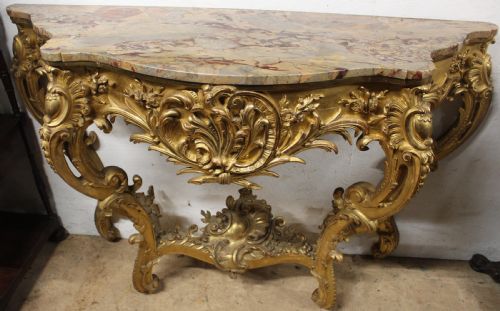
Heavy marble slabs form the tops of many examples, resting on timber or wrought iron bases. Wrought iron variants utilise forged metal scrolling, while giltwood pieces combine carved wooden armatures with applied gold leaf.
One solitary archive entry for a brass desk lamp hides amongst scores of marble-topped marble tables.
What varies in quality
The integration between the stone top and the supporting frame dictates the structural integrity of the piece. Tables with thick fossil or white marble slabs require substantial timber or forged iron frames capable of bearing significant weight without strain.
The sophistication of the carving and finish separates standard workshop production from finer examples. Hand-carved giltwood, detailed rosewood graining, and crisp serpentine lines demonstrate superior craftsmanship compared to plain painted or simpler utilitarian formats.
Epstein and Co·Gillows
The Vintage Pier Table Glossary
- Demi-lune
- A half-moon shape used for table tops and frames that sits flush against a wall. This format allows the table to occupy minimal floor space in a narrow hallway.
- Giltwood
- Timber coated with gold leaf over a prepared gesso ground. This finish appears frequently on decorative French console frames.
- Serpentine
- A curved line that undulates inwards and outwards across the front of a table. It requires skilled carpentry to shape timber or marble to this flowing profile.
- Console table
- A table designed to stand flat against a wall, historically secured with brackets or legs at the front. Many examples in this category double as pier tables.
- Gesso
- A plaster-like material applied to wood to create a smooth surface for gilding or painting. It holds crisp carved details before the application of gold leaf.
Vintage Pier Table: Frequently Asked Questions
Can I use a marble top table daily?
Stone surfaces provide a durable platform for everyday items like keys, lamps, or decorative bowls. Marble withstands regular use provided acidic liquids are wiped away promptly.
The wooden or iron frames beneath require standard furniture care to maintain their finish. Avoid placing damp items directly onto unsealed timber sections.
How do I identify a French style table?
French pieces often display characteristic details such as giltwood frames, carved rococo scrolls, or wrought iron scrolling. Painted antique white finishes and serpentine marble tops also point towards French provincial and chateau influences.
English equivalents generally rely on mahogany, walnut, or satinwood veneers with Georgian or Victorian proportions. Comparing the timber choice helps separate regional traditions.
What is the difference between a console and a pier table?
While the terms often overlap, a pier table traditionally stood against the pier wall between two windows, frequently paired with a matching wall mirror. Console tables serve a similar function against any flat wall space.
Both forms share a shallow footprint and rely on stable wall placement or front legs for support. Their historical uses in grand reception rooms shaped their decorative facades.