




Vintage Pewter Dish
When you search for a vintage pewter dish, you encounter metalwork ranging from seventeenth-century English chargers to twentieth-century continental tablewares.
Vintage Pewter Dish
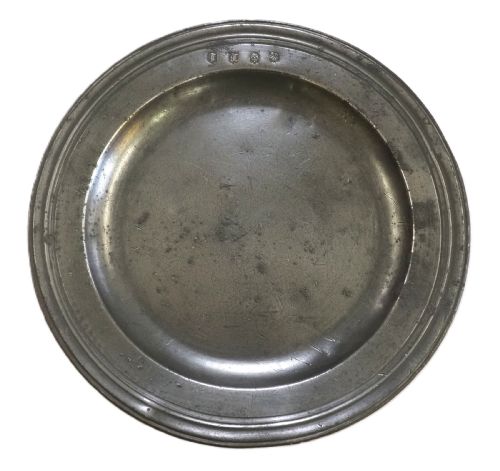
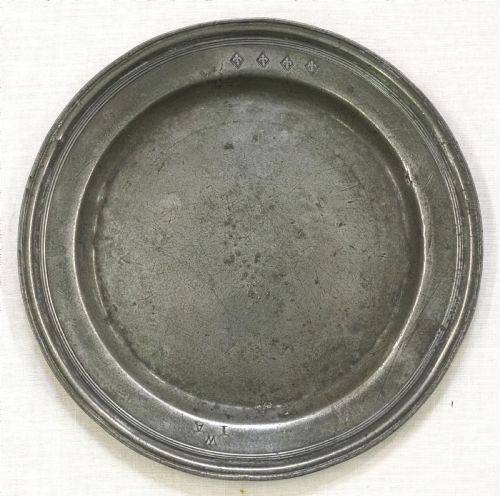
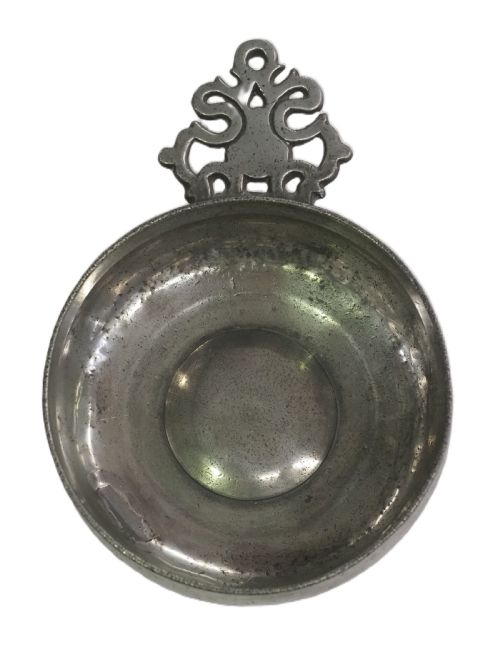
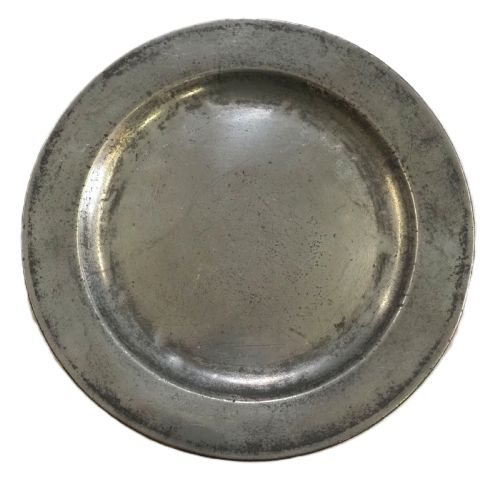
A vintage pewter dish encompasses utilitarian plates, chargers, and serving vessels produced across several centuries of metalworking. The selection includes plain rim and reeded plates alongside specialised vessels like porringers, bowls, and desk accessories.
Domestic items span seventeenth-century English pieces by named makers through to twentieth-century continental designs. Buyers frequently encounter nineteenth-century forms alongside decorative twentieth-century dishes associated with specific artistic movements.
Functional items range from large chargers intended for display to smaller plates and footed fruit baskets. Forms extend into decorative card trays, tazzas, and wall plates incorporating figural elements.
Materials and construction methods
Pewter forms the primary material, alongside alternative metal alloys such as Britannia metal and silver plate. Certain decorative twentieth-century examples combine gilded pewter with cameo glass inserts.
Construction techniques include traditional casting and hammering, evident in beaten surfaces and clover flower motifs. Makers employed reeded rims and applied relief decoration to shape both simple plates and complex centrepieces.
Several pieces double as small aquatic habitats, featuring swimming fish in relief alongside maidens and clover flowers.
Distinctions in quality
Quality depends upon the crispness of maker touchmarks, the weight of the metal, and the precision of reeded rims. Early seventeenth-century plates rely on the authority of touchmarks and the integrity of the original casting.
Later twentieth-century examples derive their distinction from artistic execution, particularly in sculptural figural card trays, hammered textures, and integrated cameo glass elements.
T & H Compton·John Tubb·Robert Moulins II·Humphrey Evans II·WMF·Liberty & Co.·Nehemiah Cloudesley·Orivit·Olof Ahlberg
The Vintage Pewter Dish Glossary
- Pewter
- A malleable metal alloy consisting primarily of tin, combined with copper, antimony, or lead. It serves as the principal material for plates, chargers, and decorative dishes across the centuries.
- Charger
- A large decorative or serving plate, often measuring twenty inches or more across. These substantial pieces frequently display triple reeded rims.
- Porringer
- A small, shallow handled vessel used for porridge or liquids, measured by fluid ounce capacity. Seventeenth-century examples appear in domestic listings.
- Britannia metal
- A specific tin-based alloy utilised for twentieth-century tazzas and tableware. It provides a bright surface suitable for manufacturing decorative metalwork.
- Touchmark
- An identifying stamp or maker's mark impressed into pewter by the craftsman or workshop. These marks assist in attributing pieces to makers such as John Tubb or Humphrey Evans II.
Vintage Pewter Dish: Frequently Asked Questions
How do I date an old pewter dish?
Dating relies upon stylistic markers such as reeded rims, touchmarks impressed by the maker, and the overall form of the vessel. Seventeenth-century examples often feature triple reeding, while later pieces adopt Arts and Crafts or Art Nouveau designs.
Maker details and regional working dates help narrow the period of origin. Comparing rim shapes and construction weights against documented historical pieces clarifies the age of the item.
What is the difference between a plate and a charger?
A charger is a substantially larger vessel, often measuring twenty inches or more in diameter. These large pieces were historically used for serving communal portions or displayed upright on walls and dressers.
Standard plates are smaller in scale and designed for individual dining use or smaller food service. Both forms utilise similar pewter alloys and rim variations depending on their era of production.
Were these dishes used for food?
Many historical pewter vessels served functional roles in domestic dining and food preparation. Plates, dishes, and chargers saw daily use in households before transitioning to decorative display items.
Specialised forms like porringers held liquids, while later twentieth-century dishes functioned as fruit baskets, card trays, and desk accessories rather than dining ware.
How should I clean antique pewter?
Antique pewter requires minimal intervention to preserve its historic surface appearance and natural dark patina. Aggressive polishing removes the aged skin that collectors value on older metalwork.
Dusting with a soft cloth and washing gently with mild soap and warm water is generally sufficient. Thorough drying prevents water spots on finished surfaces.