






Vintage Persia Area Rug
These hand-knotted vintage persia area rug examples bring traditional Persian craftsmanship into domestic spaces through enduring regional designs.
Vintage Persia Area Rug
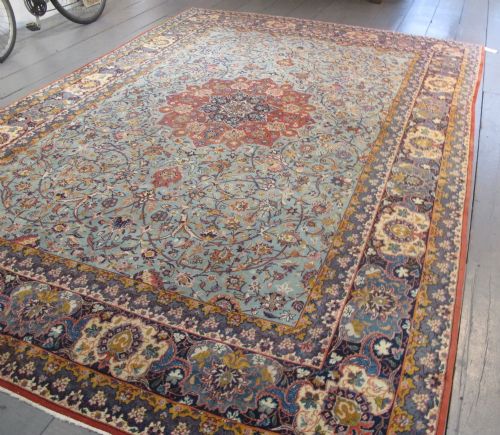
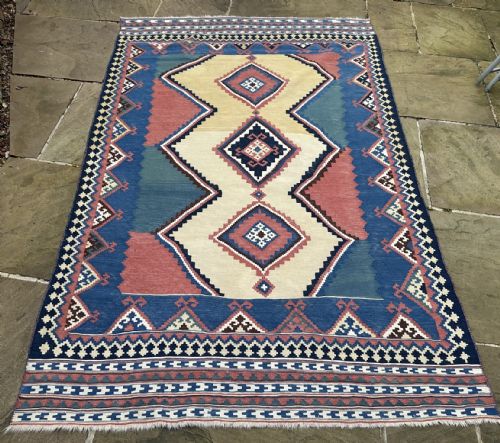
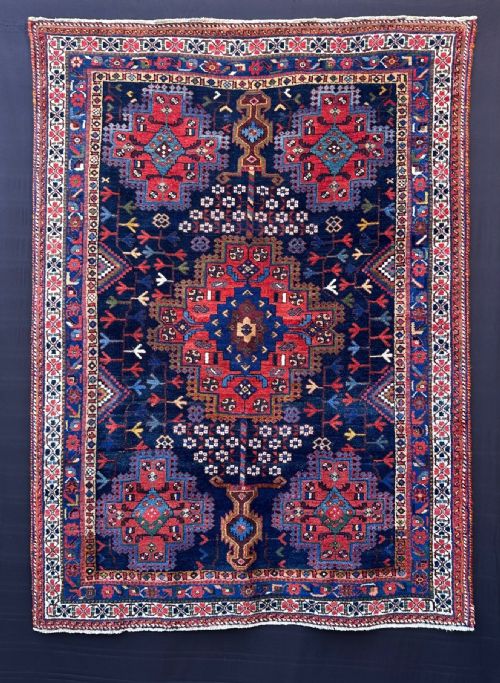
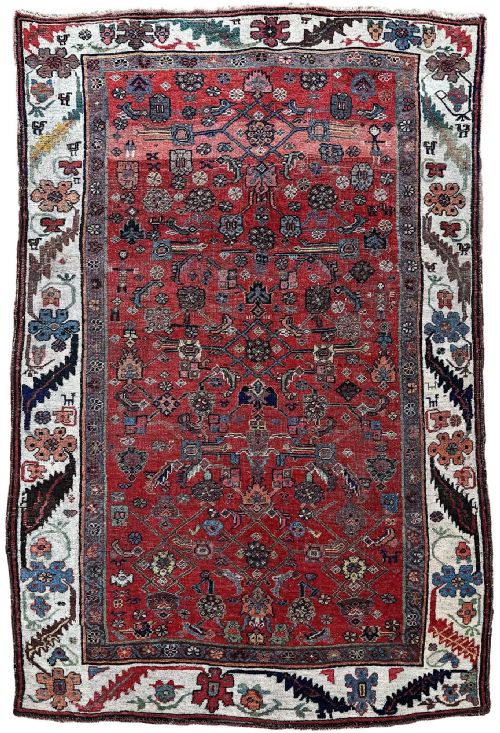
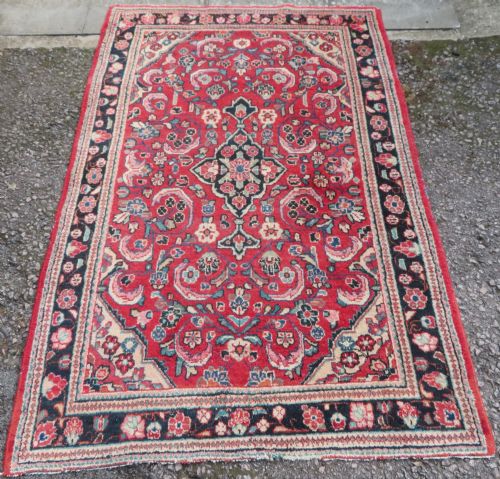
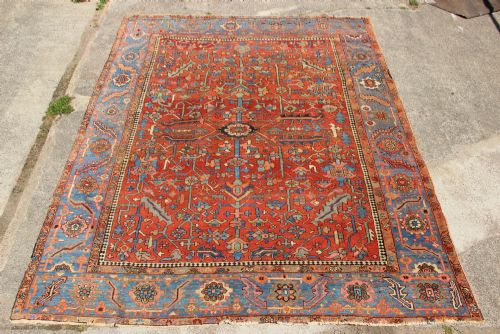
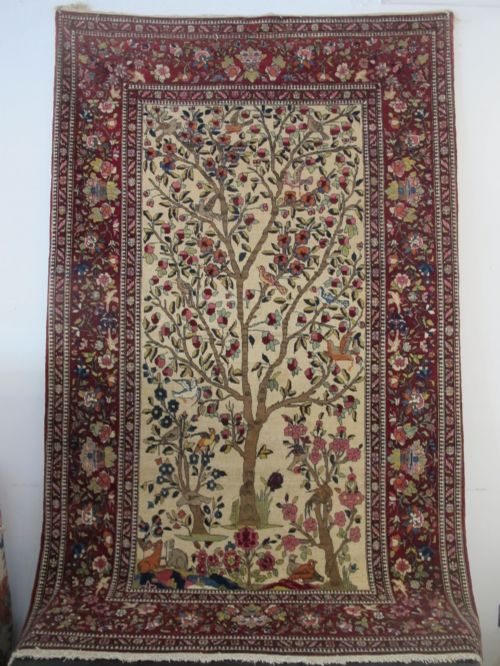
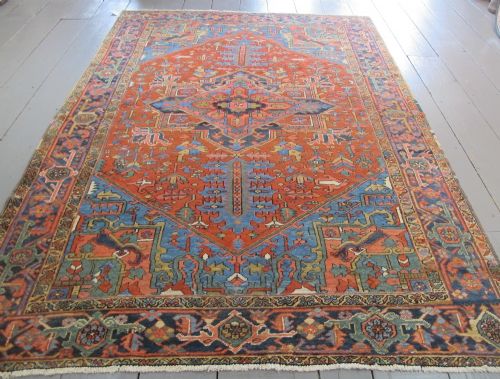
A vintage persia area rug represents centuries of weaving traditions originating from distinct villages, towns, and nomadic tribes across Persia. The pieces available span from the late nineteenth century through the mid-twentieth century, encompassing both large room-size carpets and smaller floor coverings.
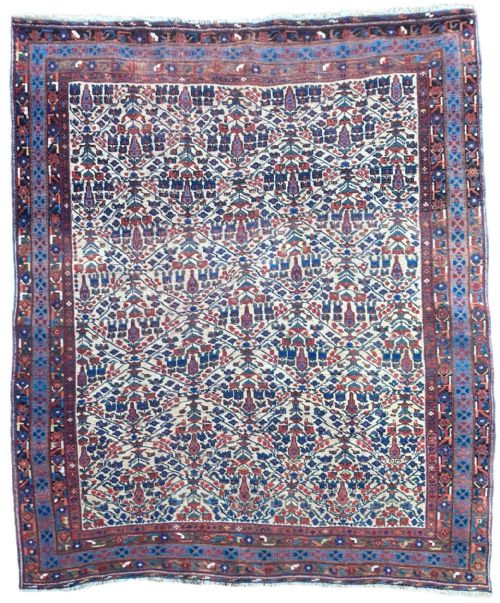
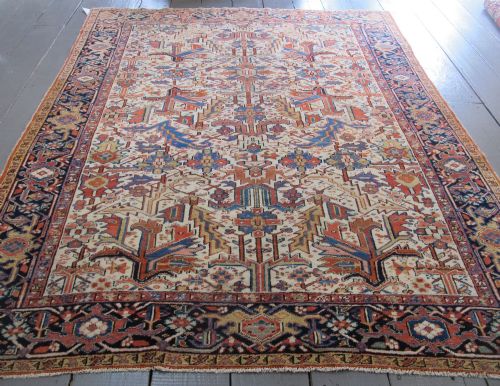
Buyers will encounter diverse regional styles including geometric tribal patterns from regions such as Afshar and Qashqai, alongside formal city carpets from centres like Tabriz, Isfahan, and Kashan. These textiles served various daily purposes, from household floor coverings to utilitarian bread sofreh cloths.
The materials utilised in these works reflect local availability and nomadic resourcefulness, predominantly featuring hand-spun wool foundations and piles, sometimes complemented by cotton and silk highlights.
How they were made
The construction of a vintage persia area rug relies on traditional hand-knotting techniques executed on vertical or horizontal looms. Weavers employed local wool, cotton for warp and weft foundations, and occasionally silk for finer detail work.
Natural dyes extracted from plants, insects, and minerals provided the foundational palette for these textiles before synthetic alternatives gradually entered production during the late nineteenth and early twentieth centuries.
Vintage Persia Area Rug Retail Price Guide 2026
Typical asking prices for vintage persia area rug among the pieces listed under this phrase on Sellingantiques today, from the lower quarter to the upper quarter. They describe what is for sale here now, not the wider market.
The selection includes pieces dated from 1870 through 1940, utilising wool, cotton, silk, and natural dyes across various Persian styles.
What varies in quality
Knot density and structural tightness fundamentally dictate the durability and refinement of each piece. Finer city workshops achieved higher knot counts that allowed for intricate curvilinear floral motifs, whereas tribal weavings prioritised sturdy wool and bold geometric expression.
The integrity of the natural dye palette and the consistency of the wool spinning directly influence the visual depth and ageing characteristics of the textile. Pieces retaining deep, saturated natural colours without excessive dye run represent higher standards of period craftsmanship.
Ahmadi·Benlian
The Vintage Persia Area Rug Glossary
- Warp
- The stationary vertical threads stretched across the loom that form the foundation of the rug. The exposed ends often terminate in visible fringes.
- Weft
- The horizontal threads passed through the warp threads after each row of knots to secure the pile in place. They contribute to the structural stability of the textile.
- Pile
- The vertical tufts of wool, cotton, or silk clipped to form the usable surface of the rug. Its height and density determine the tactile feel underfoot.
- Soumak
- A flat-weaving technique where coloured weft threads are wrapped around the warp threads in a herringbone pattern. This method creates a sturdy textile without a raised pile.
- Medallion
- A symmetrical ornamental design element positioned centrally within the field of the rug. It serves as the primary focal point for many Persian compositions.
Vintage Persia Area Rug: Frequently Asked Questions
How do I identify a tribal rug?
Tribal rugs typically feature geometric motifs, asymmetrical designs, and bold primary colours reflecting the nomadic heritage of the weavers. These patterns were passed down through generations without formal paper cartoons.
Village productions from regions such as Afshar, Bakhtiari, and Qashqai often display these spontaneous design choices alongside locally sourced wool and sturdy construction.
What is a village carpet?
Village carpets are woven by settled communities rather than nomadic tribes or urban workshops. They combine geometric tribal elements with structured floral layouts.
These pieces were produced in homes using regional materials and traditional dyeing methods, resulting in sturdy floor coverings suited for domestic use.
How should I clean my rug?
Gentle surface cleaning and regular low-suction vacuuming without the brush roll help maintain the wool pile. Professional conservation cleaning is recommended for older textiles to protect natural dyes.
Avoiding excessive moisture and direct sunlight preserves the structural integrity and colour saturation of antique floor coverings.
Are natural dyes easy to spot?
Natural dyes derived from plants and insects yield subtle tonal variations known asabrash, where the colour shifts naturally across the wool. These organic dyes age gracefully and develop a rich patina over decades.
Synthetic dyes introduced later can sometimes appear overly uniform or harsh, lacking the depth found in nineteenth and early twentieth-century examples.