
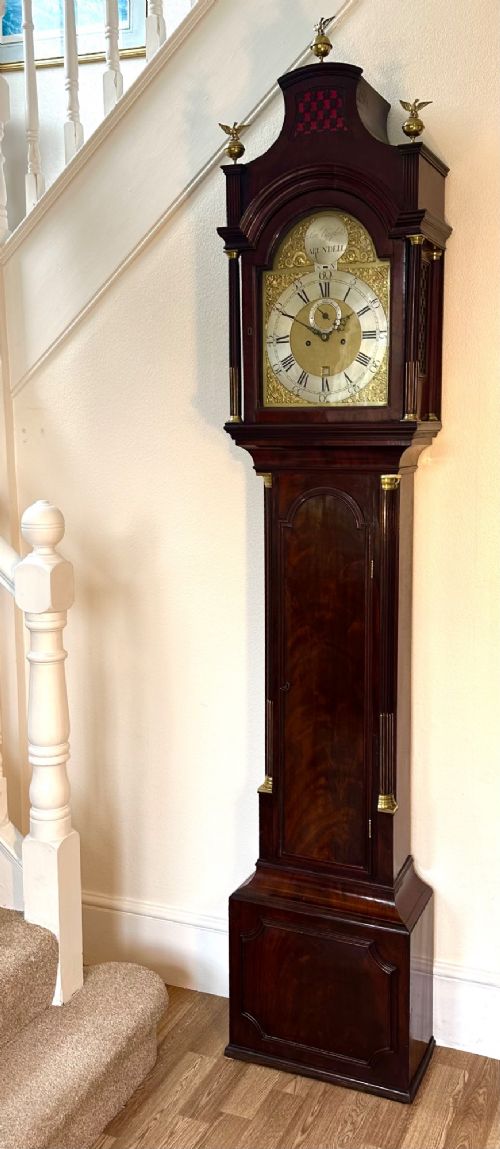
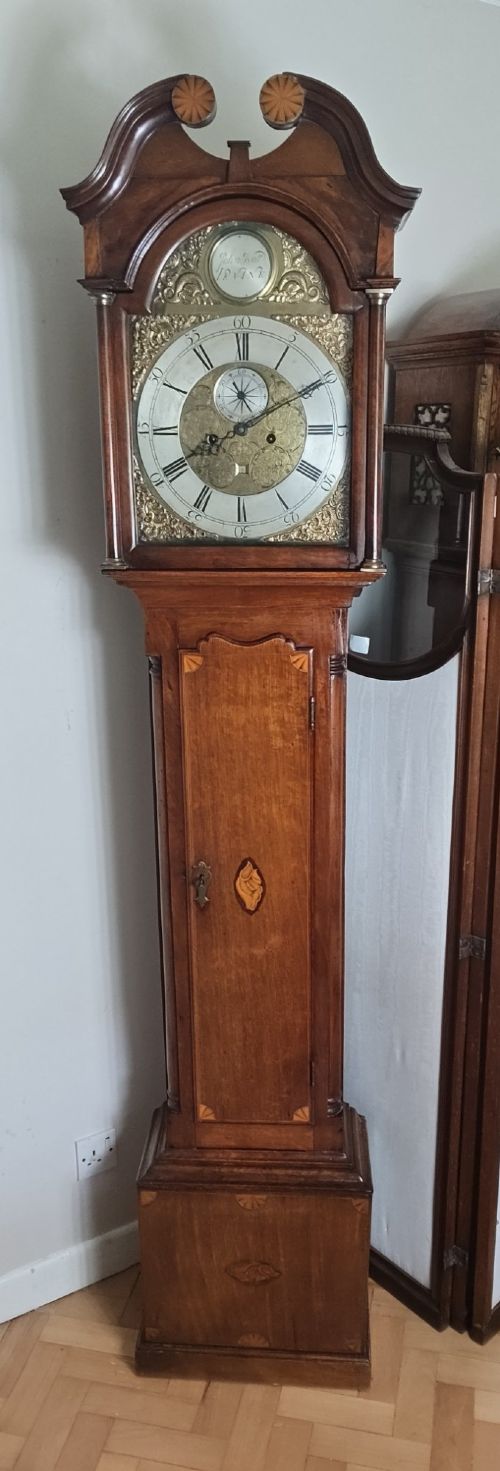
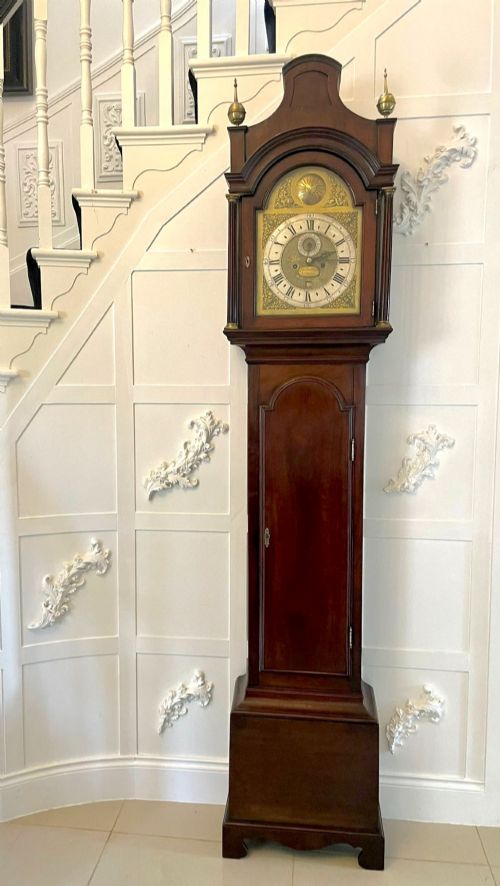
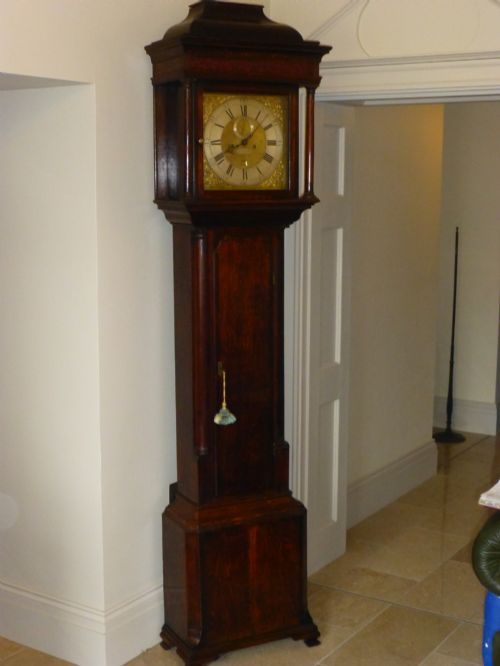
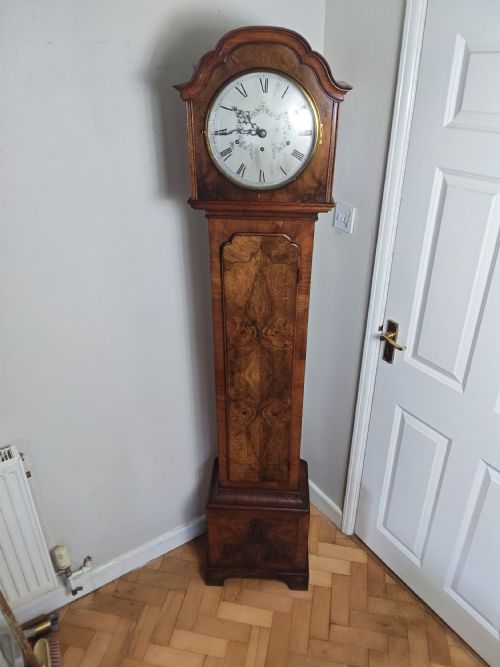
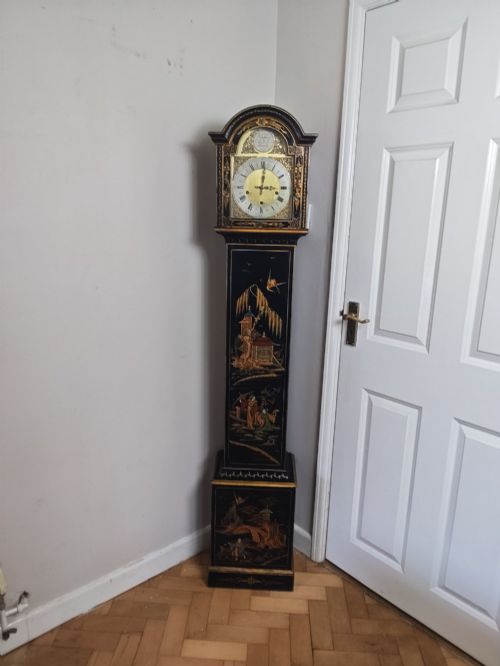
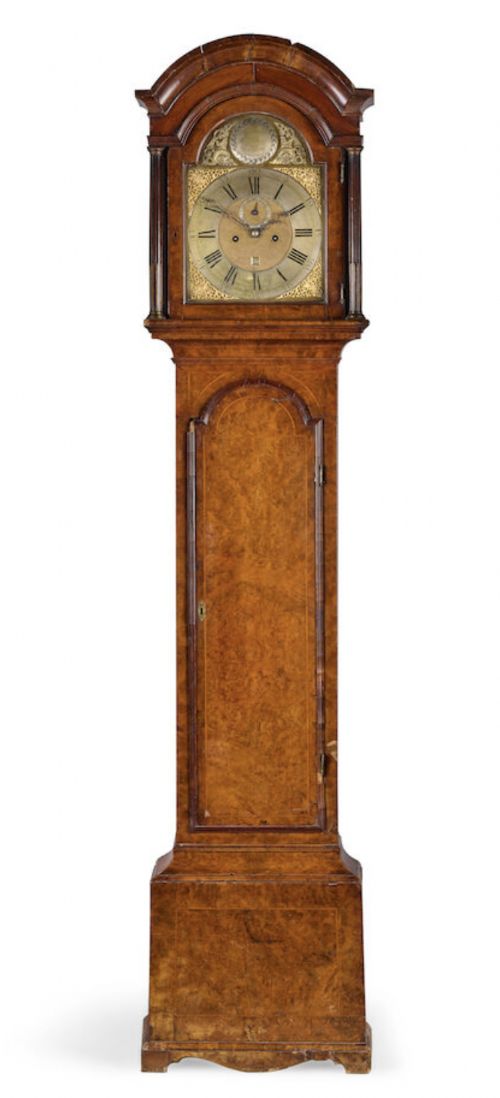
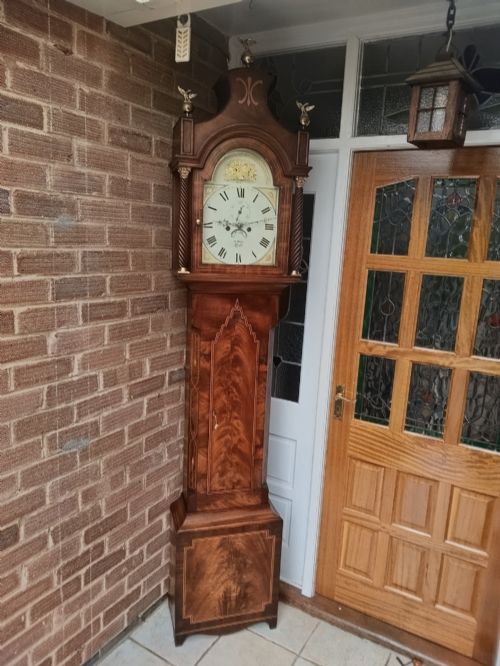
Vintage Pendulum Standing Clock
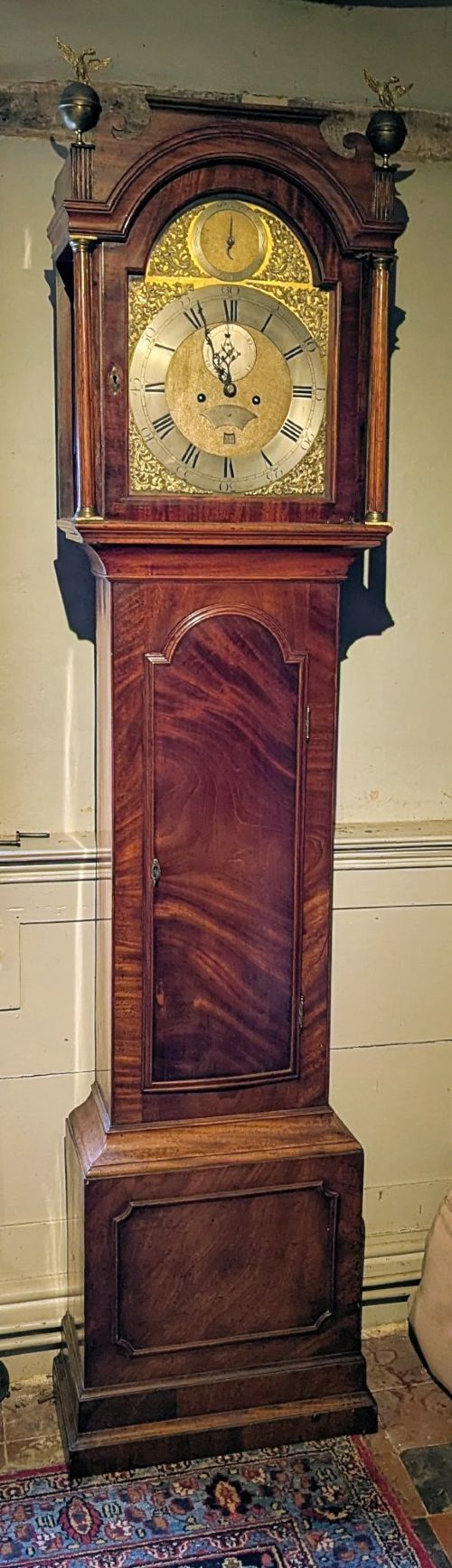
A vintage pendulum standing clock anchors a room with mechanical rhythm, offering the steady swing of a brass bob and the gravitas of a tall timber case.
Vintage Pendulum Standing Clock
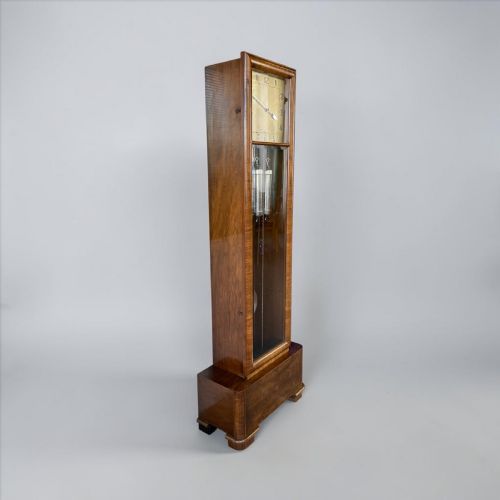
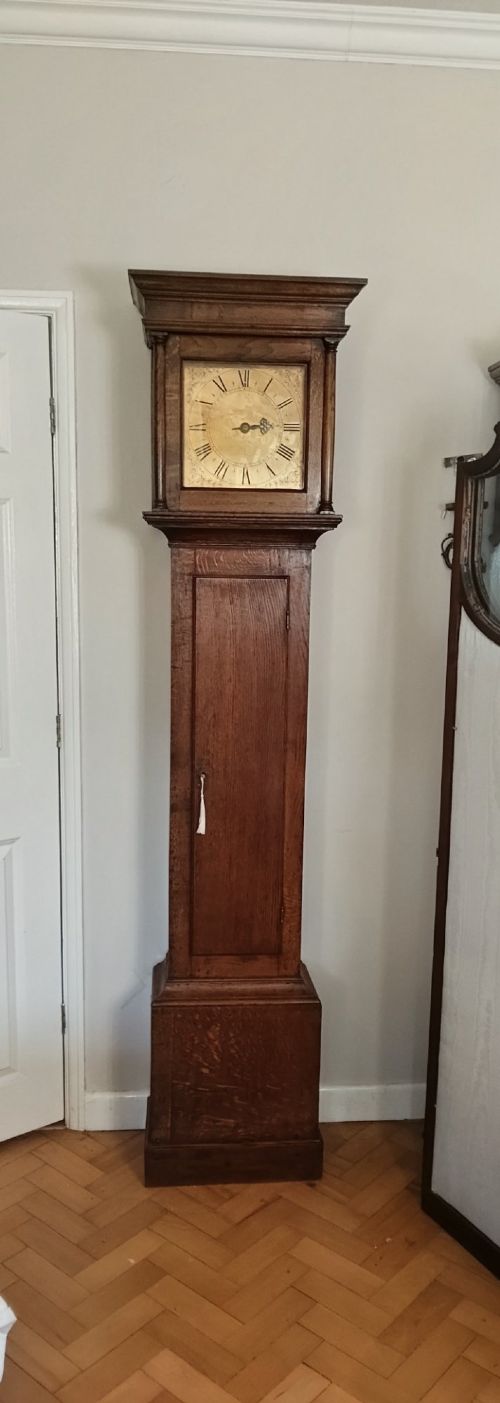
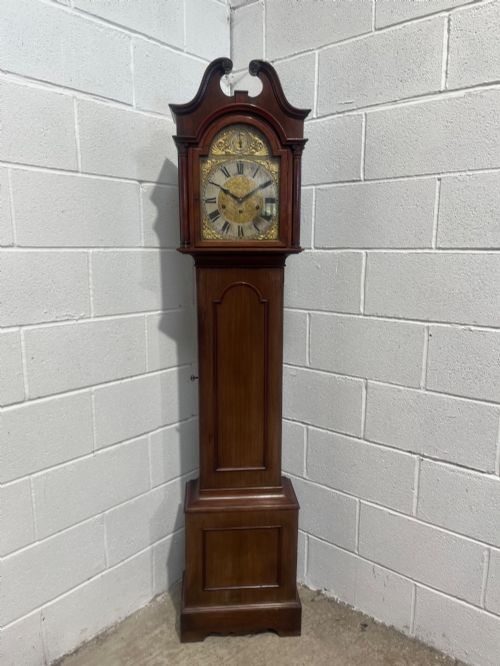
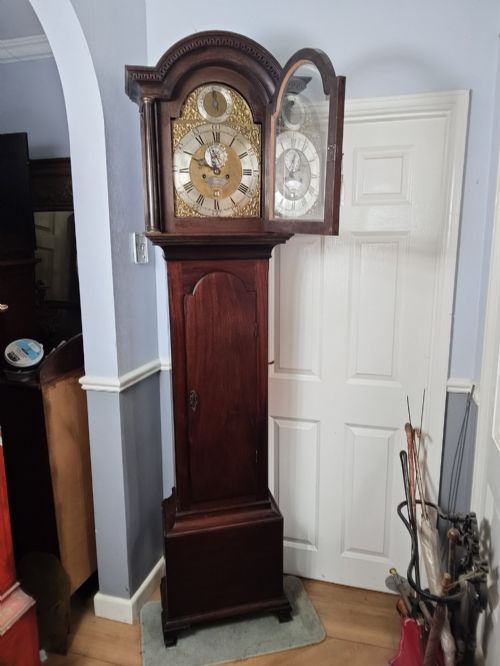
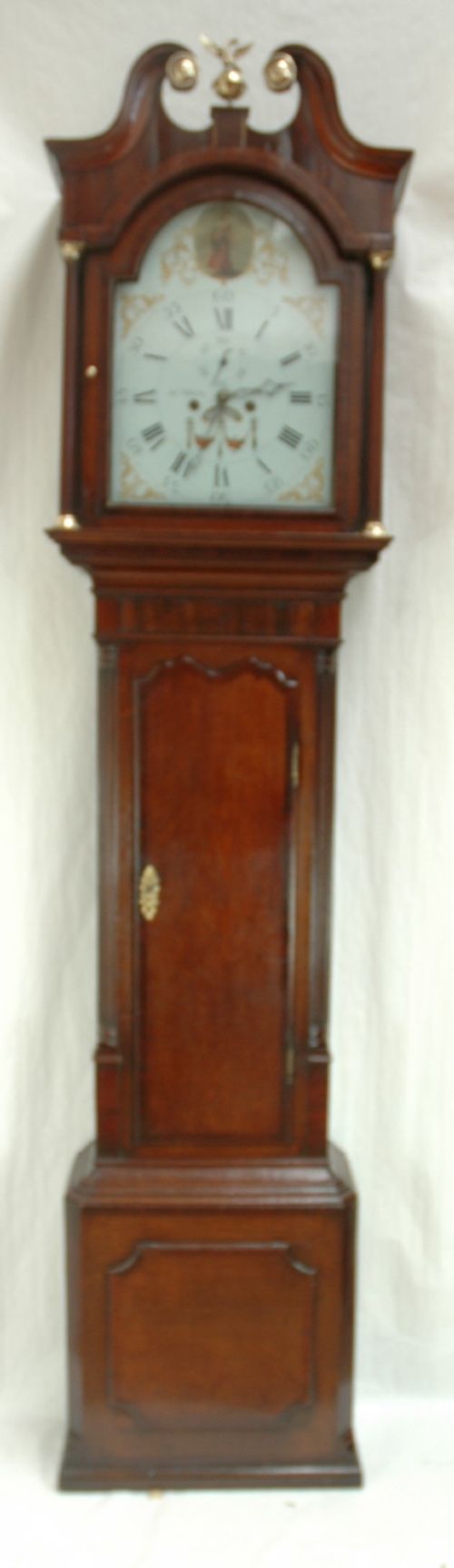
When buyers search for a vintage pendulum standing clock, they encounter tallcase timepieces commonly known as grandfather, grandmother, or granddaughter clocks. These vertical instruments span multiple centuries, originating in periods such as the 17th century, Georgian era, Victorian epoch, and 20th-century decades up to the 1930s.
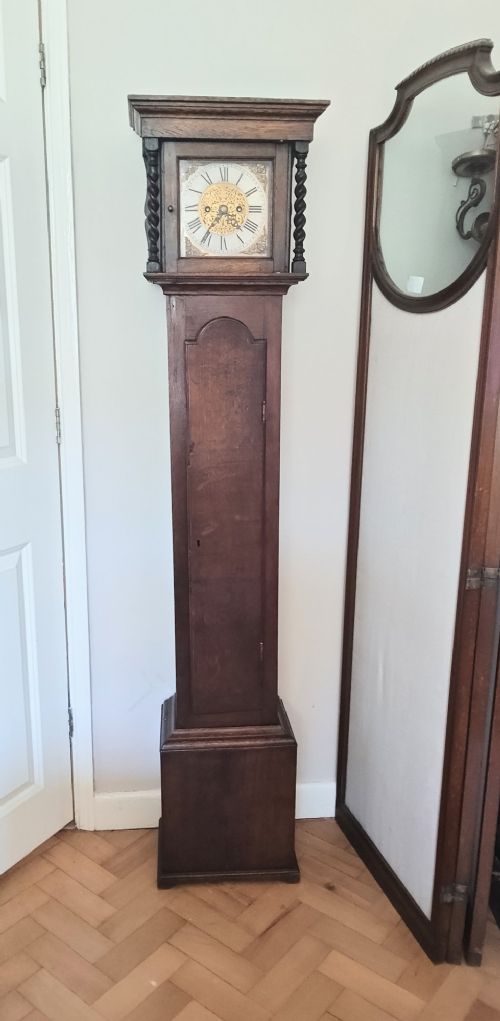
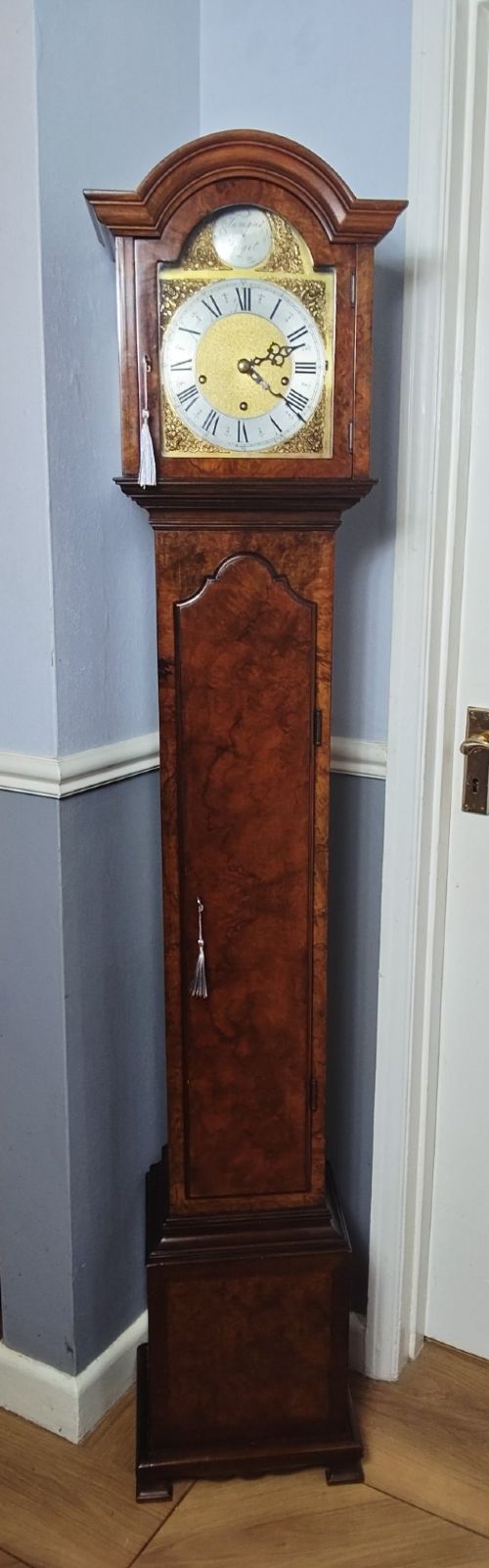
The assortment includes full-sized longcase clocks alongside smaller scaled grandmother and granddaughter variants designed for more compact modern interiors. Cases take various regional and stylistic forms, incorporating Scottish Georgian examples, Edwardian inlaid timber, and decorative Chinoiserie finishes.
Most pieces operate via weight-driven or spring movements housed inside protective wooden hoods above long trunks that display the swinging pendulum. Dials range from traditional brass and painted iron faces to phases of the moon and specialised regulator mechanisms.
Materials and Construction
Cabinetmakers constructed these tall cases using sturdy timbers including oak, walnut, burr walnut, flame mahogany, and maple, often applying decorative veneers and fine inlay work. These woods provided structural stability to house the delicate interior weights and pendulum systems.
Dial faces combined brass, glass, and painted iron, inscribed with chapter rings and maker details by skilled horologists. Steel and brass components formed the intricate gear trains, escapements, and striking mechanisms that drove the pendulum.
Listings feature woods like mahogany, burr walnut, and oak across periods spanning the seventeenth century to the nineteen-thirties.
Judging Quality and Craftsmanship
Quality reveals itself in the choice of timber figure, such as richly patterned burr walnut or matched flame mahogany veneers on the trunk door and base. Finer examples display crisp cabinet detailing, integrated stringing, and well-executed brass dial engraving.
Movement sophistication separates standard timepieces from superior examples, particularly those featuring quarter-chimes, musical cylinders, or precision regulator gear trains. The integration of signed dials by noted makers adds another layer of horological merit.
Charles Shuckburgh·Richard Corless·Windmills and Wightman·Edward Upjohn·Gillett and Johnston
The Vintage Pendulum Standing Clock Glossary
- Longcase clock
- A tall, weight-driven pendulum clock enclosed in a wooden case that stands directly on the floor. These pieces are frequently called grandfather clocks.
- Grandmother clock
- A smaller, scaled-down version of the traditional longcase clock produced mainly during the 20th century. It offers the pendulum movement in a reduced height suitable for lower ceilings.
- Regulator clock
- A precision pendulum clock designed to keep highly accurate time, often featuring a simplified dial layout for easy reading. They were utilised as reference clocks in workshops and substantial homes.
- Chinoiserie
- A decorative style employing European interpretations of Chinese artistic motifs, often rendered in lacquer on the exterior of clock cases. This aesthetic appears on pieces from the 1930s.
- Moon dial
- A specialised clock face mechanism that tracks the phases of the lunar cycle alongside standard time. These painted or brass indicators add visual complexity to the arch of the dial.
Vintage Pendulum Standing Clock: Frequently Asked Questions
How do I wind a longcase clock?
Winding requires raising the internal weights using a crank key inserted into winding holes on the dial face, or winding the spring barrels via the designated arbors.
Care must be taken not to over-wind the movement, stopping as soon as resistance is felt to protect the internal brass teeth and cords.
Where should I place a standing clock?
Position the piece against an interior load-bearing wall on a flat, stable floor surface to ensure the pendulum swings without interference. Avoid areas subject to direct sunlight, dampness, or extreme temperature fluctuations that affect wood and metal.
Correct placement prevents the case from leaning and keeps the beat of the pendulum even.
What is the difference between grandfather and grandmother clocks?
Grandfather clocks are full-sized longcase timepieces standing over six feet tall, whereas grandmother clocks are significantly shorter versions produced in the 20th century.
Granddaughter clocks represent an even smaller scale, typically measuring under five feet in height while retaining the pendulum mechanism.
How do I set the pendulum swinging?
Gently draw the pendulum bob to one side until it clicks or catches the escapement, then release it smoothly without pushing it too hard.
Listen for a steady, even tick-tock rhythm; if the beats sound uneven, the case feet may need minor adjustment to level the clock.