


Traditional Walnut Standing Clock
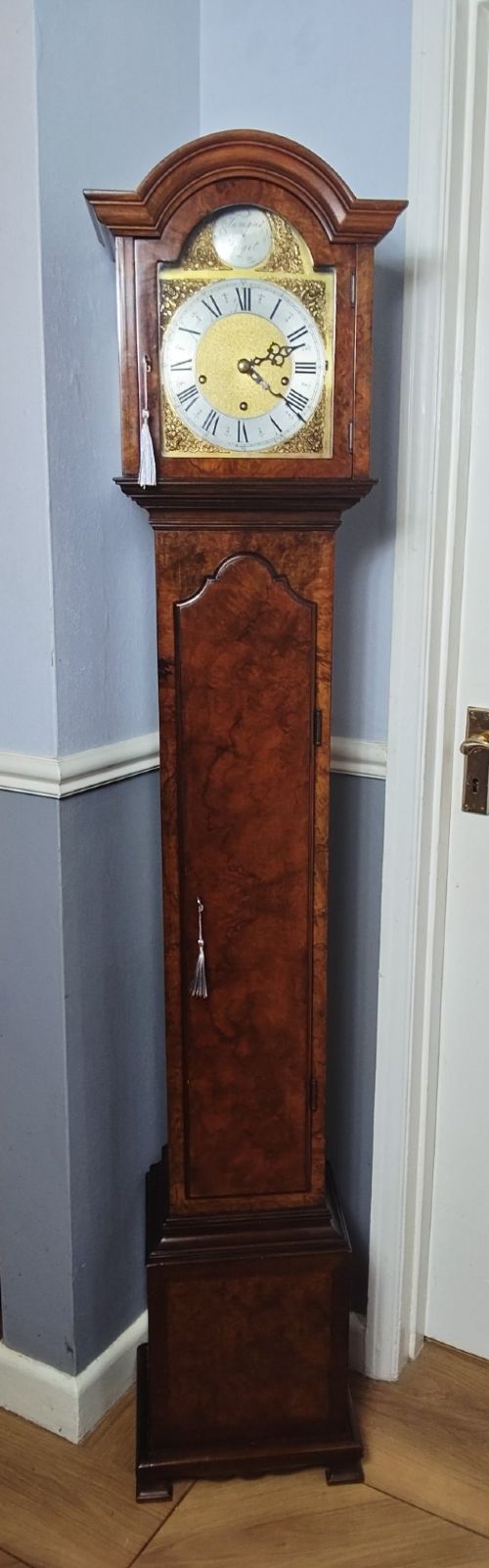
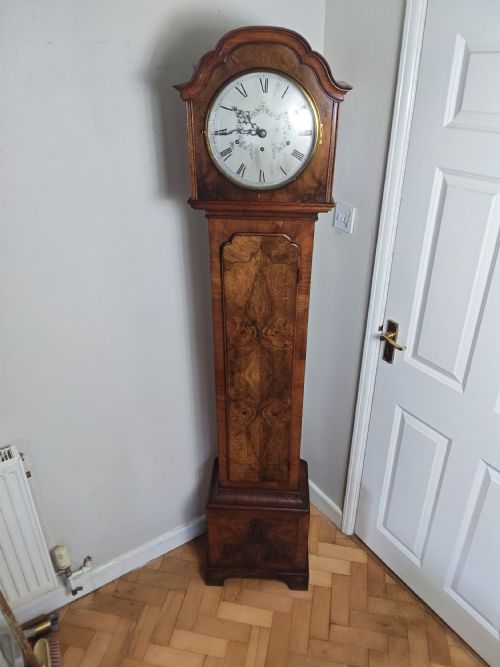
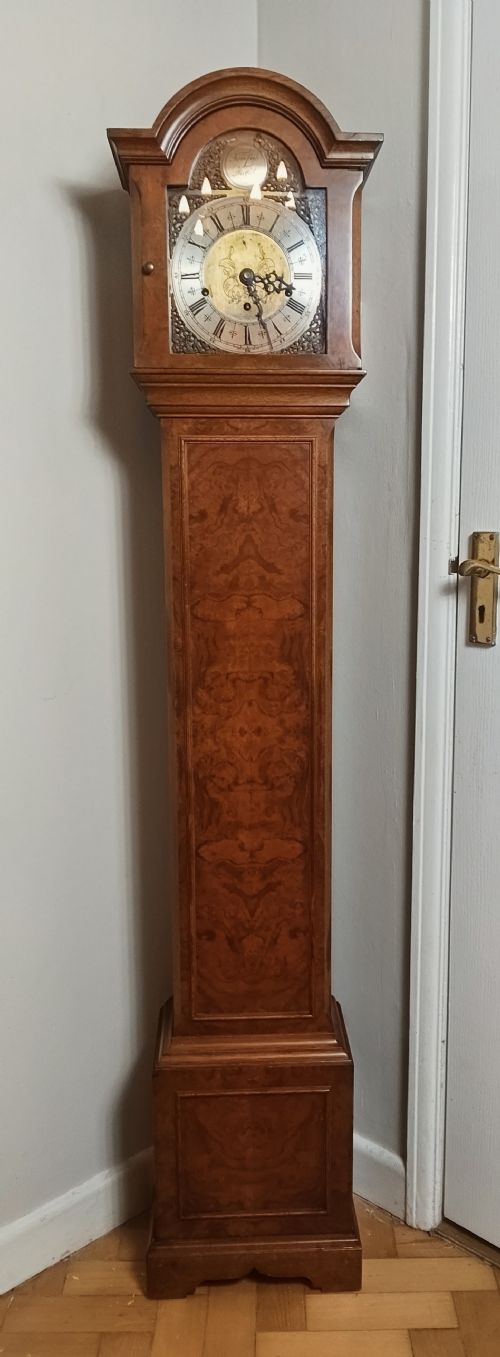
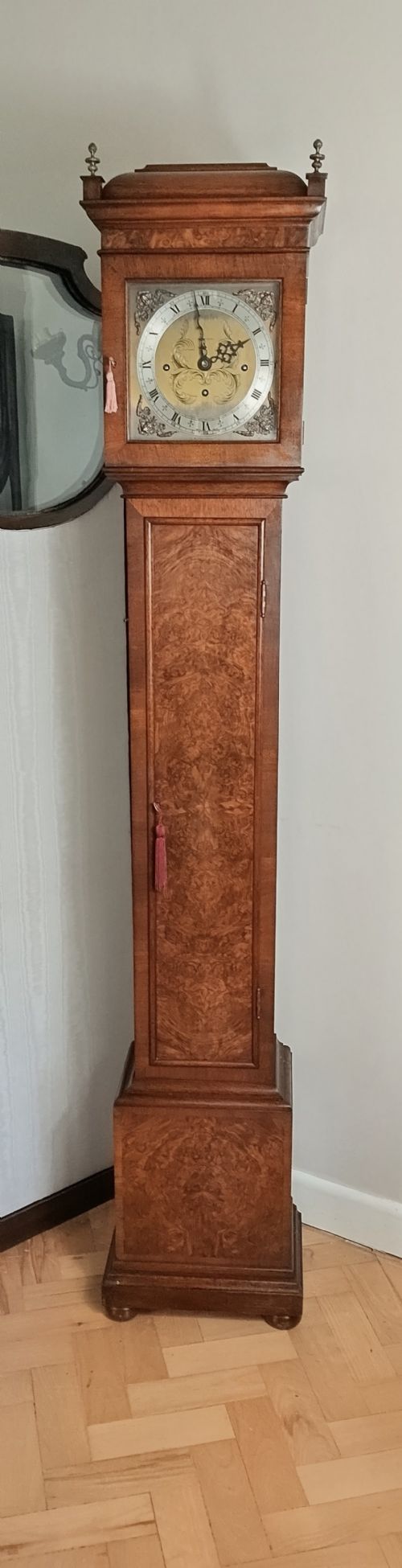
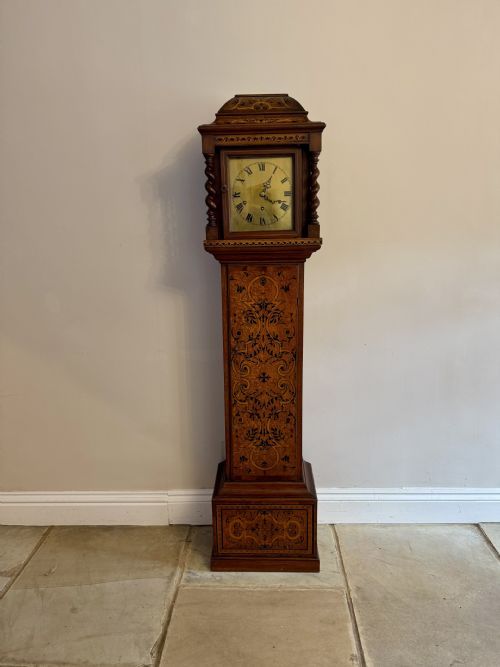
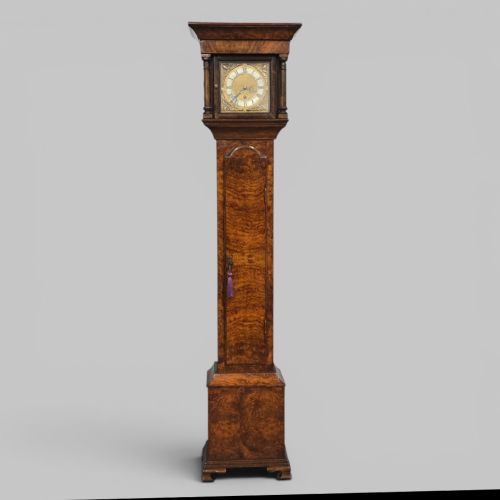
A traditional walnut standing clock stands tall in a hallway, bringing warmth of timber and the steady pulse of a mechanical movement into your home.
What varies in quality
The depth of figure in the walnut veneer and the crispness of the cabinet moulding set apart the finest standing clocks from standard examples. Superior pieces feature matched quarter veneers and subtle marquetry inlay that show a high degree of joinery skill.
Movement complexity also dictates the standing of a piece within its type, moving from simple time-keeping timepieces to intricate musical mechanisms with multiple weights and chimes. The integration of signed brass dials by notable makers adds further distinction to the clockwork.
Henry Massy·Samuel Young·Edward Stanton·Elliott
The Traditional Walnut Standing Clock Glossary
- Grandfather clock
- A large floor-standing pendulum clock enclosed in a tall wooden case, typically standing over six feet high. These tall pieces house weight-driven movements and long pendulums.
- Grandmother clock
- A smaller, more slender version of the traditional longcase clock, usually standing under six feet in height. They became popular during the twentieth century as space-saving alternatives.
- Burr walnut
- A specialised timber cut from the warted excrescences of walnut trees, prized for its swirling grain patterns. Cabinet makers utilised these decorative veneers on the front panels of high-status clock cases.
- Quarter chiming
- A movement capability that plays a melodic sequence of notes at every quarter-hour interval before striking the hour. These systems often employ multiple weights and bells or gongs.
- Marquetry
- The art of applying pieces of veneer to a structure to form decorative patterns and pictures. Craftsmen used contrasting woods such as satinwood and walnut to create floral or geometric motifs.
Some miniature models shrink the grand longcase form down to tabletop proportions, bringing towering presence to a shelf.
Traditional Walnut Standing Clock: Frequently Asked Questions
How do I wind a standing clock?
Winding involves using a key or pulling up the weights depending on whether the movement uses a spring or a suspended weight system.
Take care not to over-wind the mechanism, and follow the specific instructions for striking or chiming trains if the clock is fitted with them.
Where should I place a longcase clock?
Position your clock against a solid interior wall where it is protected from direct sunlight and sudden temperature changes. A stable floor surface prevents vibrations from interfering with the swing of the pendulum.
Ensure there is adequate clearance for the weights and pendulum to move freely inside the wooden case without obstruction.
How do I tell an old clock from a revival piece?
Examine the construction of the wooden case, the ageing of the brass movement, and the fixings used to hold the dial in place. Eighteenth-century examples display hand-cut brass work and oak secondary timbers.
Twentieth-century revival models often use standardised machine-made movement parts and modern adhesives while mimicking earlier styles like Queen Anne or Georgian.
What is the difference between a grandfather and a grandmother clock?
The primary distinction lies in overall height and proportions, with grandfather clocks rising well over six feet and grandmother clocks scaled down below that height. Grandmother clocks emerged largely during the twentieth century for smaller domestic spaces.
Despite their smaller stature, grandmother clocks frequently house complex musical or chiming movements similar to their larger counterparts.