
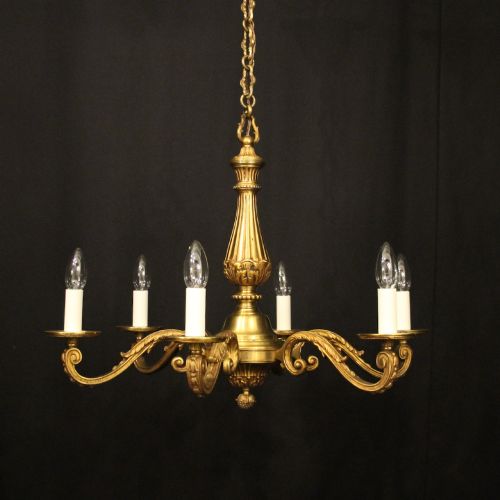
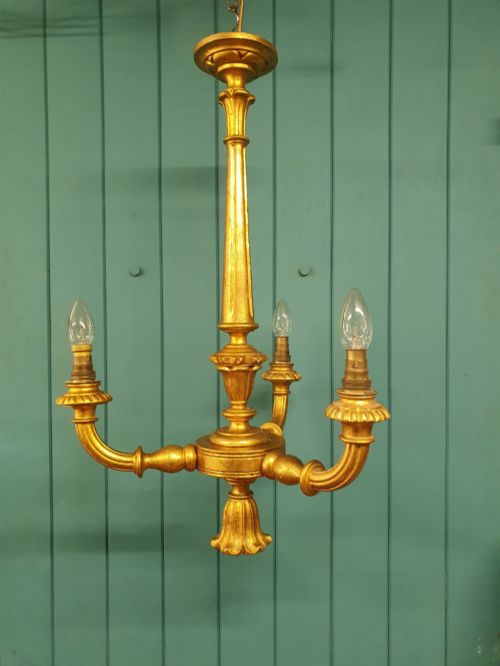
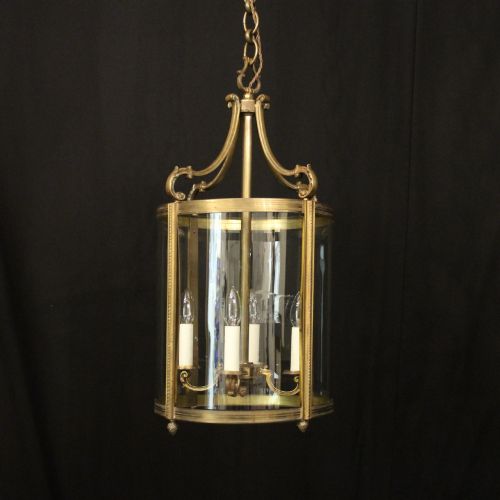
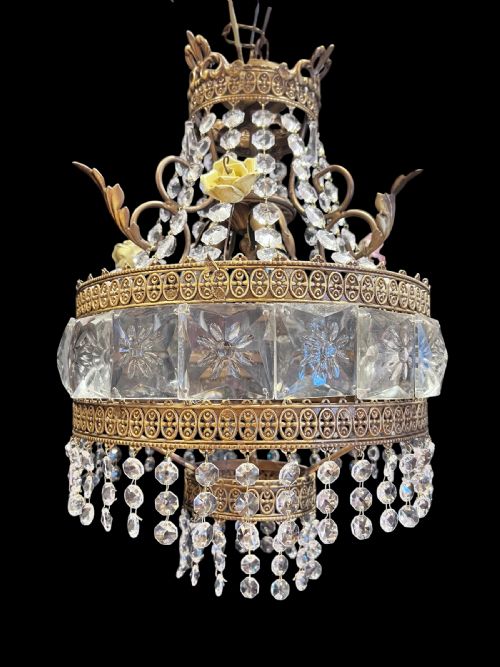


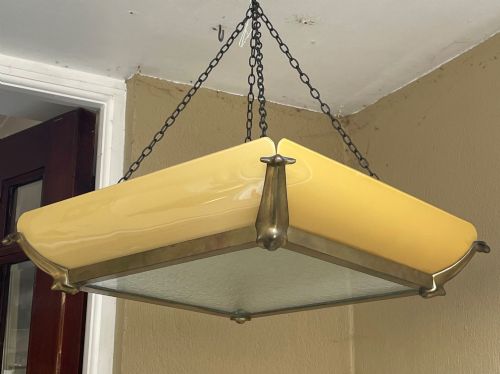
Vintage Pendant Lighting
Vintage pendant lighting brings character to a room through genuine period forms that modern reproductions cannot replicate.
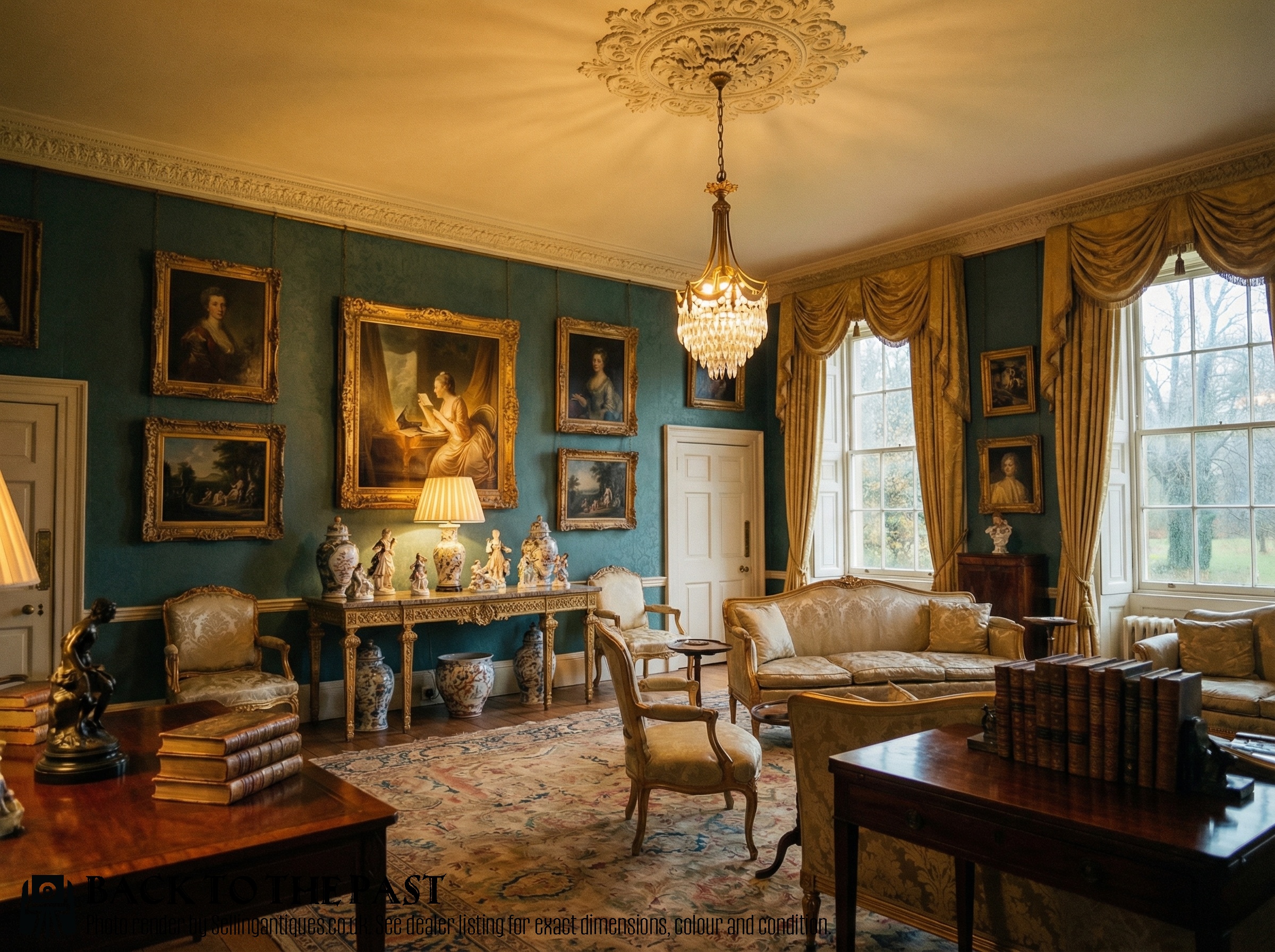
What these pieces are
Vintage pendant lighting encompasses hanging light fixtures sourced from the Edwardian era through the nineteen-thirties. These pieces provide illumination while serving as decorative focal points in domestic spaces.
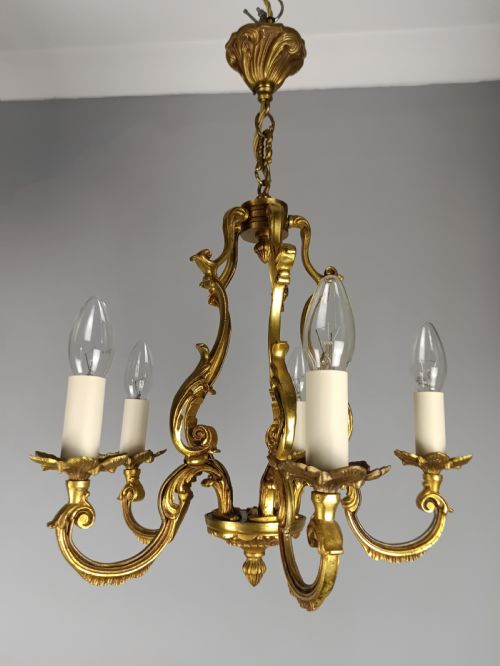
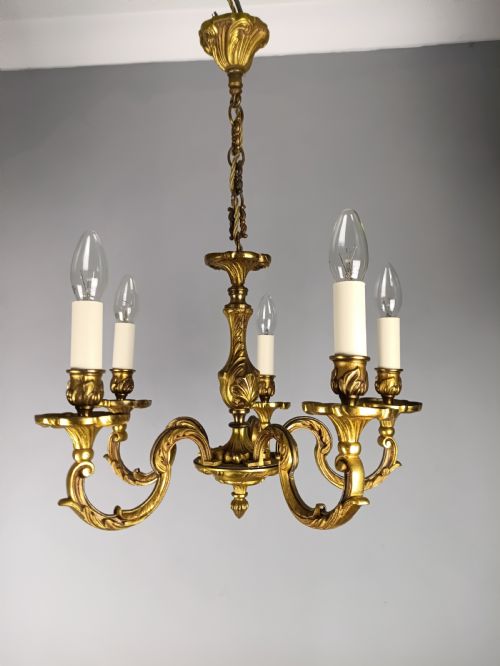
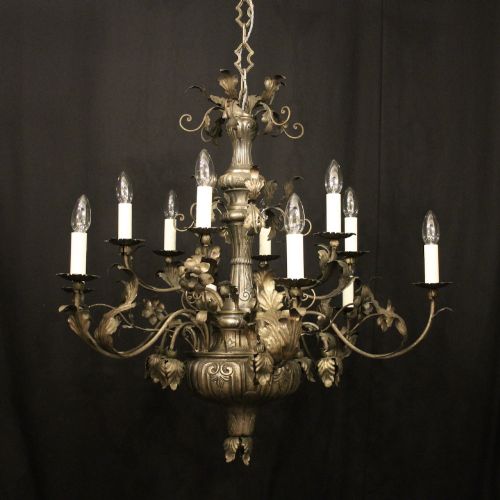
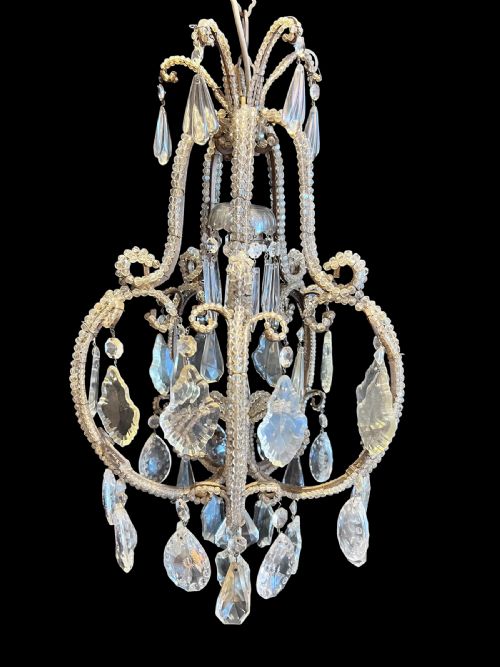
Origin and period define each fixture, ranging from Italian Rococo influenced pieces to restrained geometric Art Deco forms. Every item reflects the lighting technology and aesthetic preferences of its decade of manufacture.
How they were made
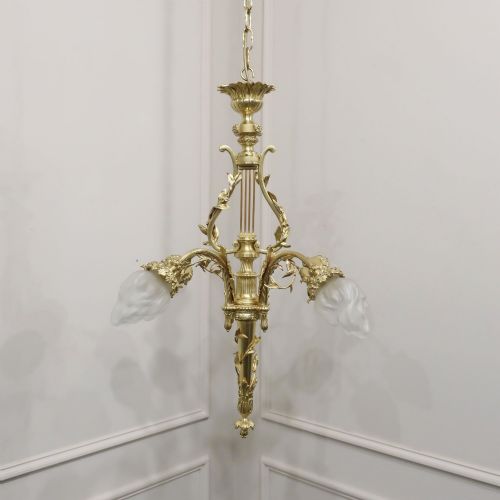
Maker construction relies on traditional metalworking techniques utilising brass, gilt brass, gilt metal, and bronze to form structural frames and mounts. These metals provide sturdy support for hanging glass components.
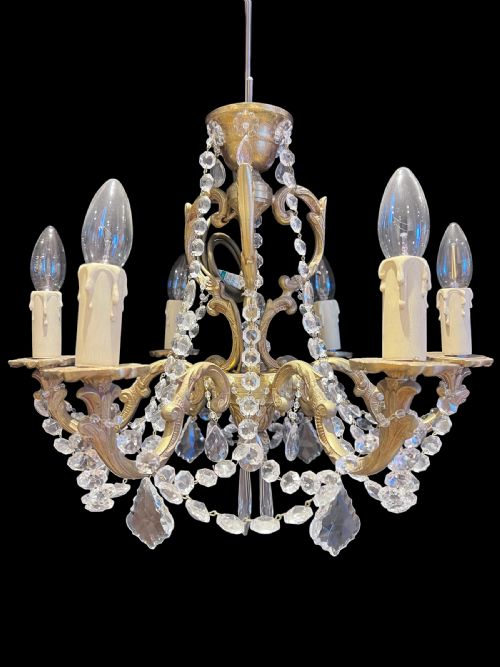
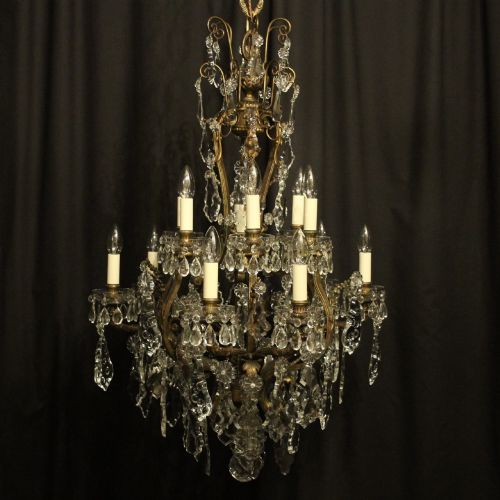
Glass elements include frosted glass, opaque panels, and cut glass drops shaped to diffuse or refract light. Artisans combined these materials with tiered spikes and lanterns to achieve specific decorative effects.
Retail Price Guide 2026
Typical UK retail prices for vintage pendant lighting, calculated from the Sellingantiques database of over a million retail prices indexed since 2003. This retail price guide relies exclusively on Sellingantiques data; no external sources or auction records are used, so the figures do not describe the wider market.
Listings span the Edwardian period through nineteen-thirty, incorporating brass, bronze, and cut glass.
What varies in quality
Quality rests upon the purity of the metalwork and the clarity or finish of the glass components. Finishes such as gilding display varying degrees of preservation and depth across different pieces.
The sophistication of the design, from simple opaque art deco shades to intricate multi-tiered cut glass configurations, distinguishes standard production from finer decorative work.
The Vintage Pendant Lighting Glossary
- Pendant light
- A hanging light fixture suspended from the ceiling by a chain, cord, or rod. These fixtures distribute light downward into a space.
- Frosted glass
- Glass treated to create a translucent surface that diffuses light evenly and softens glare. This technique appears frequently in early twentieth-century lighting.
- Cut glass
- Glass decorated by cutting facets or patterns into the surface to enhance brilliance and light refraction. It is utilised on drops and shades for decorative effect.
- Gilt metal
- Metal coated with a thin layer of gold leaf or gilt finish to simulate solid gold. It provides a decorative sheen to frames and mounts.
- Chandelier
- A branched hanging light fixture designed to hold multiple light sources. Period examples often incorporate glass drops or tiered configurations.
Frequently Asked Questions
How do I hang a pendant light?
Hanging requires securing the fixture to a ceiling joist or suitable electrical box using appropriate hardware. Weight distribution matters particularly with bronze and glass assemblies.
Professional installation ensures the wiring meets safety standards while supporting the physical load of brass and bronze frames.
What rooms suit these fixtures?
Pendant lights and small chandeliers fit hallways, dining spaces, and bedrooms where focused or ambient hanging light works best. Scale determines placement relative to room dimensions.
Ceiling height dictates the drop length required for safe clearance and balanced visual proportion in the space.
How do I clean frosted glass?
Cleaning involves removing the glass component if possible and washing it gently with warm soapy water. A soft cloth prevents scratching the delicate surface.
Harsh chemical cleaners risk damaging vintage finishes on both the glass and the surrounding brass or gilt metal mount.
How do I date a chandelier?
Dating relies on stylistic markers such as geometric Art Deco lines or ornate Italian Rococo detailing. Materials like bronze and frosted glass also point to specific manufacturing decades.
Construction methods and wiring channels offer further physical clues to the period of origin.