
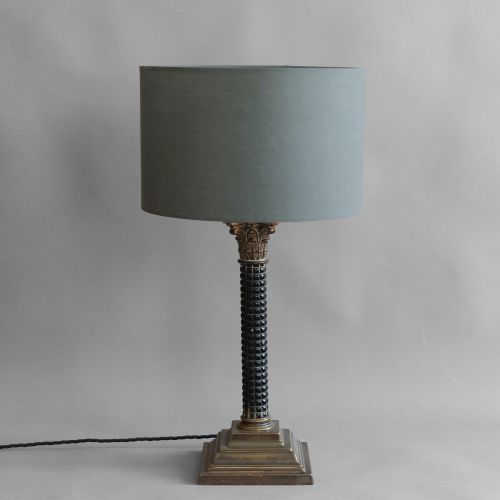
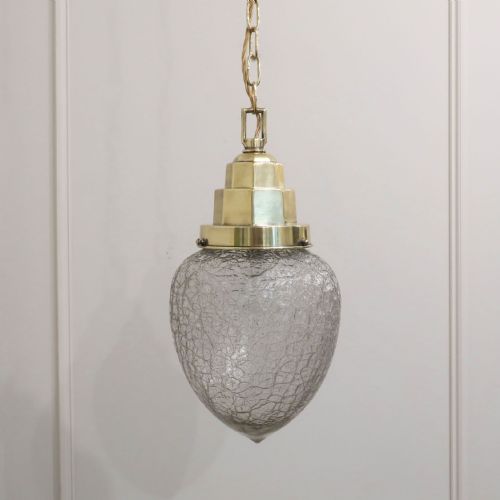


Stepped Glass Light
These stepped glass light examples bring genuine period character to a room, combining architectural form with functional illumination.
Stepped Glass Light
A stepped glass light encompasses a variety of hanging, wall-mounted, and table-standing fixtures that utilise layered or tiered glass shades. These pieces predominantly emerge from the Art Deco period of the 1920s and 1930s, alongside earlier Victorian examples.
Buyers searching for a stepped glass light will encounter pendant lights, ceiling lights, and wall scones featuring geometric or classical silhouettes. The selection ranges from chrome-mounted Odeon styles to brass fixtures with frosted or crackle glass.
Most examples originate from the early twentieth century, showing the characteristic architectural progression of glass panels stepping upward toward a ceiling or wall fixture. Table lamps and desk lamps also appear, often pairing moulded glass with metal bases.
How they were made
Makers combined heavy moulded, frosted, or crackle glass with structural metals like chrome, brass, and wrought iron to build these fixtures. Glass shades were formed in tiered or stepped moulds to catch and diffuse the light.
Metal components were cast or plated, utilising brass, silver plating, and chrome to mount the glass elements securely. Individual pieces often incorporate secondary materials such as bakelite, green marble, or reeded columns.
Listings feature glass, chrome, brass, and wrought iron across Art Deco and Victorian periods.
What varies in quality
The distinction between tiers rests upon the weight and clarity of the glass, alongside the finish of the underlying metal components. Heavier moulded glass and solid brass or chrome mounts represent the more substantial end of the range.
Design complexity also separates standard utility pieces from architectural statement lights, such as large dining carriage lamps or matching pairs of skyscraper wall sconces. The integration of specialised glass treatments, like pink tinting or opaline finishes, marks out finer examples.
The Stepped Glass Light Glossary
- Odeon style
- A design aesthetic characterised by stepped tiers of glass reminiscent of grand cinema architecture from the 1930s. This form creates a cascading effect when illuminated.
- Crackle glass
- Glass deliberately fractured during the cooling process and then reheated to fuse the inner layers while retaining a web-like surface texture. This diffuses light in a distinctive pattern.
- Opaline glass
- A milky, semi-translucent glass developed to soften and scatter light evenly without heavy glare. It appears in various pendants and shades from the early twentieth century.
Stepped Glass Light: Frequently Asked Questions
How do I date a stepped glass light?
Dating relies heavily on the stylistic markers of the metalwork and glass construction, such as the geometric tiers typical of 1930s Art Deco design.
Earlier Victorian pieces often incorporate classical motifs like reeded columns or Corinthian capitals, separating them from later twentieth-century production.
Can these lights be wired for modern use?
Most antique and vintage fixtures require professional rewiring to meet current electrical standards and safety regulations before installation in a home.
A qualified electrician can typically adapt the internal fittings while preserving the original metal and glass components.
Where do wall sconces work best?
Wall sconces suit hallways, living rooms, and dining spaces where ambient, indirect illumination enhances the room's atmosphere.
Pairs of stepped glass fixtures function effectively when mounted on either side of a mirror or architectural feature.
What is the difference between pendant and ceiling lights?
Pendant lights hang suspended from the ceiling by a cord, chain, or rod, positioning the source lower in the room.
Ceiling lights mount directly against the surface, making them suitable for rooms with lower ceiling heights.