
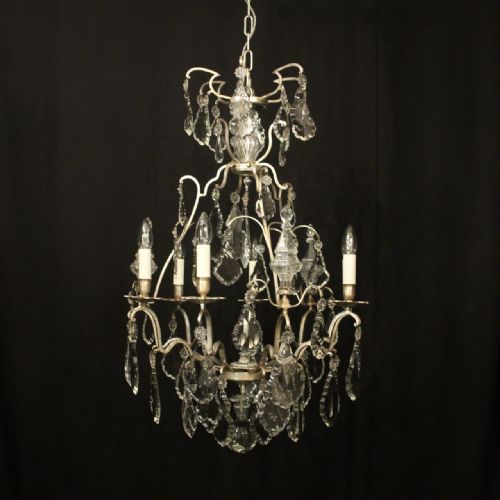


Silver Pendant Light
A silver pendant light suspends from above to bring focused illumination and historical character to a room.
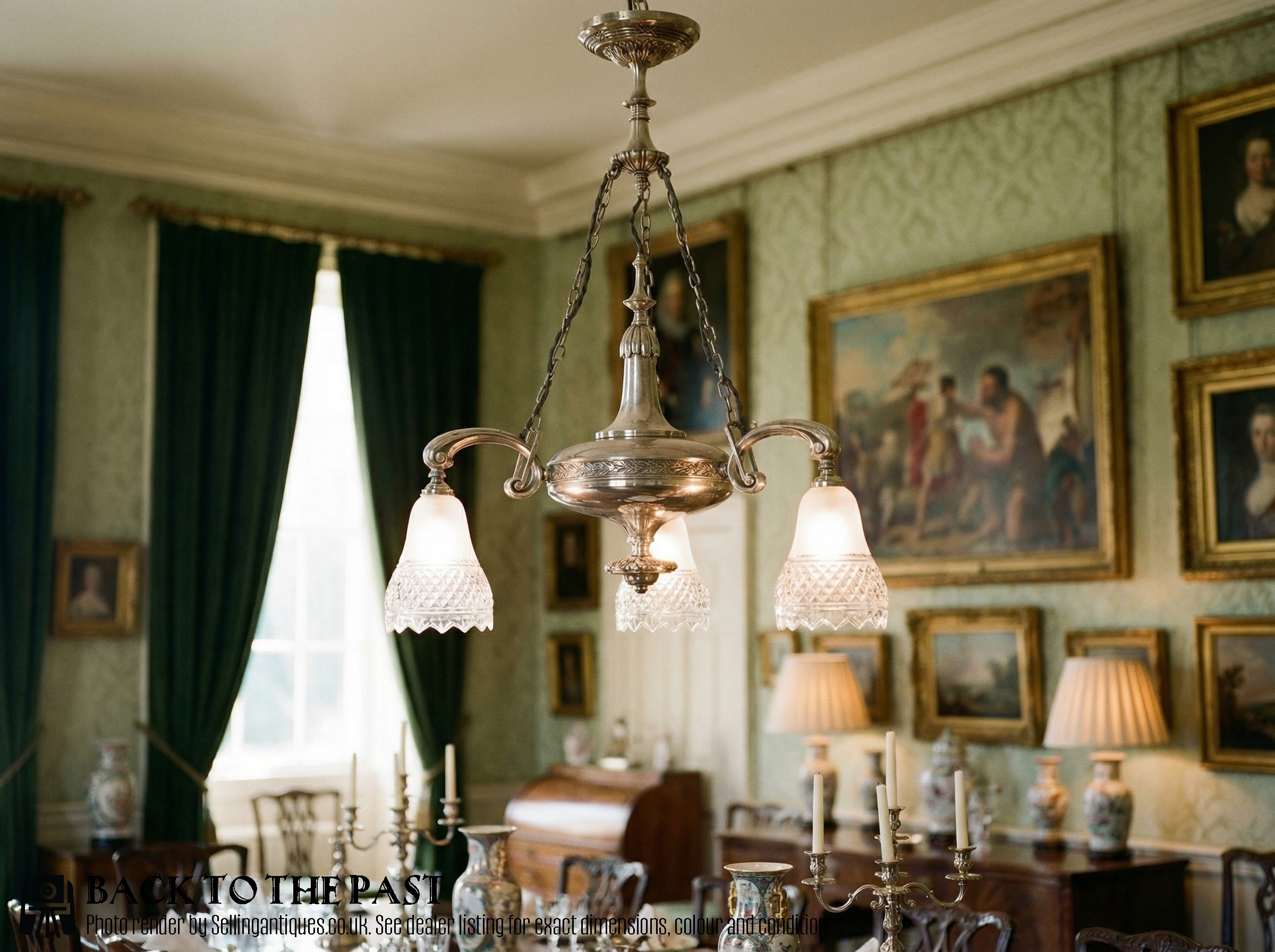
How they were made
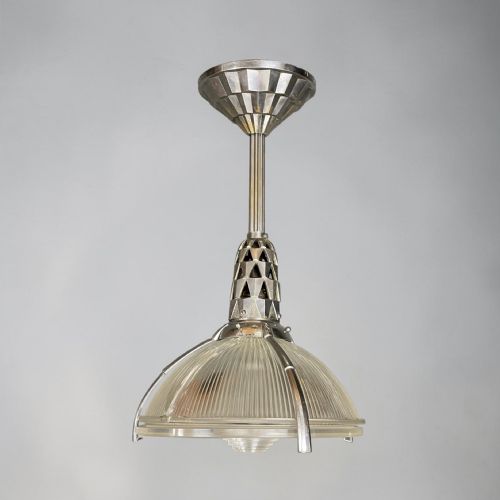
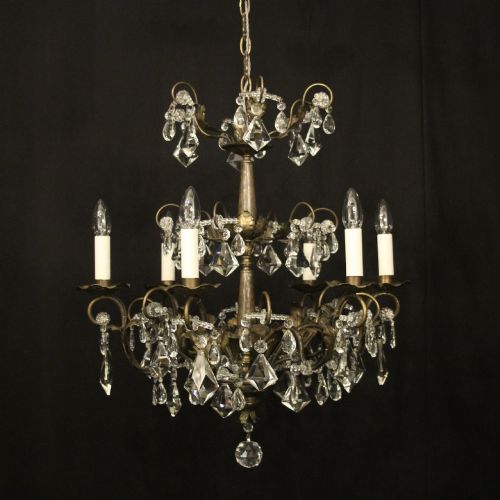
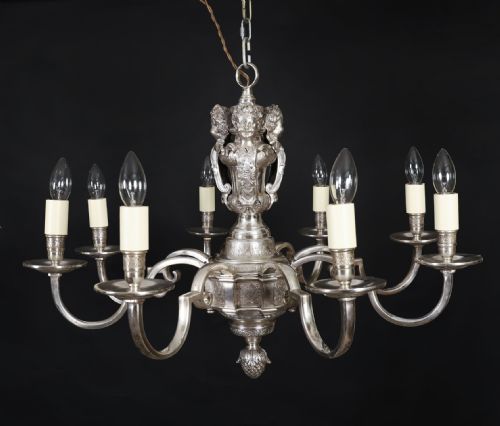
Makers constructed these hanging fixtures using structural metals such as brass, steel, and bronze, often applying silver plating or silver gilding to the surface for reflective brilliance. Structural metalwork combined with hand-blown glass, cut glass, and crystal components to diffuse the light effectively.
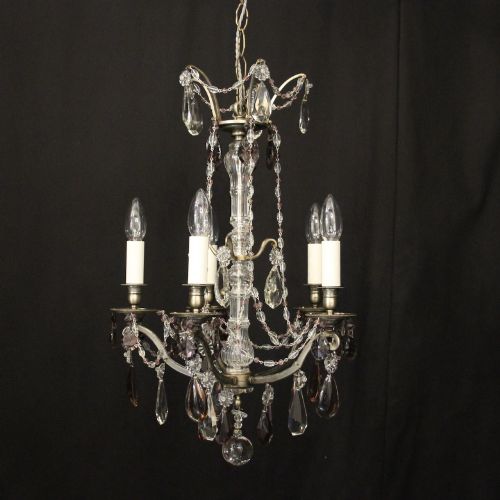
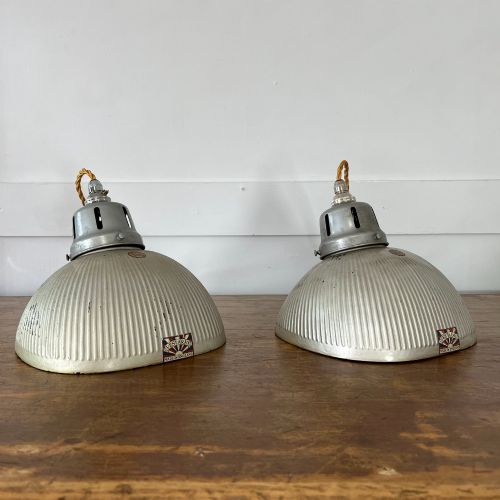
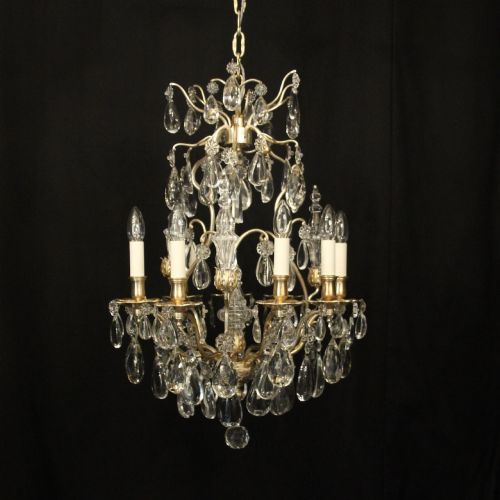
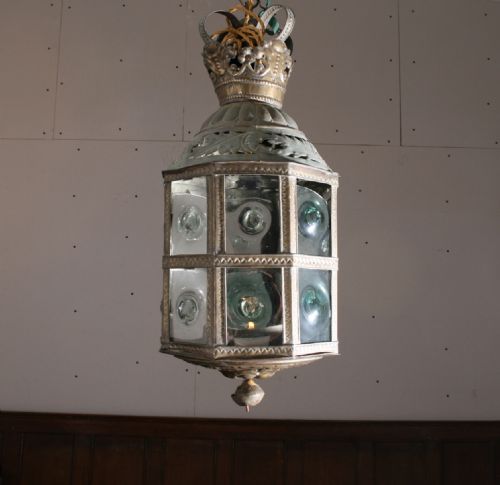
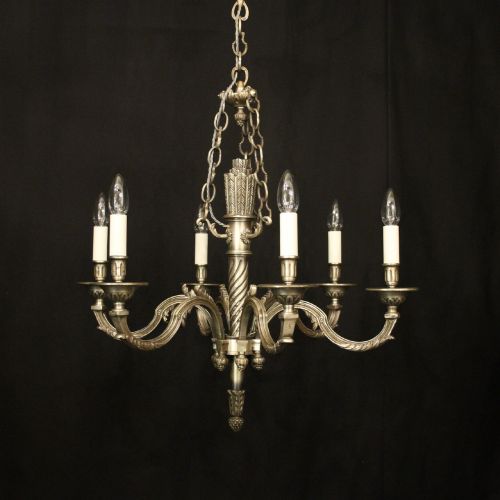
Artisans employed techniques ranging from intricate bronze casting for French chandeliers to geometric metal fabrication for Art Deco chrome and glass pendants. Lanterns frequently incorporated hand-blown bullseye glass or mercury mirrored glass panels.
What varies in quality
Quality rests upon the execution of the metalwork and the clarity of the glass or crystal components. Finer pieces demonstrate crisp casting detail in silver gilded bronze and superior hand-cut facets in crystal drops.
The integrity of the original silver plating or gilding, combined with the weight and substance of the underlying metal frame, separates standard utilitarian lighting from exceptional decorative examples.
Some lanterns rely on hand-blown bullseye glass to distort the light and charm anyone looking closely at the panes.
F&C Osler·Émile-Jacques Ruhlmann·Georg Jensen
The Silver Pendant Light Glossary
- Silver Plate
- A thin layer of silver applied over a base metal such as copper or brass. This technique allowed makers to achieve the appearance of solid silver at a lower cost.
- Silvered Bronze
- Bronze metal treated with a silver finish. This material provided a sturdy armature for elaborate French chandeliers.
- Cut Glass
- Glass shaped and patterned by abrasive wheel cutting. It enhanced the sparkle of pendant lights by refracting the illumination.
- Bulls Eye Glass
- Thick glass panes featuring a central circular projection from the glass-blowing process. These appeared on lanterns for a distinctive textural effect.
- Mercury Mirrored Glass
- Double-walled glass coated with a silvering mixture inside. It created a reflective, silvery sheen popular in pendant lighting.
Silver Pendant Light: Frequently Asked Questions
What periods do these silver pendant lights come from?
The listings span the nineteenth century, the Edwardian period, and the 1920s and 1930s Art Deco era.
Victorian and Edwardian examples sit alongside French silver gilded designs and geometric Art Deco creations.
How were these pendant lights used originally?
These fixtures hung from ceilings to illuminate grand rooms, stairwells, and billiard tables.
They served both as functional sources of light and as decorative centrepieces reflecting the style of the interior.
What materials make up these hanging fixtures?
Makers utilised a combination of metals like brass, bronze, steel, and silver plate alongside glass, crystal, and cut glass.
Surfaces often featured silver gilding or mercury mirrored glass to enhance the reflection of light.
How do I distinguish Art Deco from Edwardian lighting?
Edwardian fixtures often feature traditional silver plating, cut crystal, and ornate brass or bronze arms.
Art Deco pieces from the 1930s favor streamlined chrome, steel, and geometric glass forms.