



Retro Glass Chandelier
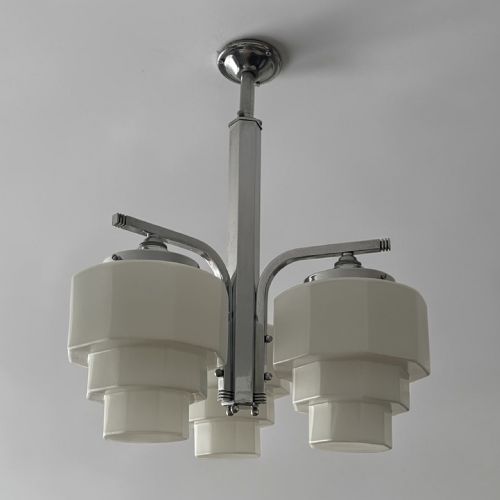
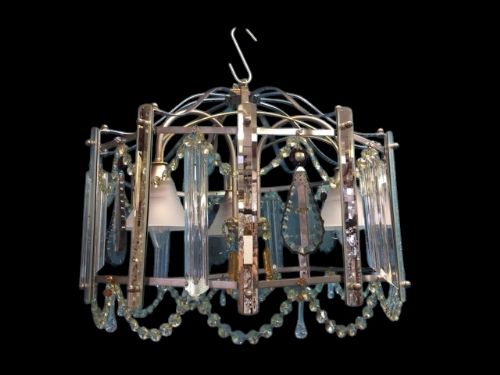
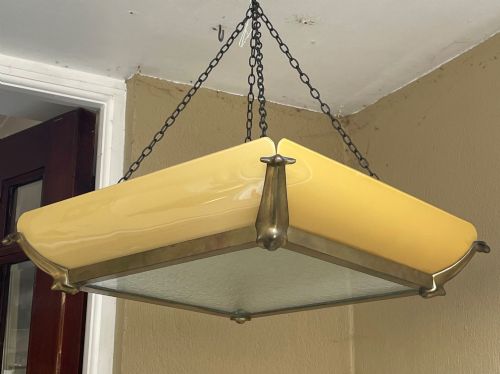
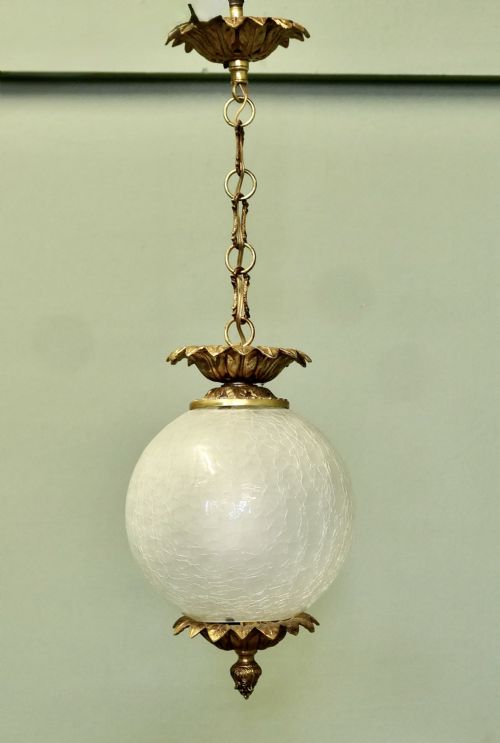
These retro glass chandelier pieces bring distinct period charm and illumination, drawing the eye with their striking materials and forms.
Retro Glass Chandelier
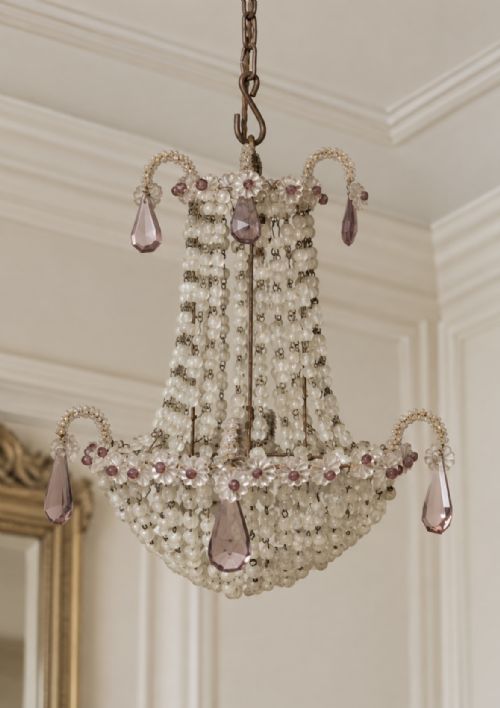
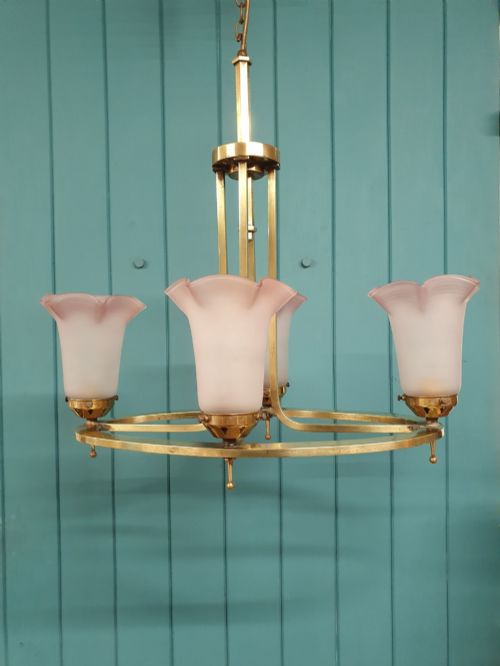
A retro glass chandelier encompasses ceiling lights, pendant lights, lampshades, and chandeliers spanning the nineteenth century, Edwardian era, 1910, 1920, and 1930 periods. Buyers searching for a retro glass chandelier frequently encounter Art Deco designs alongside Italian Florentine, Italian Venetian, and Victorian examples.
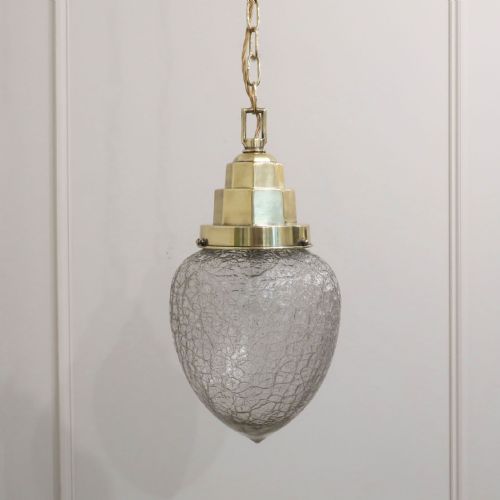
The selections range from four-light brass configurations and crackle glass pendants to pink crimped glass shades, clam shell fixtures, and amber beaded lampshades. French influence appears via specific makers, while Italian origin emerges through Venetian and Florentine ceiling lights.
Many of these overhead fittings combine notable glass elements with brass, chrome, metal, gilt metal, wrought iron, or copper frameworks. The predominant forms maintain a strong geometric or decorative presence suited to period interiors.
Materials and Construction
Makers utilised moulded, frosted, crackle, pink, amber, and drop glass combined with metal frameworks such as brass, chrome, gilt metal, copper, and wrought iron. Glass components take the form of globes, clam shells, beads, prisms, and crimped shades.
Metal structures provide the supporting armature for multi-light configurations, pendant drops, and ceiling fixtures. The combination of glass with brass or copper defines the physical structure of these mid-nineteenth to early twentieth century pieces.
Retro Glass Chandelier Retail Price Guide 2026
Typical asking prices for retro glass chandelier among the pieces listed under this phrase on Sellingantiques today, from the lower quarter to the upper quarter. They describe what is for sale here now, not the wider market.
The listings combine glass with brass, chrome, copper, and wrought iron across pieces dated from the nineteenth century to 1930.
Assessing Quality
Distinctions in quality rest upon the refinement of the glasswork, whether through specialised treatments like crackle or frosting, and the substance of the supporting metal framework such as solid brass or wrought iron. The articulation of decorative details, from French copper mounts to Italian glass drops, separates standard production from finer examples.
Cohesion between the glass shades or drops and the underlying metal structure indicates higher execution. Pieces featuring named French glassmakers or distinct regional Italian characteristics demonstrate greater design ambition.
Jean Gauthier
The Retro Glass Chandelier Glossary
- Art Deco
- A design style prominent in the 1920 and 1930 periods characterised by geometric forms and stylised motifs. It strongly influences the pendant lights and chandeliers of this era.
- Prism
- A cut glass pendant designed to refract light. These appear frequently on early twentieth-century hanging fixtures.
- Crackle glass
- Glass treated to create a network of fine fractures across the surface. This technique adds texture to pendant lights.
- Pendant light
- A single light fixture suspended from the ceiling by a cord, chain, or metal rod. It represents a common form alongside larger multi-light chandeliers.
Retro Glass Chandelier: Frequently Asked Questions
What periods do these chandeliers cover?
The selection spans the nineteenth century, Edwardian period, 1910, 1920, and 1930. Art Deco designs from the nineteen-twenties and thirties are particularly prominent.
Earlier examples include nineteenth-century brass chandeliers with pink crimped glass and Edwardian amber beaded lampshades.
What materials make up these lights?
Construction relies heavily on glass paired with metals such as brass, chrome, copper, gilt metal, and wrought iron. The glass itself appears frosted, crackled, coloured in pink or amber, or formed into prisms and drops.
French and Italian examples often showcase specific regional glassworking techniques.
How do Italian chandeliers differ?
Italian pieces from this selection encompass Venetian and Florentine styles alongside general Italian glass drop chandeliers. They emphasise decorative glass elements and distinct regional aesthetics.
These contrast with the geometric lines typical of Art Deco French production from the same decades.
Where do these ceiling lights work best?
These fixtures suit historical interiors, period room settings, or spaces requiring a distinct focal point overhead. Their varied sizes accommodate different ceiling heights and room proportions.
Matching the metal finish to existing room hardware helps integrate the piece into the space.