

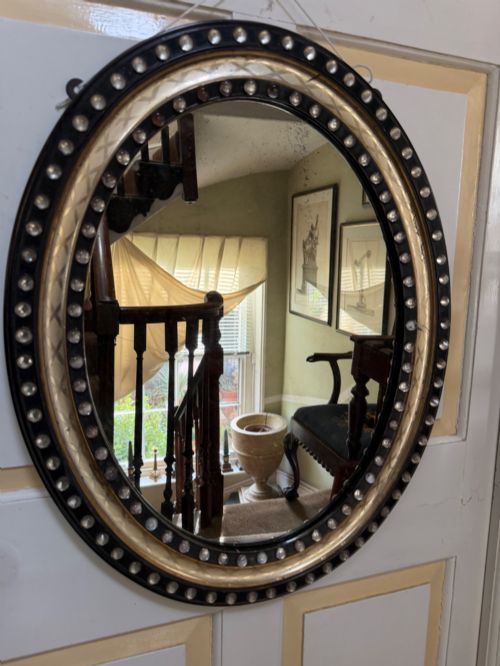
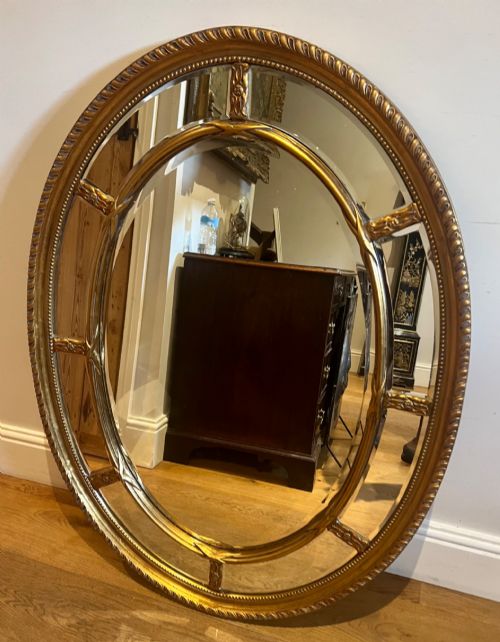
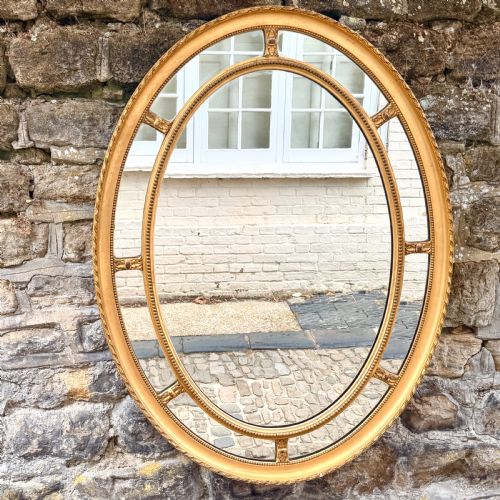
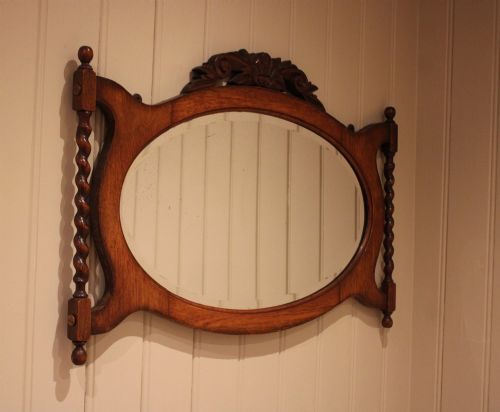

Vintage Oval Frame Mirror
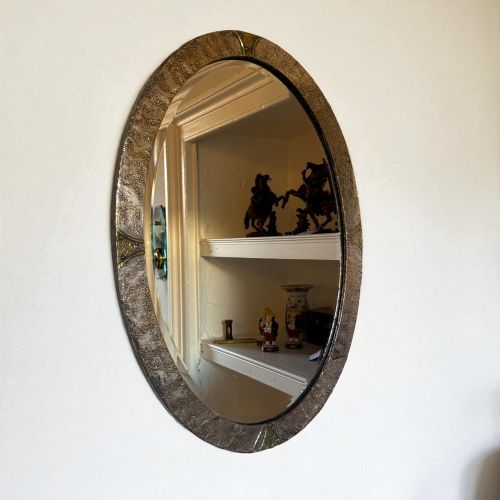
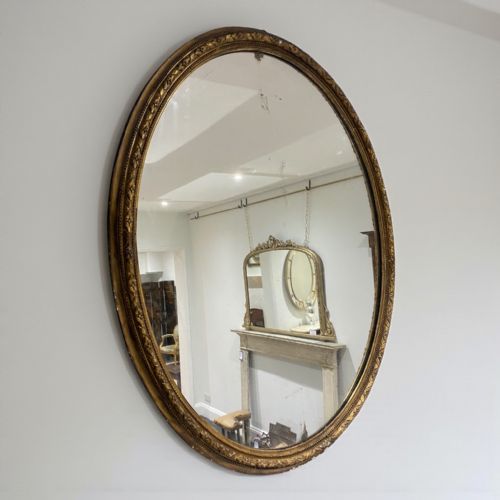
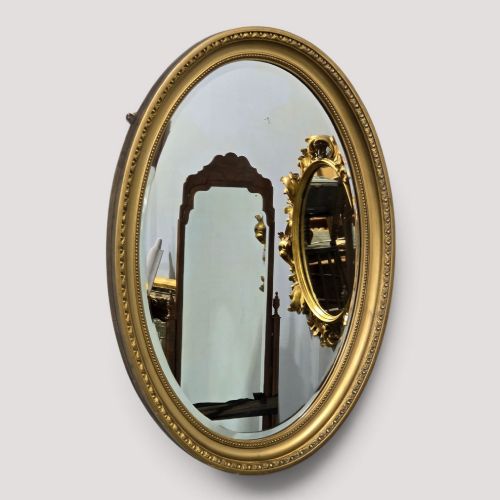
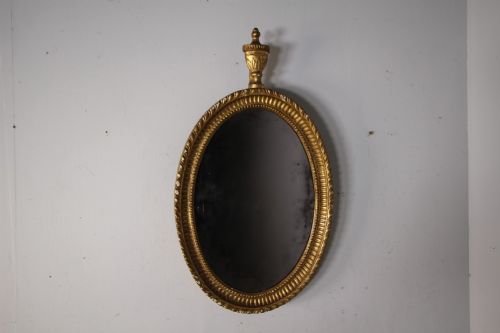
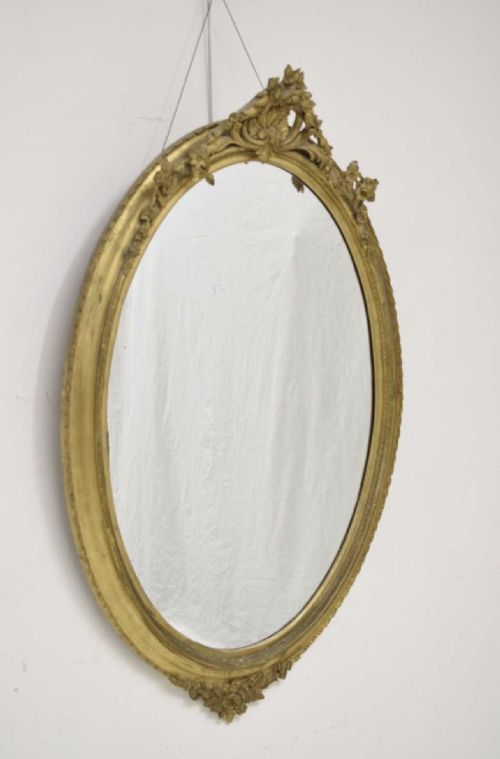
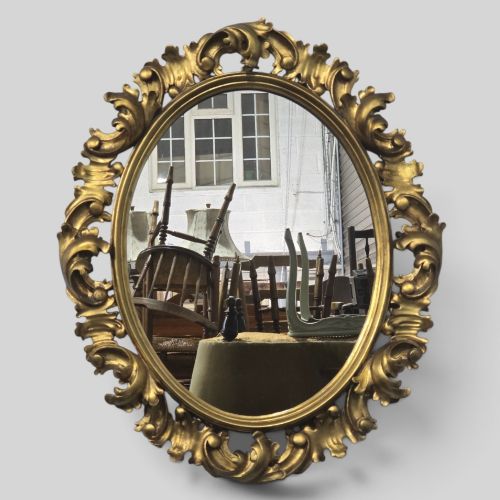
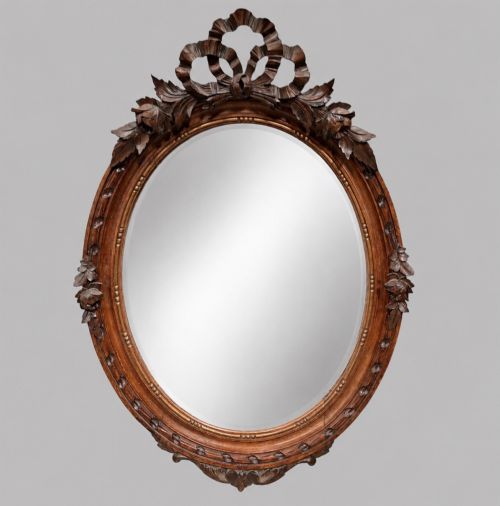
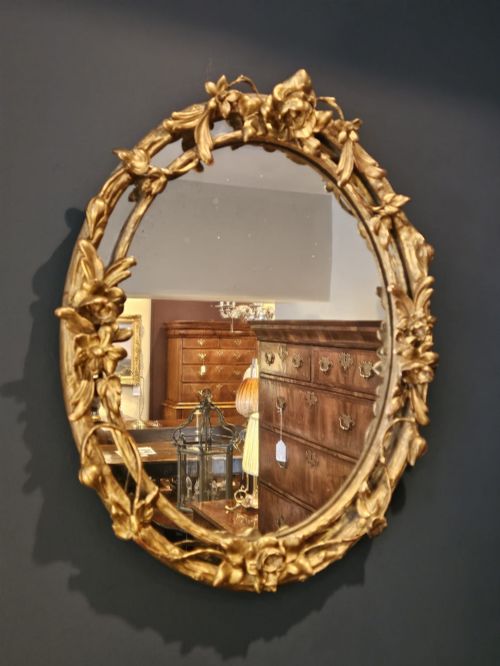
A vintage oval frame mirror brings curved lines and reflective depth to a room, drawing the eye with giltwood, carved timber, or polished brass.
Vintage Oval Frame Mirror
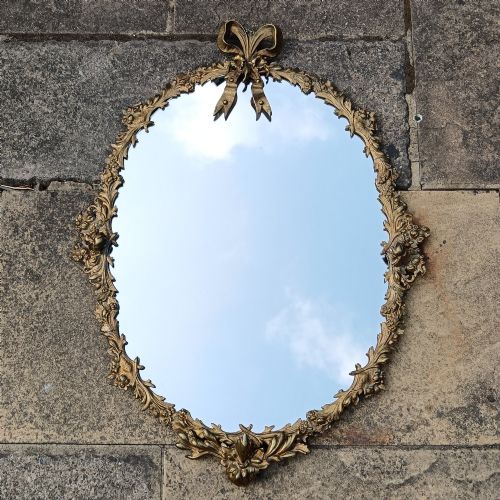
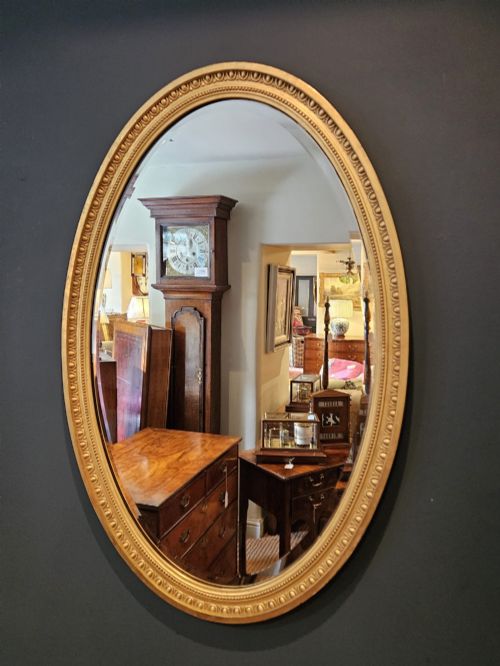
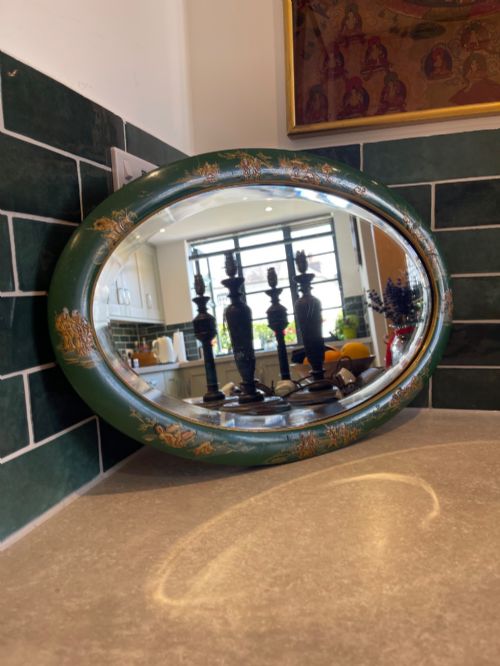
When you search for a vintage oval frame mirror, you encounter pieces spanning from the Victorian and Edwardian eras into the early twentieth century. Wall mirrors dominate the selection, shaped in distinct vertical or horizontal ovals that soften rectilinear interiors.
The most common examples on this page date from the late nineteenth and early twentieth centuries, particularly around eighteen-eighty to nineteen-twenty. These pieces range from restrained mahogany frames to heavily ornamented gilt gesso designs carrying classical or rococo motifs.
How they were made
Framing techniques rely heavily on carved wood, giltwood, and moulded gesso applied over a timber base to create intricate surface relief. Artisans also utilised brass, copper, and solid mahogany, often finishing surfaces with gold leaf, paint, or simulated wood effects.
Mirrors from the earlier periods frequently employ mercury plate glass, yielding a characteristic deep and slightly mottled reflection. Later examples integrate standard mirror glass held securely within sturdy timber or metal structures.
Vintage Oval Frame Mirror Retail Price Guide 2026
Typical asking prices for vintage oval frame mirror among the pieces listed under this phrase on Sellingantiques today, from the lower quarter to the upper quarter. They describe what is for sale here now, not the wider market.
Listings feature periods spanning from the eighteenth century through to the nineteen-twenties, incorporating wood, giltwood, brass, and copper.
What varies in quality
Quality rests in the depth and crispness of the carving, whether executed in solid oak, mahogany, or layered gesso. Finer pieces display sharply defined acanthus leaves, floral garlands, or figural motifs without the soft edges typical of mass-produced castings.
The integrity of the frame construction and the preservation of the original gilding or painted finish dictate the standing of a piece. Original mirror plates displaying age without compromise add substantial character compared to modern replacements.
Liberty & Co
The Vintage Oval Frame Mirror Glossary
- Gesso
- A plaster-like mixture applied to wood frames to provide a smooth surface for gilding or painting. It accepts deep moulding for ornate decorative relief.
- Mercury plate
- An older method of silvering mirror glass using a tin and mercury amalgam before chemical silvering processes took over. It creates a distinctive speckled reflection.
- Giltwood
- Timber coated with a thin layer of gold leaf over a prepared base. It captures light warmly across ornate period frames.
- Chinoiserie
- European decorative style reflecting Chinese artistic traditions, often featuring painted motifs on lacquer or wood. It appears frequently on early twentieth-century mirrors.
- Adam style
- A neoclassical design language characterised by symmetry, delicate swags, and classical motifs. It draws inspiration from ancient Roman architecture.
Vintage Oval Frame Mirror: Frequently Asked Questions
How do I hang a heavy oval mirror safely?
Heavy frames require fixings suited to the weight of the timber and gesso construction, typically anchored directly into wall studs or masonry using substantial brackets.
Position the mirror at eye level to balance the room, ensuring the hanging wire or D-rings match the load capacity.
Are mercury plates easy to identify?
Mercury plates often show characteristic dark spots, clouding, and a deeper, softer reflection compared to modern chemical silvering.
These optical traits develop naturally over long periods and help confirm the age of nineteenth-century pieces.
What distinguishes Victorian mirrors from Edwardian ones?
Victorian examples tend towards heavy ornamentation, deep gesso mouldings, and ornate gilt finishes reflecting historicist revivals.
Edwardian pieces often embrace lighter woods like mahogany, cleaner lines, and inlaid details influenced by arts and crafts or neoclassical tastes.