




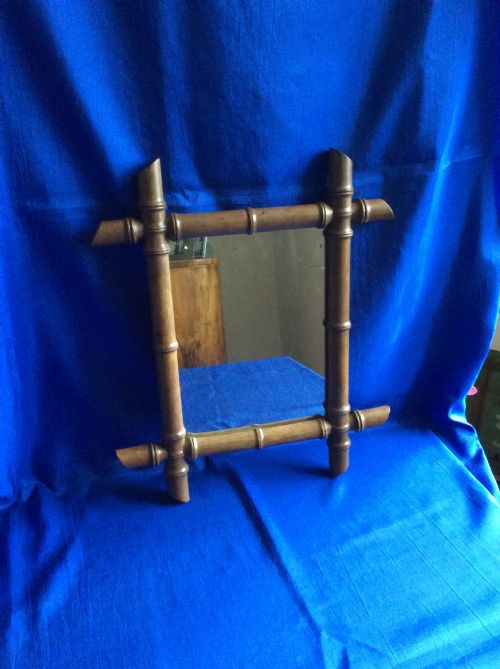


Faux Wood Wall Mirror
These faux wood wall mirror pieces bring warmth and texture to an interior through ingenious simulated finishes.
Faux Wood Wall Mirror
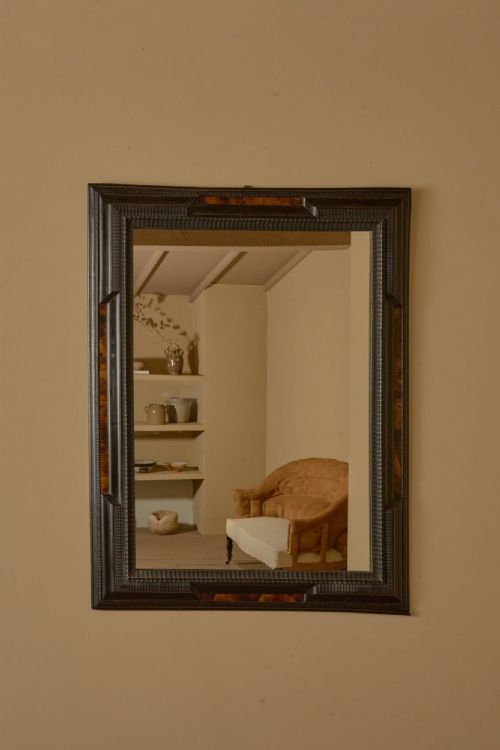
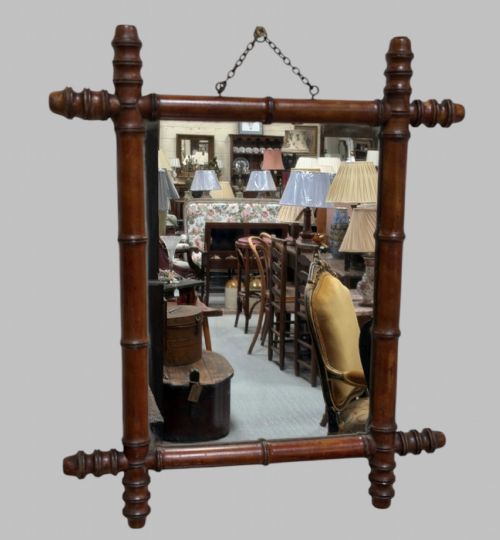
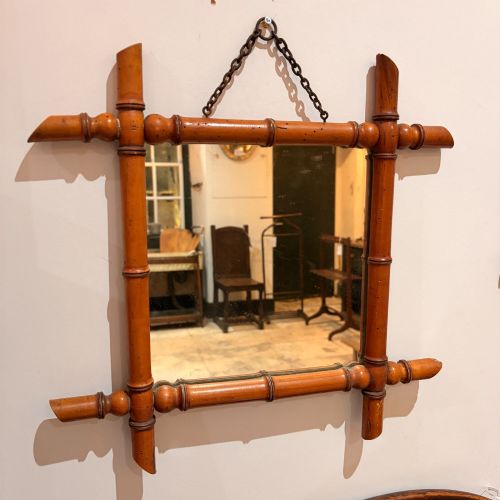
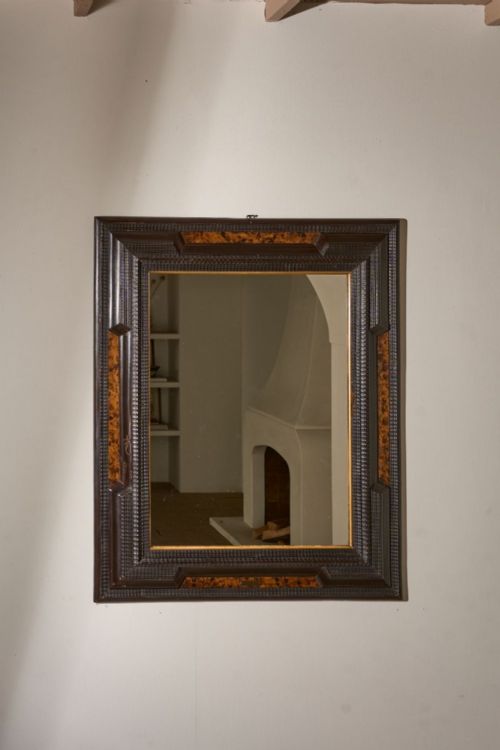
When you search for a faux wood wall mirror, you find decorative looking-glasses framed in finishes that imitate natural timbers or exotic materials. The selection centres heavily on French faux bamboo and Italian ebonised pieces with faux tortoiseshell surfaces. These wall mirrors date from the nineteenth century up to the nineteen-twenties, spanning Victorian and Art Deco eras.
The most common version you meet on this page is the French faux bamboo mirror, often originating from the nineteenth century. Alongside these, larger Italian pieces display ebonised frames combined with simulated tortoiseshell. Oval mirrors with simulated wood finishes also appear from the early twentieth century, showing variety in both form and regional style.
How they were made
The foundation of these frames typically relies on carved wood or beech, shaped meticulously to mimic natural plant stems or classical mouldings. Artisans applied skilled paint techniques or surface treatments to achieve the appearance of bamboo or tortoiseshell. Metal elements sometimes support the structure or provide hanging fixtures behind the glass.
Veneer and ebonised wood surface treatments create deep, dark contrasts that heighten the illusion of costly materials. Mirror glass sits securely within these finished wooden rebates, backed to preserve the reflective coating over decades of use.
Faux Wood Wall Mirror Retail Price Guide 2026
Typical asking prices for faux wood wall mirror among the pieces listed under this phrase on Sellingantiques today, from the lower quarter to the upper quarter. They describe what is for sale here now, not the wider market.
The listings span from the nineteenth century to nineteen-twenty, featuring materials such as beech, ebonised wood, and mirror glass.
What varies in quality
The fidelity and depth of the simulated finish dictate the visual success of the piece. Faux bamboo mouldings that capture the knits, joints, and natural irregularities of real cane stand far above flat, uniformly painted alternatives. Similarly, faux tortoiseshell surfaces require layered translucent tones to achieve genuine optical depth rather than a simple mottled pattern.
The handling of the wooden frame construction and the clarity of the original mirror glass establish the baseline of craftsmanship. Substantial weight, careful joinery at the corners, and well-preserved silvering on the glass separate the finer examples from simpler decorative items.
The Faux Wood Wall Mirror Glossary
- Faux bamboo
- A decorative treatment where wood is carved and painted to imitate natural bamboo stalks. This style enjoyed great popularity in nineteenth-century French interior design.
- Ebonised wood
- Timber treated with chemical stains or dark paint to resemble costly ebony. It provides a stark, dramatic contrast against gilded or tortoiseshell details.
- Faux tortoiseshell
- A painted or lacquered surface mimicking the rich amber and brown shell of the hawksbill turtle. Artisans built up translucent layers to create this optical effect.
- Simulated wood finish
- A decorative coating applied to a base material to imitate a different timber grain. This technique allowed makers to achieve exotic looks using accessible woods like beech.
Faux Wood Wall Mirror: Frequently Asked Questions
Are faux bamboo mirrors strictly Victorian?
While many examples date from the Victorian period and the late nineteenth century, the style extends into the twentieth century. French Art Deco pieces also adopted bamboo motifs with heavier proportions.
Examining the construction methods and the backing materials helps clarify the exact manufacturing period of each individual mirror.
Where should I place a faux wood wall mirror?
These mirrors suit hallways, living rooms, and bedrooms where their textured frames add organic warmth. Placing them opposite a window helps bounce natural light deeper into the space.
Consider the surrounding decor to ensure the simulated finish complements existing wood tones or acts as a deliberate textural contrast.
How do I clean faux tortoiseshell frames?
Dust the frame gently with a soft, dry cloth to prevent any buildup within the carved recesses. Avoid harsh chemical cleaners that might damage the layered surface finish.
Clean the mirror glass separately using a mild glass cleaner applied to a cloth rather than sprayed directly onto the frame.