


Vintage French Accent Mirror
A vintage french accent mirror brings decorative reflection and carved detail to a room, using period giltwood and glass to catch the light.
Vintage French Accent Mirror
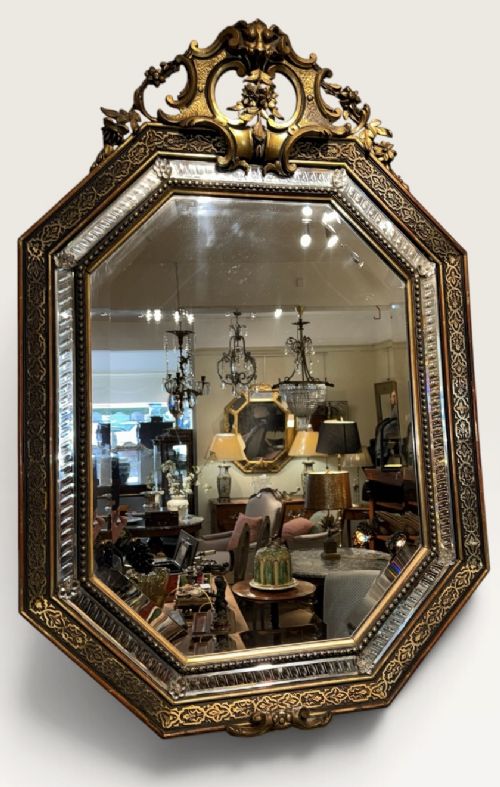
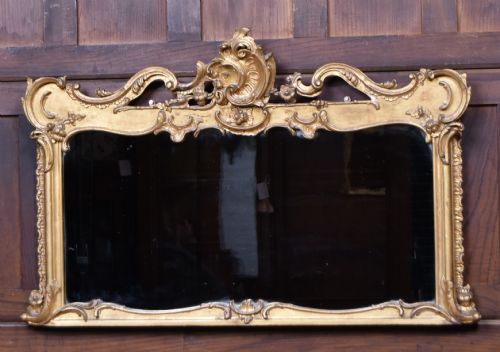
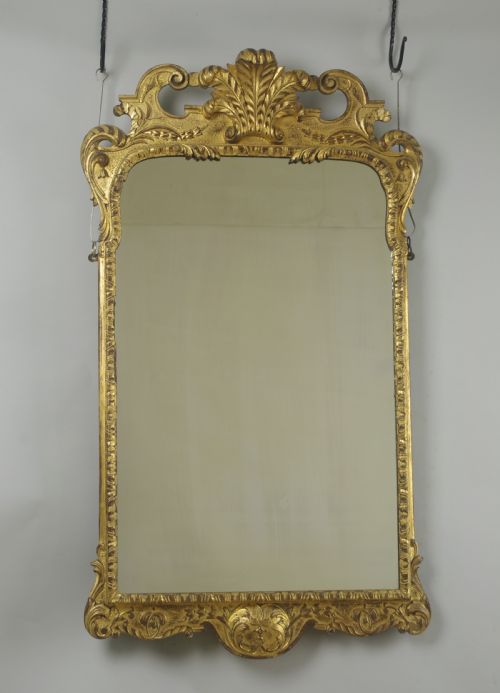
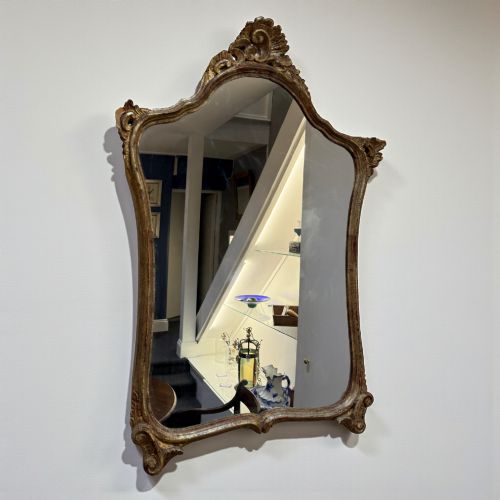
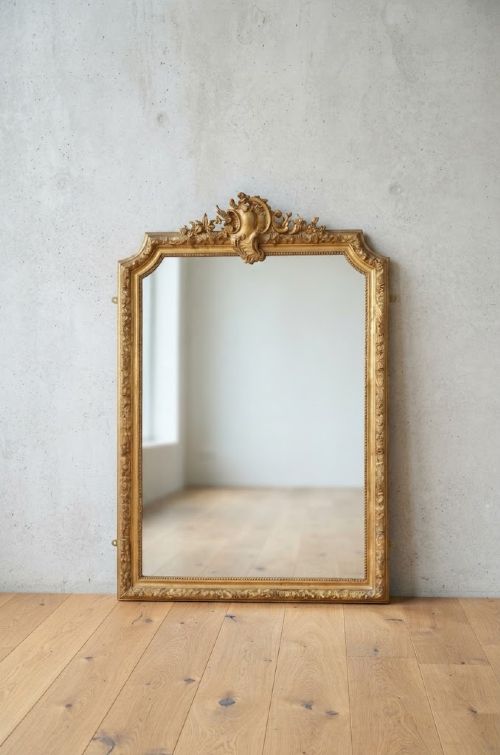
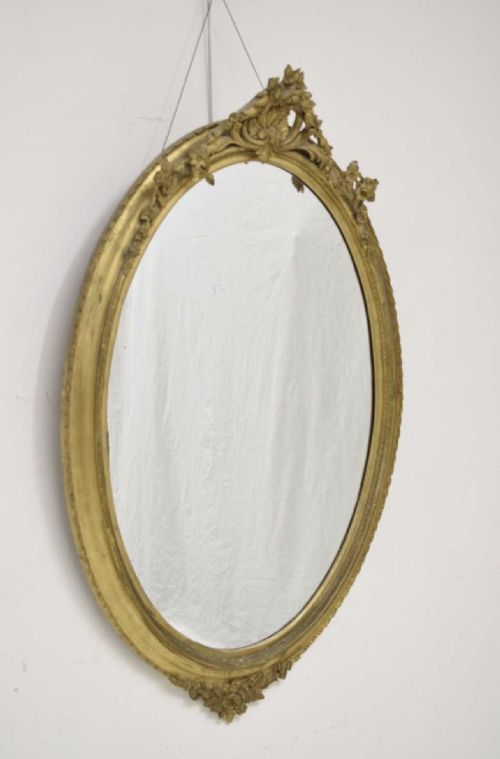
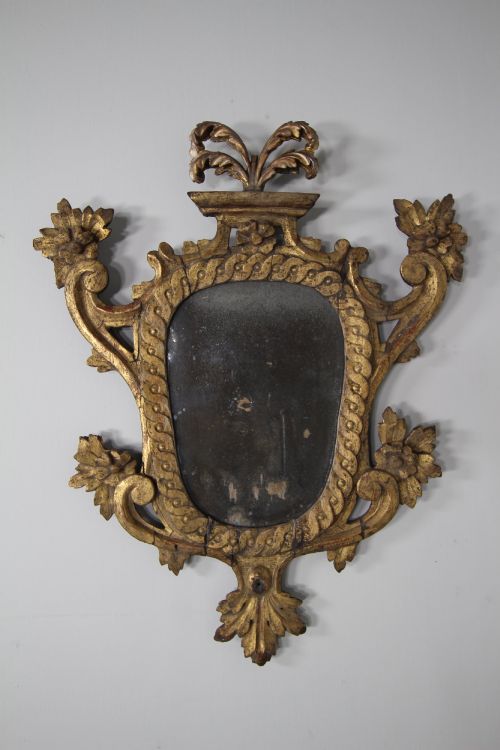
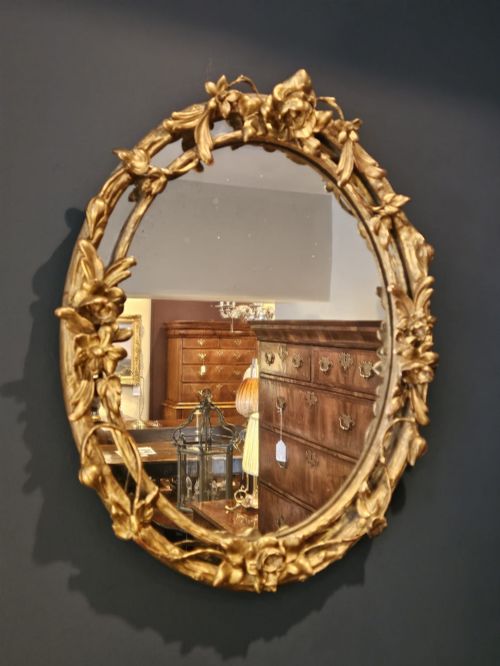
A vintage french accent mirror represents wall-hung and overmantel reflective pieces originating from the nineteenth and early twentieth centuries. These objects incorporate stylistic influences from Louis XV, Rococo, and Baroque revivals, taking the form of cartouche, oval, rectangular, and sunburst shapes.
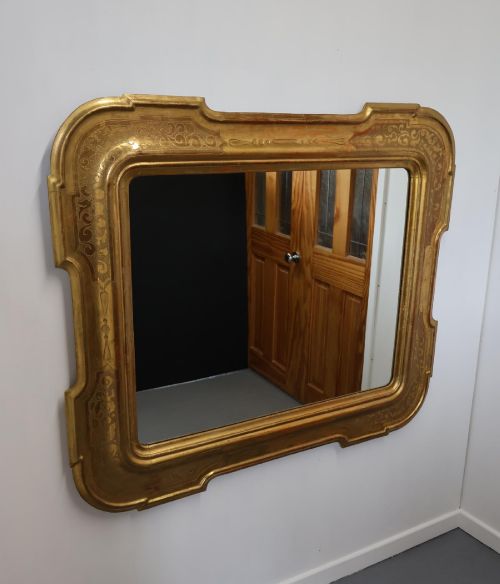
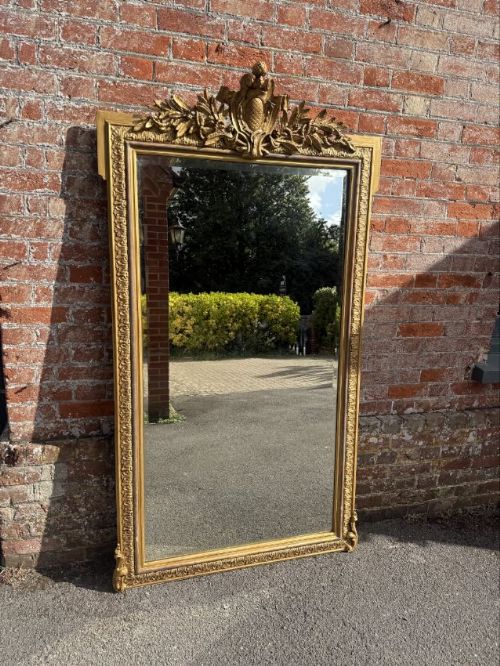
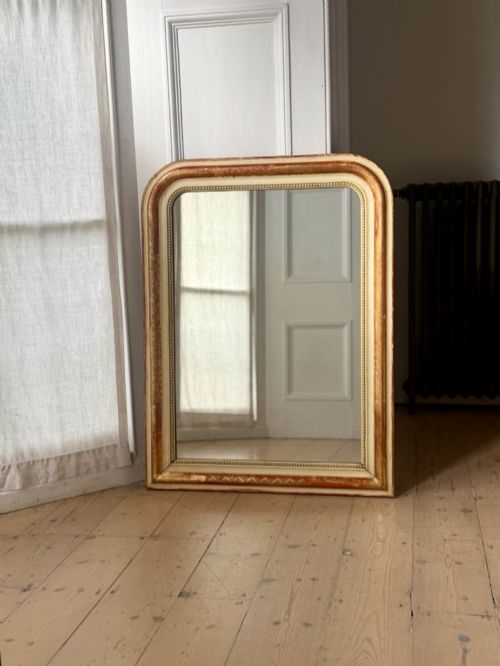
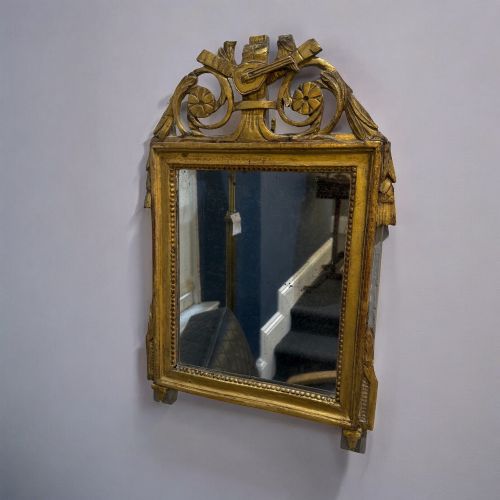
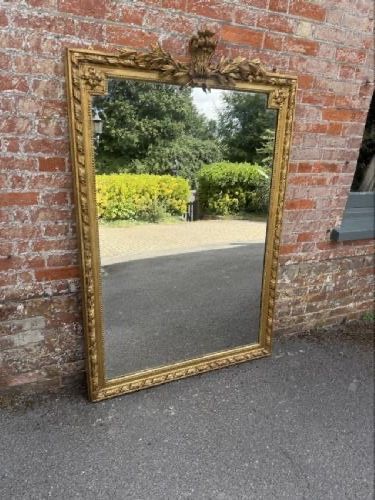
Buyers will encounter various incarnations on this page, ranging from large carved overmantel mirrors to smaller wall-hanging examples. Oak, kingwood, and timber frames appear alongside gilded finishes and painted surfaces.
The selection draws heavily upon nineteenth-century craftsmanship, with specific pieces dated across the 1860s to the 1920s. Many incorporate traditional French design elements such as foliate cresting, shell motifs, and rope twist frames.
How they were made
Frames rely on carved wood and gesso applied to timber bases, supporting the final application of gold leaf or paint. Giltwood construction involves skilled carving followed by gilding techniques that define the ornate borders.
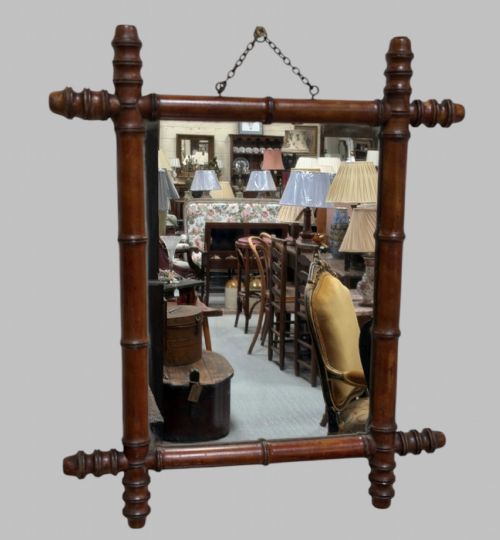
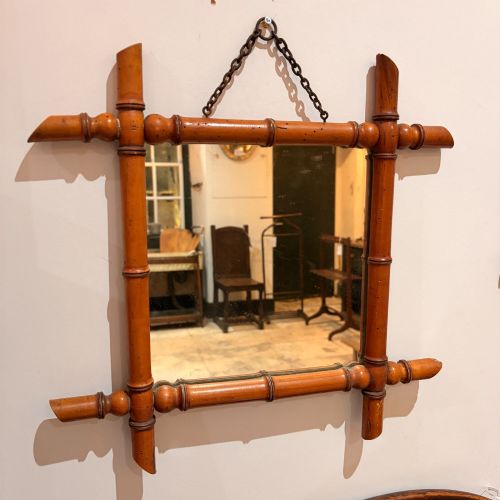
Alternative materials include bamboo and faux bamboo framing, alongside gilt bronze and brass elements. Mirror glass is set within these handcrafted structures, sometimes accompanied by painted silk or marble top supports.
Vintage French Accent Mirror Retail Price Guide 2026
Typical asking prices for vintage french accent mirror among the pieces listed under this phrase on Sellingantiques today, from the lower quarter to the upper quarter. They describe what is for sale here now, not the wider market.
A painted silk mirror offers a softer touch among the heavy gilded timber.
What varies in quality
The depth and crispness of the wood carving distinguish finer examples from simpler production. Hand-carved details on giltwood and gesso frames show varying degrees of precision and fluidity in motifs like foliage and scrolls.
The integrity of the original surface finish, whether gold leaf or over-painted decoration, dictates the visual character of each piece. Surviving original mirror glass and the stability of the underlying wooden framework complete the assessment.
The Vintage French Accent Mirror Glossary
- Giltwood
- Wood that has been coated with gold leaf or gold paint. This finish creates a reflective surface on the carved frames.
- Gesso
- A plaster-like mixture applied to wood surfaces as a base for gilding or painting. It allows craftsmen to model intricate low-relief decorations.
- Rococo Revival
- A nineteenth-century design movement characterised by asymmetrical scrollwork, curves, and naturalistic plant motifs. This style heavily influences French mirror frames from the period.
- Cartouche
- An ornamental frame or tablet resembling a scroll or paper with rolled edges. Mirrors of this form feature distinct curved outlines.
- Overmantel mirror
- A large glass traditionally placed above a fireplace mantel. These pieces often span wider proportions to suit chimney breasts.
Vintage French Accent Mirror: Frequently Asked Questions
Where should I hang a french accent mirror?
These mirrors suit hallways, living spaces, and above mantelpieces where they reflect natural light and open up the room.
Selecting a wall with adequate structural support ensures the safe placement of heavy timber and giltwood frames.
How do I identify a rococo revival mirror?
Rococo revival pieces display asymmetrical scrollwork, C-scrolls, and organic plant motifs carved into the frame.
They often incorporate cartouche shapes and giltwood surfaces typical of nineteenth-century French design.
Are faux bamboo frames authentic to the period?
Faux bamboo frames date predominantly from the late nineteenth century, reflecting popular exploratory aesthetics of the era.
Craftsmen turned wood to mimic natural bamboo stalks before applying paint or gilding.
How do I care for antique giltwood?
Dusting the carved surface gently with a dry, soft brush prevents the accumulation of dirt without damaging the delicate gold leaf.
Avoiding moisture and harsh cleaning agents preserves the underlying gesso and historical finish.