






Rustic Rectangular Mirror
A rustic rectangular mirror brings warmth and unpretentious character to a room through weathered timber frames and time-softened glass.
Rustic Rectangular Mirror
A rustic rectangular mirror is a wall-hanging glass plate enclosed in a timber or metal frame that shows the honest marks of age and regional craftsmanship. These pieces span the eighteenth, nineteenth, and early twentieth centuries, reflecting the utility and aesthetic values of rural homes and workshops.
The versions most commonly met on this page include nineteenth-century French country and English painted frames, alongside Spanish carved pine and Arts and Crafts copper examples. They function primarily as wall mirrors and overmantles, offering practical reflection alongside strong decorative presence.
Makers working within styles such as French provincial, Victorian, and Arts and Crafts utilised local timbers like pine, maple, and oak. Each piece carries the distinct regional identity of its origin, whether carved, painted with faux bois, or mounted with metal cabochons.
Materials and construction methods
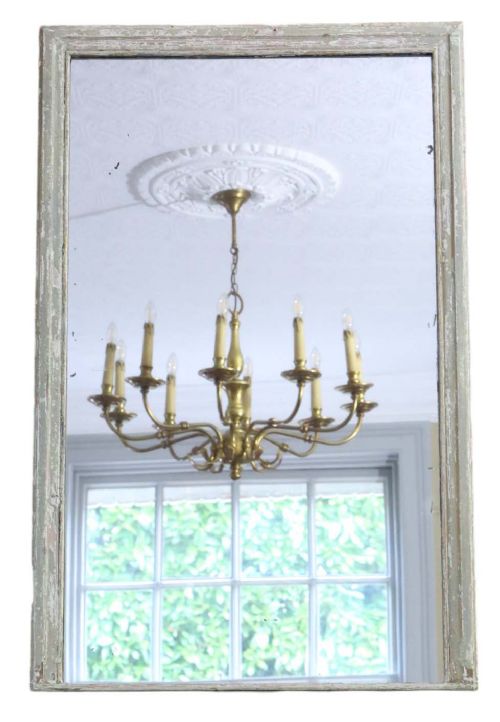
Makers constructed the frames of these pieces using solid woods including pine, maple, oak, and gesso over timber, often finished with oil paint or left to show the natural grain. Copper and brass also appear, particularly in Arts and Crafts interpretations where metalwork frames the glass plate.
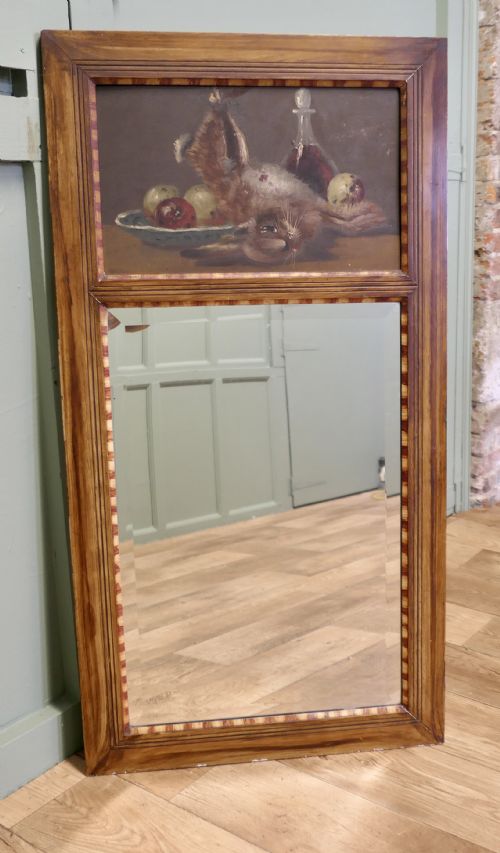
Techniques ranged from simple regional carving in Spanish pine to elaborate trumeau pier mirrors and faux bois paint finishes designed to imitate natural timber. The glass plates are secured within these sturdy wooden or metal structures to create durable wall-hanging mirrors.
Rustic Rectangular Mirror Retail Price Guide 2026
Typical asking prices for rustic rectangular mirror among the pieces listed under this phrase on Sellingantiques today, from the lower quarter to the upper quarter. They describe what is for sale here now, not the wider market.
Regional styles represented include French provincial, Spanish regional, Arts and Crafts, and English country traditions.
Evaluating quality and character
Quality in these pieces rests upon the integrity of the original construction, the depth of the timber carving, and the harmonious integration of frame and glass plate. Hand-carved details in pine or oak demonstrate greater artisan input than simpler built structures.
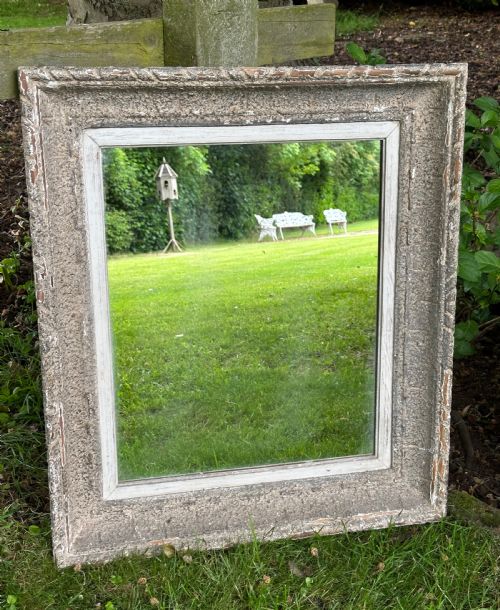
The character of the surface finish also distinguishes the range, where undisturbed historic paint, original faux bois effects, or patinated copper outlive later repainting or replacement plates. Proportion and scale dictate visual impact, especially in larger overmantle formats.
The Rustic Rectangular Mirror Glossary
- Trumeau pier mirror
- A tall wall mirror designed to fit the narrow wall space between two windows or above a fireplace. These often incorporate painted or carved panels above the glass plate.
- Faux bois
- An artistic imitation of wood grain applied to a painted surface. Makers utilised this technique to give ordinary timber frames the appearance of more exotic or aged woods.
- Overmantle mirror
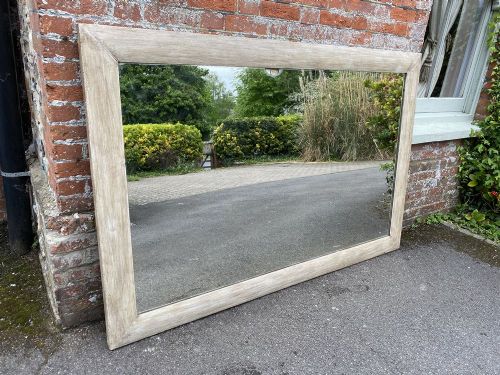
- A wide horizontal mirror designed to hang specifically above a mantelpiece. They frequently feature large dimensions to reflect light across the room.
- Cabochon
- A polished gemstone or metal shaping with a convex top and flat reverse. In Arts and Crafts metalwork, these are set into the frame for decorative emphasis.
- Gesso
- A plaster-like mixture applied to wood as a base for paint or gilding. It provides a smooth surface for detailed decorative moulding.
Rustic Rectangular Mirror: Frequently Asked Questions
Where should I hang a rustic rectangular mirror?
These pieces suit living rooms, hallways, and bedrooms where their weathered frames can anchor a wall arrangement. Overmantle variants fit naturally above a fireplace, while taller trumeau mirrors work well on expansive wall spaces.
Ensure the wall structure can support the weight of solid timber and glass, particularly for larger nineteenth-century examples. Position them opposite windows to maximise the reflection of natural daylight into the room.
How do I care for the painted wooden frames?
Dust the frame gently with a dry, soft cloth to prevent dirt accumulation in the carved crevices. Avoid modern chemical cleaning sprays that can damage historic oil paint or exposed timber.
Keep the mirrors away from direct, harsh sunlight and excessive moisture fluctuations to protect the wood and the integrity of the original surface finish.
How do I identify a nineteenth-century piece?
Examine the construction joints, the backing materials, and the character of the glass plate for signs of age. Nineteenth-century frames often utilise hand-cut fixings and timber showing natural wear consistent with decades of domestic use.
Stylistic markers such as Arts and Crafts copperwork, French country painted finishes, or Victorian proportions also point towards specific periods within that century.
What is the difference between a wall mirror and an overmantle?
Wall mirrors are generally proportioned for general placement across various domestic rooms and corridors. They vary widely in shape and height according to their regional style.
Overmantles are specifically wider in format, engineered to sit horizontally above a fireplace mantel. Their proportions reflect their original architectural function within nineteenth-century interiors.