







Brown Oval Wall Mirror
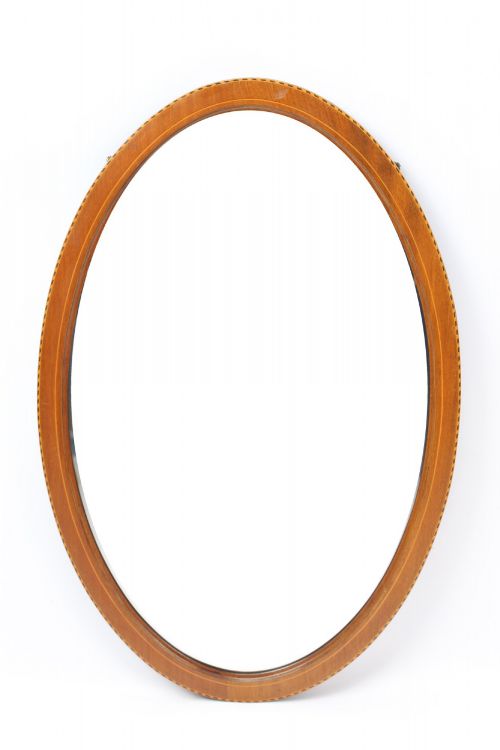
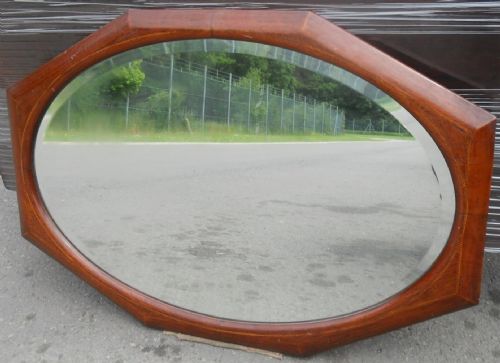
These brown oval wall mirrors bring warmth and character to a room, offering practical reflection through handsome timber frames from the nineteenth and early twentieth centuries.
Brown Oval Wall Mirror
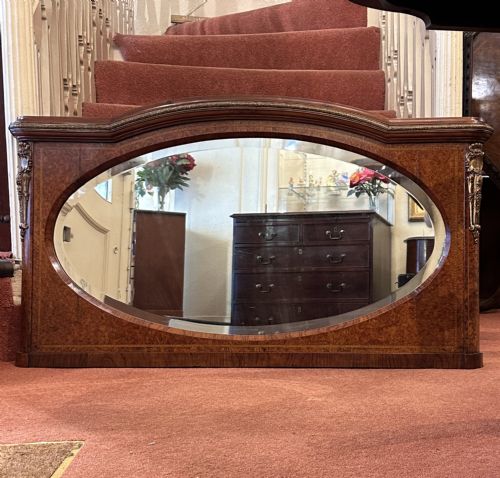
When searching for a brown oval wall mirror, buyers encounter a selection of hanging wall mirrors and overmantel mirrors spanning the Victorian, Edwardian, and later periods. The selection ranges from simple oak frames to richly figured mahogany and walnut designs.
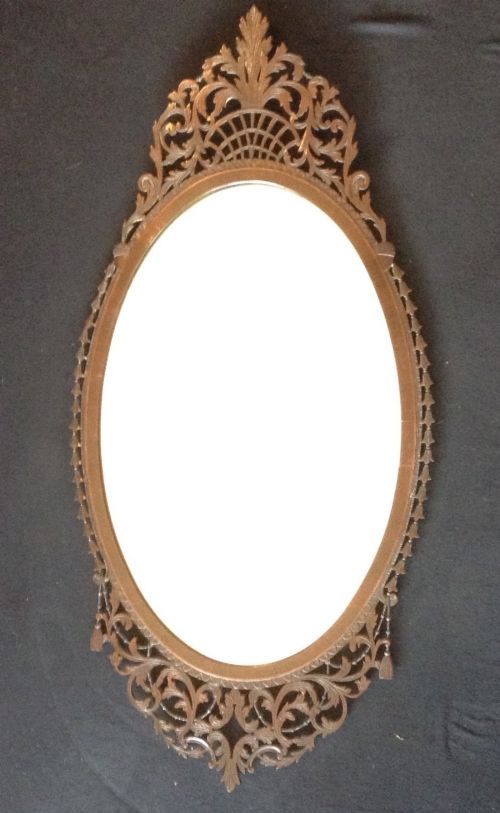
Most examples date from the nineteenth century up through the nineteen-twenties, incorporating styles such as Edwardian Sheraton Revival, Carolean, and Black Forest carving. These pieces serve as functional wall decoration while introducing traditional woodwork into domestic interiors.
How they were made
Frames are constructed from solid and veneered timbers including mahogany, oak, burr yew-wood, and walnut, often shaped into curved oval forms. Selected pieces feature decorative wood inlay, painted floral details, or detailed carving associated with Black Forest and revivalist workshops.
Mirrors utilise traditional glass plates, occasionally bevelled at the edges, mounted securely within wooden backings and fitted with hanging hardware. Ormolu mounts and simulated wood finishes appear on specific examples from the period.
Brown Oval Wall Mirror Retail Price Guide 2026
Typical asking prices for brown oval wall mirror among the pieces listed under this phrase on Sellingantiques today, from the lower quarter to the upper quarter. They describe what is for sale here now, not the wider market.
Materials documented across these listings include mahogany, oak, burr yew-wood, walnut, paint, and plaster alongside glass.
What varies in quality
Quality rests upon the choice of timber and the crispness of the surrounding woodwork, from plain structural frames to finely figured mahogany and intricate carved fretwork. The depth of the timber grain and the precision of any inlay or carved detail distinguish standard examples from finer commissions.
The condition and clarity of the mirror glass alongside the stability of the original wooden frame influence the character of each piece. Finer items retain their original bevelled mirror plates and well-preserved surface finishes.
The Brown Oval Wall Mirror Glossary
- Overmantel mirror
- A large mirror designed specifically to hang above a fireplace mantelpiece. These often feature decorative crests or broader proportions suited to domestic reception rooms.
- Fretwork
- Thin wood or timber panels cut with decorative pierced patterns using a fretsaw. This technique appears on Scottish mahogany frames.
- Burr yew-wood
- A highly figured timber harvested from the growths of a yew tree, valued for its complex swirling grain patterns. It provides a rich brown decorative surface.
- Ormolu
- Gilt bronze ornamentation applied to furniture and mirror frames. It adds metallic contrast against dark wooden surfaces during the nineteenth century.
- Bevelled mirror
- Glass whose edges are cut and polished at an angle thinner than the rest of the plate. This creates a framed reflective border.
Brown Oval Wall Mirror: Frequently Asked Questions
Where should I hang an oval mirror?
These mirrors suit entrance hallways, living rooms, and above bedroom dressing tables where their curved shape softens angular interior walls.
Ensure the wall structure supports the weight of the wooden frame and hanging wire securely before installation.
How do I date an antique mirror?
Dating relies upon examining the timber species, construction methods of the wooden frame, and the manufacturing characteristics of the glass plate. Revival styles and Victorian or Edwardian framing techniques provide clear chronological indicators.
Backboards, fixings, and secondary woods further help establish the period of origin.
Are these frames made of solid wood?
Frames utilise a combination of solid timbers such as oak and mahogany alongside veneered surfaces on secondary woods. Burr yew-wood and walnut are typically applied as decorative veneers over stable framing.
Construction methods varied according to the workshop and the prevailing style of the period.
How do I clean an antique wooden frame?
Dust the wooden frame gently with a dry, soft cloth to remove surface particles without disturbing the finish. Avoid using modern chemical polishes or excessive moisture on aged wood and vintage mirror glass.
Professional conservation wax can be applied sparingly if the timber appears dry.