




Vintage Oriental Wall Hanging
When seeking a vintage oriental wall hanging, buyers encounter woven tribal bags, embroidered textiles and decorative wooden panels spanning the nineteenth and early twentieth centuries.

Vintage Oriental Wall Hanging
A vintage oriental wall hanging encompasses textiles, tribal weavings and decorative panels originating from Central Asia, Persia, the Caucasus and East Asia. The selection spans the middle of the nineteenth century through to the early decades of the twentieth century, capturing diverse regional aesthetics.
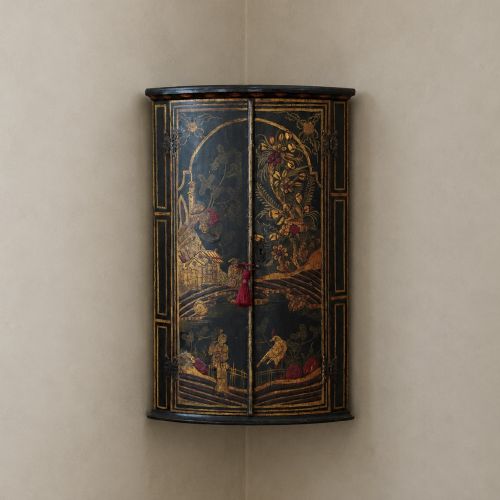
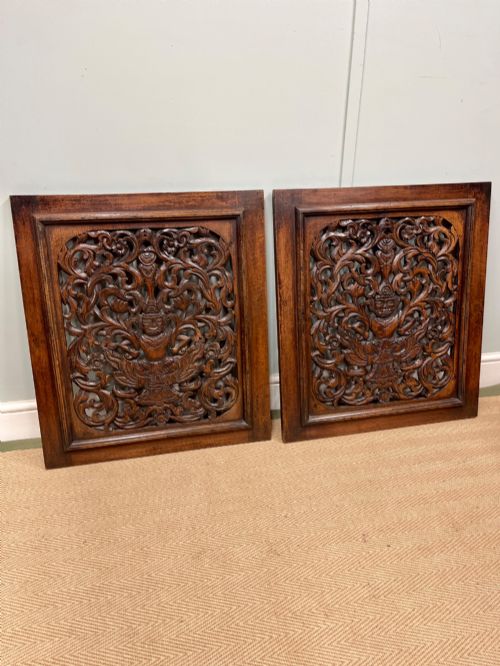
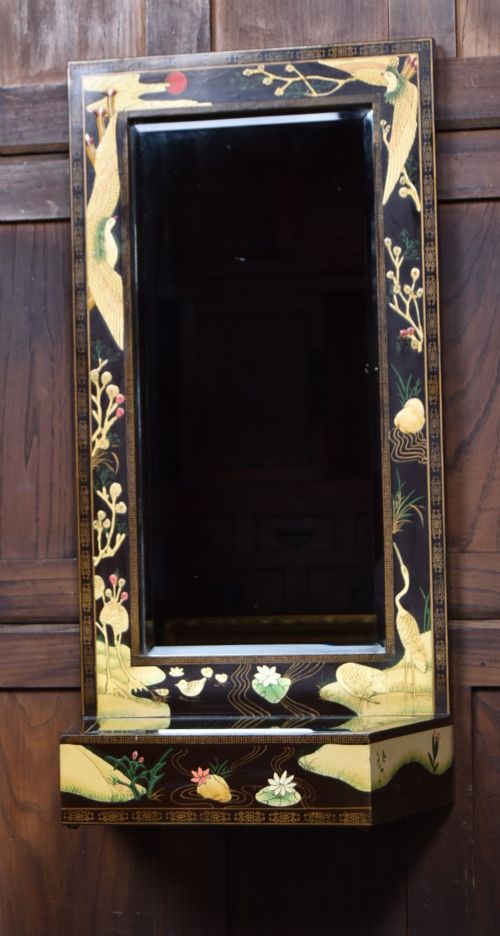
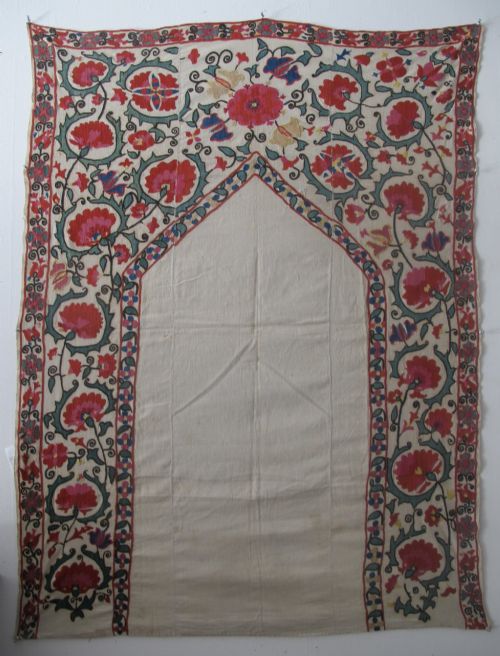
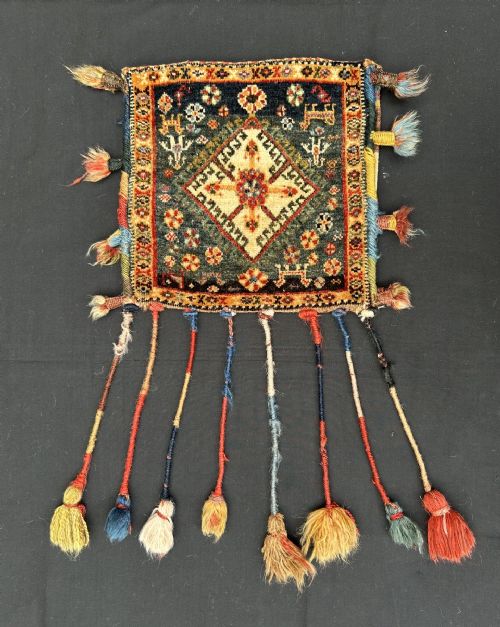
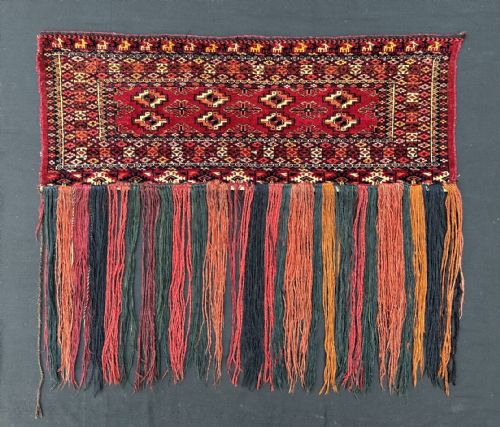
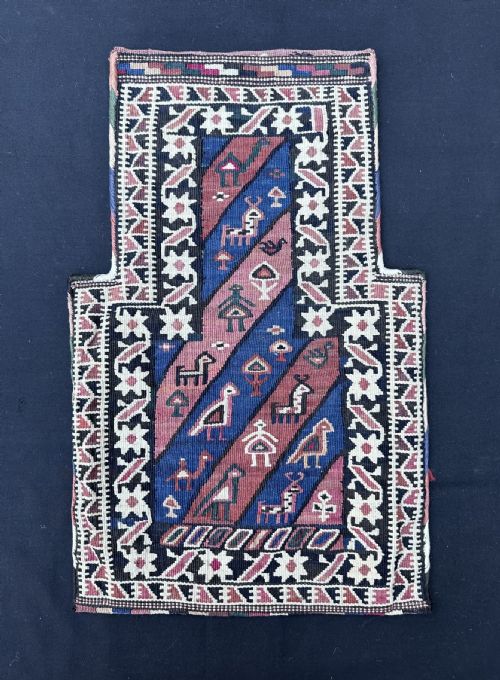
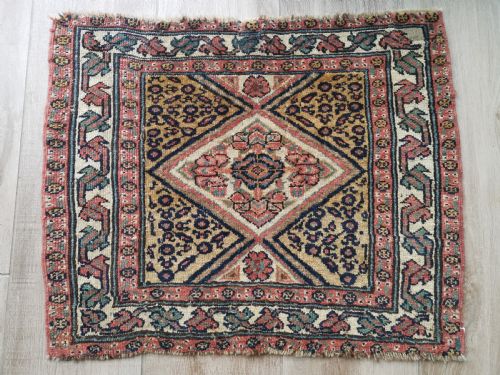
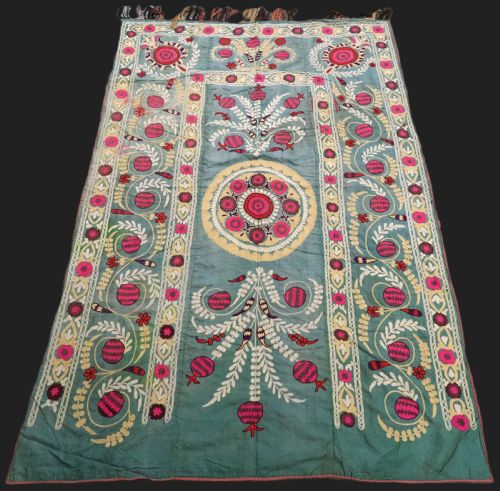
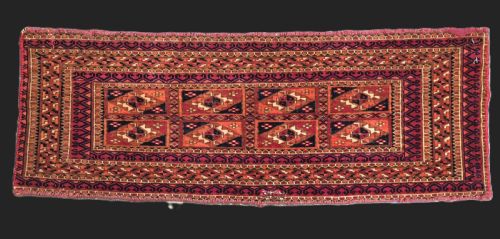
The most frequent examples found under this description are Turkmen torbas, chuvals and bagfaces, alongside Uzbek suzanis and Persian embroideries. Buyers also encounter carved wooden plaques, japanned mirrors and silk jajims mounted for display.
These items originate from nomadic and settled communities alike, reflecting traditions such as Tekke, Yomut, Ersari, Shahsavan and Qashqa'i tribal weaving, as well as Edwardian chinoiserie interpretations.
How they were made
Materials recorded in the inventory comprise wool, hand-spun wool, cotton, silk, wood, glass, lacquer and gilt. Textiles are constructed using wool pile, flatweaves, silk embroidery threads on cotton or silk grounds, and felt applique work.
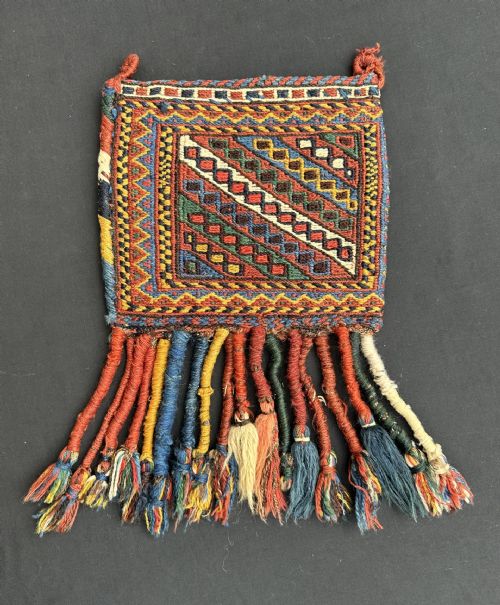
Wooden objects involve hand-carved plaques and japanned surfaces decorated with chinoiserie motifs. Storage bags and hangings frequently display structural elements such as hanging loops or plain weave wool backs.
The inventory records Turkmen, Uzbek, Persian, Caucasian and Japanese origins, spanning tribal weavings and Edwardian chinoiserie.
What varies in quality
Quality diverges according to the precision of the needlework, the complexity of the design motifs such as guls or architectural elements, and the vibrancy of the remaining ground colours. Early nineteenth-century examples display denser knotting or finer silk embroidery stitches compared to later pieces.
The integrity of the textile foundation, the survival of original hanging loops, and the crispness of carved or japanned wooden frames distinguish superior examples from standard decorative items.
The Vintage Oriental Wall Hanging Glossary
- Suzani
- An embroidered textile from Uzbekistan, typically worked in silk on a cotton or linen ground with floral and architectural motifs. These large panels were traditionally made as part of a bride's dowry.
- Torba
- A small Turkmen storage bag, wider than it is tall, used inside a nomadic tent and often featuring primary guls. Many surviving examples now function as decorative hangings.
- Jajim
- A flatwoven textile produced in strips and joined together, often utilising wool or silk. They appear in nomadic and village households across Persia and Central Asia.
- Japanned
- A European imitation of East Asian lacquerware, created by applying resin-based varnishes to wood surfaces. The technique gained popularity during the Edwardian period for mirrors and furniture.
- Gul
- A medallion-like motif found in Central Asian tribal rugs and bags, often repeated across the field. Each design typically identifies the specific tribe or clan that wove the piece.
Vintage Oriental Wall Hanging: Frequently Asked Questions
What is a suzani?
A suzani is a large, hand-embroidered textile created in Uzbekistan, traditionally worked in silk thread on a cotton or linen foundation. These pieces feature bold botanical designs and were made for domestic display or ceremonial use.
Today, they are frequently displayed on walls to introduce texture and colour to interior spaces. Their scale and intricate needlework make them central decorative focal points.
How were tribal bags used?
Nomadic groups in Central Asia and Persia utilised woven bags like torbas and chuvals for household storage inside tents. They held bedding, clothing and smaller possessions during migration.
As domestic habits changed, these bags entered the decorative market. Many retain original hanging loops, making them suitable for wall mounting.
What is chinoiserie?
Chinoiserie is a European artistic style reflecting Chinese aesthetic influences, prominent during the eighteenth and early twentieth centuries. It appears on japanned mirrors, cabinets and decorative panels.
In British interiors, these pieces brought exotic motifs into traditional rooms. The style blends Asian-inspired figures and landscapes with Western forms.
How do I date these textiles?
Dating relies on material analysis, natural dye characteristics, structural weave types and stylistic markers specific to regional tribes. Mid-nineteenth-century items generally exhibit finer hand-spun materials and earlier tribal palette choices.
Later pieces from the early twentieth century often show shifts in chemical dye usage and simplified knotting or embroidery patterns. Comparing known tribal motifs helps narrow the production period.