




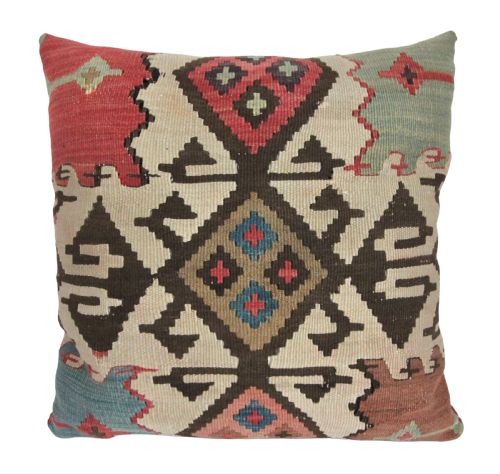
Vintage Oriental Rug Cushion
A vintage oriental rug cushion brings tactile history to a room, offering repurposed tribal textiles shaped into comfortable home accessories.
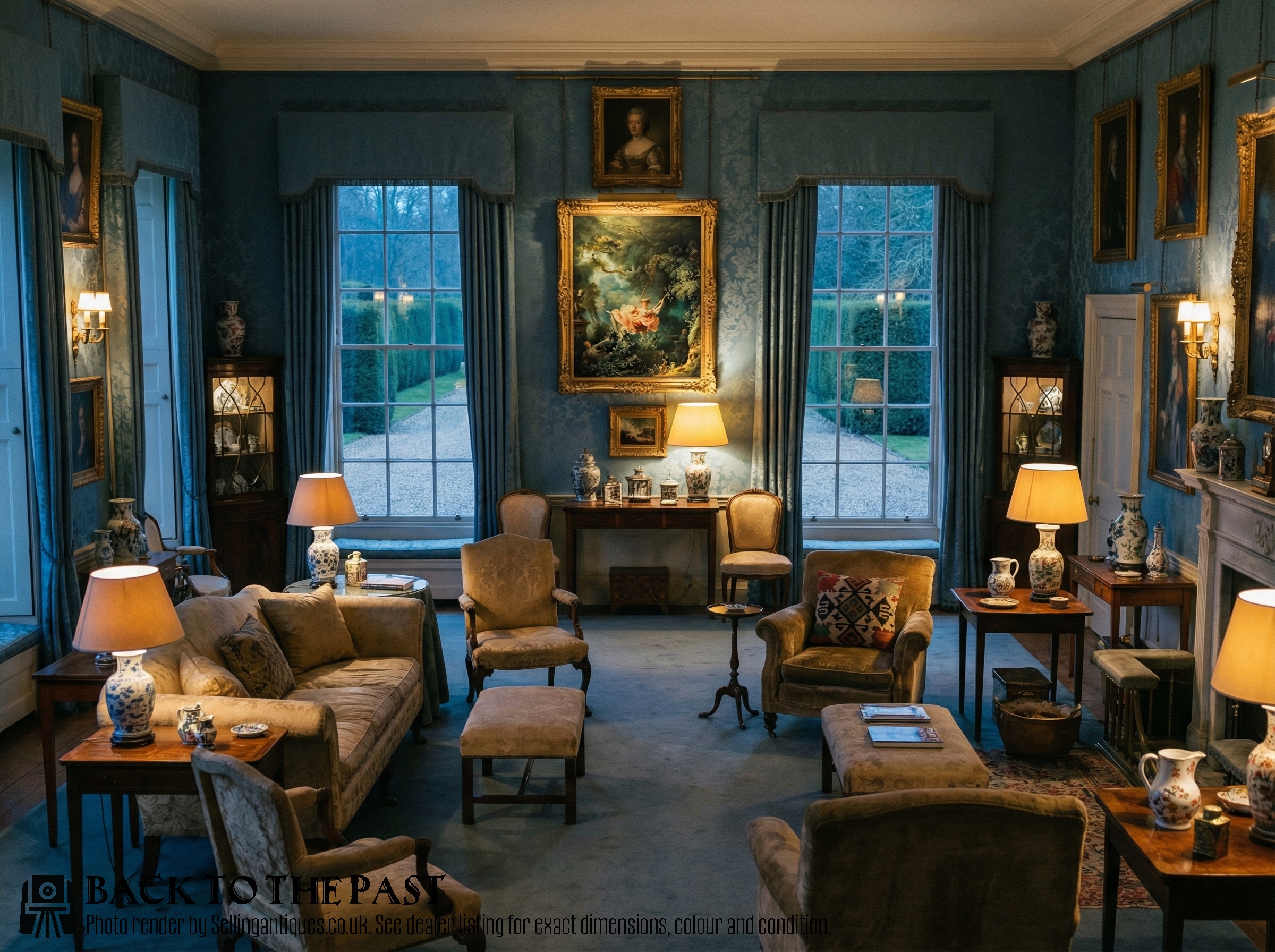
Vintage Oriental Rug Cushion
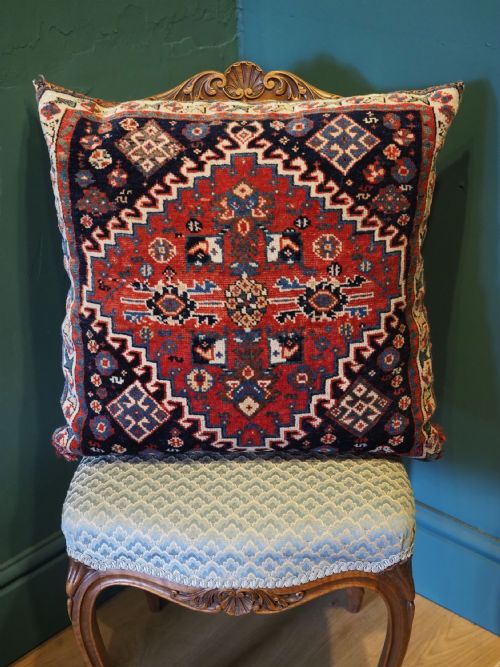
A vintage oriental rug cushion transforms historical woven fragments into functional seating accessories for the home. When you search for a vintage oriental rug cushion, you find textiles derived from nineteenth and early twentieth century tribal weaving traditions.
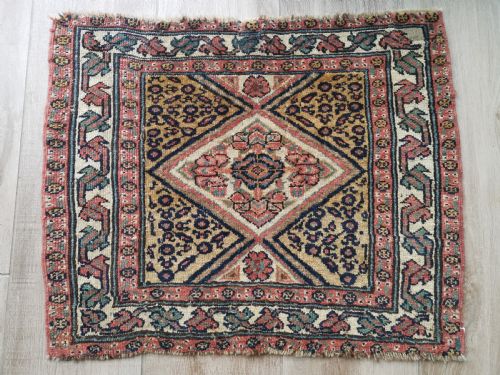
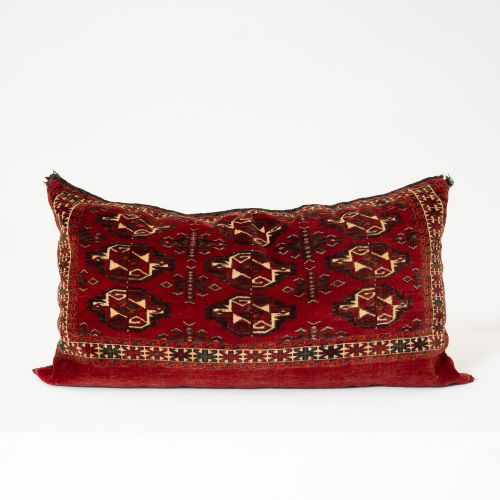
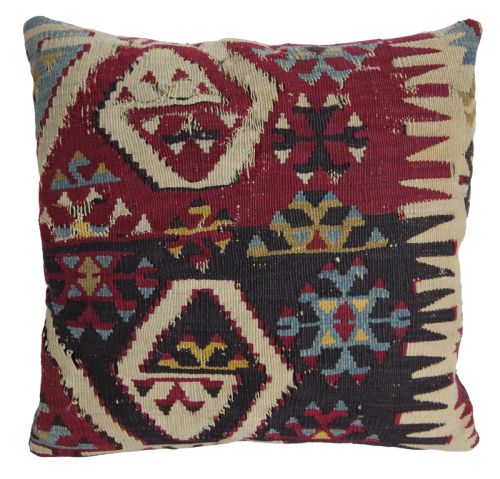
The pieces listed here typically originate from nomadic or village workshops across Persia and Anatolia. Common forms include repurposed saddle bags, storage bags, torbas, mafrash faces, and flatwoven kilims.
Makers often utilised fragments from larger carpets or complete smaller bag faces, adding soft backs to create usable cushions and pillows. These textiles bridge the gap between museum-worthy tribal art and everyday domestic comfort.
Materials and construction methods
Weavers constructed these textiles using hand-spun wool and cotton foundations, dyed with natural vegetable colorants. The resulting pile and flatweave surfaces display the characteristic density and resilience of nineteenth century nomadic craftsmanship.
Many examples incorporate Soumak technique or intricate weft-work banding alongside traditional pile knotting. Artisans utilised durable animal fibres that withstand decades of use while retaining the depth of natural dyes.
Current listings feature pieces spanning the mid-nineteenth century to the 1920s, utilising wool, cotton, and natural vegetable dyes.
Distinctions in quality and execution
Quality rests upon the fineness of the weave, the clarity of the tribal motifs, and the integrity of the original textile fragment. Pieces featuring complex iconography such as bird or dragon designs or well-balanced boteh layouts sit at the upper end of the scale.
The preservation of original structural elements, including backs and side cordings, also influences the character of each piece. Finer wool preparation and deeply saturated vegetable dyes distinguish superior tribal bag faces from simpler, later productions.
The Vintage Oriental Rug Cushion Glossary
- Bag face
- The decorative front panel of a nomadic storage sack or saddle bag. These panels form the primary visual surface when converted into cushions.
- Chuval
- A large Turkmen tent storage bag used for bedding and household goods. Their structured geometric patterns translate well into square cushion formats.
- Soumak
- A flatweaving technique producing a durable, braided surface texture without a cut pile. This method allows for sharp diagonal pattern lines.
- Torba
- A smaller Turkmen bag traditionally hung on tent walls for storing small personal items. They provide compact, highly detailed rectangular fronts for scatter cushions.
- Kilim
- A tapestry-woven flat textile made without a pile. These light, durable panels offer a crisp geometric aesthetic suited to modern interiors.
Vintage Oriental Rug Cushion: Frequently Asked Questions
How do I care for my cushion?
Vacuum gently using a low suction setting without a rotating brush. Professional textile cleaning is recommended for any deeper maintenance.
Keep them away from direct sunlight to protect the natural vegetable dyes from fading over time.
How do I identify different tribal styles?
Tribal groups such as the Qashqai, Afshar, Turkmen, and Baluch utilised distinct colour palettes and geometric symbol sets. Examining the specific structure, weave density, and motif geometry reveals the likely regional origin.
Reference guides and detailed listing descriptions help connect visual patterns to specific nomadic traditions.
Where should I place these in my home?
These cushions work well on sofas, armchairs, or window seats where their tactile surfaces can be appreciated. Their robust wool construction suits living spaces that benefit from added texture and warmth.
Pair them with neutral furnishings to let the rich tribal patterns stand out.