



Vintage Oriental Lamp Bases
These vintage oriental lamp bases bring centuries of craftsmanship and rich colour into a room, offering an eclectic mix of converted vases and artisan woodwork.
Vintage Oriental Lamp Bases
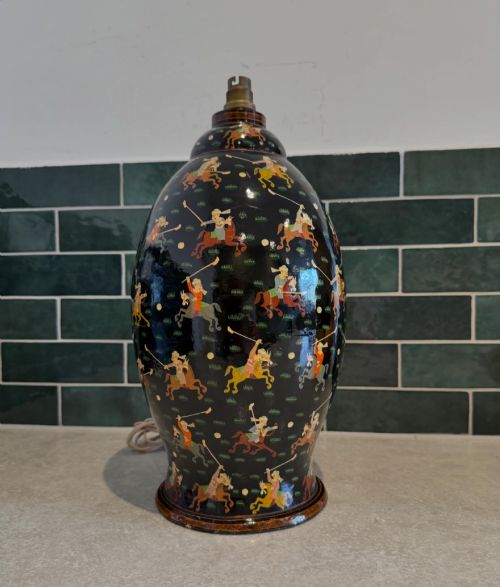
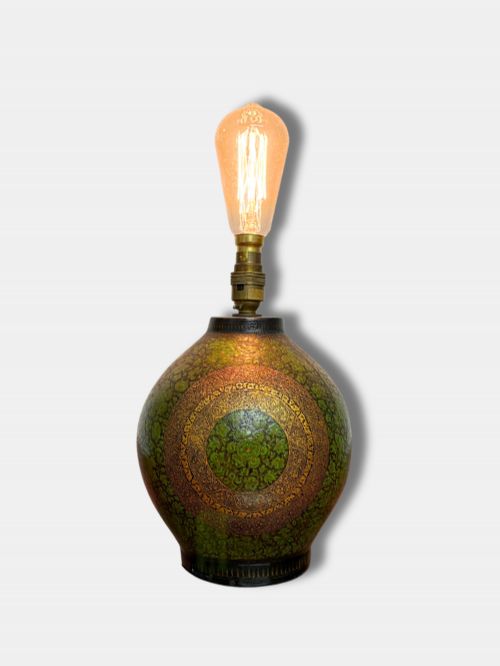
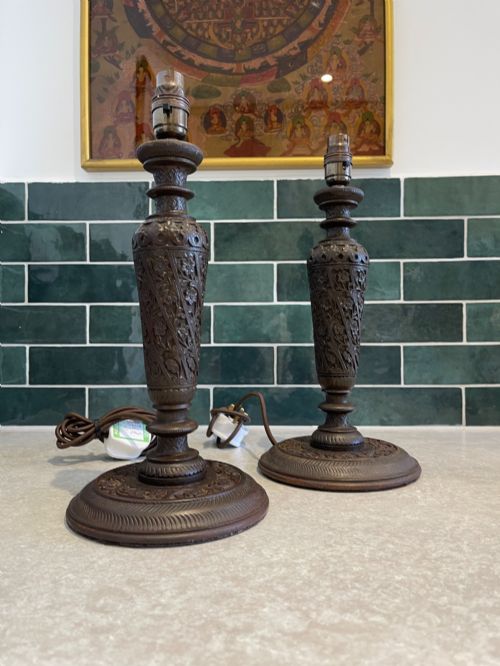
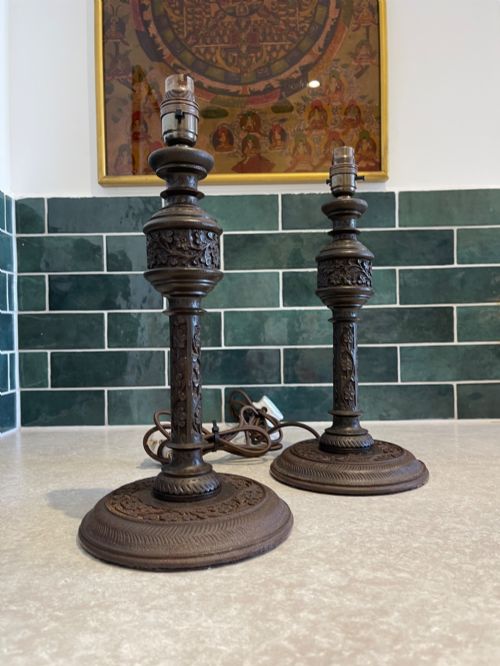
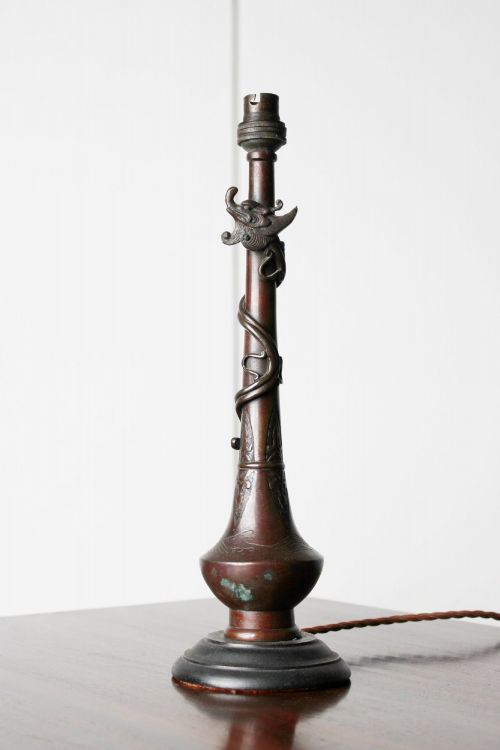
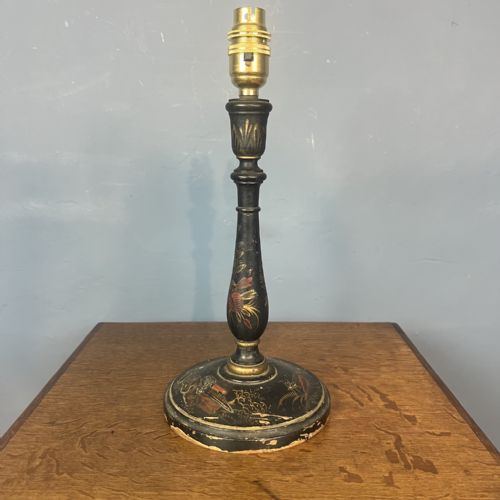
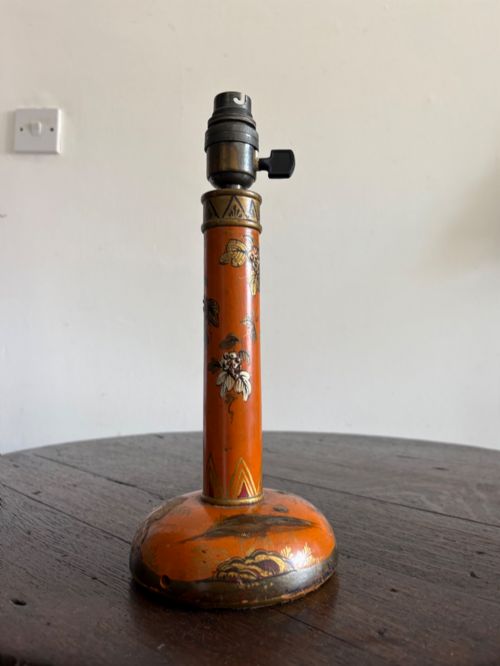
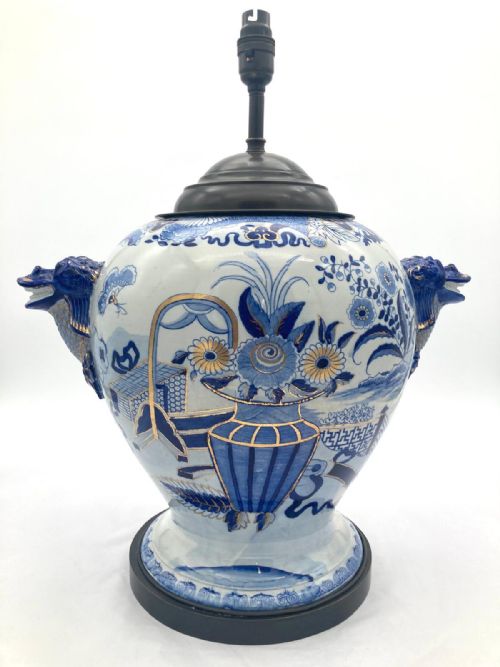
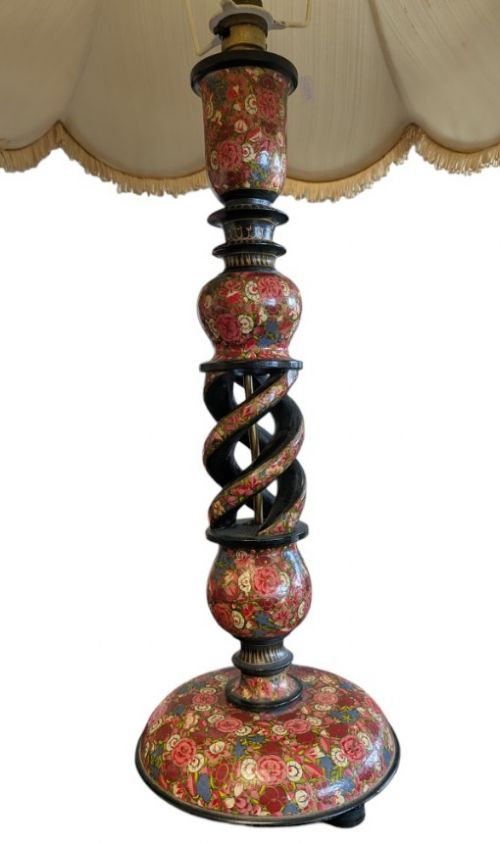
Vintage oriental lamp bases encompass a diverse selection of lighting fixtures fashioned from antique vessels, carved timber, and traditional decorative objects. When searching for vintage oriental lamp bases, buyers encounter pieces that range from converted ginger jars and cloisonné vases to hand-painted papier-mâché columns.
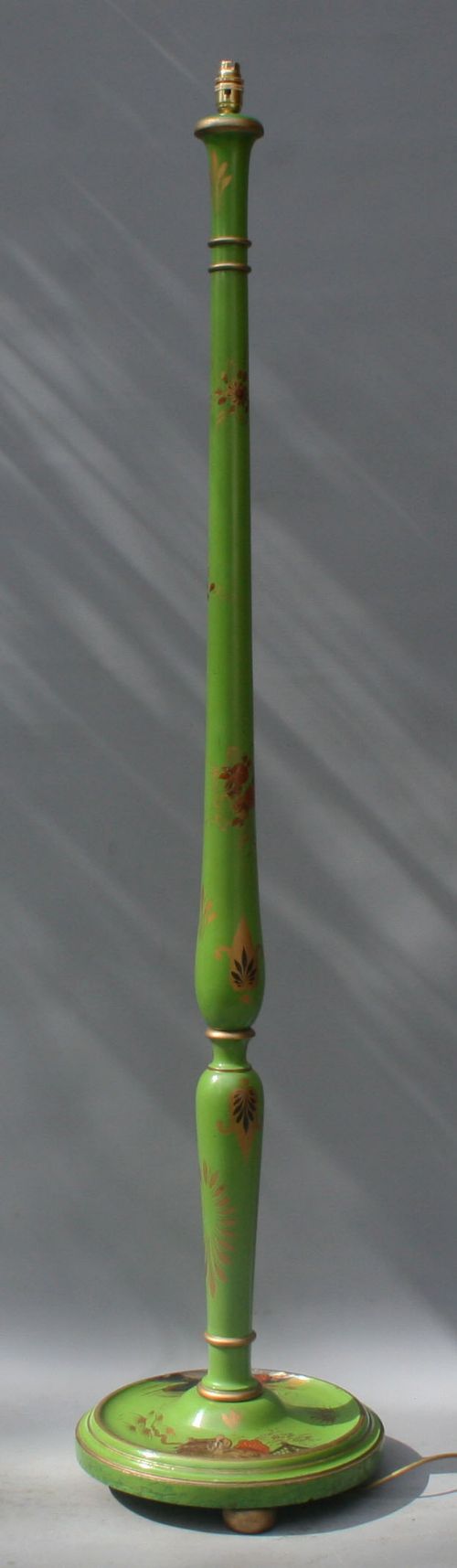
The selection frequently includes items produced during the nineteenth and early twentieth centuries, spanning Victorian, Edwardian, and Meiji periods. Table lamps and standard floor lamps dominate the offerings, often reflecting stylistic influences such as Chinoiserie, Qing Dynasty designs, and Kashmiri folk art.
Many of these lamps originate from conversions, where older porcelain or bronze vessels receive electrical fittings and mounts. This practice gives domestic utilitarian objects a second life as striking interior focal points.
Materials and construction methods
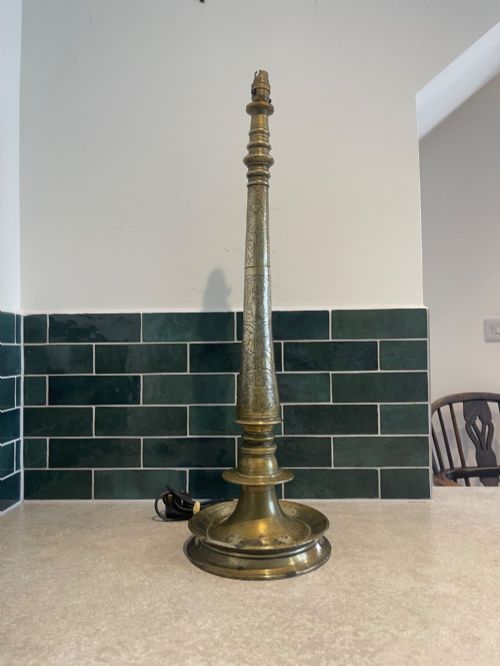
Makers utilised a wide array of media, combining ceramics, metals, and organic materials to achieve decorative depth. Porcelain forms like famille rose and blue and white ginger jars sit alongside cast bronze, pressed brass, and carved root wood.
Surface ornamentation involved intricate hand painting, lacquering, and cloisonné enamelling where metal wires partition the colourful design fields. Papier-mâché constructions relied on layered paper pulp finished with detailed gilt and painted pigments.
Mounting hardware typically consists of brass or ormolu collars and bases that secure the electrical components to the original artefact. These metal fixtures are often tailored to fit the specific contours of the converted vessel.
Listings feature items spanning the nineteenth and early twentieth centuries, utilising brass, porcelain, lacquer, and carved wood across various styles.
Factors influencing quality
The standard of a piece rests largely on the artistic execution of the painted or enamelled decoration and the integrity of the original vessel. Finer examples display precise hand-painted details, vibrant glazing, and well-preserved surface lacquers without extensive restoration.
The quality of the conversion work also dictates value, particularly how sympathetically the electrical fittings integrate with the antique body. Superior pieces retain their original proportions and structural stability while accommodating modern wiring safely.
The Vintage Oriental Lamp Bases Glossary
- Chinoiserie
- European decorative style reflecting Chinese artistic influences. It often appears on lacquered wooden lamp bases and painted furnishings from the Edwardian era.
- Cloisonné
- Enamelling technique where thin metal wires form raised cells on a metal body to hold coloured paste. These cells are fired to create intricate, durable patterns on vase lamps.
- Famille rose
- Chinese porcelain palette dominated by opaque pink enamel introduced in the eighteenth century. Pieces bearing these floral motifs frequently find new life as table lamps.
- Satsuma
- Japanese pottery style featuring earthenware with a crackled ivory glaze and detailed polychrome enamel painting. These decorative vessels are popular candidates for lamp conversion.
Vintage Oriental Lamp Bases: Frequently Asked Questions
Are these lamps converted from old vases?
Many examples begin life as decorative vessels, ginger jars, or temple vases before receiving electrical fittings and mounts later in their history. This conversion process turns antique ceramics and bronzes into functional domestic lighting.
Makers adapt the original pieces carefully to preserve the exterior artwork while accommodating modern wiring through the base or top.
How do I date an oriental lamp base?
Dating relies on examining the manufacturing traits of the underlying vessel, such as porcelain glaze characteristics, bronze casting methods, or lacquer wear. Stylistic markers from periods like the Meiji era or Edwardian Chinoiserie provide further chronological context.
The electrical wiring and hardware often date from a later twentieth-century conversion rather than the age of the base object itself.
Can I use standard lampshades with them?
Most lamp bases feature standard threading and harp fittings that accommodate a wide variety of contemporary or vintage fabric shades. Proportional balance remains the main consideration when pairing a shade with an ornate ginger jar or tall standard lamp.
Heavier ceramic or bronze bases provide the necessary stability to support larger fabric shades safely.
How do I care for lacquered and painted surfaces?
Dust these delicate surfaces gently with a soft, dry cloth and keep them away from direct sunlight to prevent the pigments and lacquers from fading. Avoid using harsh chemical cleaners or abrasive cloths that can damage hand-painted details or gilt highlights.
Checking the stability of any attached brass mounts periodically helps maintain the overall structural integrity of the lamp.