


Carved Wood Lamp Base
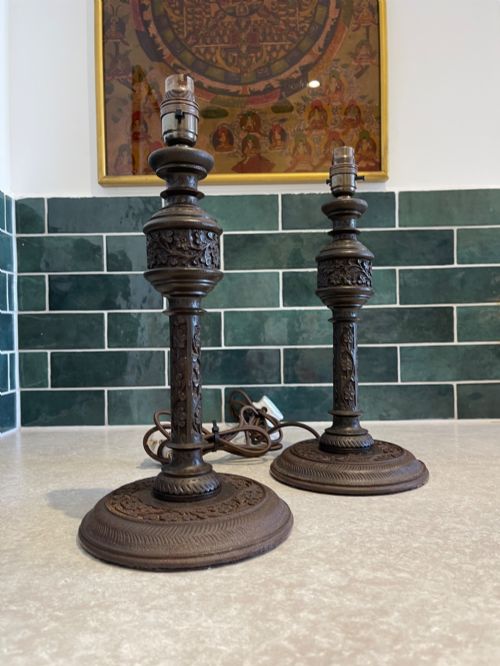
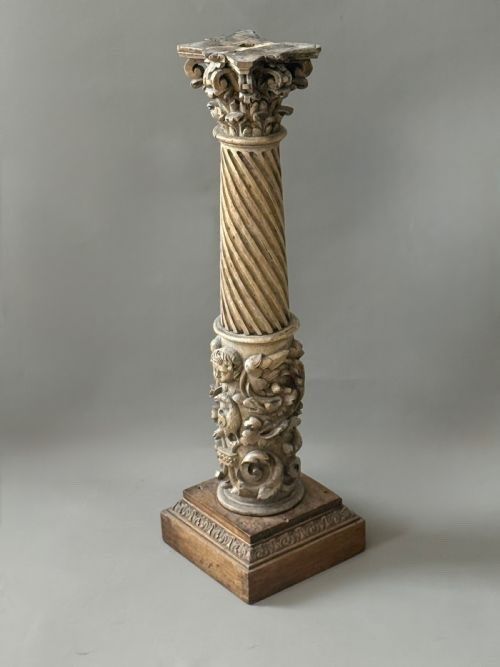
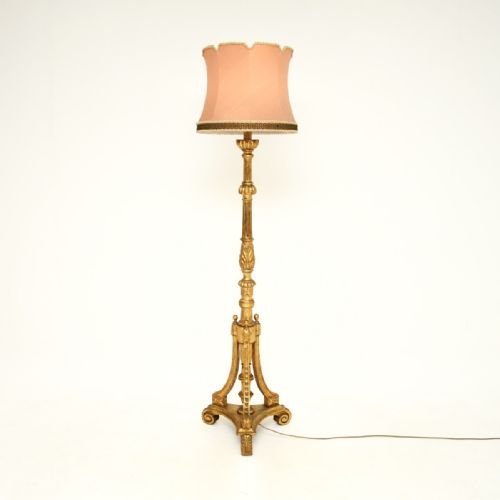
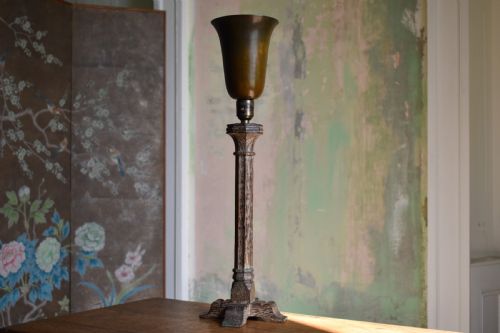
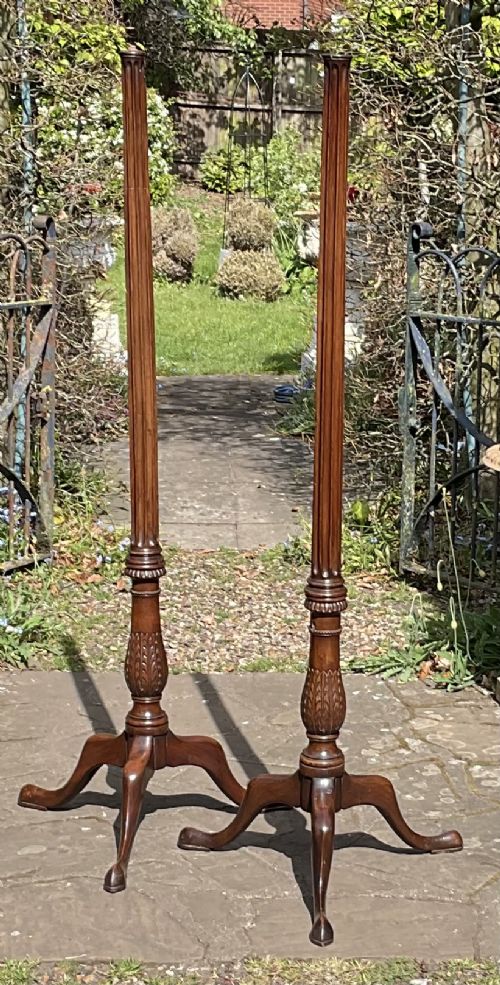
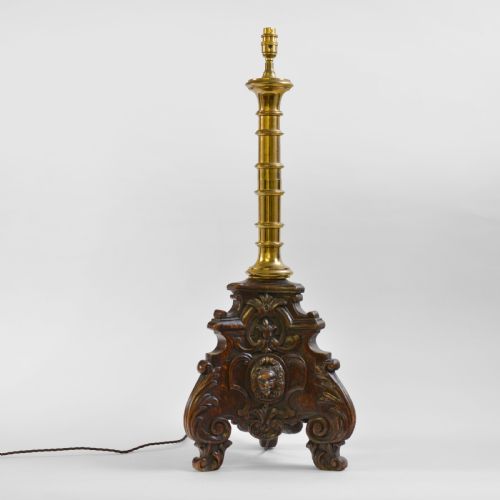
A carved wood lamp base brings warmth and texture to a room, ranging from grand seventeenth century pillars to slender twentieth century standard lamps.
Carved Wood Lamp Base
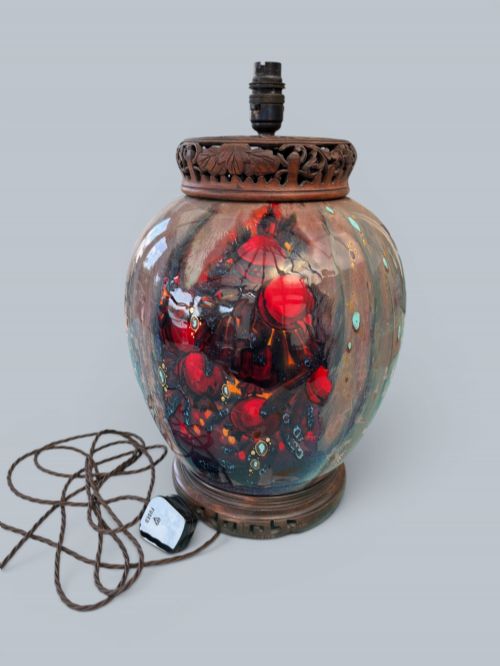
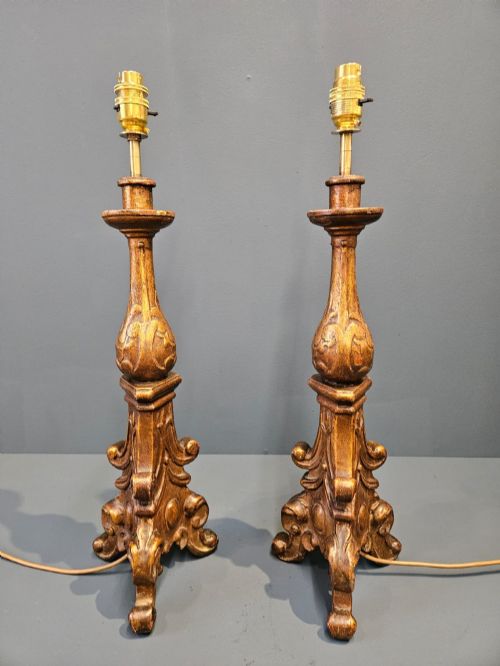
A carved wood lamp base is a functional lighting fixture shaped from timber, appearing in both table and floor standing formats. When searching for a carved wood lamp base, buyers encounter items fashioned from various woods including mahogany, oak, pine, and rosewood.
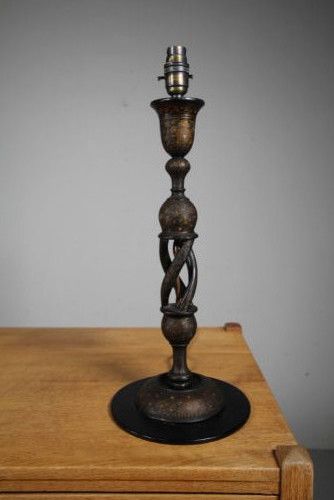
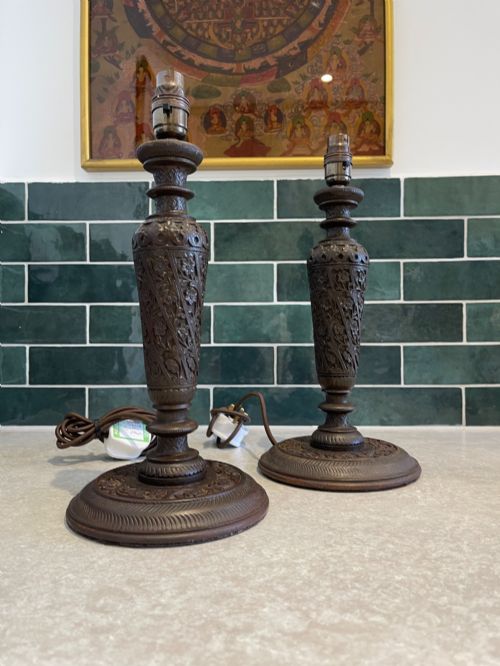
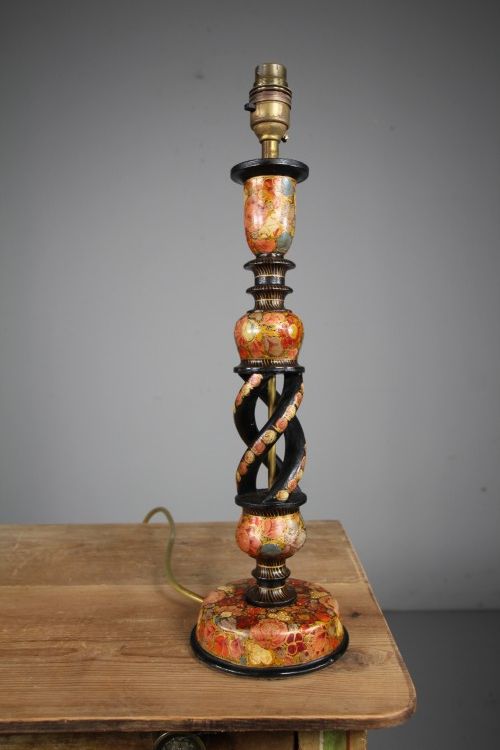
The selections span distinct historical eras, with Victorian, Edwardian, and earlier seventeenth and eighteenth century pieces appearing alongside twentieth century examples. Formats vary widely from simple turned columns and twist designs to Chinese root wood sculptures and Italian or Kashmiri carvings.
Many listings adapt older elements, transforming carved wooden pillars, torchieres, and candlesticks into wired lamps. These objects bridge decorative art and practical illumination, drawing on styles such as Regency, Baroque Revival, and Neoclassical.
How they were made
Craftsmen shaped these items from native and exotic timbers, utilising dense hardwoods like mahogany and rosewood alongside softer pine and oak. Wood carving formed the primary method of ornamentation, executed by hand to produce detailed foliage, figures, and geometric twists.
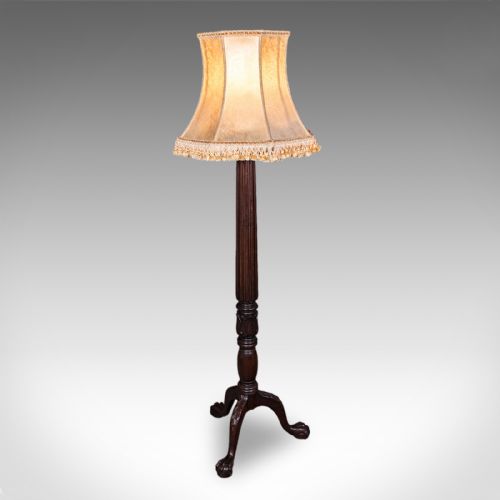
Surface finishes varied according to period and regional workshop practices, incorporating giltwood, gesso, silver leaf, and polished wax. Many pieces combined structural joinery with turned elements, mounting carved shafts onto sturdy circular or tripod bases.
Among the stately mahogany columns and gilt pillars, a carved wooden bookworm sculpture keeps watch over the library.
What varies in quality
The distinction between ordinary and exceptional examples lies in the depth and sharpness of the hand carving. Skilled execution transforms simple timber into expressive figures, crisp acanthus leaves, or fluid twist designs that retain their definition beneath layers of finish.
Material selection also dictates standard, with dense, well figured mahogany or rosewood commanding attention above plain pine or composite substitutes. The integrity of the original wooden structure, combined with sympathetic conversion for modern wiring, separates standard pieces from superior specimens.
The Carved Wood Lamp Base Glossary
- Torchiere
- A tall stand or floor lamp designed to hold a light source high above the ground. These often feature elaborate carved columns.
- Gesso
- A plaster based material applied to wood surfaces as a smooth base for gilding or painting. It provides a crisp ground for delicate relief work.
- Giltwood
- Timber that has been coated with gold leaf or metallic paint. This finish appears frequently on decorative Italian and Victorian pieces.
- Root wood
- Timber sourced from the root system of a tree, valued for its gnarled, organic forms. Chinese and Japanese artisans shaped these into sculptural lamp bases.
- Tripod table
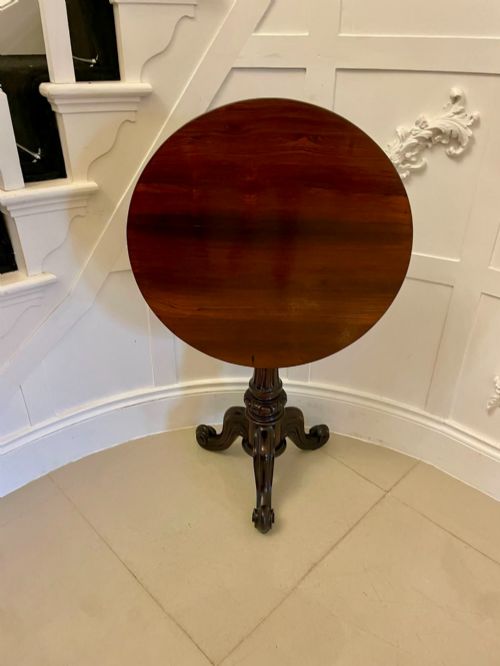
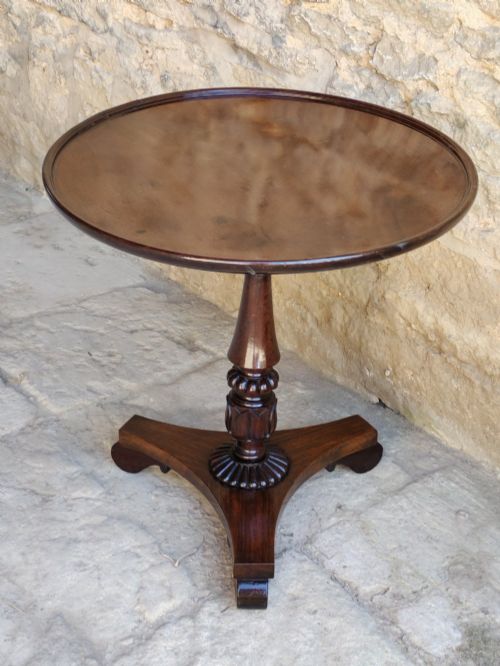
- A small table or lamp stand supported by three legs. Many incorporate carved pedestals suited for conversion into lighting.
Carved Wood Lamp Base: Frequently Asked Questions
How do I choose the right height?
Consider the intended placement and the scale of surrounding furniture. Table versions require lower surfaces, while floor standards anchor empty corners.
Proportion remains key when matching a carved column with a suitable shade, ensuring the complete fixture balances height and stability.
Can older lamp bases be safely rewired?
Most antique wooden fixtures accept modern electrical components without altering the external carved structure. Many examples arrive already updated with contemporary wiring.
Professional testing ensures safety while preserving the historical timber housing and original decorative surface treatments.
What styles complement these lamp bases?
Pieces span neoclassical, baroque, and regional traditions like Kashmiri or Chinese root wood carving. They suit traditional interiors as well as eclectic modern spaces.
The natural grain and applied gilding provide textural contrast against painted walls and upholstered furniture.
How do I care for antique wood?
Maintain the timber by keeping pieces away from direct heat sources and sudden temperature fluctuations. Regular dusting with a soft cloth protects the polished surface.
A light application of appropriate wax preserves the patina on untreated or polished hardwood without building up residue.