


Vintage Italian Table Lamp
A vintage italian table lamp brings sculptural presence and artisan warmth to a room through centuries of design.
Vintage Italian Table Lamp
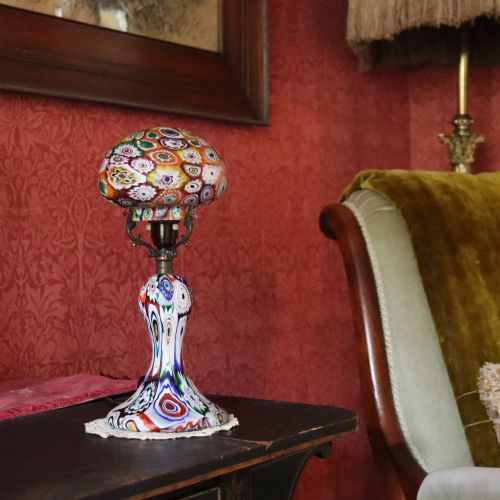
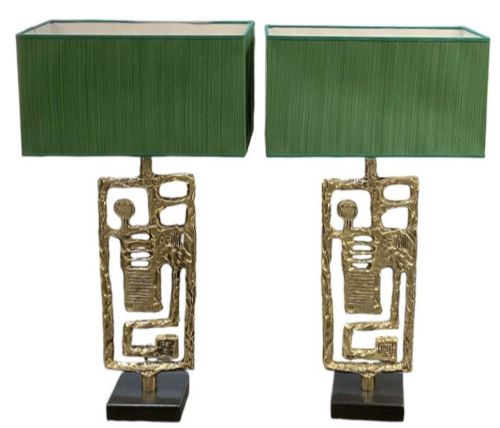
When you search for a vintage italian table lamp, you encounter pieces that range from carved wooden columns and gilded metal bases to vibrant Murano glass formations. The selection on this page relies heavily on early twentieth century examples alongside nineteenth century items adapted for lighting.
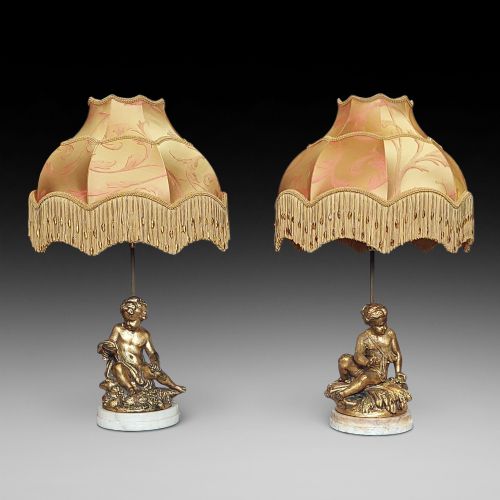
Forms span from slender candle-lamps and pricket stick bases to substantial urns mounted in alabaster, marble and bronze. Many pieces integrate classical motifs, cherubic figures and elaborate floral glass work into domestic illumination.
The aesthetic vocabulary draws upon Neoclassical, Baroque, Art Deco and Hollywood Regency traditions. Buyers frequently select these items to anchor a room with distinct regional character and tactile materiality.
Materials and construction
Makers utilised traditional artisan methods, combining hand-carved giltwood, gesso and solid walnut with polished marble and onyx bases. Metalwork incorporates cast brass, gilt metal and silver leaf finishes.
Several vintage lamps incorporate hand-modelled glass fruit and delicate stone cherubs, proving that past homes loved a touch of botanical whimsy.
Evaluating quality and execution
Superior examples demonstrate crisp definition in hand-carved wooden acanthus leaves, deliberate gilding depth and high grade natural stone bases such as solid alabaster or variegated marble. Lesser pieces often rely on simplified cast forms or generic surface treatments.
The integrity of applied details, from classical masks and cherubic mounts to signed studio glass elements, separates standard production items from distinguished sculptural works.
Fratelli Toso·Angelo Brotto·Esperia
The Vintage Italian Table Lamp Glossary
- Alabaster
- A fine-grained translucent stone frequently used for carved lamp urns and classical bases. It diffuses light gently and takes a smooth polish.
- Giltwood
- Timber coated with fine gold leaf or gilt powder over a prepared gesso ground. This technique provides rich reflective qualities on carved frames and lamp standards.
- Millefiori
- A glasswork technique producing distinctive multi-coloured mosaic patterns through the fusion of glass canes. It appears prominently in decorative Murano lamp bodies.
- Pricket stick
- A candlestick style featuring a central metal spike to secure the candle, often converted into a wired lamp base. They originate from liturgical and domestic lighting traditions.
- Campana urn
- A bell-shaped vessel form derived from classical antiquity. It serves as a classic silhouette for stone and metal lamp bases.
Vintage Italian Table Lamp: Frequently Asked Questions
What periods do these lamps date from?
The listings encompass items produced from the nineteenth century through the mid twentieth century, with a strong representation of pieces from the nineteen twenties and nineteen thirties.
Earlier nineteenth century items often originate from architectural fragments or oil lamp stands subsequently adapted for electrical wiring.
How do I identify Murano glass lamps?
Murano glass lamps exhibit characteristic traits such as hand-blown forms, integrated millefiori canes or sculptural glass elements like fruit and grape clusters. These pieces originate from the Venetian lagoon islands renowned for historic glassmaking traditions.
Signatures or attribution marks sometimes accompany works by notable glass houses like Fratelli Toso.
Are these lamps suitable for modern interiors?
Their sculptural forms and rich materials allow them to function as focal points in contemporary or traditional schemes. Pieces ranging from gilded columns to Art Deco alabaster provide tactile contrast.
Pairing them with appropriate fabric shades helps balance their substantial historical presence.
How should I care for gilded and carved wood bases?
Maintain wooden and gilded surfaces by dusting gently with a soft dry cloth, avoiding moisture and harsh chemical cleaners that can damage delicate gold leaf or gesso layers. Natural stone elements like marble and alabaster benefit from occasional careful wiping with a barely damp cloth.
Protecting the base from direct sunlight preserves the original patina of the finish.