

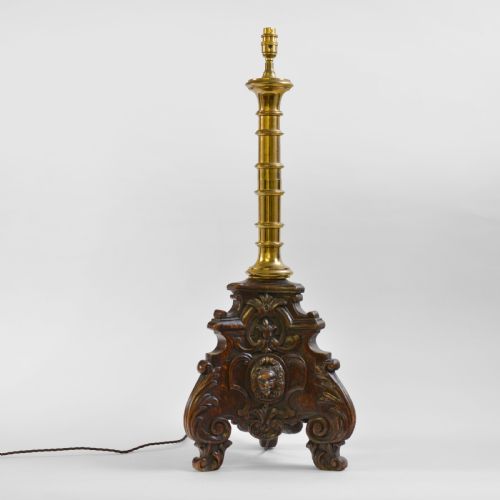


Carved Wooden Bedside Lamps
Carved wooden bedside lamps bring warmth and character to a room, turning practical lighting into a focal point of craftsmanship.
Carved Wooden Bedside Lamps
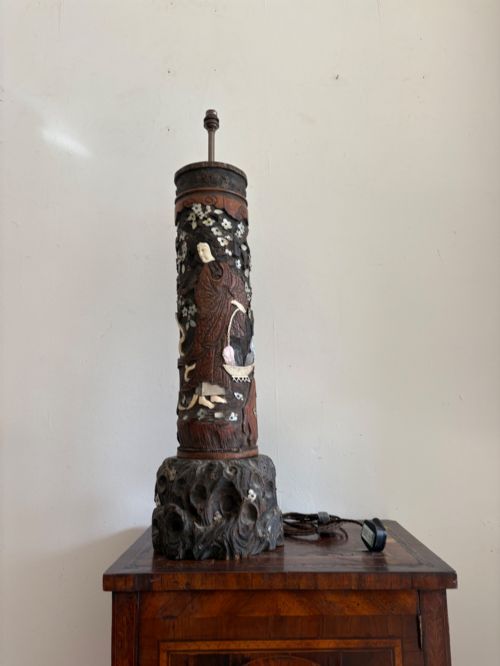
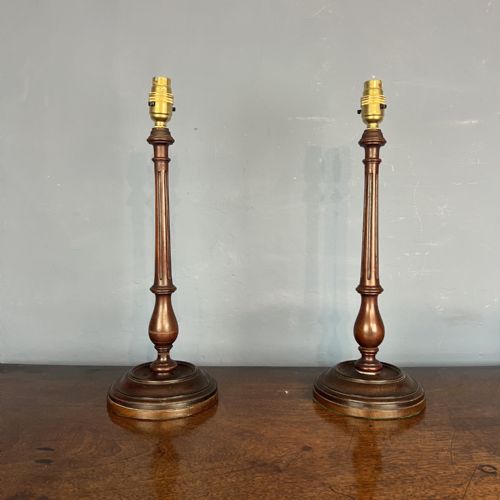
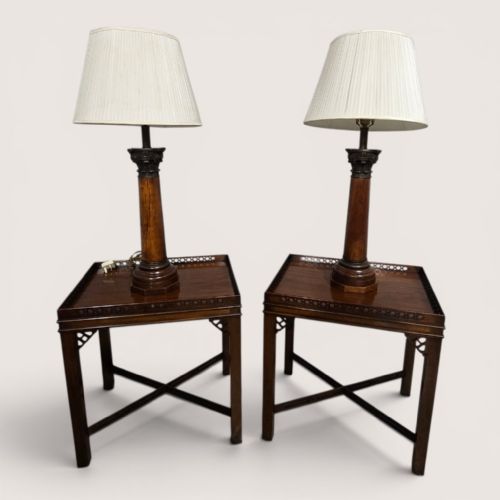
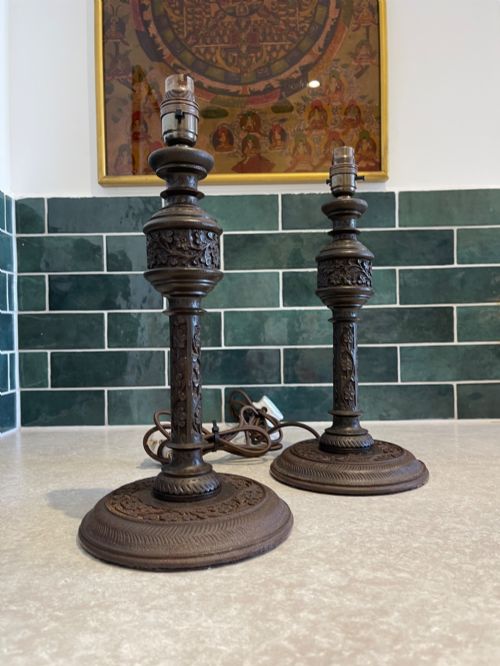
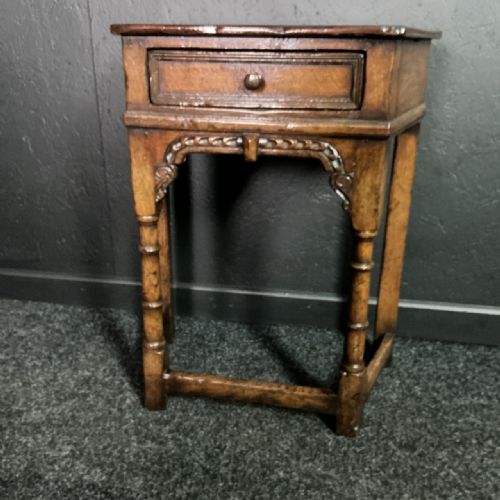
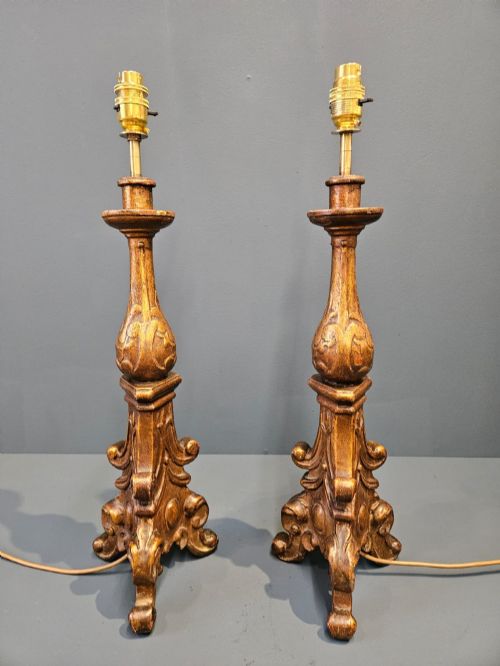
Carved wooden bedside lamps encompass table lighting formed from timber, mahogany, oak, walnut, and giltwood. Pieces span from the seventeenth century through the Victorian, Edwardian, and early twentieth century periods, reflecting diverse stylistic influences.
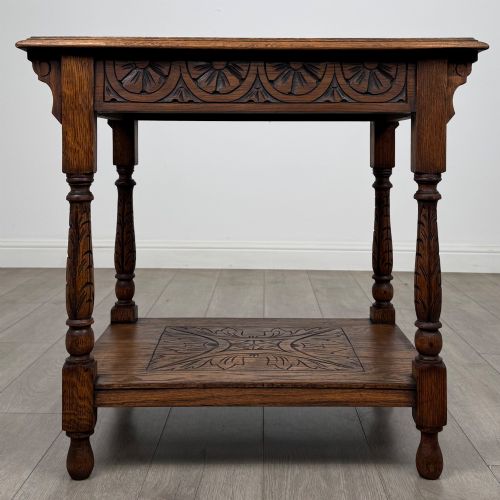
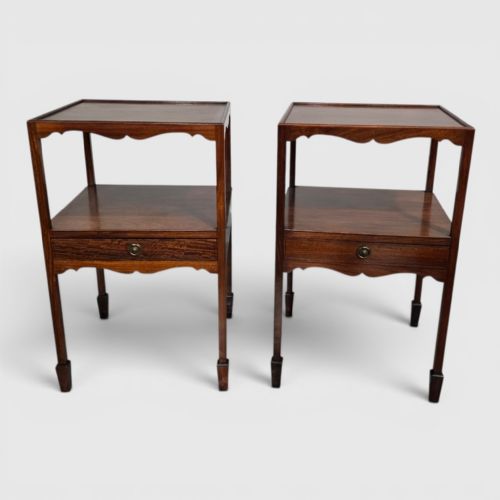
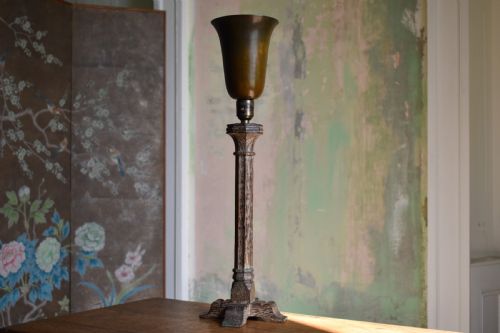
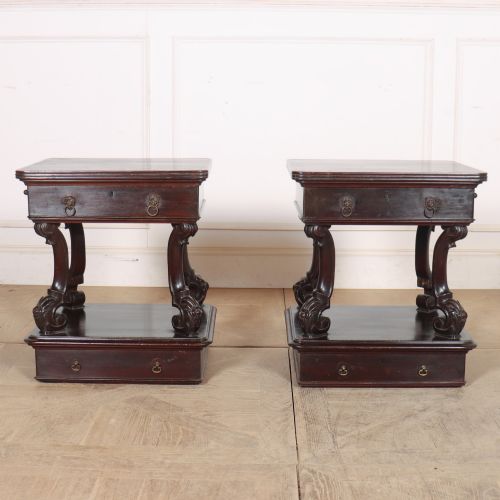
The selection frequently includes table lamps converted from earlier candlesticks, alongside occasional tables and bedside cabinets adapted for illumination. These items showcase regional varieties ranging from English and French to Italian, Flemish, and Japanese origins.
Materials and construction methods
Construction relies heavily on native and exotic hardwoods such as oak, mahogany, and walnut, frequently enhanced by painted finishes, giltwood, or limed treatments. Artisans shaped these timbers using traditional joinery and detailed hand-carving techniques.
Many examples incorporate secondary materials like brass fittings and fabric shades to complete the lighting conversion. Older bases often originate from repurposed architectural elements, furniture components, or decorative candlesticks.
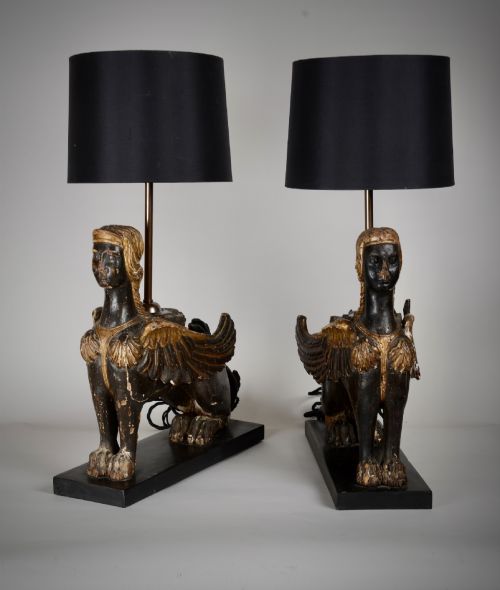
Sculptural figures carved from timber include attentive cherubs and watchful sphinxes ready to illuminate the bedside.
Assessing quality and execution
Quality rests upon the crispness and depth of the timber carving, where hand-tooled details outshine mechanical or shallow moulding. The selection of the underlying wood grain, whether burr walnut or figured mahogany, defines the visual presence of the base.
Proportion and stability distinguish superior examples from simpler utilitarian pieces. Harmonious balance ensures the lamp safely supports its fitting and shade without appearing top-heavy.
The Carved Wooden Bedside Lamps Glossary
- Giltwood
- Timber treated with gold leaf or gold paint to create a lustrous surface finish. This technique appears frequently on continental and eighteenth-century decorative bases.
- Meiji Period
- The era in Japanese history spanning from 1868 to 1912. Pieces from this time often exhibit intricate organic motifs and fine craftsmanship.
- Limed oak
- Timber treated with a specialised finish that highlights the open grain with a lighter pigment. This finish became popular in early twentieth-century furniture.
- Conversion
- An antique object adapted for a modern function, such as turning a candlestick or vase into an electric lamp. Careful conversions preserve the integrity of the original artefact.
Carved Wooden Bedside Lamps: Frequently Asked Questions
How do I date a wooden lamp?
Dating relies on examining the wood species, tool marks, joinery methods, and the style of the carving. Comparing the base to established period furniture helps narrow down the decade of manufacture.
Electrical components are usually modern replacements and should not be used to determine the age of the wooden base itself.
Are these lamps safe for modern wiring?
Many vintage and antique lamps retain older wiring or have been converted at different times. It is wise to have a qualified electrician inspect the internal cord and bulb holder before regular use.
Rewiring preserves the historic exterior while ensuring the piece meets current safety standards for your home.
How do I clean carved wooden bases?
Dust the carved recesses regularly with a soft-bristled brush to prevent dirt accumulation. Avoid harsh chemical cleaners or excess water, which can damage aged finishes and exposed wood.
An occasional application of appropriate furniture wax helps nourish older timber and maintain a soft sheen.
Can I match different wood tones?
Mixing woods like oak, mahogany, and walnut creates a collected interior rather than a uniform set. Pay attention to the warmth of the finish and the scale of the carving to maintain visual harmony.
Similar patination often links disparate periods and origins successfully within the same room.